Furnace Repair in New Mexico
Homes in New Mexico are newer than in 32 of the other 49 states.
Tell us about the job
Takes about a minute. No obligation.
- 23°Fwinter overnight low where people live
- 7 monthsof heat, October through April
- $8.83 per million Btuwhat homes paid for natural gas in 2024 (Btu means British thermal units, a measure of heat)
- 581winter storms from 2015 to 2024
Nothing here is hard on a furnace It just runs October through April
- Northern counties need about 43% more heat than southern ones
- Winter nights average 23°F where people live
- Heat runs October through April
- 581 winter storms from 2015 to 2024
- Climate zones 3B, 4B and 5B across the state
- 13% of homes lost power a day or more in 2024

Nothing about a New Mexico home works a furnace harder
Half the homes in New Mexico were built in 1985 or earlier, half in 1985 or later, so a furnace here could sit in a new house or an old one. Most of the state's housing is detached or attached single-family homes, with mobile homes making up the rest of what you'll find. None of that wears out a furnace faster. If yours is acting up, it's probably an igniter, a flame sensor, or a blower motor giving out, the same parts that fail in any house, anywhere.
An old furnace tells on itself before it quits for good. If the heat exchanger is cracking, that's not something a repair fixes, because a cracked exchanger can let combustion gas into the air in the house. That's a replacement, not a repair, no matter what else the furnace is doing right. A newer furnace that's thrown one bad part is a different animal. Swap the igniter or the flame sensor and it runs like it should.
Think about what you're actually paying for. A single repair is just that, a part that failed and got replaced. But a furnace that keeps bringing a tech back out for one thing after another is telling you the breakdowns aren't random anymore. At some point you're not fixing the furnace, you're funding its retirement one call at a time. A tech who's straight with you will say so plainly instead of quoting another repair.
The first cold week finds the weak part
Furnaces here run October through April, about seven months. September is worth a look before that starts. Most breakdowns happen in the first cold snap, when a furnace that sat idle all summer gets asked to run for hours at a stretch and whatever part was already going weak finally gives out. An igniter that was struggling in April doesn't announce itself until the thermostat calls for heat in October. That's why a furnace that was fine in spring can start short cycling or blowing cold air the first week it's needed. If yours is acting up now, this is exactly when it tends to happen.
4 months of cooling, June through September
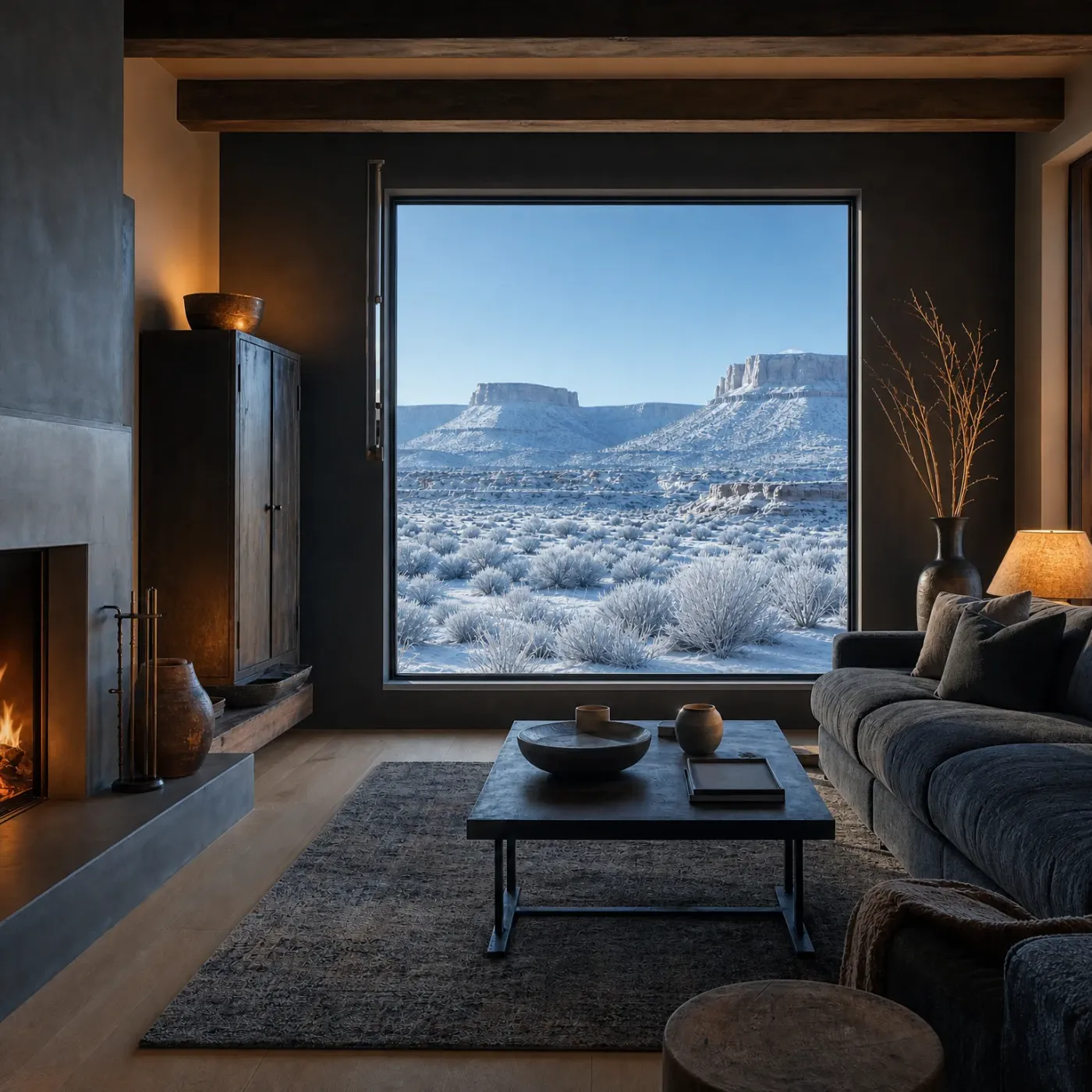
7 months of heat, October through April
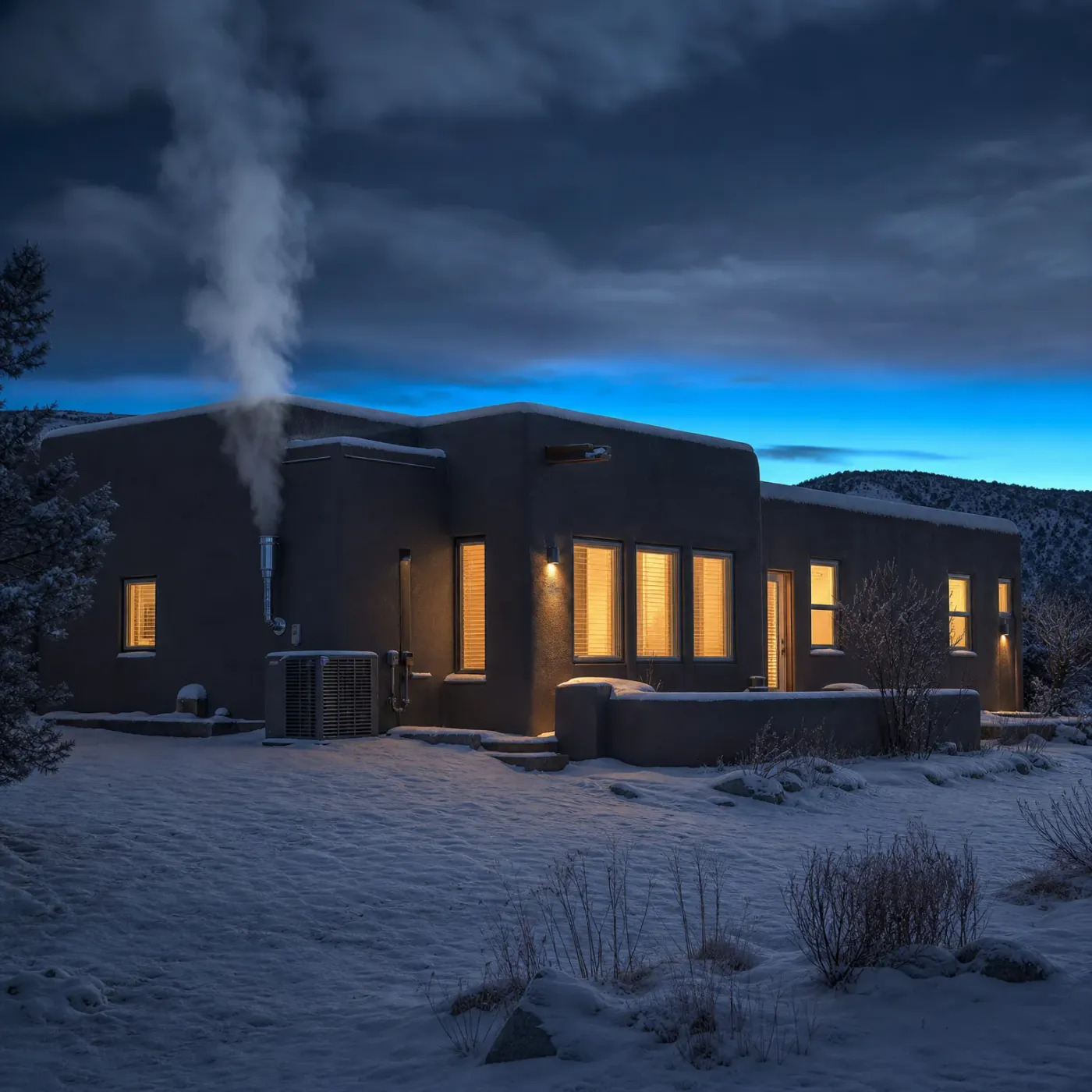
New Mexico doesn't ask one thing of a furnace everywhere in the state. Homes in the northern counties need about 43% more heat over a year than homes in the southern counties, and that gap shows up directly in how long the furnace runs. North, heat season stretches about 8 months. South, it's about 7.
Taos County sits at one end of that range. Furnaces there need about three times the heat that Eddy County furnaces need, the lowest demand anywhere in the state. Taos also needs heat about 10 months a year, longer than anywhere else in New Mexico. Eddy gets by on about 5.
Winter nights follow the same pattern. Lows average 19°F across the northern counties against 25°F in the south. Taos County is the coldest in the state at night, Eddy County the mildest.
None of this makes New Mexico unusual by national standards. Homes here need heat for fewer months of the year than in 28 of the other 49 states, and winter nights are colder here than in 26 of the other 49. The state sits in the middle, not at an extreme.
Where you are in New Mexico still matters for a repair call. A furnace in Taos County is being asked to run longer and harder each winter than one in Eddy County. A tech working on a furnace up north should expect more wear than one working on the same age furnace down south, and start looking accordingly.
What does a furnace in New Mexico face?
How cold do winter nights get?
23°Faverage overnight low where people live
North Dakota4°F
Hawaii65°F
How many months does the heat run?
7 monthsof heating a year
Hawaii0 months
Alaska12 months
What does natural gas cost?
$8.83per million Btu, what homes paid in 2024
Montana$7.77
Hawaii$53.25
How often do storms hit?
244severe weather events per county from 2015 to 2024
Alaska5
Wyoming1,057
How many homes lost power for a day or more?
13%of homes in 2024
Arizona7%
Maine54%
A furnace that's struggling doesn't fix itself by running
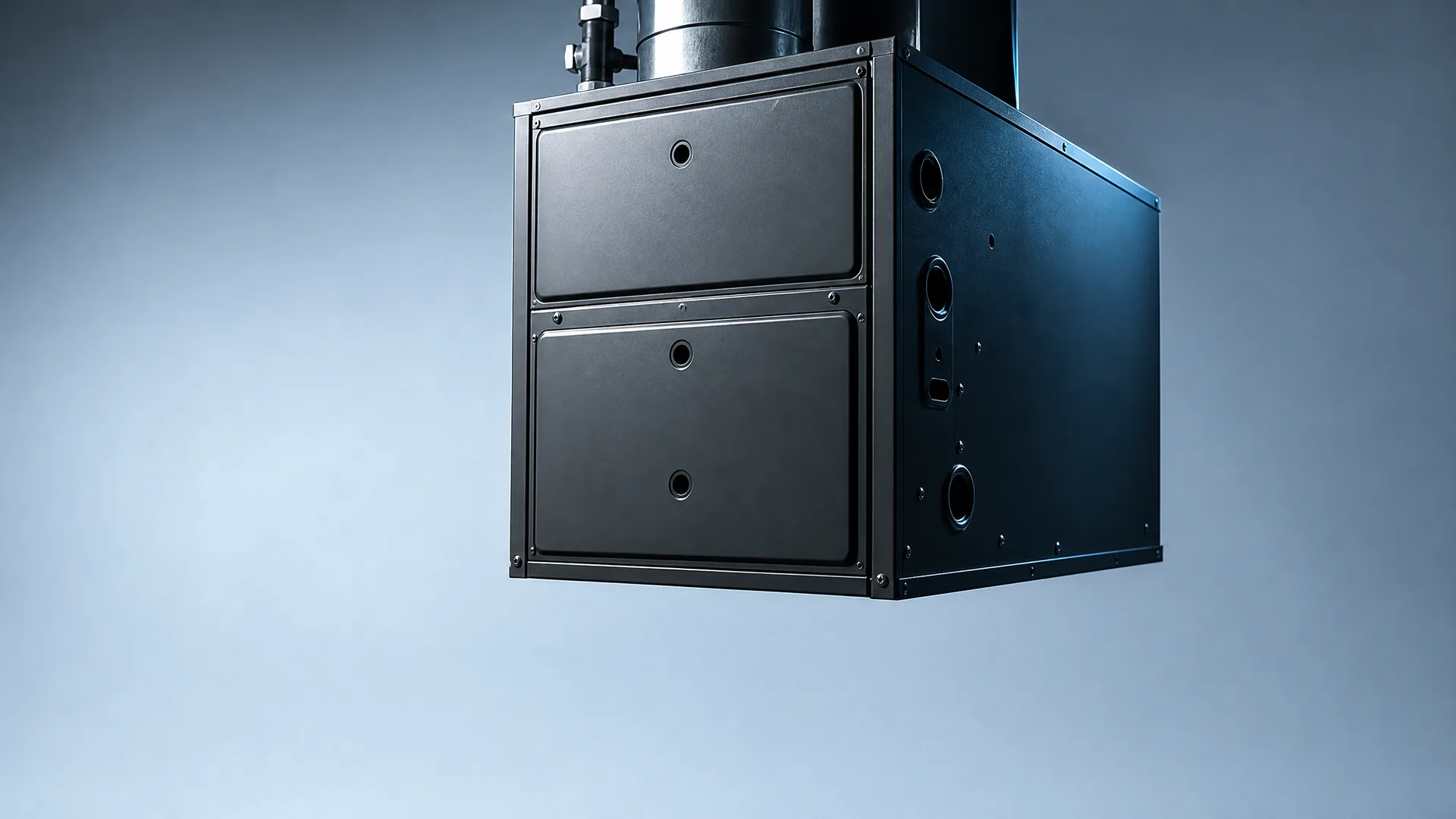
A furnace rarely fails outright. It gives a warning first, and what it's doing when you call matters as much as what's broken. A cracked heat exchanger can push combustion gas into the air the furnace is supposed to be heating, so a furnace that keeps running with one is a safety problem, not just a comfort one. A flame sensor that's gone weak will let the burner light and then shut back off, and each time that happens the furnace tries again, short cycling instead of heating. A blower motor that's struggling pulls more current every time it starts, and that strain is what finally burns it out. An inducer motor failing partway won't clear the exhaust fully, so the furnace shuts itself down to keep from pushing fumes back into the house. That's the furnace protecting you, not malfunctioning. None of these get better by waiting. A furnace that's limping along and still putting out heat feels fine to live with, but the part causing the trouble is wearing against itself every time it runs.
What actually breaks, and in what order
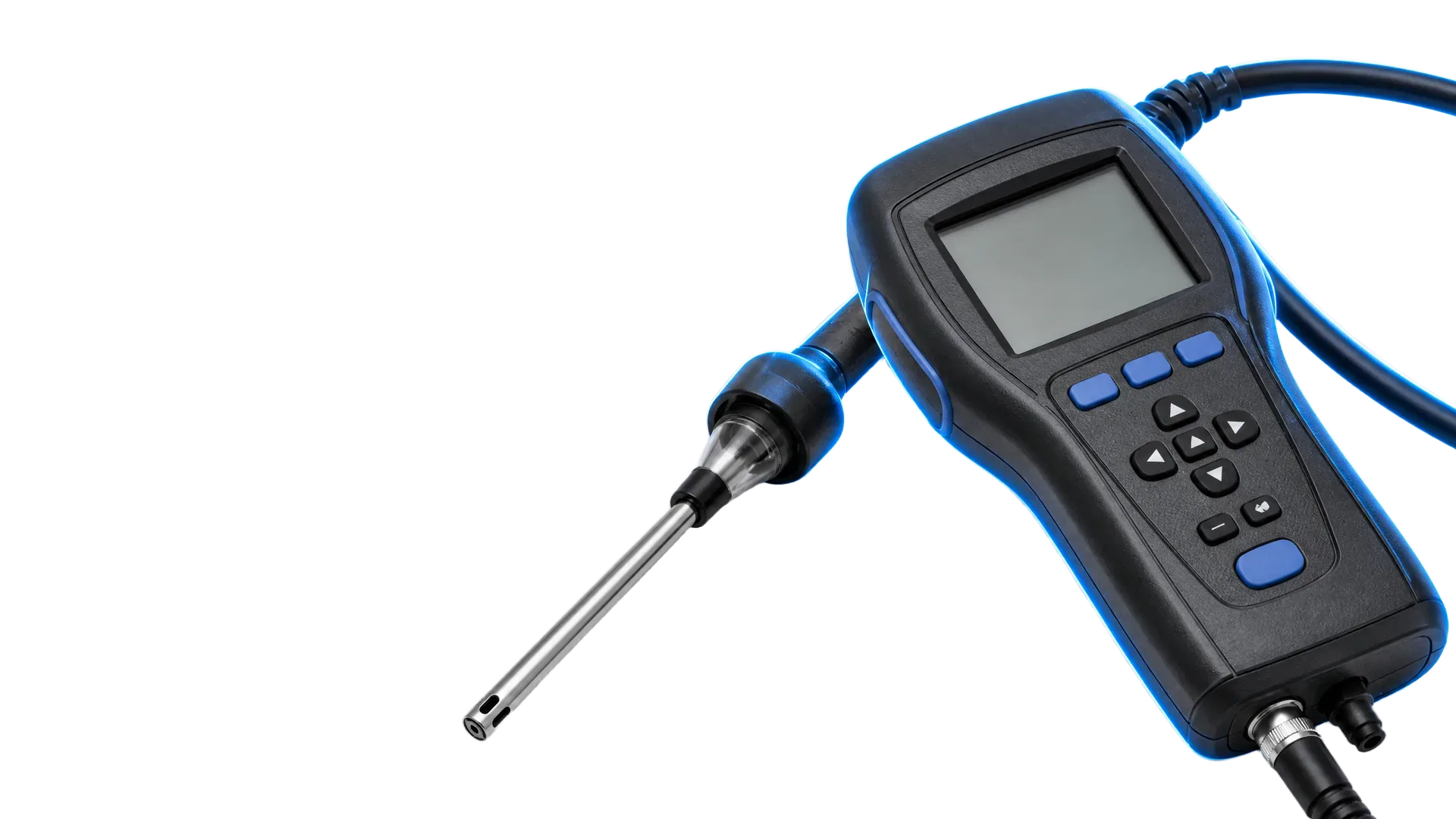
Most furnace failures trace back to a handful of parts. The igniter usually goes first, since it heats up and cools down every cycle, and that stress eventually cracks it or leaves it too weak to light the gas. The flame sensor fails a similar way, coated slowly by the flame itself until it can no longer tell the furnace a flame is there, so the gas shuts back off even though it lit fine. Blower motors wear down mechanically instead, from hours of spinning, and usually get noisy or struggle to start before they quit outright. Inducer motors fail less often but matter more, since the furnace won't let the burners light until one clears the exhaust first. Pressure switches and limit switches rarely fail on their own. Usually something upstream, a clogged flue or a dirty filter choking airflow, is tripping them, and the switch gets blamed for doing its job. The one failure that isn't a simple part swap is a cracked heat exchanger, which comes from years of metal heating and cooling against itself.
What a tech is doing before the repair starts
A diagnostic call starts with questions, not tools. A tech wants to know what the furnace was doing when it quit or started acting up. Blowing cold air, short cycling, making noise, not firing at all, each of those points somewhere different. Thermostat and power get checked first, because that takes a minute and rules out the simplest explanation before the panel ever comes off. Once it's open, the tech watches the furnace run a full cycle if it will. Whether it lights on the first try, whether the flame holds steady, whether the blower comes on and moves air the way it should. Some of this takes a meter, checking the current a motor is pulling or the voltage reaching the igniter, because a part can look fine sitting there and still be the one failing. The point is to land on the actual part causing the problem, not just get the furnace running again for the moment. A tech who's done this right can tell you afterward exactly what's worn, what it was doing to the rest of the furnace, and whether replacing that one part is the end of it.
Whatever your furnace is doing, it's one worn part, not New Mexico wearing it out faster.
Tell us about the job
Takes about a minute. No obligation.
Answer a few questions about what it's doing and a licensed contractor will call to sort it out.