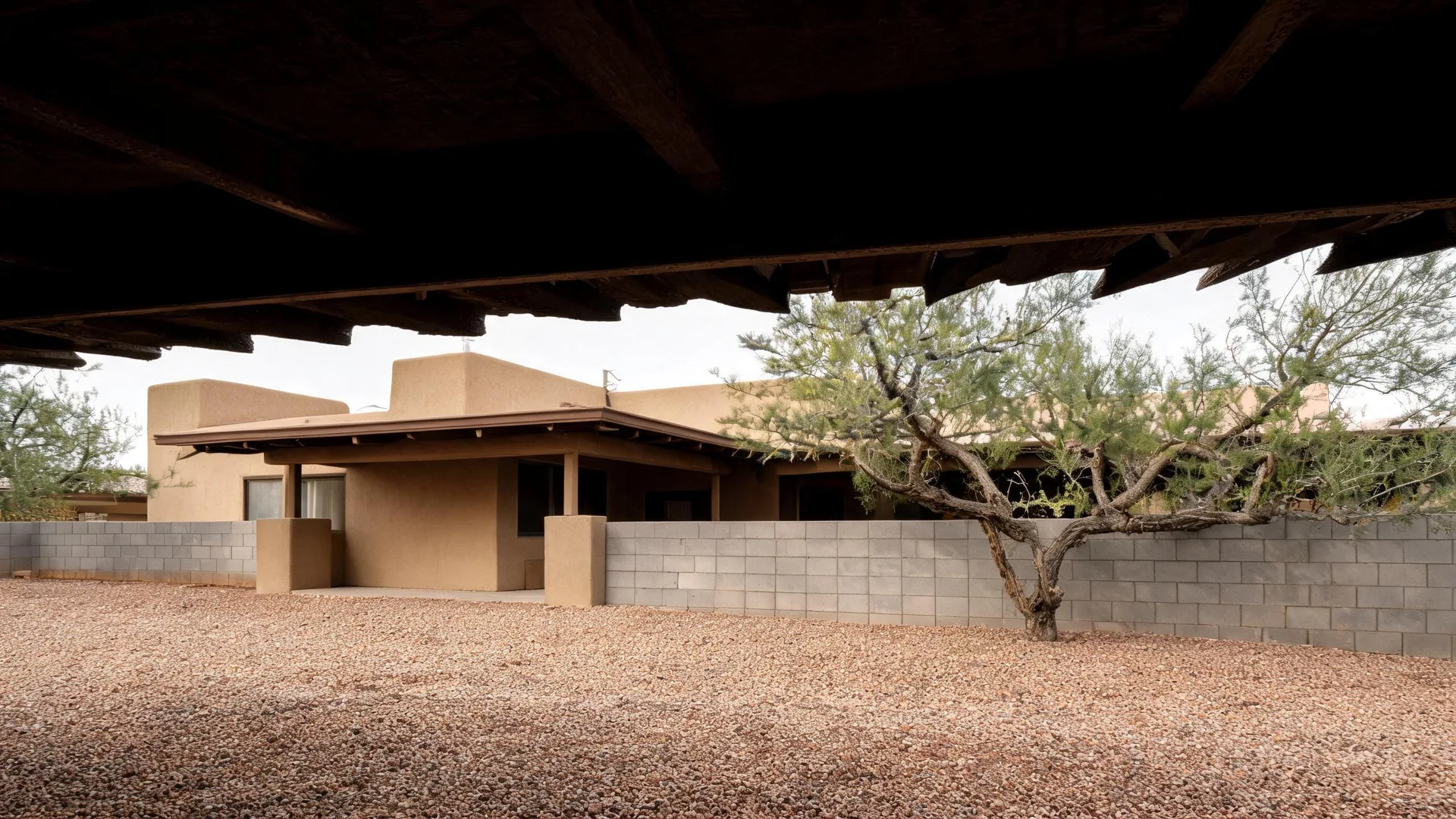



A single-story tan stucco house with wide overhanging eaves seen from beneath a dark wooden canopy, behind a concrete block wall, with a gravel yard and a mesquite-like tree in the foreground.

Furnace Repair in Carlsbad, NM

Tell us about the job

Takes about a minute. No obligation.

RepairFurnace or heatingEddy County, NM
Step 1 of 2

What ZIP code is the job in?

Your furnace only has to work about five months a year here, November through March. Overnight lows average 31°F through December, January and February, which is cold but not brutal, so the furnace isn't straining the way it would somewhere with longer or harder winters. That makes a difference for repair. A furnace that hasn't been run hard tends to have a lot of life left in whatever broke, whether that's the igniter, the blower motor or the heat exchanger. When something fails on a system like that, age or a worn part is the more likely explanation, not years of overwork.

5 months
November through March, your furnace is on duty
31°F
the average winter night it heats against
11 winter storms
in ten years, the nights a failure hurts most
Isometric cutaway illustration of a single-story house with a dark shingled roof, showing interior rooms with furniture and a furnace connected to ductwork and a flue pipe extending above the roof.
Your furnace works hardest from November through February.

NOAA nClimDiv, 1991–2020 normals

Furnaces in Eddy County sit unused for about five months before November.

October is when a weak igniter or a bad limit switch gets tested again, right as the heat starts up.

Winter here is cold, not punishing, so a broken furnace is almost always about the part, not the weather

Heat runs November through March
Winter nights average 31°F
11 winter storms from 2015 to 2024
Carlsbad weather tests a furnace, but it doesn't wear one outEddy County saw 344 severe weather events from 2015 to 2024, mostly wind and hail, not sustained cold

Half the homes in Eddy County were built in 1980 or earlier, half since. Neither one is harder on a furnace. What matters more is whether the unit's been serviced along the way, not how old the house around it is. Mobile homes make up a real share of the housing stock here too, and those usually run a smaller furnace built to fit a closet or a crawlspace rather than a standard one. If your home came with the furnace already installed, it's worth knowing which type you have before a repair call, since the parts and the access both differ from a furnace in a regular house.

The part failed. The furnace didn't.

A furnace that's had an easy five months a year usually has a straightforward repair waiting inside it, a part worn out or failed, not a system run into the ground. Worth getting someone to look at what's actually broken before you think about replacing anything.

Find a contractor
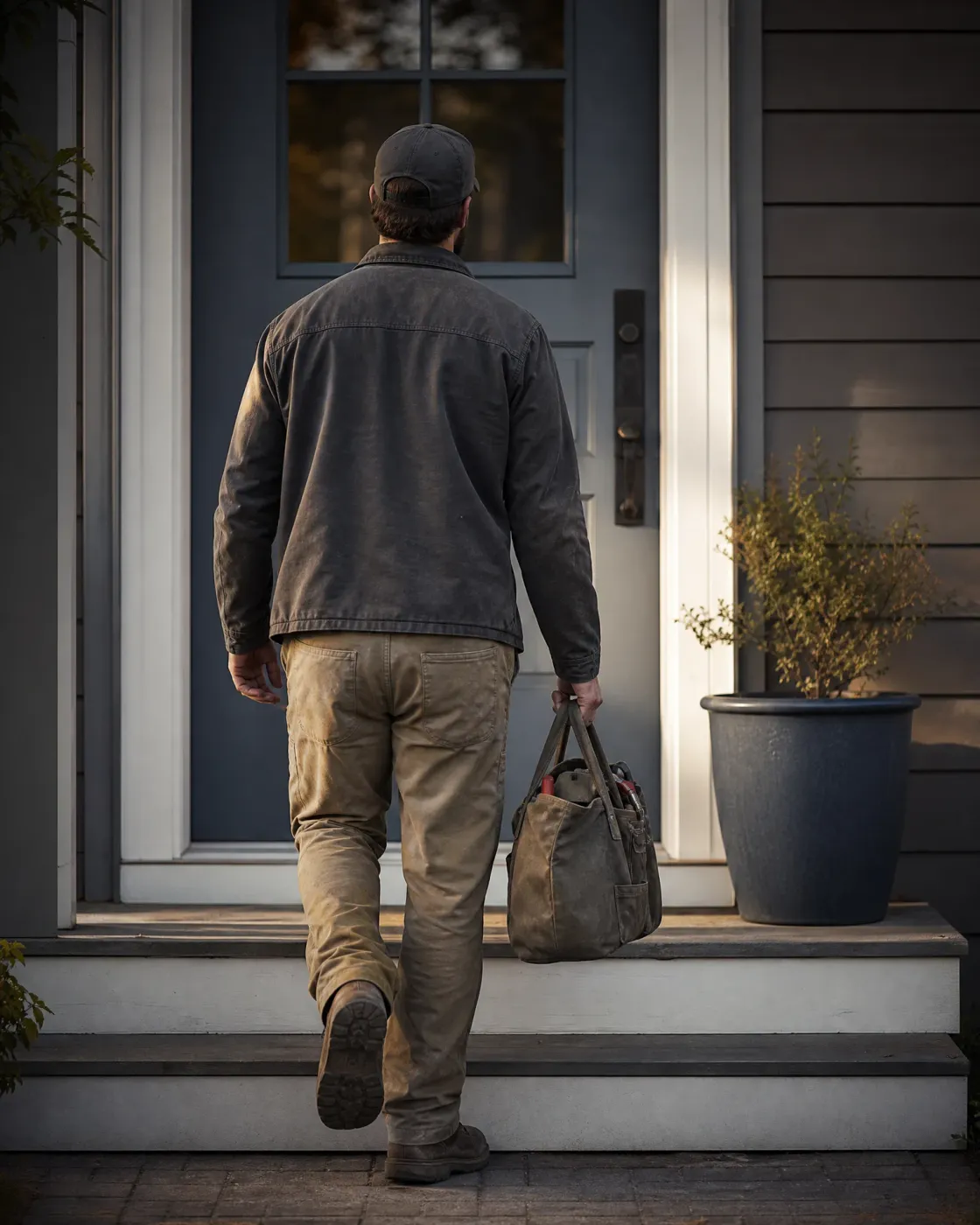
A man in a cap, dark jacket and tan work pants carries a canvas tote bag as he steps up concrete stairs toward a blue front door, with a potted shrub beside him.
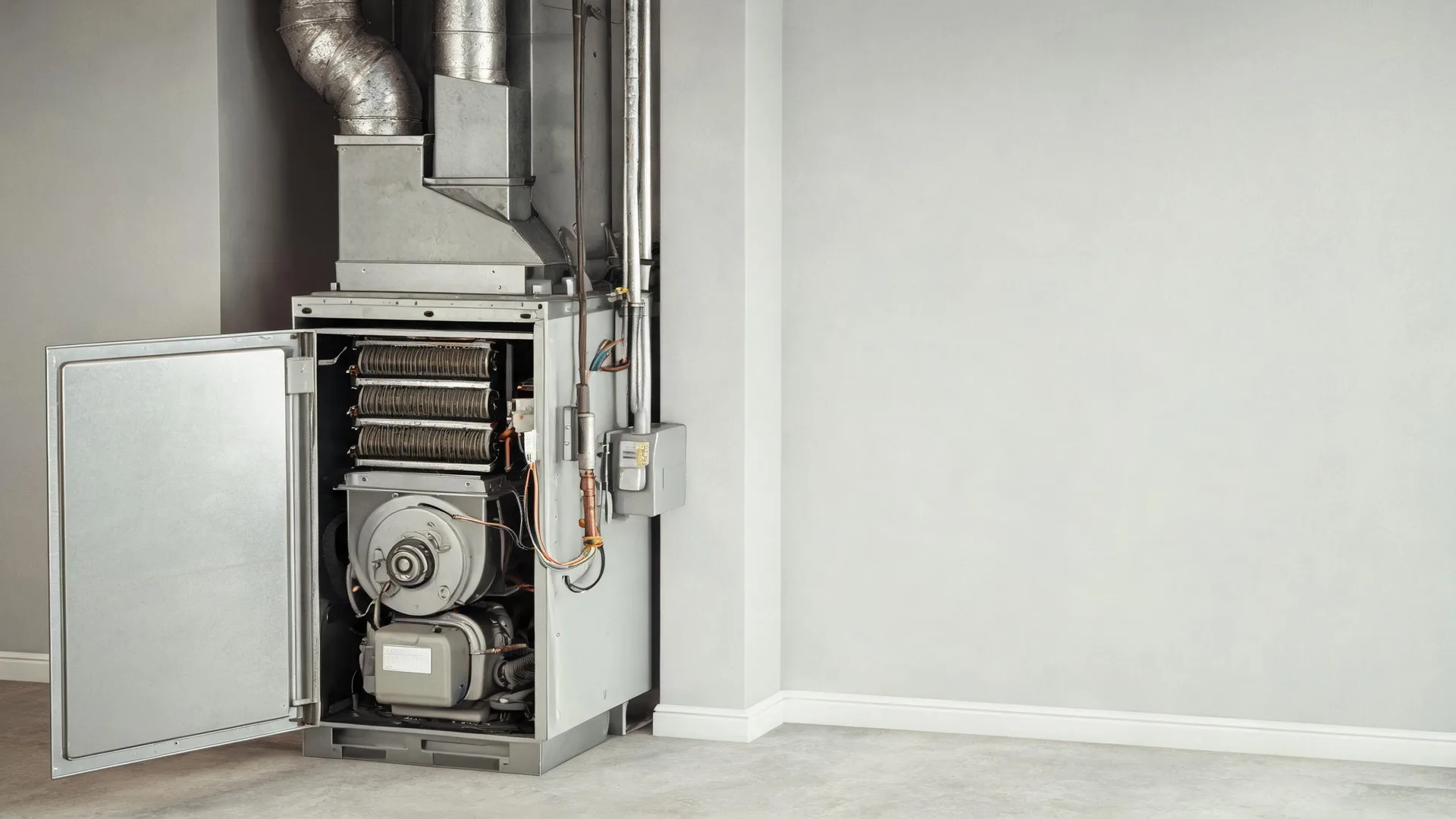
A gray gas furnace with attached ductwork and piping installed in an unfinished concrete basement.

It's not hours that wear a furnace out. It's cycles.

Most furnace failures trace back to a handful of parts, and all of them wear by cycling, not by running long hours. The igniter heats up and cools down every time the furnace fires, and that repeated stress is what eventually cracks it. The flame sensor coats with a thin layer of oxidation over many cycles until it can't detect the flame anymore and shuts the system down as a safety measure. The blower motor wears through its bearings over years of starting and stopping. Limit switches and pressure switches fail when dust or a cracked gasket feeds them a false reading. A furnace that sits idle most of the year still goes through all of this every time it turns on, so the number of months it runs matters less than the number of times it's cycled on and off. None of these are failures of the whole system. They're single parts reaching the end of what they're built for, and most can be replaced without touching anything else inside the unit.

What you can check yourself

Look at the thermostat first. Make sure it's set to heat and the setting is above room temperature, and check the batteries if it uses them. Check the breaker and any switch that looks like a light switch near the furnace or at the top of the basement stairs. That switch controls power to the unit and gets bumped off more often than people expect. If you have a gas furnace, make sure the gas valve is open and that any other gas appliance in the house is working. Check the air filter too. A filter packed with dust chokes airflow and can trip the limit switch, which shuts the furnace down before it overheats.
What tells you to stop and call

A furnace that clicks repeatedly but won't light, or lights and then shuts off again, needs a tech, not another attempt. Repeated ignition attempts can be the igniter failing or the flame sensor no longer reading the flame. Any smell of gas means you turn off the gas valve and call from outside, not troubleshoot further. Soot around the access panel, a yellow flame instead of blue, or a burning smell that doesn't fade after the first few minutes of running are signs of a combustion problem, and those are not safe to leave alone or keep testing yourself.

A furnace that's failing doesn't fail cleanly. It gives you a warning first, and what happens if you ignore that warning depends on the part. A cracked heat exchanger starts small, but running the furnace keeps flexing that crack with every heat cycle until it's worse than it started. A flame sensor coated in oxidation makes the furnace shut off as a safety response, and forcing it to keep trying just means more failed ignition attempts, not a fix. A dirty filter chokes airflow, and a furnace pushing against that restriction runs its blower and heat exchanger hotter than they're built for. Some problems do stay put if you leave them alone. But the ones tied to heat, gas or airflow tend to move only one direction, and that's why a tech should see it before you run the furnace again, not after.

A tech starts by asking what the furnace was doing before it quit, since that narrows down which parts to check first. Power and thermostat get checked before the panel ever comes off. Then it's gas supply, then watching an actual ignition attempt happen, because seeing it fail live tells you more than any test after the fact. A meter goes on the igniter or the flame sensor. The pressure switch tubing gets looked at. The flue gets checked for blockage. Each part gets ruled in or out on its own, not guessed at. Once the bad part turns up, the furnace usually gets run again to confirm that was the actual problem before anything gets closed back up.