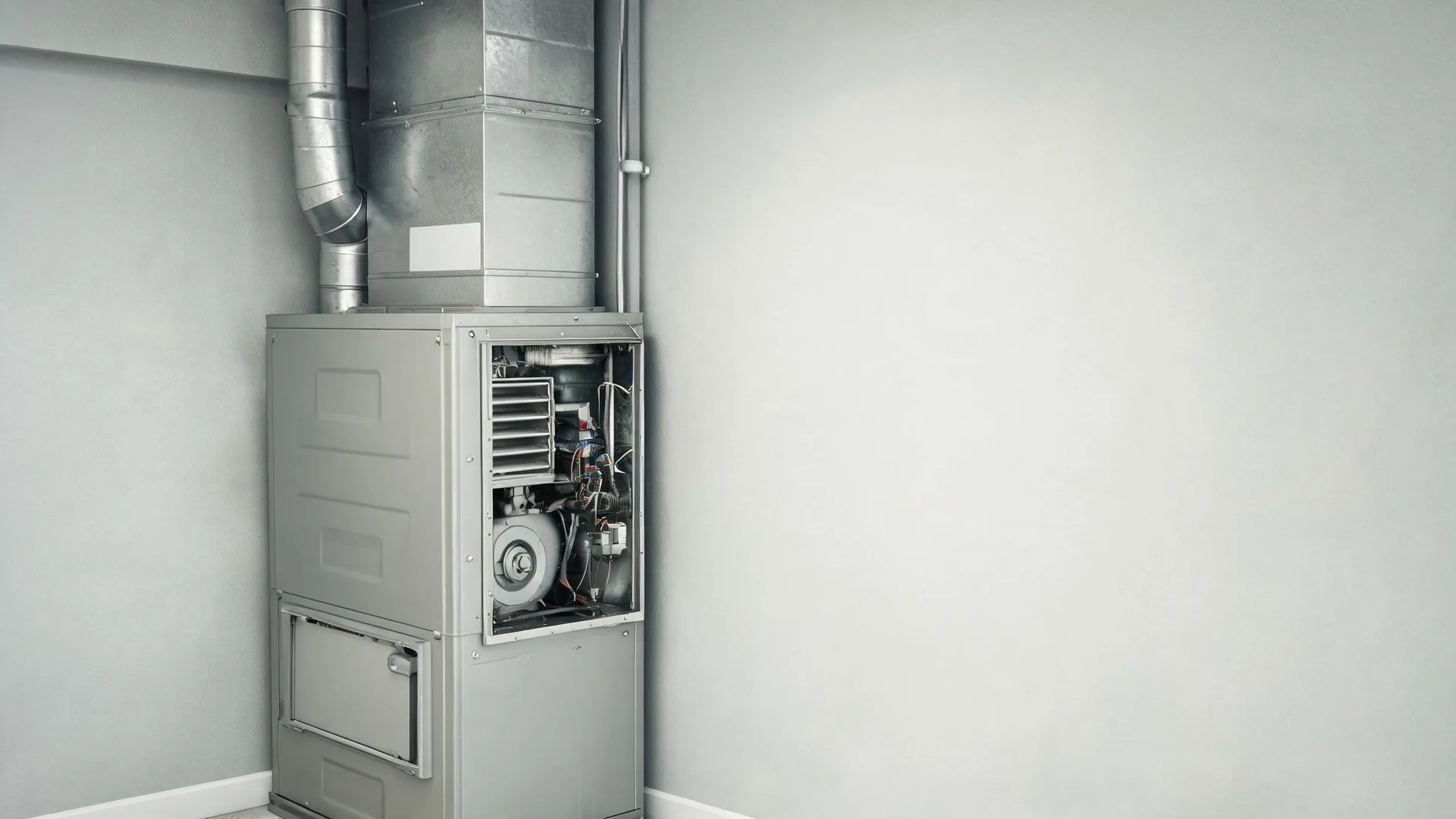
October is when to catch problems early
Furnaces here sit idle from April through October, then start running again in November. That first cold snap puts load on parts that haven't worked in months, and anything weak tends to show up fast.
Takes about a minute. No obligation.
Furnaces here sit idle from April through October, then start running again in November. That first cold snap puts load on parts that haven't worked in months, and anything weak tends to show up fast.
If your furnace quit soon after you turned it on this November, something was already wearing out before the load hit it. Finding that cause matters more than just getting the heat back on for now.
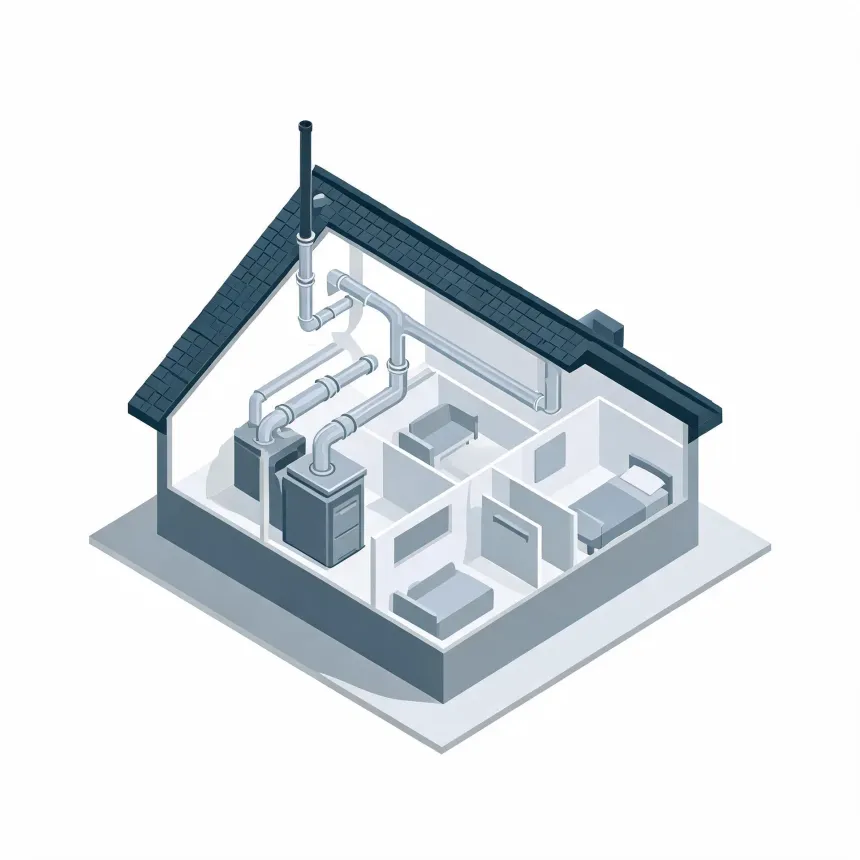
NOAA nClimDiv, 1991–2020 normals
Furnaces in Lordsburg run about six months a year, November through April.
A furnace with six months off a year isn't worn out at this age, so most repairs are worth making.



Problems tend to show up in the first weeks of the season, when the load hits a part that was already weak.
Find a contractorBefore you pick up the phone, check the thermostat is set to heat and the setting is above room temperature. Then look at the filter. A filter clogged with dust chokes airflow, and some furnaces shut themselves down rather than run with one that's blocked. Check the breaker it runs on, and if the furnace has a standing pilot, check whether it's lit. Look at the vent hood outside and make sure nothing is covering it, no leaves, no snow, nothing nested in it. If there's a switch that looks like a light switch near the unit or at the top of the basement stairs, make sure it hasn't been bumped off. None of this is diagnosis. It just rules out the causes anyone can fix without a tech.
Short cycling is one of the clearest signs, the furnace firing up, running a few minutes, then quitting before the house warms. So is air coming out lukewarm instead of hot, or the blower running without any heat behind it. A furnace that used to kick on quietly and now bangs, rattles or squeals when it starts is telling you a part is failing, not just getting old.
Short cycling usually points to a flame sensor losing its read on the flame, or airflow restricted enough that the furnace trips a safety switch. A blower running cold means the igniter or gas valve likely isn't doing its job. Noise means something is loose, worn, or rubbing that wasn't built to. A furnace showing any of this now is not going to fix itself with time. The part struggling today is the part that fails outright later, usually on the coldest night it picks.
A flame sensor that's lost its read on the flame doesn't just cause short cycling once. Every cycle it misreads, the furnace shuts the gas valve down as a safety measure, and every restart puts more wear on the igniter. An igniter wasn't built for that many extra cycles a day, so it fails sooner than it would have otherwise. The same goes for a blower forced to push air through a clogged filter. The motor works harder to move the same air, runs hotter than it should, and that heat shortens its life. Left alone, a cracked heat exchanger gets worse under heat too, since the metal keeps expanding and contracting around the weak spot every time the furnace fires. None of these fix themselves by running more. They fail on their own schedule, and running the furnace through them just moves that schedule up.
Most furnace repairs are simple because most furnace failures are simple. An igniter burns out, a flame sensor gets a film on it, a capacitor weakens. Those parts fail on their own, one at a time, and swapping the one that failed brings the furnace back to where it was. Replacement makes more sense when the failures stop being simple, when the part that's gone is the heat exchanger or the part that's failing is the control board for the second or third time. Those aren't wear items. They're signs the furnace itself is working against you now, not just one piece of it. A tech who's inside the unit can tell you which kind of problem you've got, because the heat exchanger and the board look different failing than an igniter does burning out.