Seven months of real work
A furnace in Tucumcari runs from October through April. Overnight lows average 25°F through December, January and February. That is a normal winter workload for a furnace, not an extreme one.
Takes about a minute. No obligation.
A furnace in Tucumcari runs from October through April. Overnight lows average 25°F through December, January and February. That is a normal winter workload for a furnace, not an extreme one.
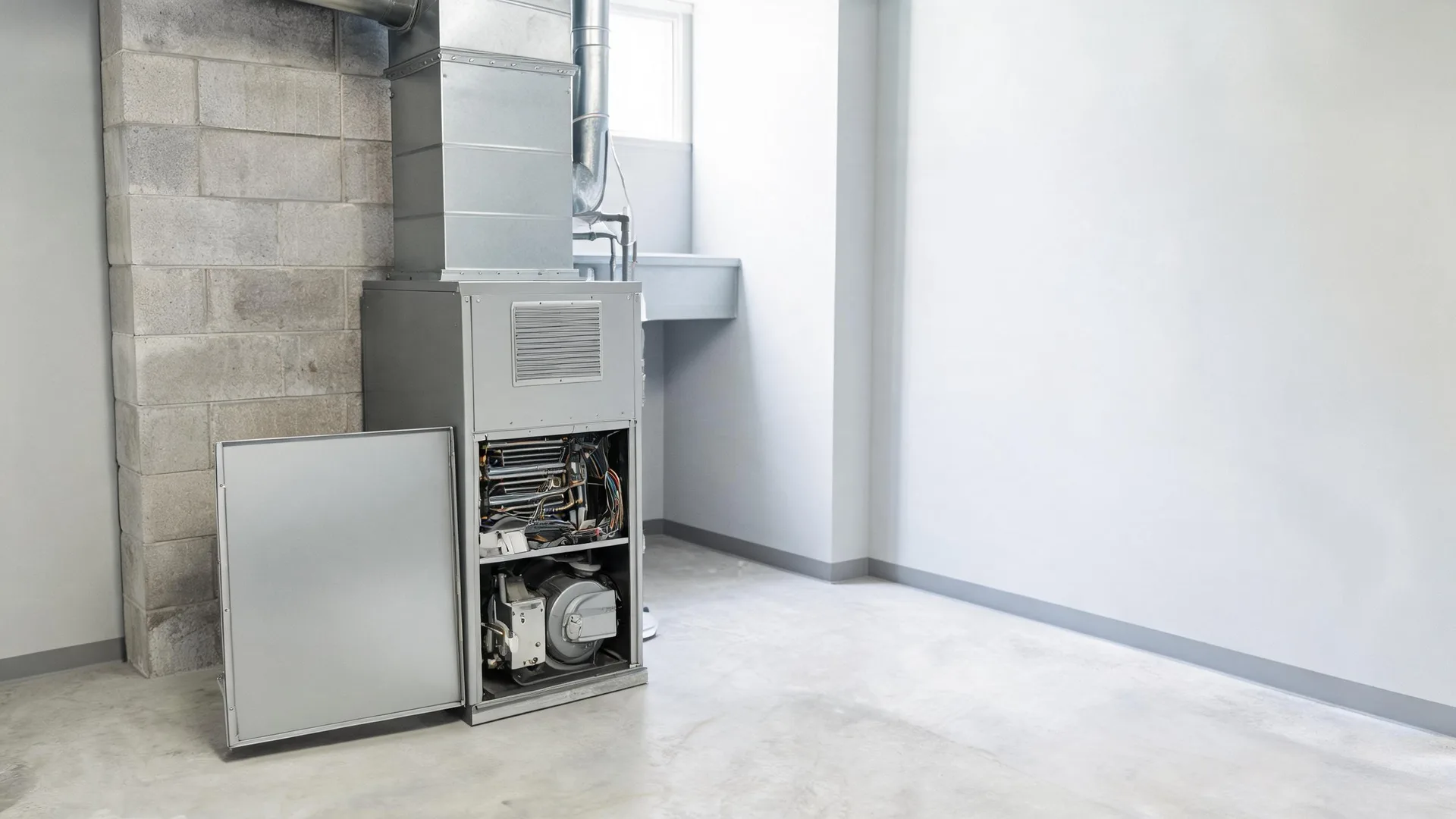
When a furnace here acts up, it's usually something a tech sees all the time. A failed igniter. A dirty flame sensor. A clogged filter choking airflow. Finding which one it is settles the repair.
NOAA nClimDiv, 1991–2020 normals
September is the last quiet month before your furnace takes on seven straight months of work.
A weak igniter or a dirty flame sensor usually waits for that first real cold snap to fail.


Before a tech opens up the cabinet, ask how old the furnace is. Half the houses in Quay County went up in 1966 or earlier, and a lot of those still run whatever furnace came with them or replaced the first one decades back. An old furnace can still be repaired. Often it's just an igniter or a flame sensor, same as any other furnace. But if yours is old enough that nobody's sure how long it's been running, a repair call is the time to ask the tech straight out what shape the rest of it is in. A cracked heat exchanger or a dying blower motor is a different conversation than a sensor. Better to know which one you're having before the tech starts, not after.
Nothing about this area is especially hard on it. It's most likely the usual problem with the usual fix.
Find a contractor
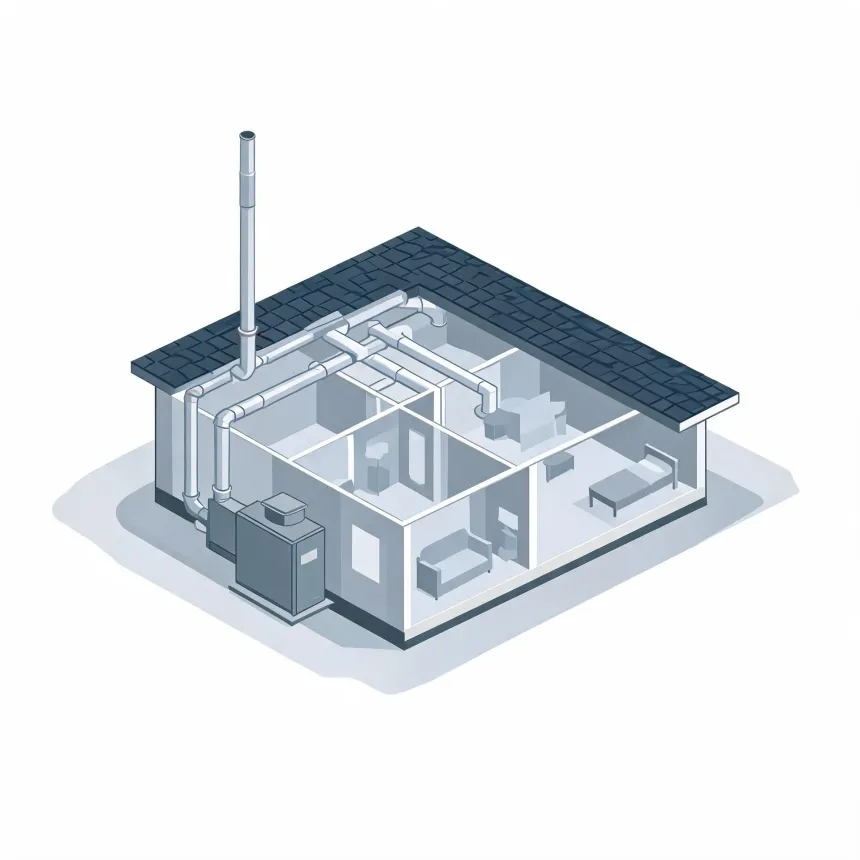
A few things are worth looking at before a tech shows up. Start with the thermostat. Make sure it's set to heat, not cool, and that the set temperature is above room temperature. If it runs on batteries, swap them. Next, pull the filter and hold it up to a light. If you can't see light through it, that's choking airflow, and a starved furnace can shut itself down or run weak. Walk the house and check that no vents or registers are closed off or blocked by furniture or rugs. Find the furnace switch, it looks like a regular light switch, usually mounted near the unit, and make sure it hasn't been bumped off. Check the breaker too. A tripped breaker stops a furnace cold with no warning at all. If the furnace has a standing pilot, see whether it's lit. Most units have the relight steps printed right on the cabinet. If none of that explains what's happening, that's where to stop. Opening the cabinet, testing the igniter, checking gas pressure, that's work for someone with the right tools and training.
An igniter wears out and stops glowing hot enough to light the gas. A flame sensor gets a film of residue on it and can no longer tell the control board a flame is there. A blower motor's bearings wear down over years of running. These fail one at a time, on their own schedule, not all at once.
A furnace sits idle most of the year, then gets asked to run for hours at a stretch once cold weather sets in. Parts that were already close to failing, a cracked igniter, a sensor coated in buildup, tend to give out under that steady workload instead of while the furnace was resting.
Most furnace trouble announces itself before the furnace quits outright. Short cycling is one, the furnace fires up, runs a few minutes, shuts off, then starts the whole thing again. That usually means it's overheating and tripping a safety switch, often from a dirty filter or a cracked heat exchanger. A furnace that won't stop running, meanwhile, points to a stuck relay or a thermostat that's lost track of the room temperature. Listen for the sounds too. A bang at startup usually means gas is pooling before it lights. A screech or grind from the blower is a motor bearing wearing out. Cold air coming out of the vents when the furnace is running at all means the igniter never lit the burners, or the gas valve didn't open. Any of these is worth a call before it turns into a furnace that won't start at all.
A diagnostic visit starts before the cabinet ever comes off. The tech will ask when the trouble started, whether it comes and goes or stays constant, and what the thermostat is set to. Then the cover comes off and the testing starts. That usually means a multimeter on the igniter to check it's getting power and holding up under load, a look at the flame sensor for buildup, and a check of the gas pressure feeding the burners. The blower gets a look too, listening for bearing noise and checking the wheel isn't caked with dust. Safety switches get tested last, since a furnace that trips one is often protecting itself from something else going wrong. A tech who's seen the same failures for years can often narrow it down before the meter ever comes out, then confirms it with the test.