Heat Pump Installation in New Mexico
Electricity costs homes less in New Mexico than in 29 of the other 49 states.
Tell us about the job
Takes about a minute. No obligation.
- 23°Fwinter overnight low where people live
- 7 monthsof heat, October through April
- 88°Fsummer afternoon high where people live
- 4 monthsof cooling, June through September
Electricity here costs less than in most states so a pricier high-efficiency heat pump pays back slower
- Southern counties need about two and a half times as much cooling than northern ones
- Winter nights average 23°F where people live
- Summer afternoons average 88°F where people live
- Heat runs October through April
- Cooling runs June through September
- 581 winter storms from 2015 to 2024
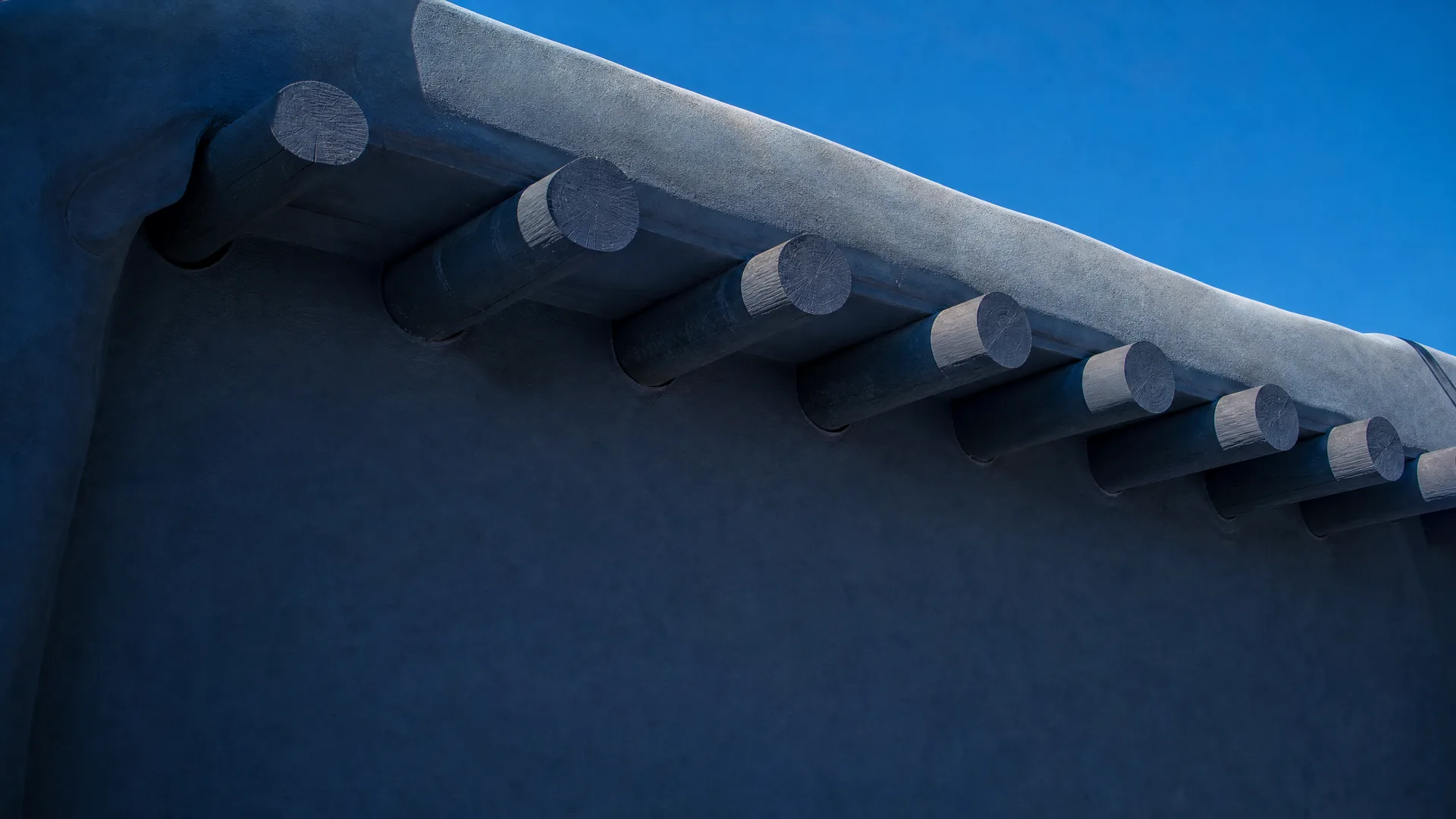
Half of New Mexico's homes were built in 1985 or earlier
Gas heats most homes in New Mexico, 61.7 percent, and electricity comes in well behind at 23.3 percent. That split is why a lot of the systems installed here are furnaces, not heat pumps. A heat pump replaces that setup entirely, heating and cooling through the same unit instead of a furnace and a separate AC.
Bottled or LP gas heats another 6.8 percent of homes here, mostly where utility gas lines don't reach. A heat pump works the same regardless of what it's replacing, since it runs on electricity alone. That makes it an option even for a house that's never had gas service at all.
Heat runs seven months here, cooling four, so install before September or May
Heat here runs October through April, seven months of the year. Cooling runs June through September, four months. A heat pump covers both from the same unit, so the months that matter most for scheduling installation are September and May, the ones right before each season starts. Put it in before September and it's ready the day heat season starts, no space heaters or waiting. Put it in before May and it's handling the summer load from day one.
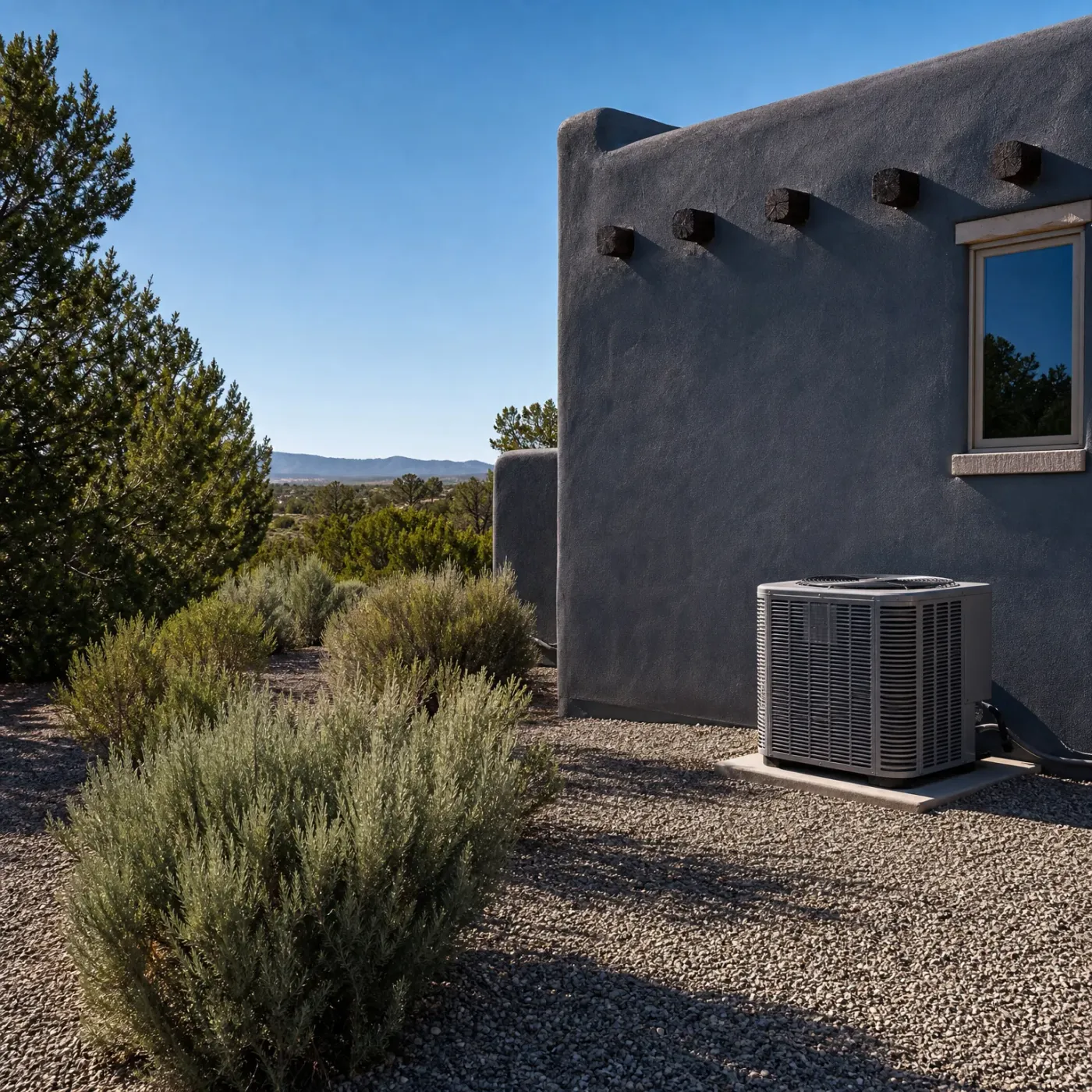
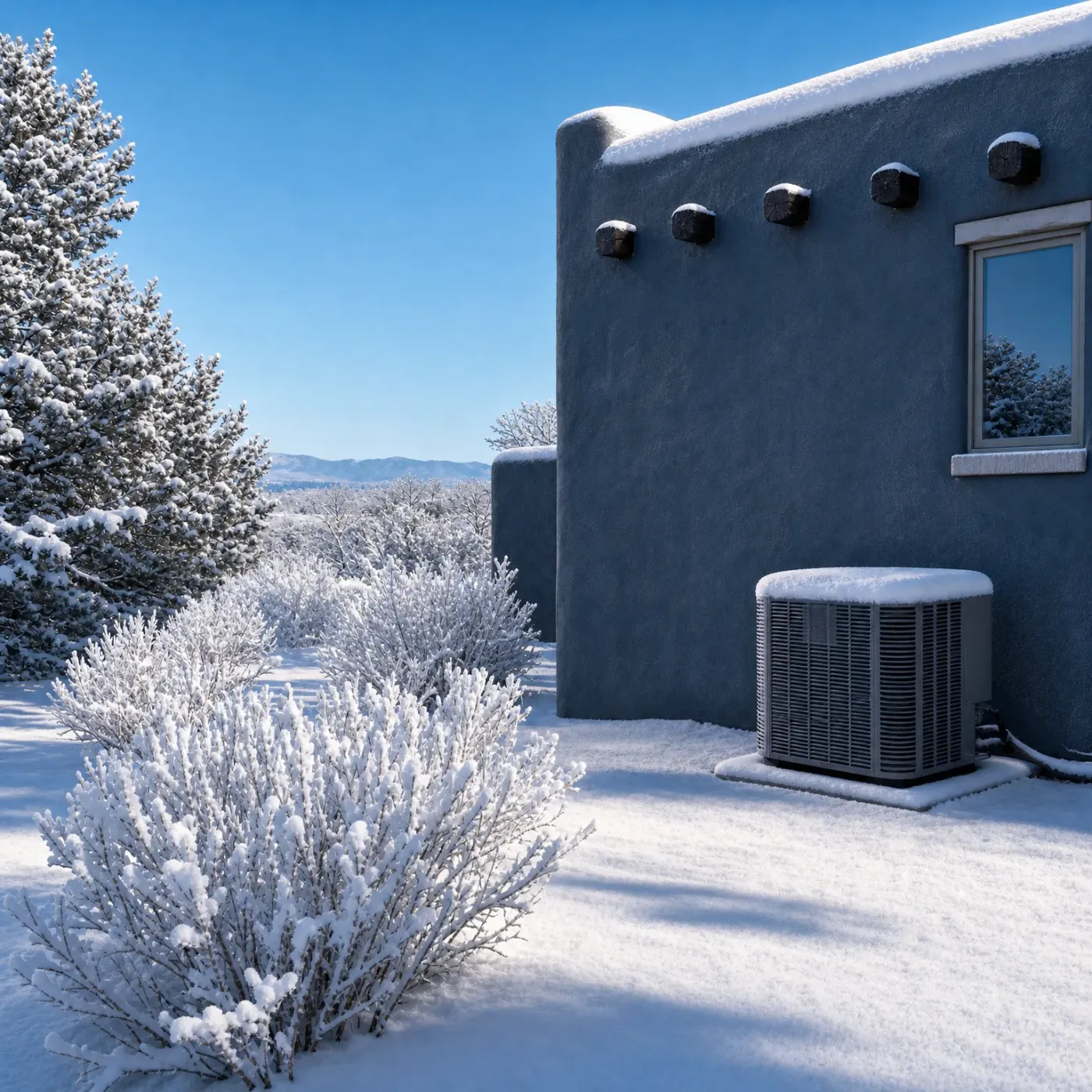
4 months of cooling, June through September
7 months of heat, October through April
What does a heat pump in New Mexico face?
How hot do summer afternoons get?
88°Faverage afternoon high where people live
Alaska66°F
Arizona101°F
How cold do winter nights get?
23°Faverage overnight low where people live
North Dakota4°F
Hawaii65°F
How many months does the heat run?
7 monthsof heating a year
Hawaii0 months
Alaska12 months
What does electricity cost?
14.20¢per kWh (kilowatt hours, the unit on an electric bill), what homes paid in 2024
North Dakota11.51¢
Hawaii42.86¢
How often do storms hit?
244severe weather events per county from 2015 to 2024
Alaska5
Wyoming1,057
How many homes lost power for a day or more?
13%of homes in 2024
Arizona7%
Maine54%
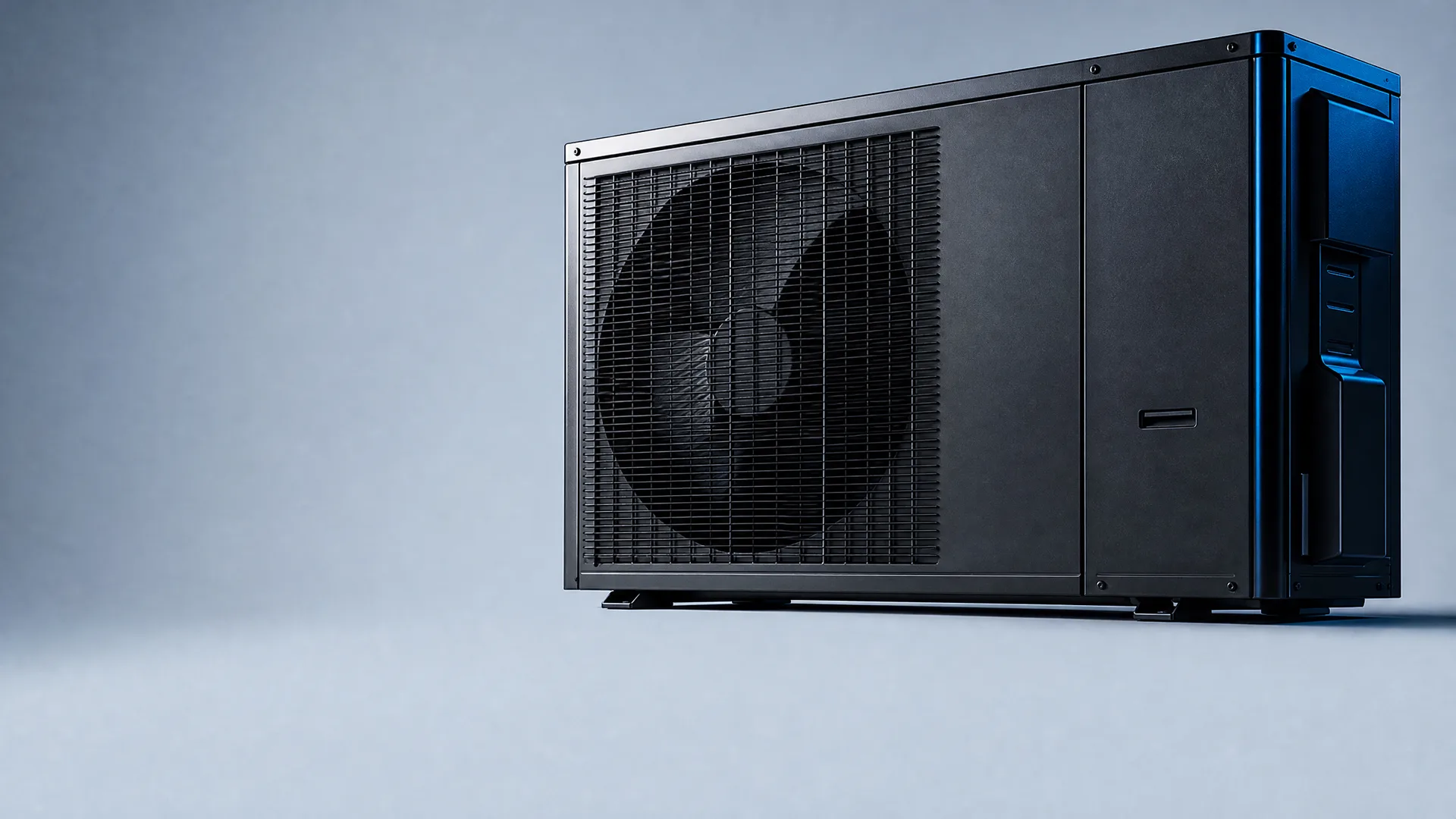
Sized for the house, not for anything unusual about the state
A standard heat pump, sized to the house, covers both seasons here. Winter nights average 23°F, which puts New Mexico in the middle of the pack for cold, colder than some states and milder than others. Summers bring four months of cooling, nothing unusual either. Nothing about these numbers calls for oversized equipment or a backup heat source built in for insurance. The sizing that works is the sizing a contractor would use anywhere with a similar house and a similar climate.
What actually drives the cost of putting one in
A few things drive the cost of putting in a heat pump, and most of them have nothing to do with the unit itself. House size matters most. A bigger space needs a bigger system to move the same amount of heat. Ductwork is the other big factor. If the ducts are already in good shape and sized right, the heat pump ties into them and the job is straightforward. If they're leaky, undersized, or missing, that work can outweigh the cost of the equipment. A house that's never had central air or a furnace may need ducts built from scratch, which is a different job than swapping one unit for another. The electrical panel plays a part too, since a heat pump runs on electricity alone and some panels need an upgrade to take on that load. Where the outdoor unit sits and how far the line set has to run to the indoor coil adds labor either way. And a standard single-stage heat pump costs less to install than a variable-speed one, though the variable-speed system runs quieter and holds a steadier temperature. None of this is specific to one house. It's the same set of questions a contractor works through on any installation, anywhere.
Storms here don't change how you size it
New Mexico sees more severe weather than most states, and most of it is wind and hail rather than the ice storms that would argue for backup heat. None of that changes what a heat pump needs to run. It's an electric system, so a power outage stops it the same way it would stop a furnace's blower. Fewer households here lose power for a day or more than in most other states, which is a case for a generator if outages worry you, not for oversizing the unit or adding equipment it doesn't need. The standard sizing and efficiency a contractor would use in any state with a similar house and climate is the right call here too.
Most homes here heat with gas, so a heat pump means replacing the whole setup, not just one unit.
Tell us about the job
Takes about a minute. No obligation.
Fill out the form and a licensed contractor will look at the house and work out what the job needs.