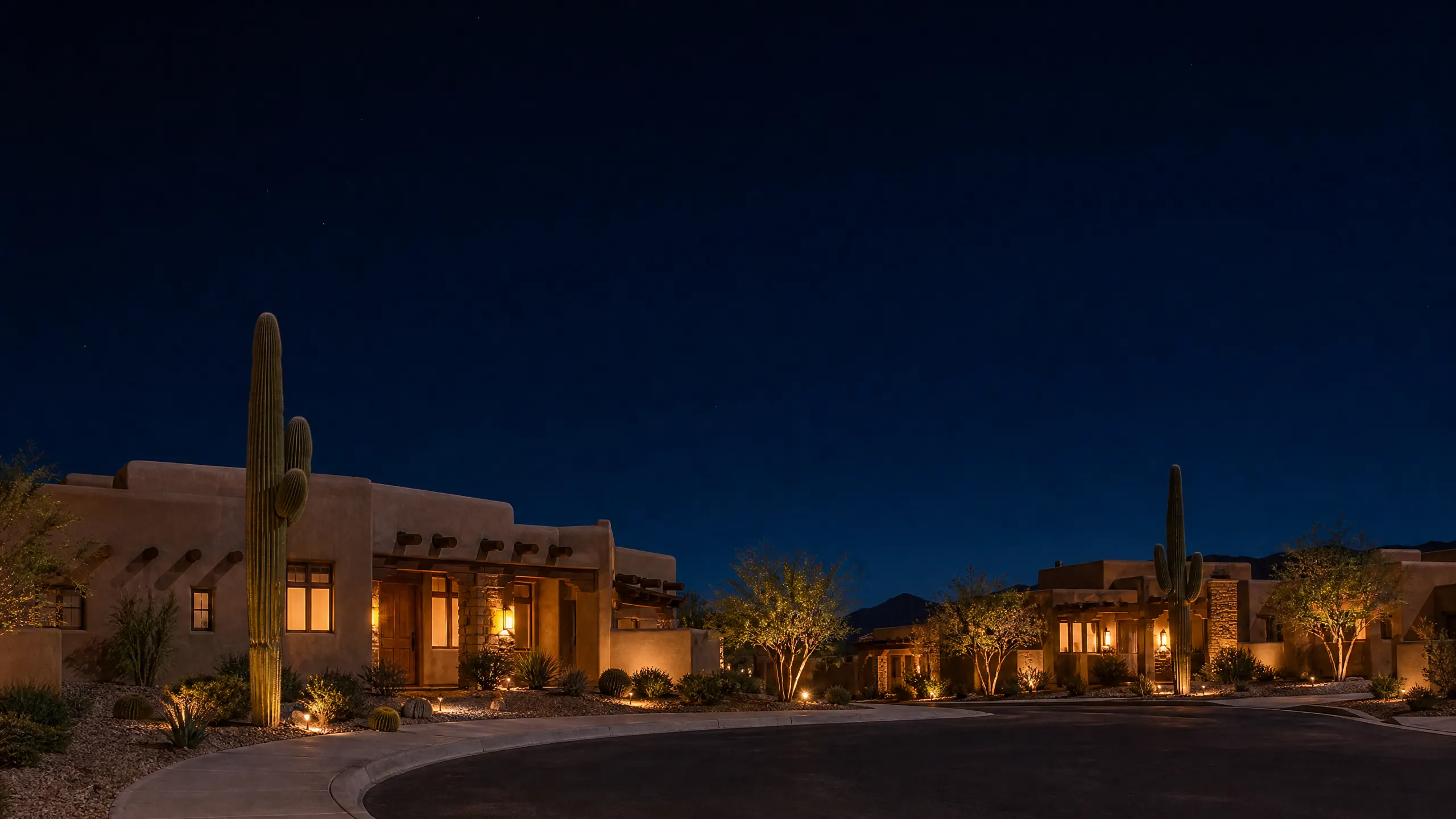


Two illuminated adobe-style desert homes at night, surrounded by saguaro cacti and low desert shrubs along a curved driveway.

Furnace Repair in Santa Fe, NM

Tell us about the job

Takes about a minute. No obligation.

RepairFurnace or heatingSanta Fe County, NM
Step 1 of 2

What ZIP code is the job in?

A furnace that's starting to fail usually tells you before it quits outright. Listen for a boom at startup, that's delayed ignition, and it means the burner is waiting too long to catch. Short cycling, where it fires up and shuts off again before the room ever warms, points to a dirty flame sensor or a clogged filter choking airflow. If the blower runs but the air coming out is barely warm, the igniter or the gas valve may be on its way out. A furnace that smells like scorched dust the first few times it runs each season is normal. A burning smell that lingers, or anything like rotten eggs, is not, and that one means shut it off and get someone out. Rattling or a high-pitched squeal from the cabinet usually means a part has worked loose or a motor bearing is going.

8 months
October through May, your furnace is on duty
20°F
the average winter night it heats against
66%
of homes here heat with gas, so most furnaces here burn gas
134 winter storms
in ten years, the nights a failure hurts most
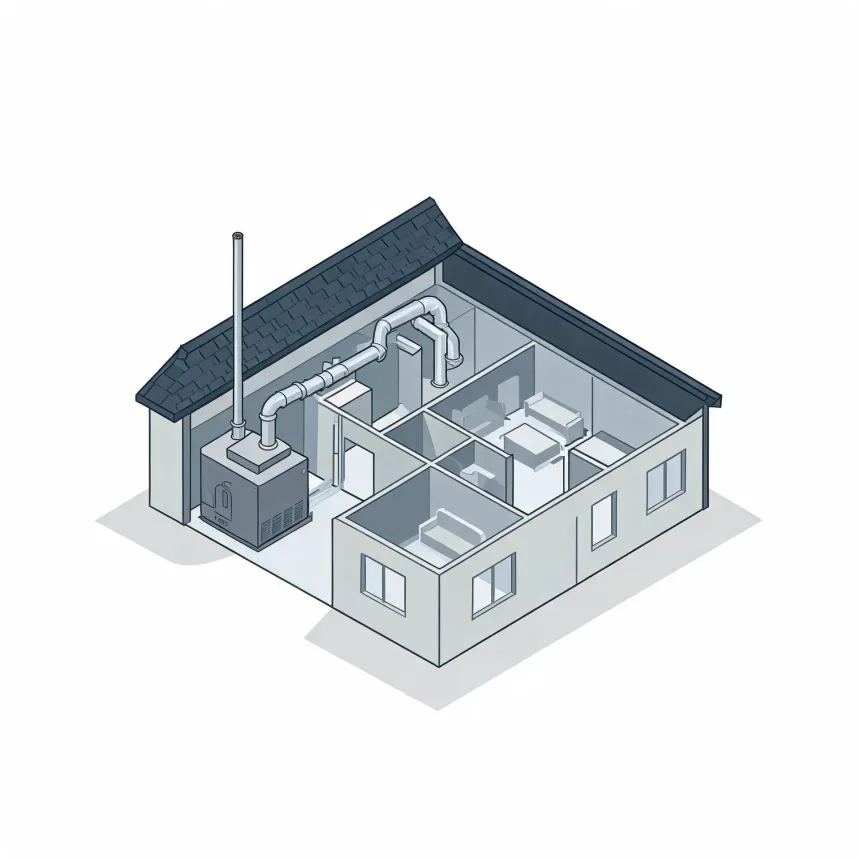
Isometric grayscale illustration of a cutaway single-story house showing interior rooms with furniture, plus an exterior furnace unit with a tall flue pipe and ducting running into the attic space.
Your furnace works hardest from November through March.

NOAA nClimDiv, 1991–2020 normals

A cracked heat exchanger gets worse every hour the furnace keeps firing.

Shut it down and get it looked at before the next cycle, not after.

Half these furnaces are still well inside their working life

Half the homes here were built by 1989
Climate zone 5B
Heat runs October through May

September is worth a look before anything turns on. Homes here start running heat in October, and whatever was weak in May tends to announce itself in the first hard cycles. A furnace that limped through last season on a tired igniter or a dirty flame sensor will push through eight months straight once it starts, October to May, and it won't get a break to recover. If a repair already happened once this past winter, that part is worth checking again before the season restarts rather than after it fails on a cold morning.

A furnace working this hard needs the real problem found, not a quick patch

Furnaces here run eight months straight, October through May, with overnight lows averaging 20°F in December and January. That's a long stretch for an igniter or a flame sensor that's already struggling, and winter storms in Santa Fe County don't give a weak furnace any downtime to recover. Have the actual cause found and fixed, not just patched over.

Find a contractor
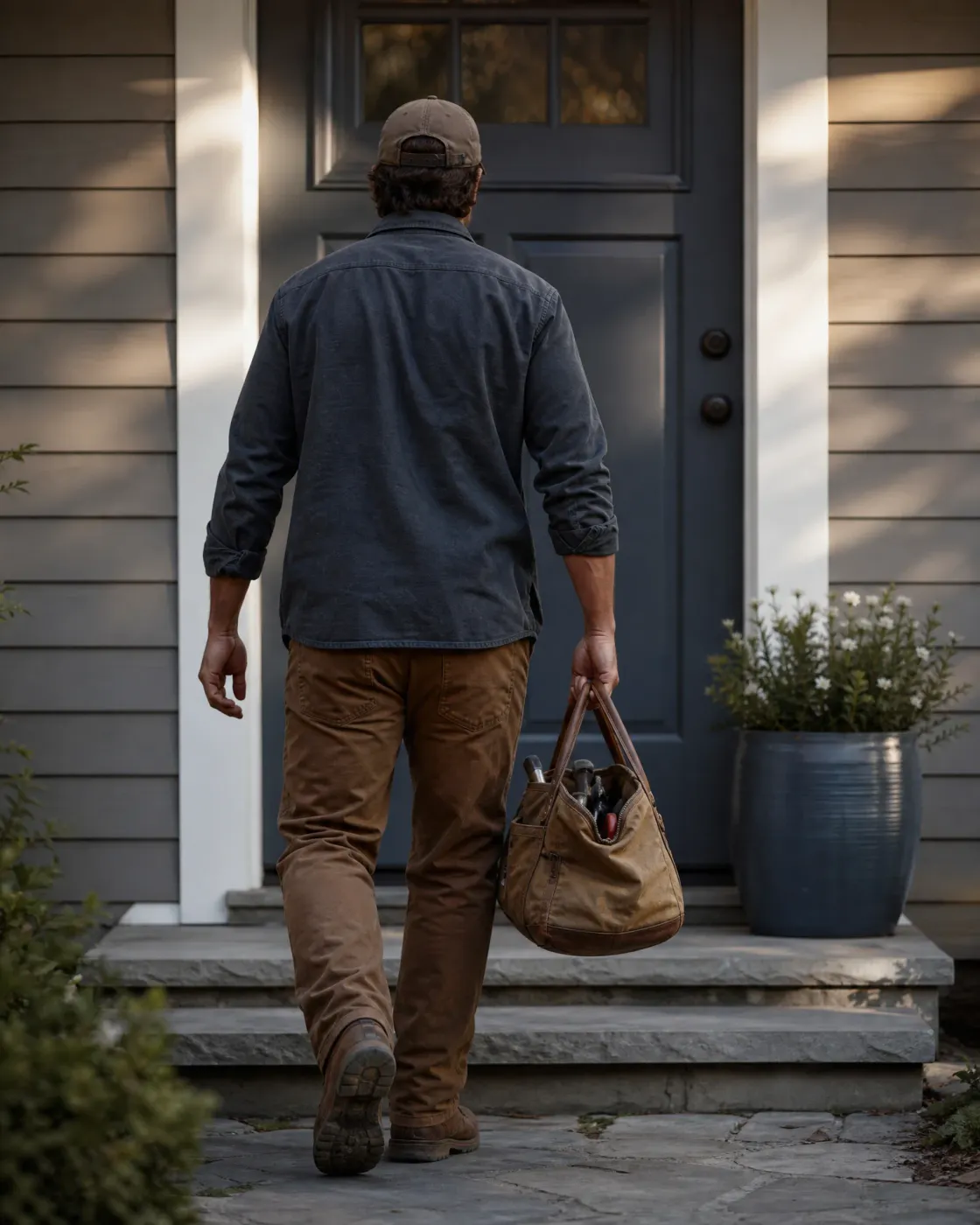
A man in a cap, dark shirt and brown work pants walks up stone steps toward a gray front door, carrying a canvas tool bag in his right hand, with a potted plant beside the porch.
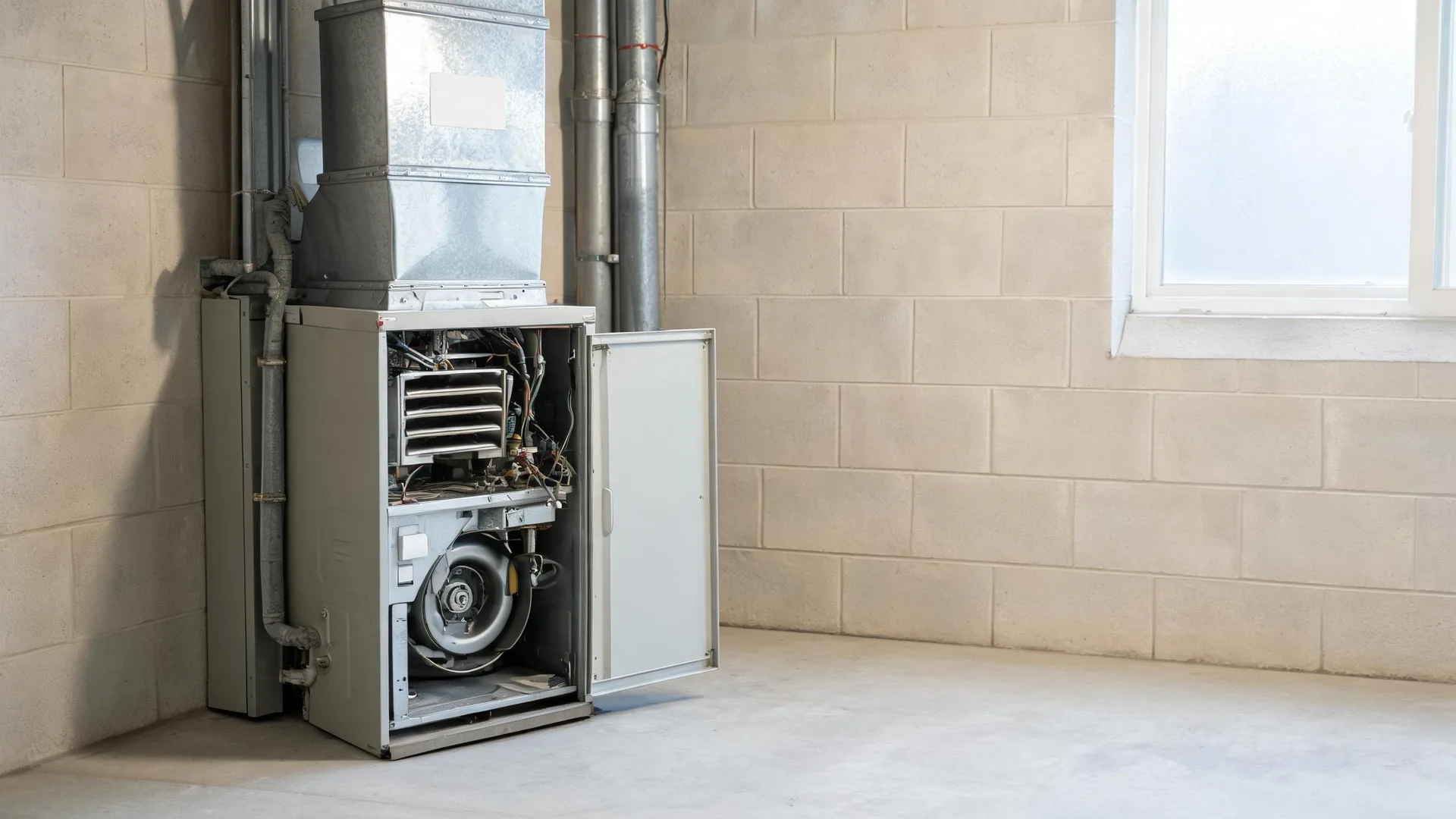
A gray residential gas furnace installed in an unfinished basement, surrounded by ductwork, a metal flue pipe, and a gas supply line.

Most of these furnaces have years left in them

If your furnace came with the house and the house is newer, repair is the right call here, not replacement. A cracked heat exchanger or a failed control board is worth checking against the unit's age before anyone talks you into a new system. Parts on a furnace still within its working life are usually worth fixing, and fixing is faster than a full install when the weather's already turned cold.

Most failures start with neglect, not age

A filter left in too long chokes airflow until the blower strains and the heat exchanger overheats. Dust buildup on the flame sensor fools it into thinking the burner isn't lit, so the furnace shuts itself down as a safety measure. Both are maintenance problems, not signs the unit is worn out, and both get worse the longer they run unchecked.

Ignition parts wear out from doing their job

An igniter heats up and cools down every single cycle, and that repeated stress is what eventually cracks it. A gas valve or inducer motor fails the same way, from years of normal use rather than any one event. When one of these goes, the furnace won't run at all until it's replaced, but the rest of the system is usually fine.

A bare concrete basement containing a gray gas furnace with metal ductwork and a vertical flue pipe, lit by a single hanging bulb.

A new furnace would cut about $80 a year off heating for a typical Santa Fe County home.

  • A new high-efficiency furnace$350 a year
  • An older furnace$430 a year

Estimates for a typical Santa Fe County home, compared with an older unit built to the previous federal minimum, from EIA household energy data, New Mexico fuel prices and NOAA climate normals. Your home will differ.

Repair makes sense when one part has failed and the heat exchanger is sound.

Replacement makes sense when the heat exchanger is cracked or the furnace keeps needing parts.

A repair is worth doing when the failure is one part, not a pattern. An igniter, a flame sensor, a pressure switch, these fail on their own and fixing one doesn't tell you anything bad about the rest of the furnace. What changes the answer is seeing different things go wrong within the same season. That usually means the blower motor is pulling harder than it should, or the system was sized wrong from the start, and it's been stressing every part the same way. A cracked heat exchanger is its own category no matter what else is going on, because that's a safety problem, not a wear problem, and it ends the conversation about repair. Outside of that, age by itself isn't a reason to replace something that's still working. A furnace that's been maintained and is only now showing its first real failure has earned a repair, not a replacement.