

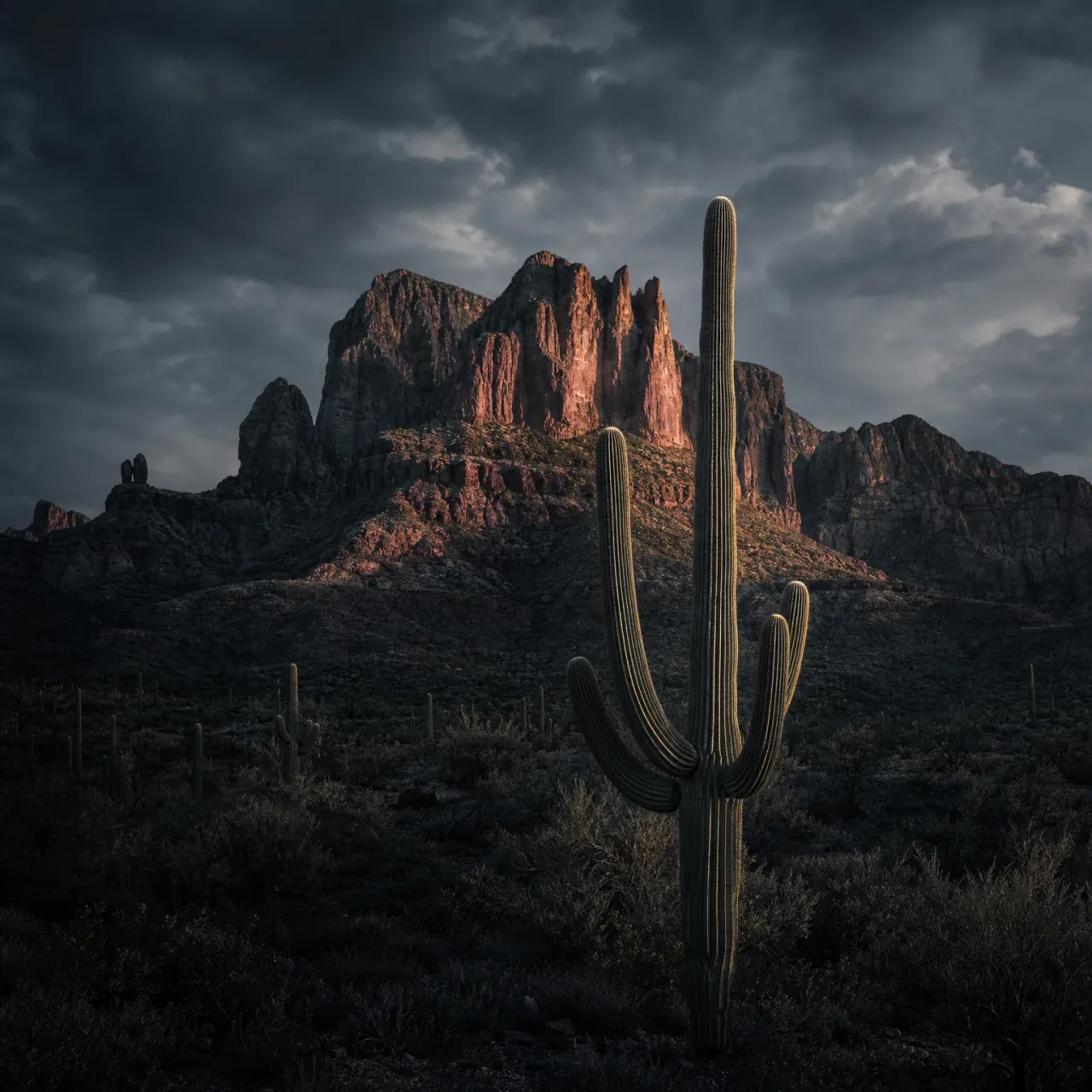


An unfinished basement featuring exposed ceiling joists, a metal HVAC unit with round ductwork, a hanging light bulb, and scattered boxes and debris along the left wall.

Furnace Repair in Los Lunas, NM

Tell us about the job

Takes about a minute. No obligation.

RepairFurnace or heatingValencia County, NM
Step 1 of 2

What ZIP code is the job in?

Furnaces in Los Lunas run from October through April, and overnight lows average 23°F through the heart of winter. That's a real workload, but it's nothing a furnace built for this climate can't handle night after night. When one starts short cycling, won't light, or blows cold air, the cause is usually ordinary. A clogged filter, a failing igniter, a flame sensor that needs cleaning. The cold doesn't create new problems, it just makes the existing one impossible to ignore, since a furnace that quits on a January night needs attention fast. Winter storms come through often enough here that a furnace already struggling is one worth getting looked at before the next one hits.

7 months
October through April, your furnace is on duty
23°F
the average winter night it heats against
68%
of homes here heat with gas, so most furnaces here burn gas
59 winter storms
in ten years, the nights a failure hurts most
Isometric line illustration of a cutaway single-story house with a shingled roof, showing an interior furnace connected to ductwork and a tall vertical flue pipe, plus simple furniture in the adjacent room.
Your furnace works hardest from November through March.

NOAA nClimDiv, 1991–2020 normals

Furnaces in Los Lunas start their season in October.

A part that was already weak tends to fail in October, once the furnace is running every night.

Valencia County's weather is ordinary, and so is what usually breaks

180 severe weather events from 2015 to 2024
13% of homes statewide lost power a day or more in 2024
107 damaging wind events from 2015 to 2024

Before calling anyone, check the thermostat is set to heat and the setting is above room temperature, not just on. Go to the furnace and look at the filter. If it's gray and packed with dust, swap it, a blocked filter starves the burner of air and shuts the whole thing down as a safety measure. Check that the switch on or near the furnace, the one that looks like a light switch, is flipped on. It controls power to the unit and gets bumped off more often than people expect. If the furnace has a pilot light, check whether it's lit. If it's gone out repeatedly, that's worth mentioning to whoever comes out. Last, check the breaker box for a tripped switch. None of this fixes an igniter or a bad flame sensor, but it rules out the simple stuff first.

Get the usual fix

Nothing about this area is especially hard on it. It's most likely the usual problem with the usual fix.

Find a contractor
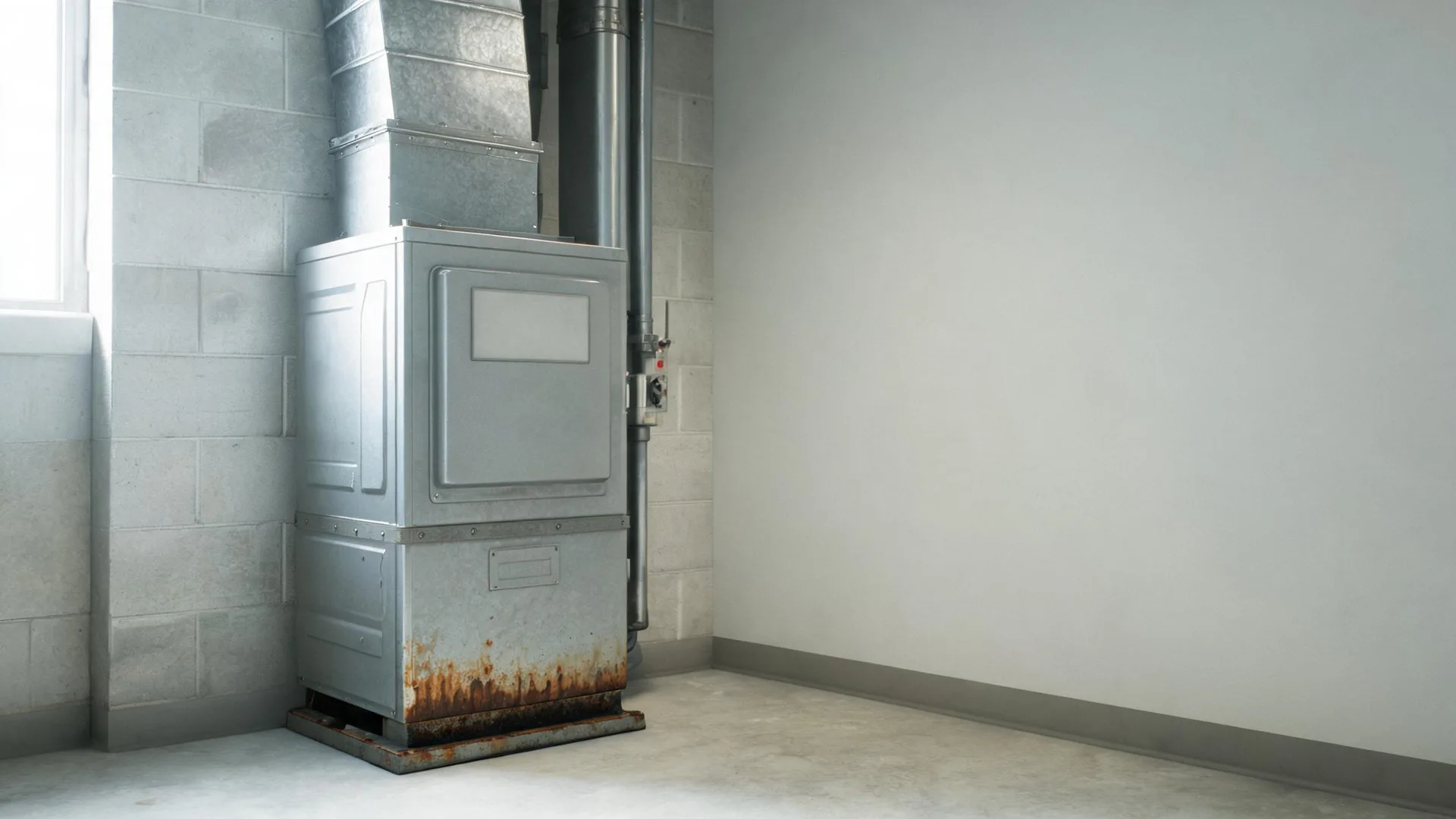
A gray residential gas furnace installed in an unfinished basement, surrounded by ductwork, a metal flue pipe, and a gas supply line.

When a repair is really a repair, and when it isn't

A furnace is a collection of parts with different lifespans, and that's the real question behind repair versus replacement. An igniter or flame sensor is a small, cheap part doing a specific job, and swapping it brings the whole furnace back to normal. A heat exchanger is a different story. It's the metal chamber that actually carries the flame, and it's not built to be opened up and fixed piece by piece. When a heat exchanger cracks, the furnace usually gets replaced rather than repaired. The other thing worth asking is how many separate repairs a furnace has needed recently. One failed part is a repair. A furnace that keeps bringing up new problems every season is telling you the parts around it are aging out together, not that it's been unlucky. Age by itself doesn't decide anything. A furnace that's been maintained, with clean burners and a clear filter history, holds up differently than one that's been run hard without much attention. The tech who opens the cabinet can tell you which kind of furnace is in front of them, and that's worth more than a guess based on how long it's been installed.

A cracked igniter doesn't stay a cracked igniter

An igniter with a hairline crack can still glow and still light the burner. Keep running the furnace and the crack spreads with every heat cycle until the igniter snaps clean through and the furnace won't light at all.

A dirty flame sensor ends in a shutdown either way

A flame sensor losing its signal will still let the furnace run for now. Left alone, the coating keeps building until the sensor can't detect a flame at all, and the furnace shuts itself off every time it tries to light.

An unfinished basement featuring concrete block walls, exposed floor joists, and a metal forced-air furnace with ductwork near a central pillar.

A new furnace would cut about $60 a year off heating for a typical Valencia County home.

  • A new high-efficiency furnace$260 a year
  • An older furnace$320 a year

Estimates for a typical Valencia County home, compared with an older unit built to the previous federal minimum, from EIA household energy data, New Mexico fuel prices and NOAA climate normals. Your home will differ.

Repair makes sense when one part has failed and the heat exchanger is sound.

Replacement makes sense when the heat exchanger is cracked or the furnace keeps needing parts.

A diagnostic visit starts with a few questions. What the furnace is doing, and when it started doing it. Short cycling, no heat at all, a smell on startup, these point in different directions, so that conversation narrows things down before any panel comes off. Next the tech opens the cabinet and looks over the igniter, the flame sensor, and the wiring for anything cracked, scorched, or loose. Power gets pulled and parts get tested directly rather than guessed at, since a weak igniter and a dirty flame sensor can look the same from the thermostat. The furnace usually gets run through a full cycle so the tech can watch it do whatever it's been doing. That's generally enough to land on the actual cause instead of a guess at one.