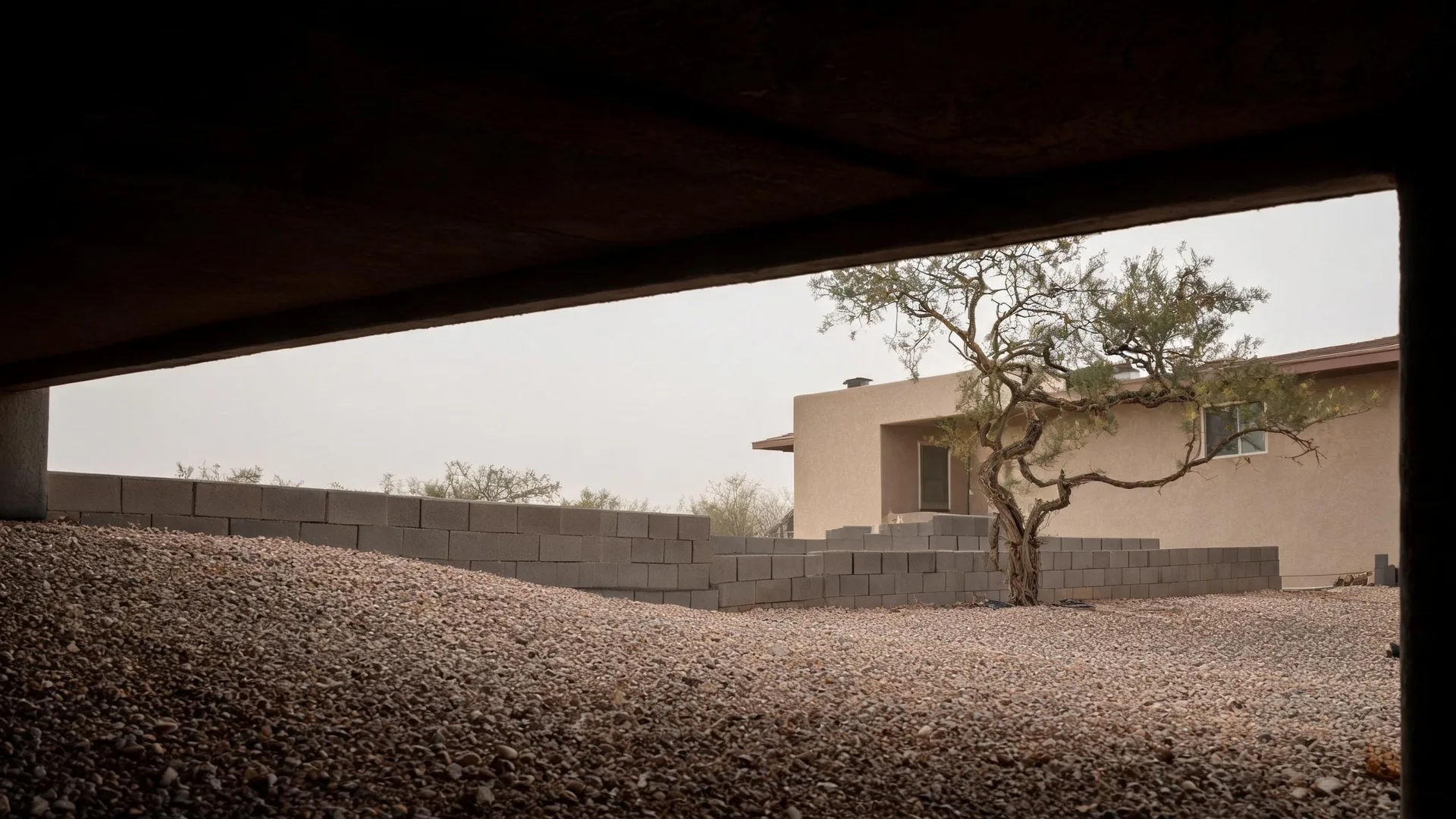




View from beneath a dark overhanging structure across a gravel yard toward a concrete block wall, a gnarled tree, and a single-story stucco house under a pale sky.

Furnace Repair in Silver City, NM

Tell us about the job

Takes about a minute. No obligation.

RepairFurnace or heatingGrant County, NM
Step 1 of 2

What ZIP code is the job in?

September is when it's worth getting a furnace looked at here, right before it has to work. Furnaces in Silver City run from October through April, about seven months straight. Whatever was already weak in a furnace, a cracked heat exchanger, a failing igniter, a limit switch that sticks, tends to show itself in those first cold weeks when the burner is finally asked to run long and often. Catching it in September means a repair instead of a no-heat call in October.

7 months
October through April, your furnace is on duty
27°F
the average winter night it heats against
11 winter storms
in ten years, the nights a failure hurts most
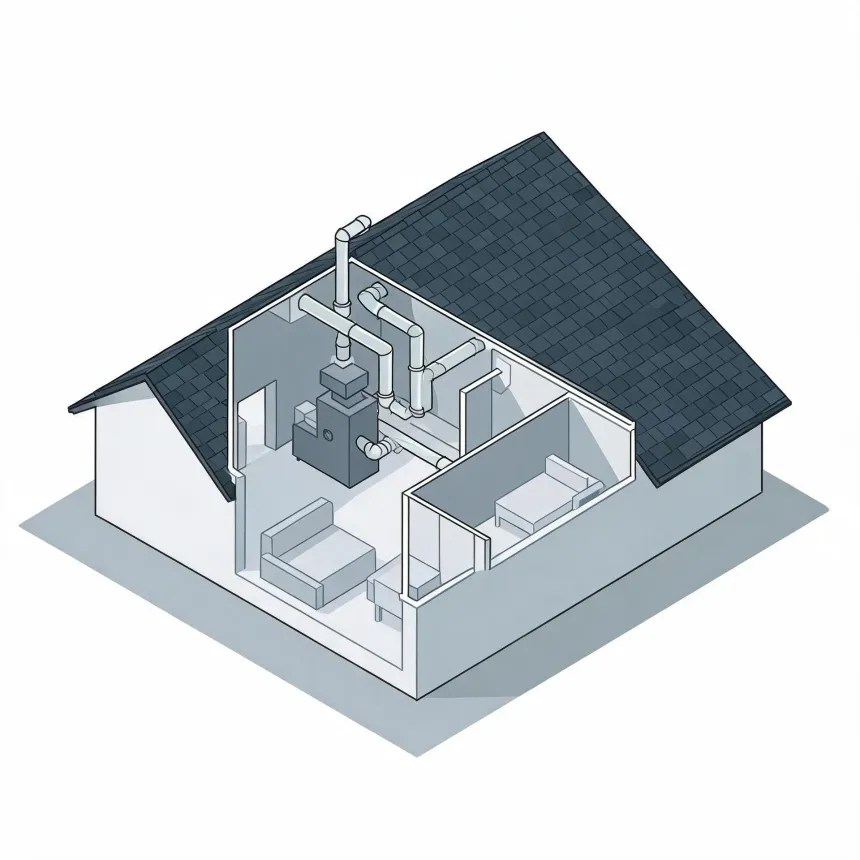
Isometric cutaway illustration of a single-story house with a dark shingled roof, showing interior rooms with furniture and a furnace connected to ductwork.
Your furnace works hardest from November through March.

NOAA nClimDiv, 1991–2020 normals

Furnaces here run from October through April, about seven months straight.

A furnace that limps through one winter in Silver City rarely makes it through two.

Half the furnaces in Grant County are as old as the house

Half the homes here were built by 1978
Heat runs October through April
Winter nights average 27°F

If your house dates to 1978 or earlier and the furnace has never been replaced, ask the contractor straight how much life is left in it before you commit to the repair. A furnace that old has already outlasted a lot of parts once. The next failure might be the one worth replacing instead of fixing. Get that answer before the work starts, not after.

Get it looked at early

Problems tend to show up in the first weeks of the season, when the load hits a part that was already weak.

Find a contractor
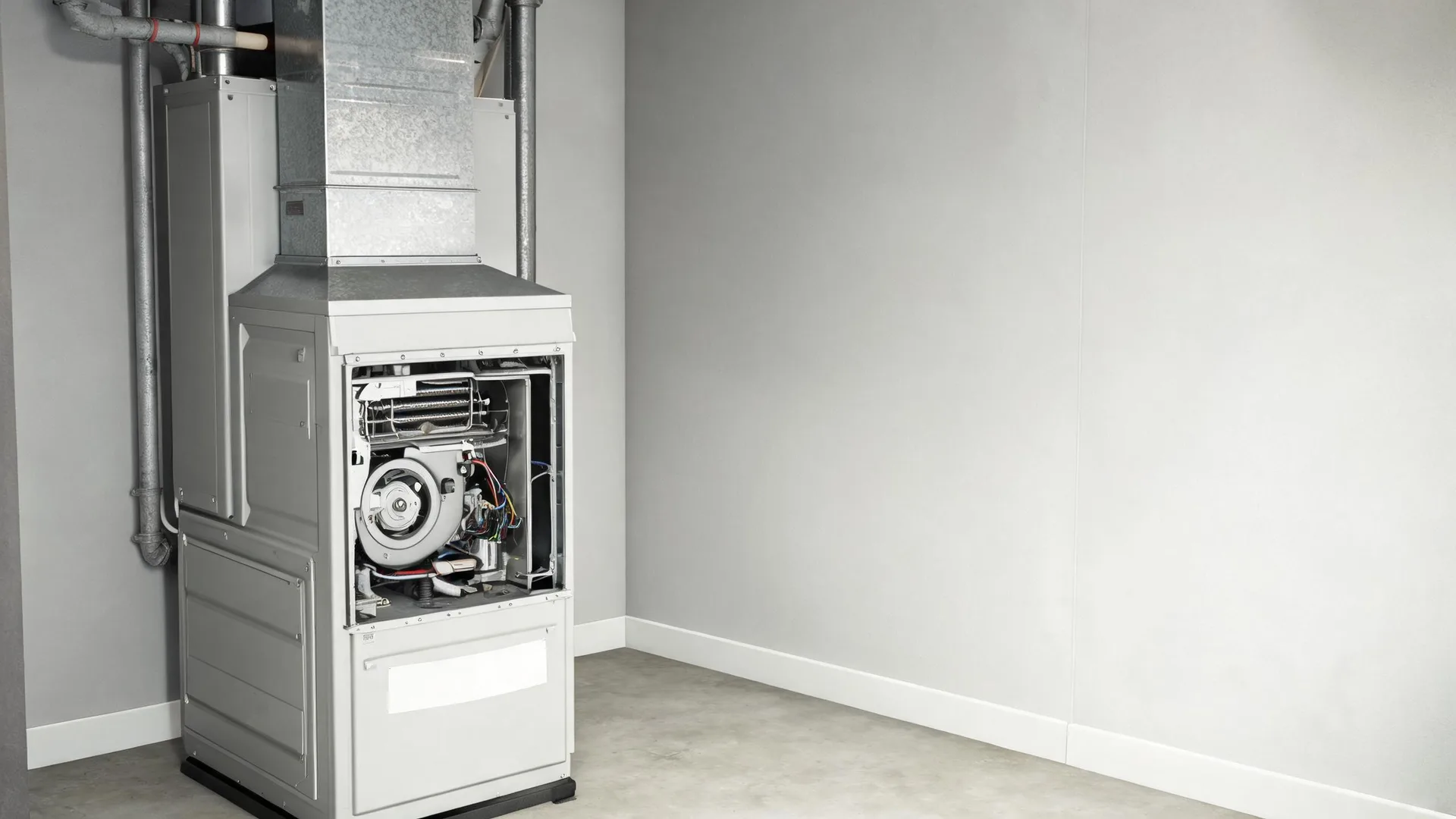
A gray high-efficiency gas furnace installed in an unfinished basement, surrounded by gas lines, a condensate drain, and sheet-metal ductwork.

What the furnace is telling you before it fails

A furnace rarely quits without warning. Short cycling is usually the first sign, the burner kicks on, runs a few minutes, shuts off, then starts again before the house warms up. That often points to a flame sensor coating over or a limit switch tripping because airflow is restricted somewhere. A furnace that runs on and on without ever catching up points a different direction, toward a failing blower motor or ducts that aren't moving enough air. Listen for a boom at startup instead of a quiet whoosh. That's delayed ignition, gas building up for a moment before it catches, and it wears on a heat exchanger. If the burner compartment is visible, the flame should burn steady and blue. Yellow, flickering, or a flame that lifts off the burner means something is off with combustion. A furnace that smells faintly of exhaust indoors, or trips a carbon monoxide detector, needs to be shut down and checked before it runs again. These signs don't all mean the same thing. A sticking limit switch is a quick fix. A cracked heat exchanger is not a repair at all, it calls for a new furnace. The only way to tell them apart is a tech tracing the symptom back to what's causing it.

A cracked heat exchanger gets worse with every cycle

Metal that's already split flexes more as it heats and cools, and the crack opens wider each time the burner fires. Left running, it can start pulling combustion fumes into the air the blower pushes through the house.

Waiting turns a part into a system problem

A dirty flame sensor or a clogged filter doesn't stay a small issue if the furnace keeps cycling on it. The blower motor and the heat exchanger end up working against the restriction, and that's what turns a sensor cleaning into a bigger repair.

An unfinished concrete basement containing a gas furnace with sheet-metal ductwork, utility shelving, and exposed overhead joists.

A new furnace would cut about $50 a year off heating for a typical Grant County home.

  • A new high-efficiency furnace$240 a year
  • An older furnace$290 a year

Estimates for a typical Grant County home, compared with an older unit built to the previous federal minimum, from EIA household energy data, New Mexico fuel prices and NOAA climate normals. Your home will differ.

Repair makes sense when one part has failed and the heat exchanger is sound.

Replacement makes sense when the heat exchanger is cracked or the furnace keeps needing parts.

A single part failing on its own is usually worth fixing. An igniter, a draft inducer, a control board, these wear out one at a time and swapping one out brings the furnace back to where it was. What should give you pause is a repair that's the second or third one in a couple winters. That pattern means something in the furnace is working harder than it should, and the parts around it are wearing out faster because of it. A tech who's been inside the cabinet can tell you whether this failure stands alone or whether it's the latest sign of a furnace on its way out. Ask what they saw, not just what they're replacing.