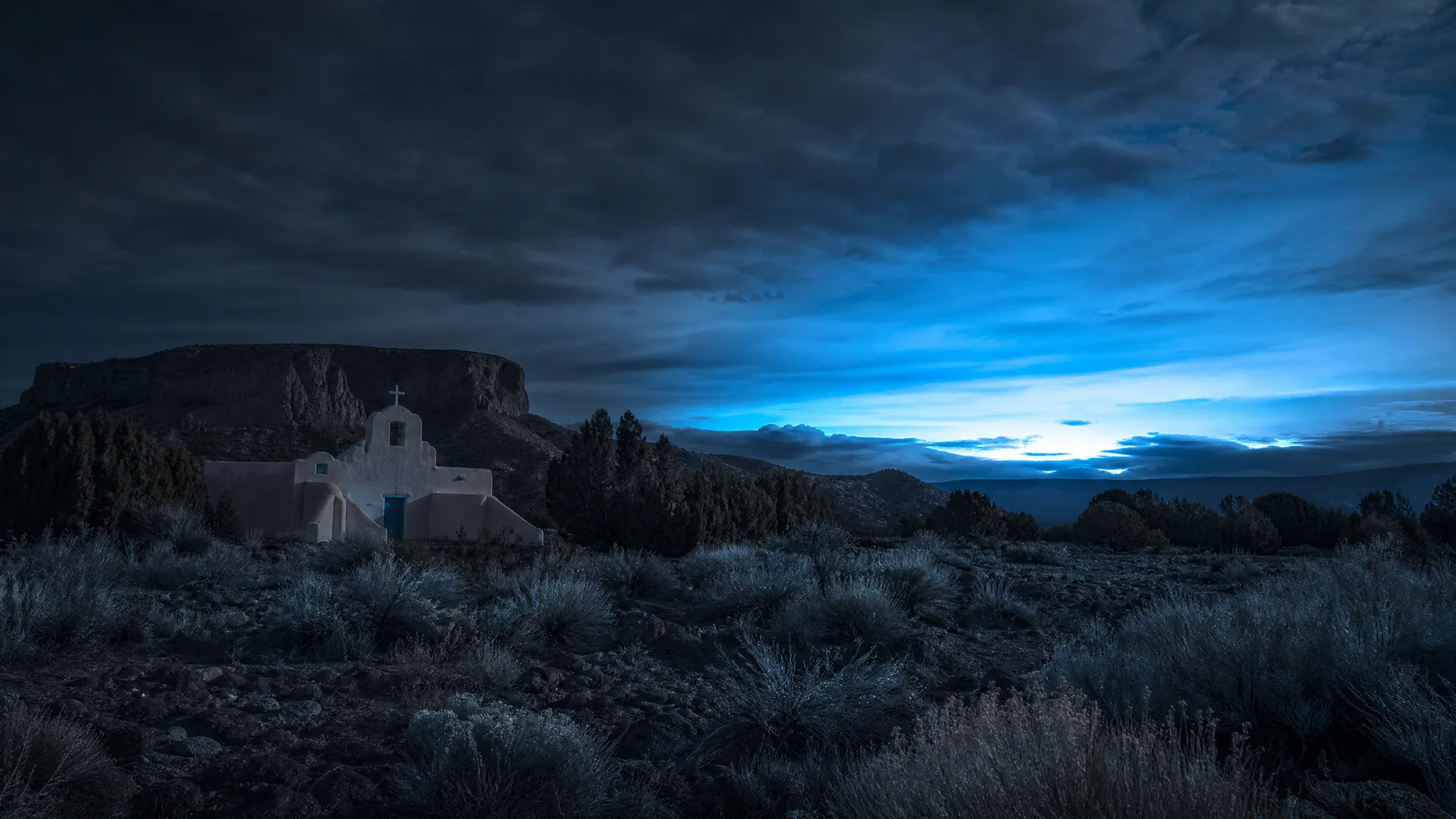
Furnace Maintenance in New Mexico
Homes in New Mexico are newer than in 32 of the other 49 states.
Tell us about the job
Takes about a minute. No obligation.
- 23°Fwinter overnight low where people live
- 7 monthsof heat, October through April
- $8.83 per million Btuwhat homes paid for natural gas in 2024 (Btu means British thermal units, a measure of heat)
- 581winter storms from 2015 to 2024
Furnaces here run seven months out of the year Get a furnace checked before October
- Northern counties need about 43% more heat than southern ones
- Winter nights average 23°F where people live
- Heat runs October through April
- 581 winter storms from 2015 to 2024
- Climate zones 3B, 4B and 5B across the state
- 13% of homes lost power a day or more in 2024

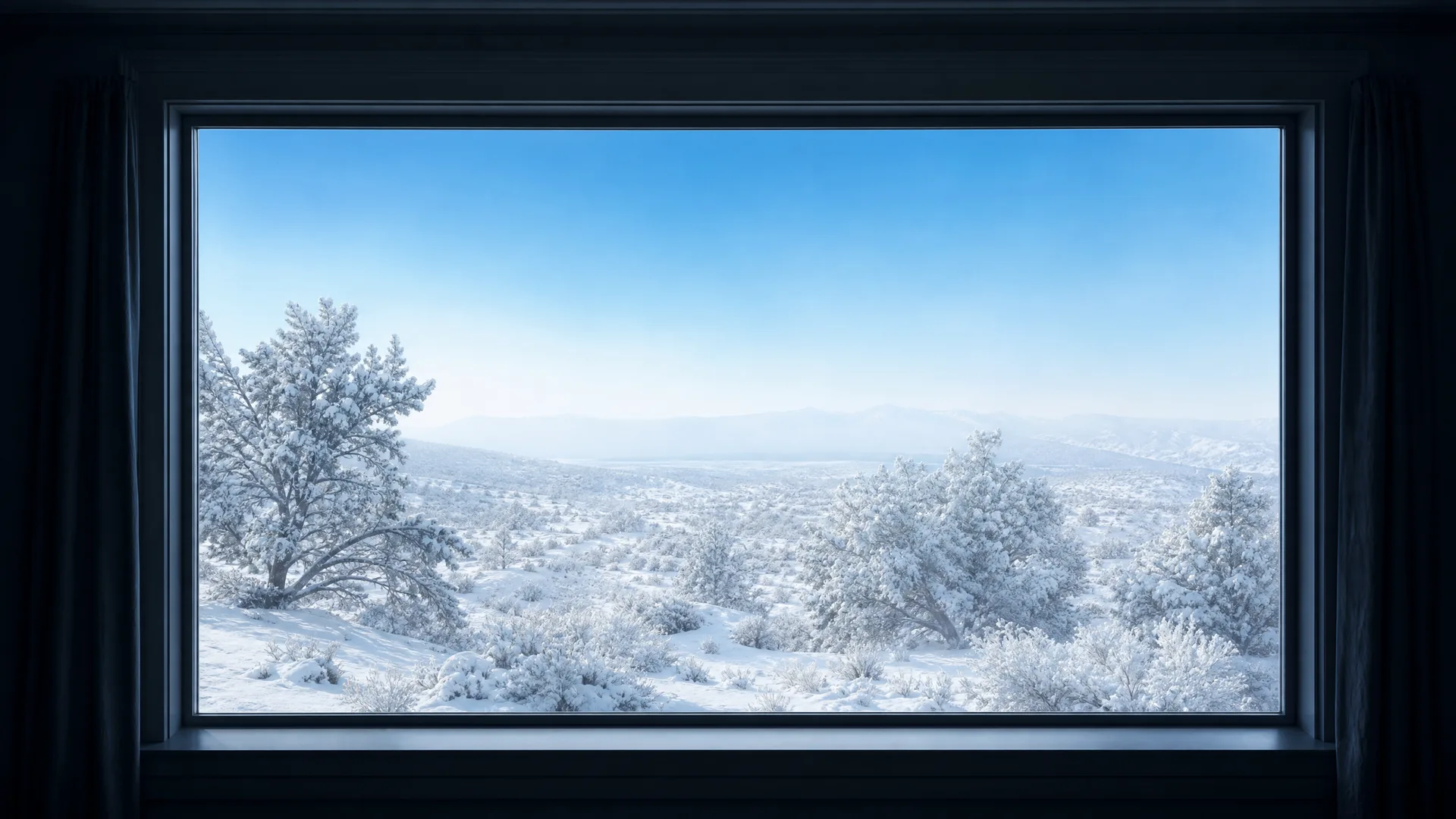
Most homes in New Mexico heat with utility gas, 61.7 percent of them. That means a burner, a venting system and a set of safety controls, not just a blower and a filter. A gas furnace needs that burner checked for a clean flame and the vent checked so exhaust actually leaves the house instead of backing up.
Electricity heats 23.3 percent of homes here, and bottled or LP gas heats 6.8 percent. An electric furnace skips the venting checks a gas one needs, but it still needs its heating elements and connections looked at. If yours runs on LP, the same burner and venting checks apply as with utility gas, just a different tank feeding it.
Book the check in September, before the season starts
September is the one month before the furnace runs at all. That is when it gets checked, not after it has already been firing every night for weeks. Once October hits, yours is working as hard as it will all year, and a burner or venting problem shows up fastest right at that start. New Mexico still gets seven months of heat, October through April, even with fewer heating months than most of the country. A furnace checked in September is ready for all seven.

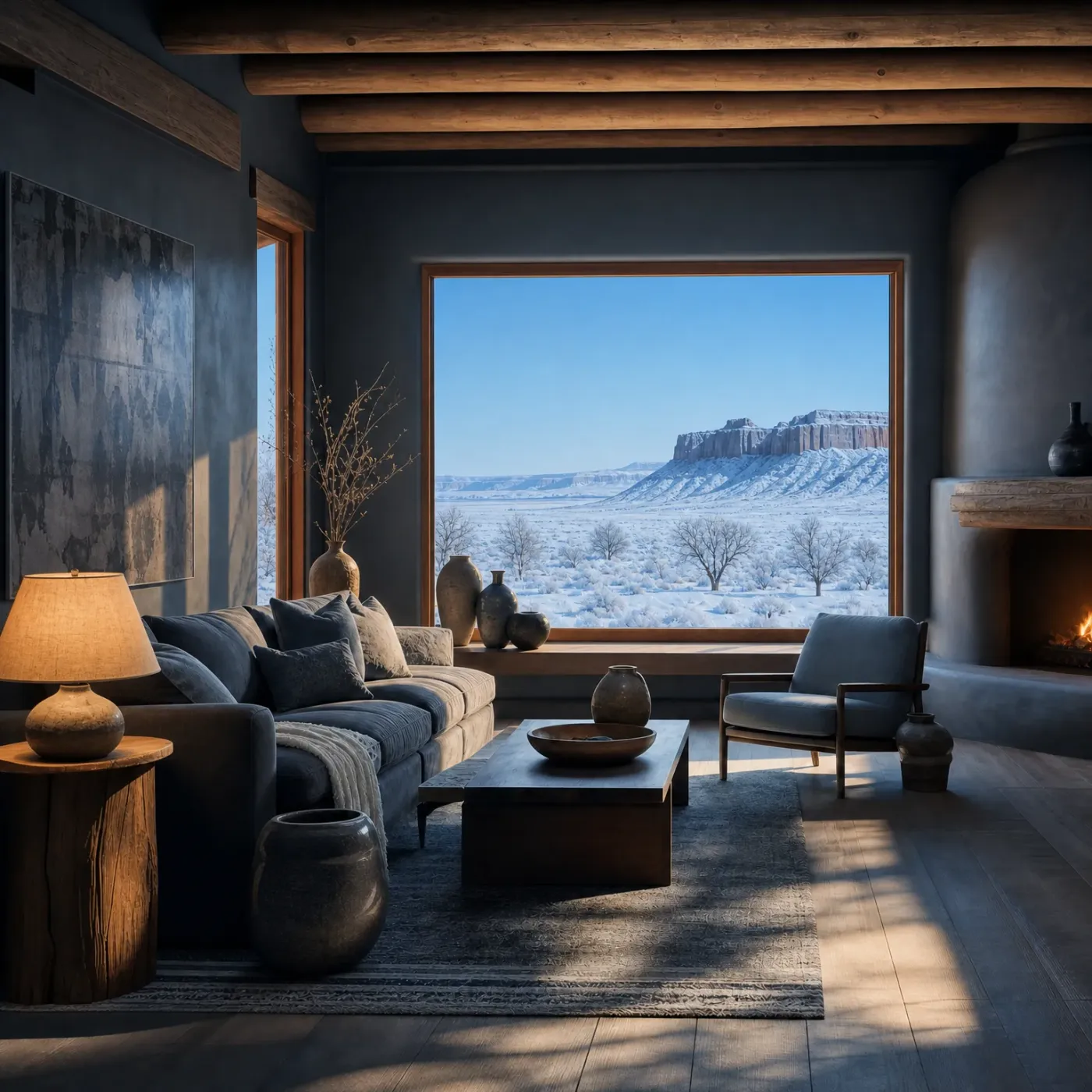
4 months of cooling, June through September
7 months of heat, October through April
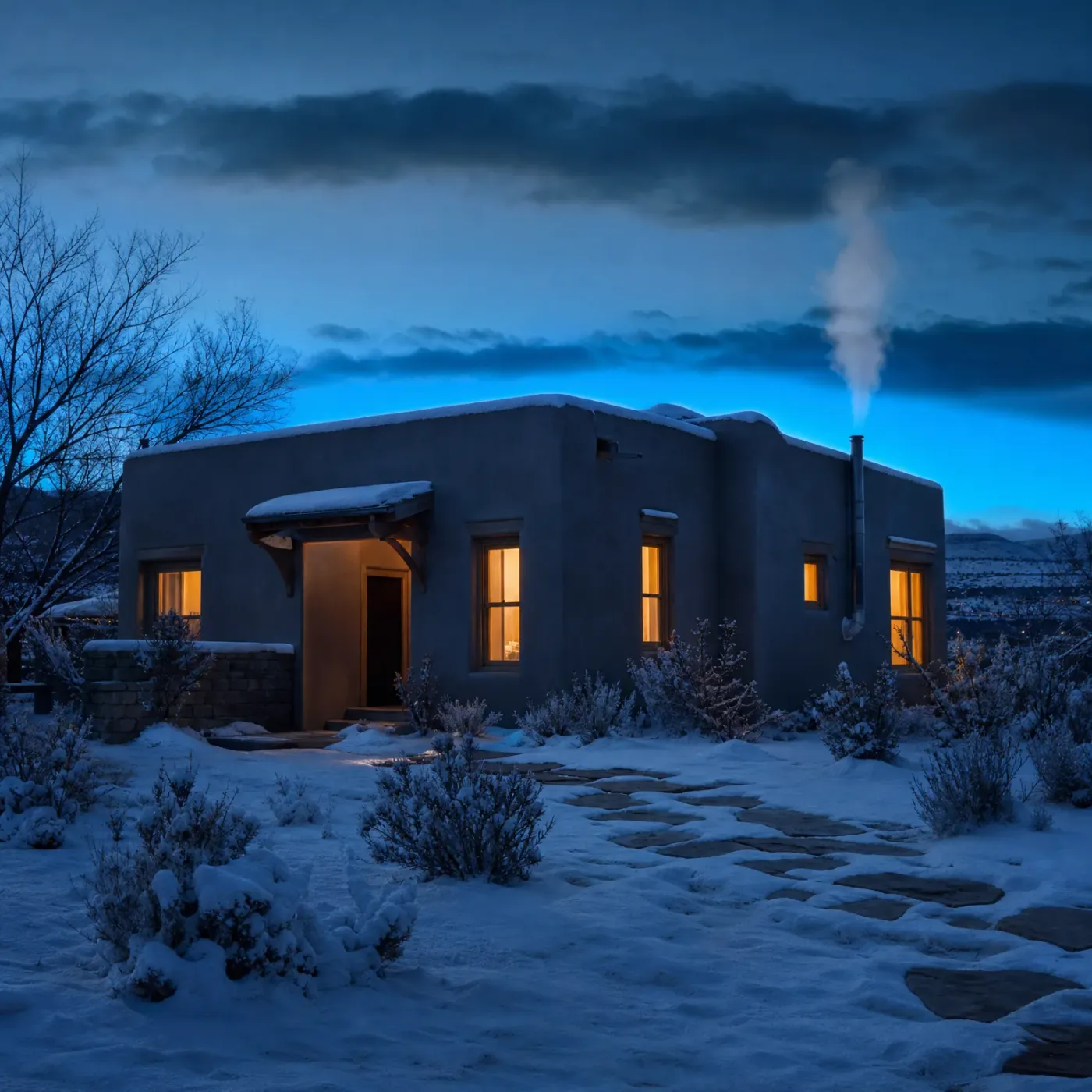
New Mexico isn't one climate when it comes to heat. Homes in the northern counties need about 43% more heat over a year than homes in the southern counties, and that gap shows up in how long the furnace runs, not just how cold it gets.
Taos County needs heat about 10 months a year, the longest stretch in the state. Eddy County needs it about 5, the shortest. That's the difference between a furnace that gets a few weeks of rest and one that's working nearly year round.
Winter nights tell the same story. Taos County averages 14°F on a winter night. Eddy County only drops to 31°F. A furnace in Taos County is carrying a heavier load, for more months, against colder nights, than one in Eddy County.
Both still need the same check before their season starts, wherever that home sits in the state. The one in the north just has less room for anything to go wrong once it starts, because it won't get a break for months.
New Mexico has been hit by winter storms, heavy snow, ice and blizzards, 581 times between 2015 and 2024. That's the kind of week a furnace needs to already be working, not the week to find out it isn't.
What does a furnace in New Mexico face?
How cold do winter nights get?
23°Faverage overnight low where people live
North Dakota4°F
Hawaii65°F
How many months does the heat run?
7 monthsof heating a year
Hawaii0 months
Alaska12 months
What does natural gas cost?
$8.83per million Btu, what homes paid in 2024
Montana$7.77
Hawaii$53.25
How often do storms hit?
244severe weather events per county from 2015 to 2024
Alaska5
Wyoming1,057
How many homes lost power for a day or more?
13%of homes in 2024
Arizona7%
Maine54%
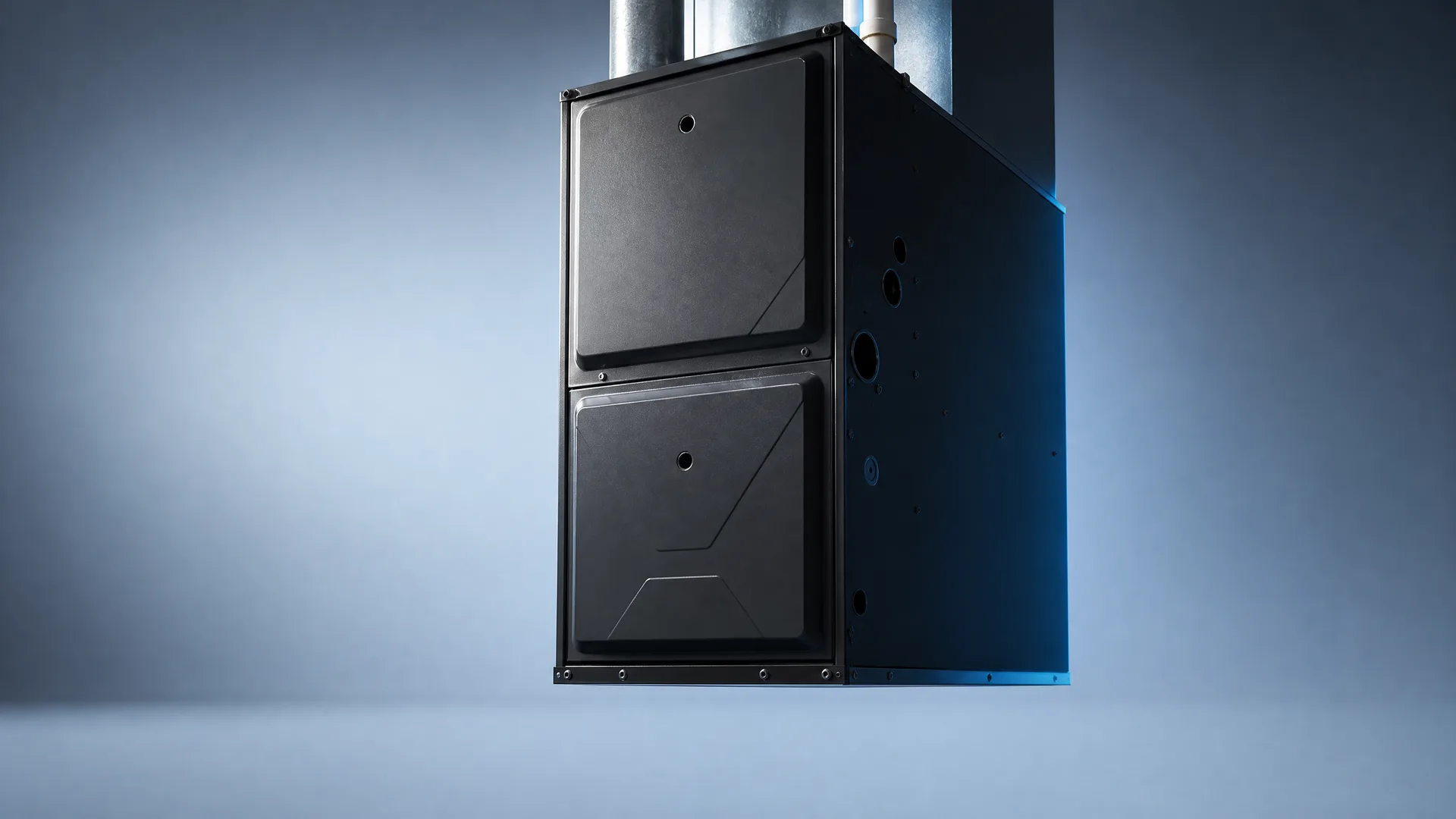
What a furnace is telling you before it fails
A furnace usually gives some warning before it quits. A bang or thump at startup means gas is building up before the igniter catches it instead of lighting clean. A flame that burns yellow and flickers instead of steady blue points to a combustion problem, not just dust. Short cycling, where it fires up and shuts off again before the house actually warms, often traces back to a dirty flame sensor or a filter so clogged the airflow chokes. A blower that keeps running after the heat shuts off usually means a failing limit switch. Rooms that used to heat fine but run cold now can mean the blower is losing strength or a duct has come loose, not just a thermostat setting. Any smell of exhaust inside the house is not something to wait out. That is a venting problem and it needs attention right away. A check before the season starts catches most of this while it is still small, a flame sensor that needs cleaning, a blower wheel caked with dust, a pressure switch going flaky. None of that stays small once the furnace is running every night.
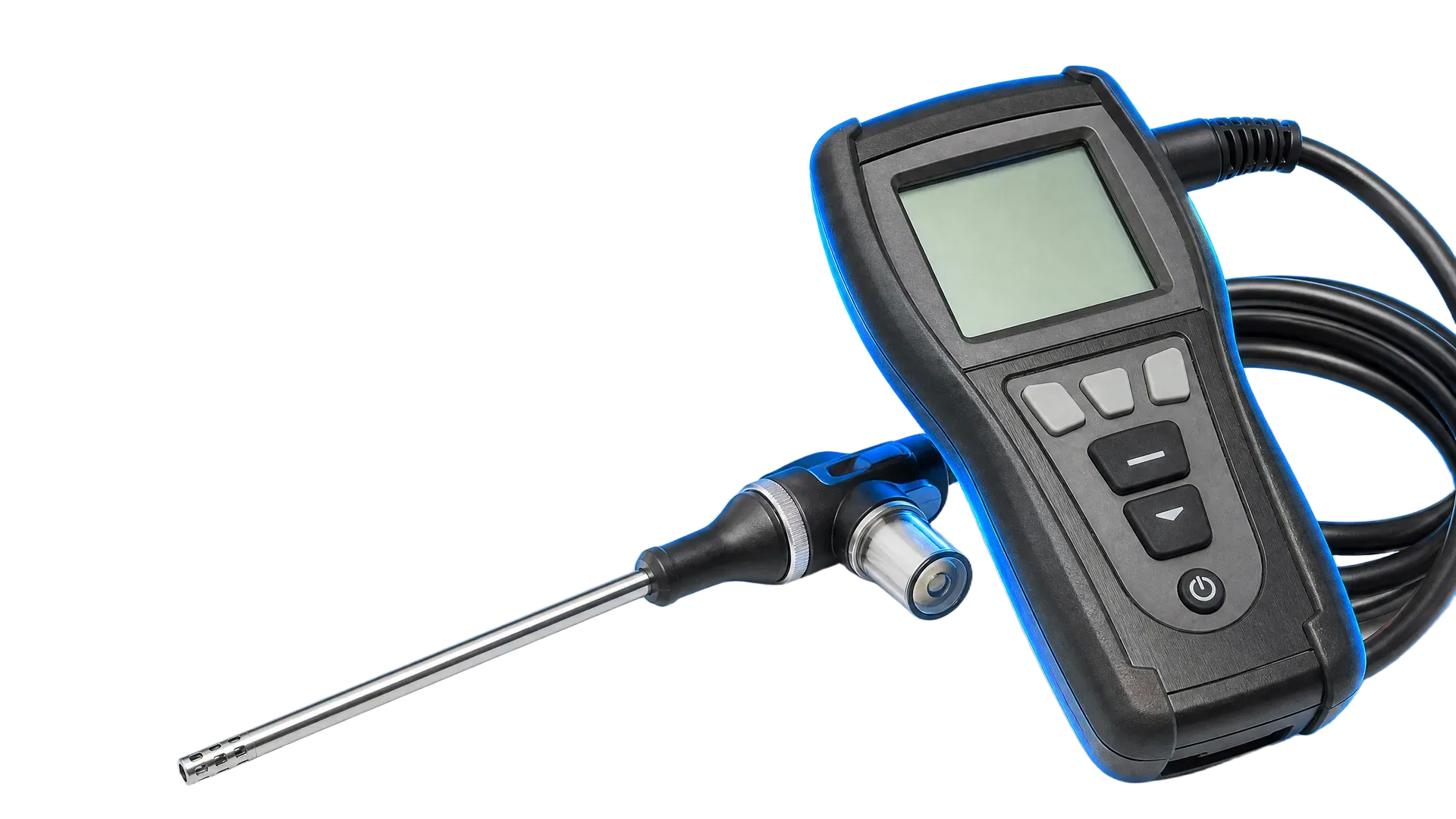
What you can check yourself, and what to leave alone
Between checks, the filter is the one part that is actually yours to handle. A dirty filter chokes airflow, and a furnace starved for air runs hotter than it should, which can trip a limit switch or cause short cycling. Pull it and hold it up to light. If light barely gets through, swap it. Keep the area around the furnace clear, nothing stacked against it and nothing stored on top. It needs room to pull in air, and anything blocking that opening makes it work harder than it has to. Look at the vent pipe where it goes through the wall or roof and check that nothing is nesting in it or blocking it, especially after it has sat unused all summer. If the furnace has a standing pilot, check that the flame still burns steady blue. Walk the house now and then and notice whether every room heats the way it used to. A room that has gone cold is worth mentioning at the next check even if nothing seems urgent yet. What you should not do is open the burner compartment or adjust the gas pressure. That is exactly the part a trained eye needs to look at.
What gets checked, and why each part matters
A tune-up starts with the burner. A tech pulls it and checks the flame, steady blue means clean combustion, yellow or orange means it needs adjusting before it runs unattended all winter. The heat exchanger gets checked next, because a crack in it can let exhaust mix into the air moving through the house, and that is not something you can see without opening the furnace up. The flame sensor gets cleaned, since a coated sensor is behind most of the shutdowns that look like something bigger. The igniter gets tested for a steady glow instead of a weak one. On the air side, the blower wheel gets checked for dust buildup, because a caked wheel moves less air even when the motor is fine. The venting gets inspected end to end, looking for gaps, rust or a loose joint that would let exhaust leak instead of leaving the house. The limit switch and pressure switch get tested too, since those are what shut the furnace down if something goes wrong, and a switch that does not trip when it should is worse than one that trips too often.
A furnace checked once before October runs the full seven months New Mexico asks of it.
Tell us about the job
Takes about a minute. No obligation.
Fill out the form and a licensed contractor in New Mexico will reach out to schedule the check.