






An empty unfinished basement containing a forced-air furnace with overhead ductwork, exposed ceiling joists, and a single hanging light bulb.

Furnace Repair in Hobbs, NM

Tell us about the job

Takes about a minute. No obligation.

RepairFurnace or heatingLea County, NM
Step 1 of 2

What ZIP code is the job in?

Your furnace in Hobbs only has to work about six months a year, November through April. Overnight lows average 28°F through the worst of winter, which is cold but steady, not extreme. A blizzard or ice storm comes through maybe once a year. None of that pushes a furnace hard the way a harsh, long winter would elsewhere. So when something goes wrong, it's rarely because the system has been run into the ground. More often it's a part that failed on its own or routine wear that got skipped. That kind of problem is usually worth fixing.

6 months
November through April, your furnace is on duty
28°F
the average winter night it heats against
9 winter storms
in ten years, the nights a failure hurts most
Isometric cutaway illustration of a single-story house in gray tones, showing interior rooms with furniture, ceiling ductwork, and an exterior furnace unit with a tall flue pipe.
Your furnace works hardest from November through March.

NOAA nClimDiv, 1991–2020 normals

A diagnostic visit starts with the thermostat call and ends at the part that failed.

Once that part is found, the tech can tell you straight whether it's worth fixing.

Lea County weather is not what wears out a furnace here

231 severe weather events from 2015 to 2024
13% of homes statewide lost power a day or more in 2024
127 damaging wind events from 2015 to 2024
The age of your house isn't what's wrong with your furnaceHalf the homes in Lea County were built in 1979 or earlier. Mobile homes make up 17.3% of the housing stock here.

Before you call, check the thermostat is set to heat and the temperature is set above room temp. Go to the furnace itself and look for a light in the window on the front panel, if it has one. A steady light usually means it's running fine, a blinking pattern means it's telling you something, and you can look up what that pattern means for your model. Check the air filter. If it's gray and clogged, swap it, since a blocked filter can starve the system and trip a safety switch. Check that the furnace switch, the one that looks like a regular light switch near the unit, hasn't been bumped off. Last, check your breaker panel for a tripped breaker. If the filter is clean, the switch is on, the breaker is fine, and it still won't run, that's a part failing, not something you can fix from here.

A furnace with an easy winter is usually worth repairing

A furnace that only runs six months out of the year and never sees extreme cold has less reason to fail from wear. If yours is acting up, that points to a part that gave out or was never serviced, and that's usually a straightforward, worthwhile fix.

Find a contractor
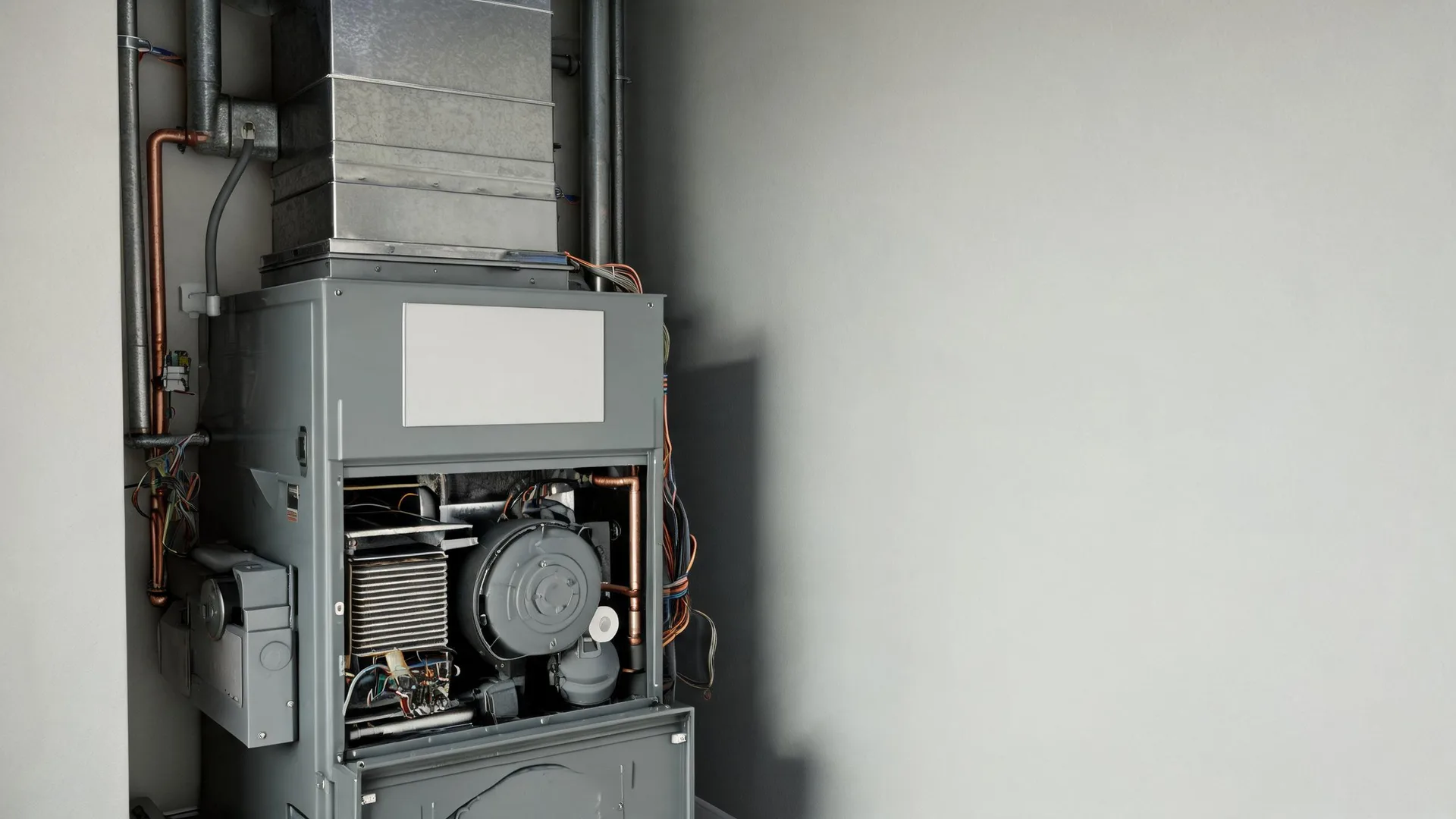
A gray residential gas furnace installed in an unfinished basement, connected to sheet-metal ductwork and PVC pipes.

What actually wears these parts down

The igniter glows hot every time the furnace starts, and like any heating element, it gets brittle with age until it cracks and stops lighting the gas. The flame sensor sits right in the flame path and slowly collects a thin coating, until it can no longer tell the control board a flame is present, so the system shuts itself down. The inducer motor runs every cycle to clear exhaust before and after the burners fire, and its bearings wear down the same as any motor's, until it gets loud or quits. A capacitor that starts and runs the blower motor weakens with age whether the blower ran often or barely at all. None of these parts care how cold it got outside. They wear from cycling on and off, and a furnace that runs a light schedule still cycles plenty over the years.

What you'll actually notice first

Short cycling is usually the earliest sign. The furnace fires, runs a couple minutes, shuts off, then starts again on its own. Cold air blowing from the vents while the furnace runs points to a failed igniter or a flame sensor that's lost the signal. A furnace that clicks like it's trying to start but never catches is telling you the same thing. A burning smell past the first run of the season, rattling from the cabinet, or a blower that keeps running after the heat shuts off are all worth paying attention to.
What those signs mean for the job

Most of what you'll notice points straight at one part. A bad igniter or a dirty flame sensor are both common, and a tech can usually confirm which one from the symptom alone. A failing inducer motor or a blower that won't shut off point to something slightly bigger, but it's still one part doing the damage, not the whole system going at once. That's what makes the diagnostic visit short even when the fix takes more time.

A cracked igniter or a fouled flame sensor won't fix itself by waiting. Most furnaces are built to shut down rather than run unsafe, so a bad sensor just means more lockouts, not a bigger fire risk. A few things do get worse if you keep pushing the system to run, though. A cracked heat exchanger can let exhaust mix into the air the blower pushes through the house, and that gets worse every cycle it runs, not better. A failing inducer motor that's starting to strain will keep straining until it seizes, and a seized motor is a bigger repair than a worn one. Short cycling puts extra stress on the ignition system each time it tries and fails to stay lit, so a problem that starts as an annoyance can end with a part that's fully dead instead of just failing. Get the part identified before it takes anything else with it.

Most of the time the question isn't whether to fix the furnace, it's whether to fix the part that failed or replace the whole unit. A single bad igniter, sensor, or capacitor is almost always worth repairing on its own. The calculation changes when the cabinet itself is rusting through, the heat exchanger is cracked, or the part that's going is one of the expensive ones, the blower motor or the control board. If several different parts are wearing out around the same time, that points to the whole furnace reaching the end of its life, not just a bad stretch. A tech can tell you which case you're in once the panel is open and they've seen what's actually inside, not before.