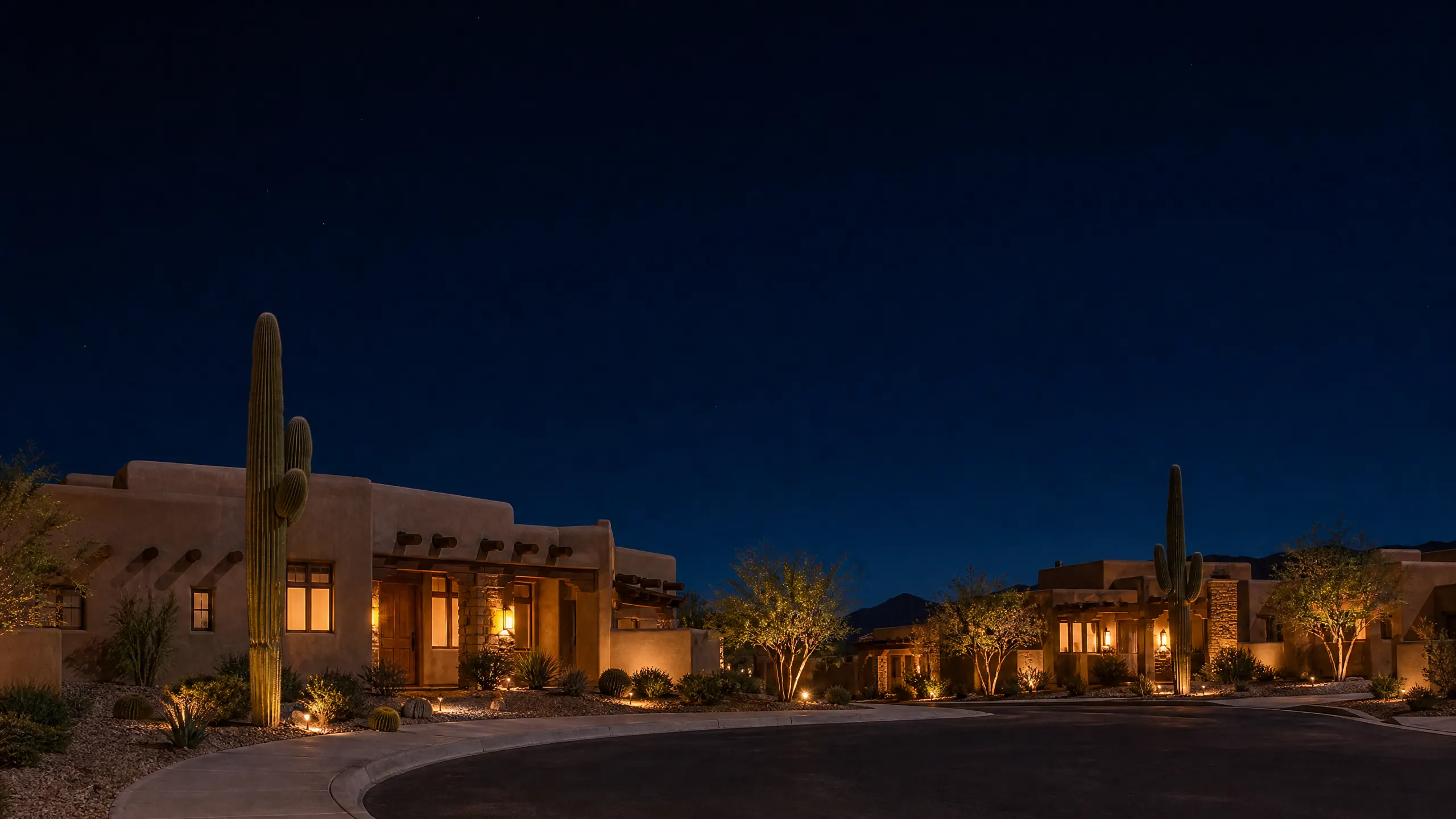


Two illuminated adobe-style desert homes at night, surrounded by saguaro cacti and low desert shrubs along a curved driveway.

Furnace Repair in Truth or Consequences, NM

Tell us about the job

Takes about a minute. No obligation.

RepairFurnace or heatingSierra County, NM
Step 1 of 2

What ZIP code is the job in?

Your furnace runs about seven months a year here, October through April. Overnight lows average 27°F in December and January. That's a normal workload for this machine. Nothing about Truth or Consequences pushes a furnace harder than a winter like this would anywhere else. So when one starts short cycling, won't light, or blows cold air, the cause is usually something plain and known. A dirty flame sensor. A failed igniter. A clogged filter choking airflow. A thermostat that's lost its wiring or its mind. Finding which one it actually is matters more than guessing at it.

7 months
October through April, your furnace is on duty
27°F
the average winter night it heats against
4 winter storms
in ten years, the nights a failure hurts most
Isometric cutaway illustration of a single-story house with a dark shingled roof, showing interior rooms with furniture, ductwork, a flue pipe, and a furnace unit.
Your furnace works hardest from November through March.

NOAA nClimDiv, 1991–2020 normals

Check the filter before anything else. A filter clogged with dust can choke airflow enough to shut the whole system down.

If the filter is clean and the furnace still won't run, the problem is electrical or mechanical, and that's a call for a licensed tech.

The first cold snap finds whatever went weak over the summer

Heat runs October through April
Climate zone 3B
Winter nights average 27°F

Half the homes in Sierra County were built in 1983 or earlier. If your furnace came with a house that old, it's probably not the original unit, and whoever replaced it made choices about sizing and ductwork you can't see from the thermostat. Mobile homes make up 41.4% of the housing here, and they run on the same gas furnaces as any other house, just fed through different ductwork. None of that changes what breaks first. A furnace in a mobile home still fails at the igniter or the flame sensor before anything else, same as one in a house on a slab. The fix is the same fix either way.

Get the usual fix

Nothing about this area is especially hard on it. It's most likely the usual problem with the usual fix.

Find a contractor
A gray high-efficiency gas furnace installed in an unfinished basement, surrounded by gas lines, a condensate drain, and sheet-metal ductwork.

Running it while it struggles only finishes the job

A furnace that's struggling doesn't fail all at once. A cracked heat exchanger gets worse every hour it runs, because the metal keeps flexing under heat and the crack keeps growing. A flame sensor coated in a little carbon will let the furnace light, then stop reading the flame properly, so the furnace shuts off and tries again, over and over, and each cycle adds wear to the igniter and the gas valve too. A blower motor running on a failing bearing gets hotter and louder the longer it spins, right up until it seizes. Low airflow from a dirty filter makes the heat exchanger run hotter than it should, which shortens its life every time the furnace fires. None of these get better by letting the furnace keep going. A furnace that's limping along is usually telling you something specific, and waiting just lets whichever part is failing finish the job.

The igniter wears out from doing its job

A hot surface igniter heats up and cools down every time the furnace starts. That cycle of heating and cooling is what eventually cracks it. It's not a sign of a bad part or bad luck, it's just the thing that happens after enough cycles. When it finally fails, the furnace won't light at all.

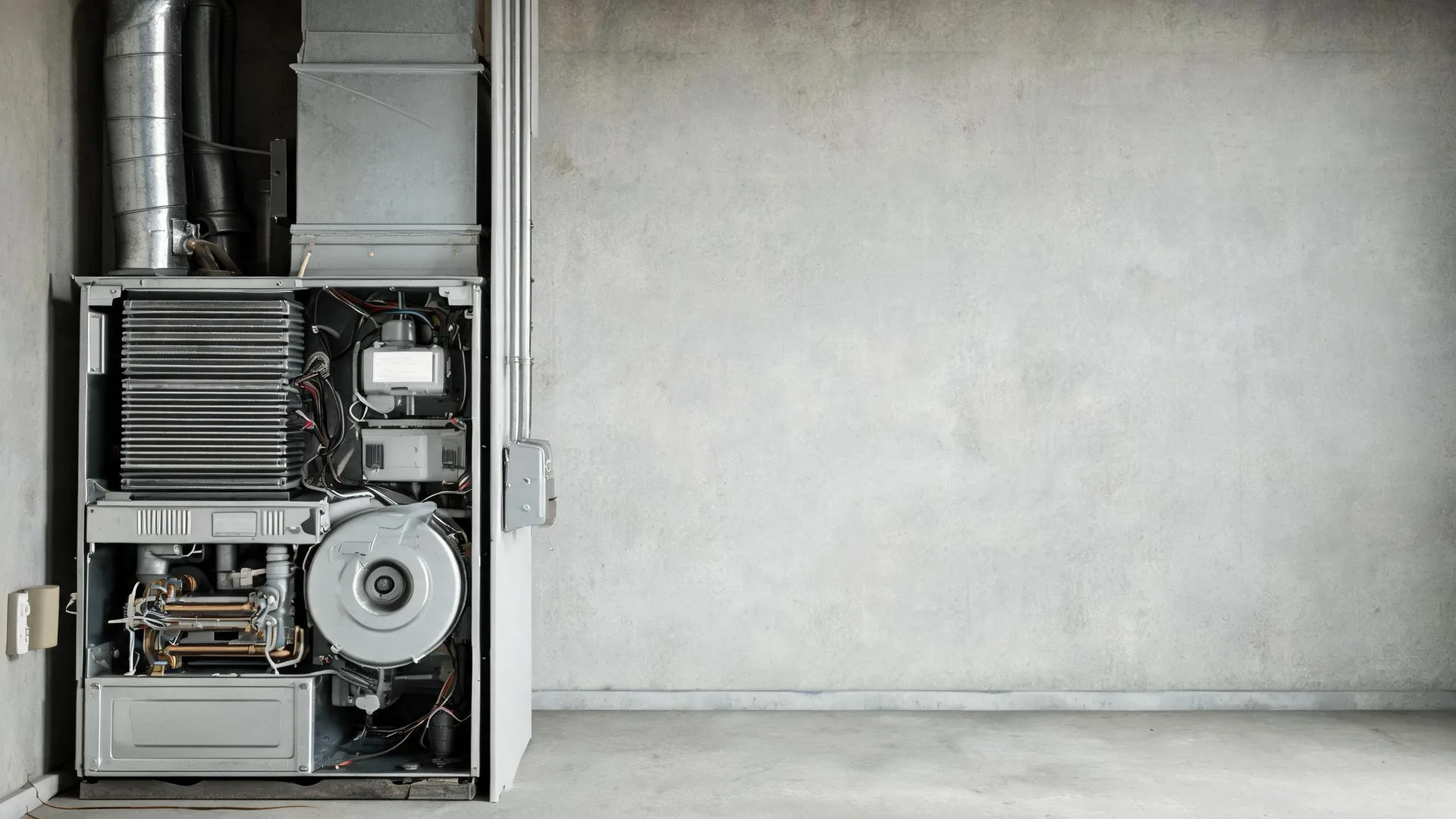
A pressure switch stuck open means the furnace won't even try

The pressure switch checks that the inducer motor is pulling exhaust properly before the gas valve is allowed to open. If the switch is stuck, dirty, or the hose to it is blocked or cracked, the furnace reads that as unsafe to light and refuses to start. It's doing exactly what it's supposed to do, the fix is finding why the switch won't close.

An unfinished basement containing a metal furnace with ductwork, exposed wooden joists on the ceiling, cardboard boxes, a coiled cable, and a single hanging incandescent bulb.

A new furnace would cut about $50 a year off heating for a typical Sierra County home.

  • A new high-efficiency furnace$220 a year
  • An older furnace$270 a year

Estimates for a typical Sierra County home, compared with an older unit built to the previous federal minimum, from EIA household energy data, New Mexico fuel prices and NOAA climate normals. Your home will differ.

Repair makes sense when one part has failed and the heat exchanger is sound.

Replacement makes sense when the heat exchanger is cracked or the furnace keeps needing parts.

Repair makes sense when the furnace is otherwise sound and one part has failed. An igniter, a flame sensor, a pressure switch, a blower motor, these get replaced on their own all the time without touching anything else. Replacement starts to make more sense when the heat exchanger is cracked, because that part isn't sold by itself and isn't meant to be patched. Age matters too, not as a count of years but as a pattern. A furnace that keeps coming back with a different failure each time is telling you the parts around it are wearing out together, not that one part had bad luck. A tech can look at the cabinet, the burners, and the exchanger and tell you whether you're fixing a furnace or just delaying the same decision.