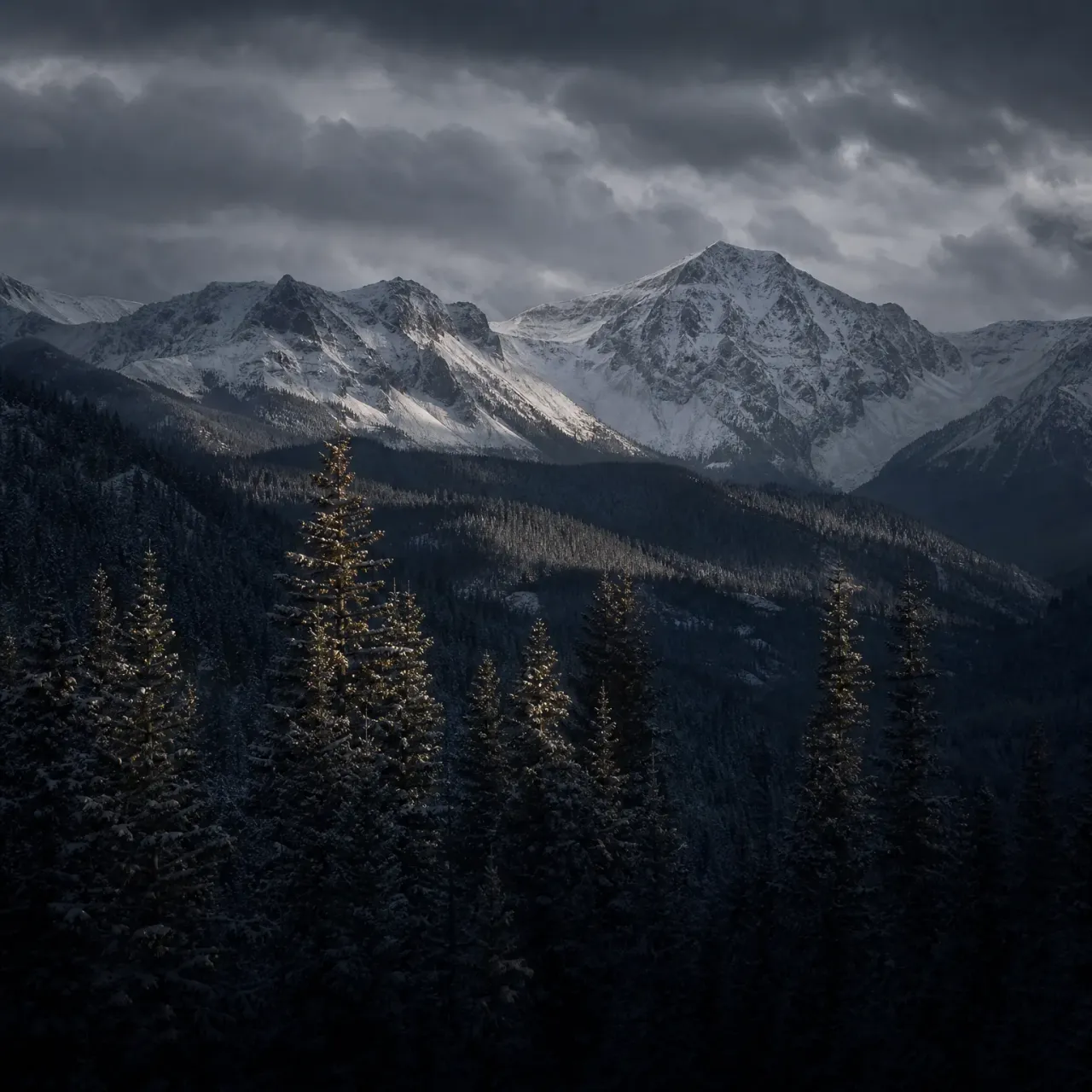
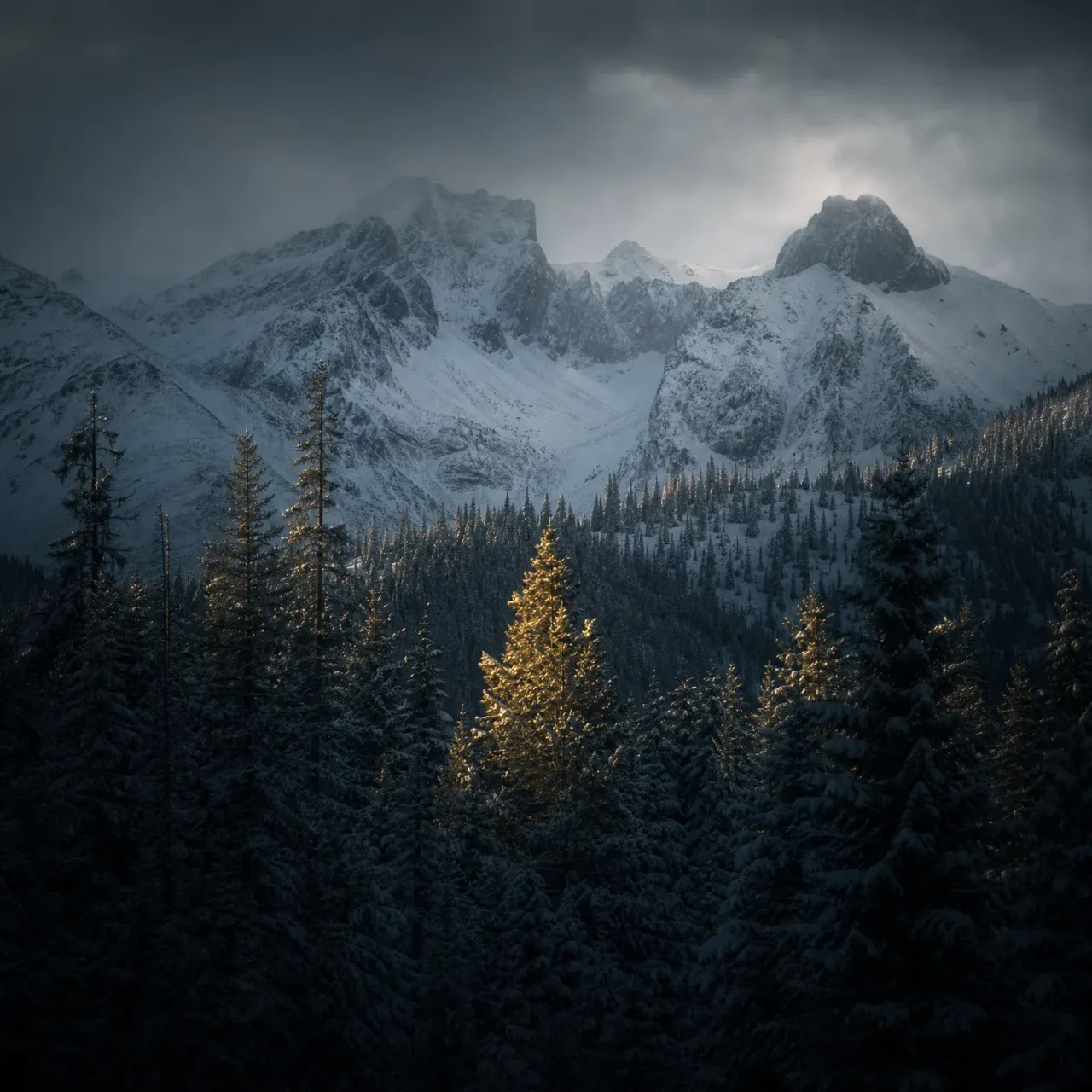
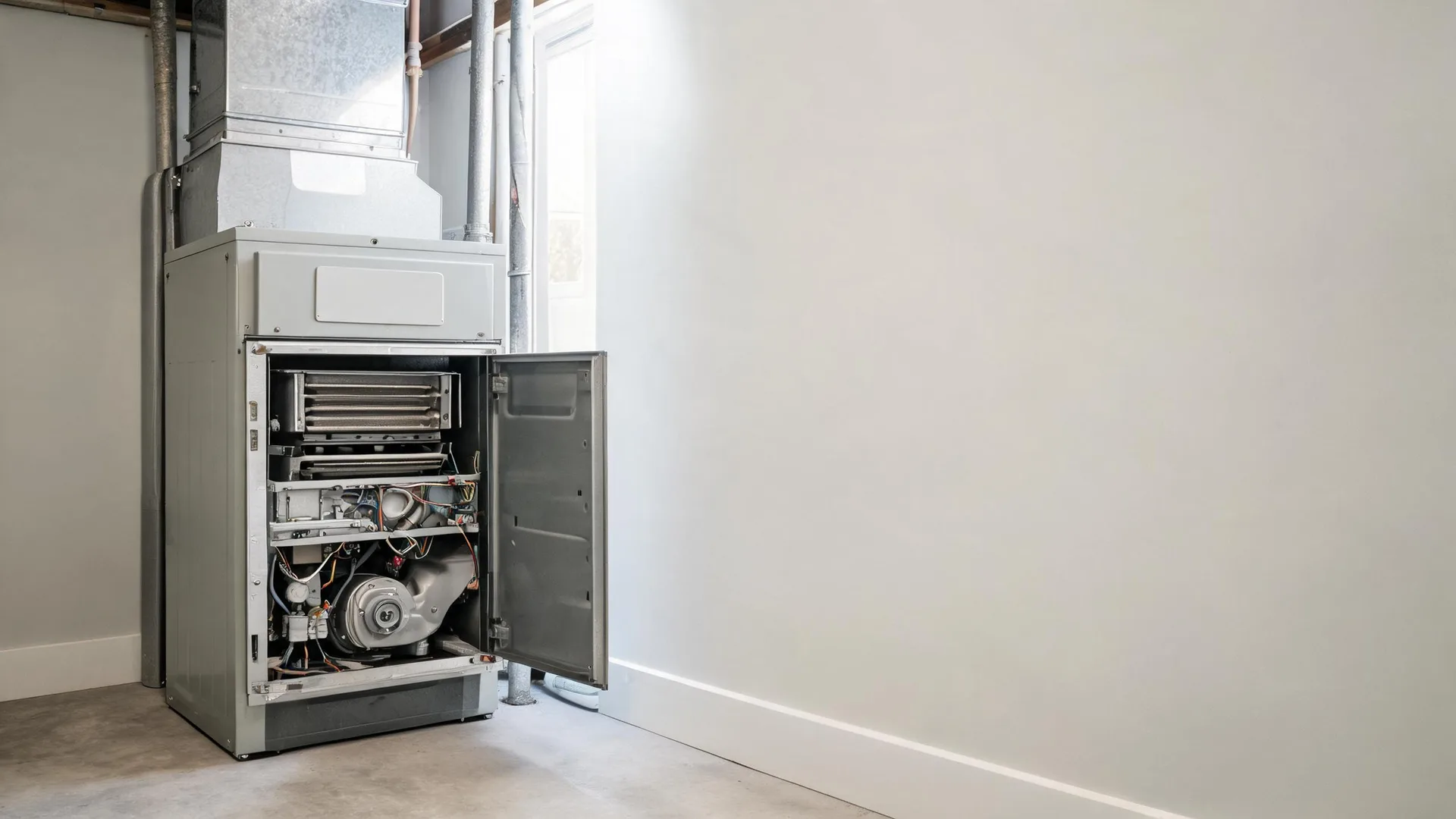
An unfinished basement containing a gas furnace with ductwork in the foreground and miscellaneous stored items along the far concrete wall.

Furnace Repair in Taos, NM

Tell us about the job

Takes about a minute. No obligation.

RepairFurnace or heatingTaos County, NM
Step 1 of 2

What ZIP code is the job in?

The tech checks before touching anything

A furnace diagnosis starts with questions and a look at what the system is doing right now. Does it try to light and fail, run and shut off, or not respond at all. The tech checks the thermostat call, the power switch, the filter, and the flame itself before opening anything up. That order matters because it rules out the simple answers before chasing the harder ones.
The visit ends with a cause, not a guess

Once the tech finds the failed part, whether that's the igniter, the flame sensor, the control board, or the inducer motor, they can tell you why it failed and whether it's likely to happen again. That's the difference between replacing a part and fixing the problem. A straight answer on what's wrong and what it takes to fix it is what the visit is for.

10 months
September through June, your furnace is on duty
14°F
the average winter night it heats against
129 winter storms
in ten years, the nights a failure hurts most
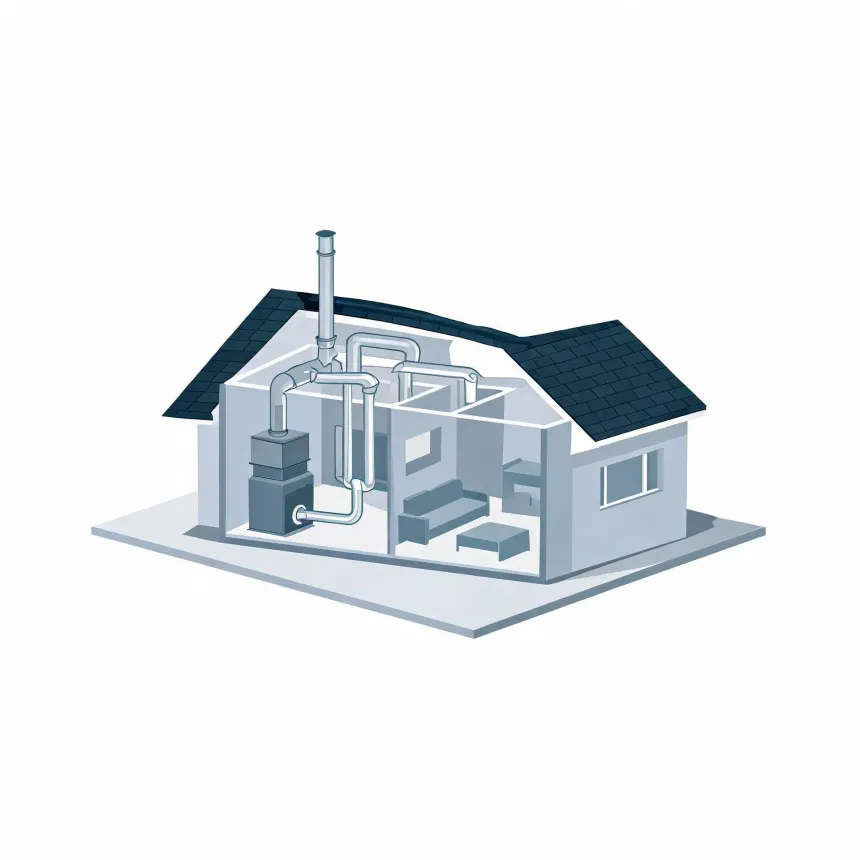
Isometric illustration of a cutaway single-story house showing a gray furnace unit, connected ductwork, and a vertical flue extending above the dark shingled roof.
Your furnace works hardest from November through April.

NOAA nClimDiv, 1991–2020 normals

Half the homes in Taos County were built in 1985 or later.

A furnace that came with a newer house usually has years left in it, which makes repair the right call before anyone talks replacement.

Ten months of heat means August is the month to get ahead of it

Heat runs September through June
Winter nights average 14°F
129 winter storms from 2015 to 2024
A furnace losing efficiency costs you more hereNatural gas ran New Mexico homes $8.83 per million Btu in 2024, so a furnace that's losing efficiency costs more every month it runs that way.

A tech who knows what to listen for can usually tell within a few minutes whether an igniter is failing or a problem lies deeper in the system. That's worth something, because a cycle that's run ten months a year since September has had a lot of chances to wear a part down. Overnight lows near 14°F mean the furnace isn't just turning on, it's working to catch up each time it does. The right call is to get the cause nailed down now, not in the middle of a cold snap when the same part finally gives out.

Ten months of heat a year adds up to a lot of cycles

Heat runs here from September through June, with overnight lows averaging 14°F in the dead of winter. That's a long season for an igniter and inducer motor to keep cycling on and off. Get the actual cause checked before the cold snaps get worse.

Find a contractor
A gray residential gas furnace installed in an unfinished basement, connected to sheet-metal ductwork and PVC pipes.

Know roughly when your furnace went in

If your furnace came with the house and the house is newer, that history is worth mentioning when the tech shows up. A furnace with years left on it is a repair job, plain and simple. Half the homes in this county were built in 1985 or later, so there's a good chance yours falls on that side of the line. Worth checking when the system was put in before anyone brings up replacing it.

Most failures are a handful of parts

An igniter wears out from repeated heating and cooling until it cracks. A flame sensor coats with residue and stops sensing the flame, so the control board shuts the burners off as a safety measure. A control board fails from age or from a power surge. An inducer motor's bearings wear until it won't come up to speed. These failures all come from use, not from any single event.

Airflow problems cause their own damage

A dirty filter restricts airflow, and the heat exchanger runs hotter than it should. Over time that heat can crack the exchanger, which is a safety issue rather than a simple repair. A clogged filter also makes the blower motor work harder, which shortens its life. What causes a second failure down the road often starts as a filter nobody changed.

An unfinished basement featuring concrete block walls, exposed floor joists, and a metal forced-air furnace with ductwork near a central pillar.

A new furnace would cut about $100 a year off heating for a typical Taos County home.

  • A new high-efficiency furnace$470 a year
  • An older furnace$570 a year

Estimates for a typical Taos County home, compared with an older unit built to the previous federal minimum, from EIA household energy data, New Mexico fuel prices and NOAA climate normals. Your home will differ.

Repair makes sense when one part has failed and the heat exchanger is sound.

Replacement makes sense when the heat exchanger is cracked or the furnace keeps needing parts.

Age and history are only part of the call. The other part is what's actually failed and what it would take to fix it. A cracked igniter or a dirty flame sensor is a straightforward swap, and a furnace that's otherwise sound is worth fixing every time. A cracked heat exchanger is a different conversation, because that's not a part you patch, it's a reason to replace the unit outright. A control board or an inducer motor sits in between, and the honest answer depends on what else is wearing out alongside them. A tech who's seen the failure before can tell you whether today's fix is likely to hold or just buy time before the next part goes.