Eight months of heat a year
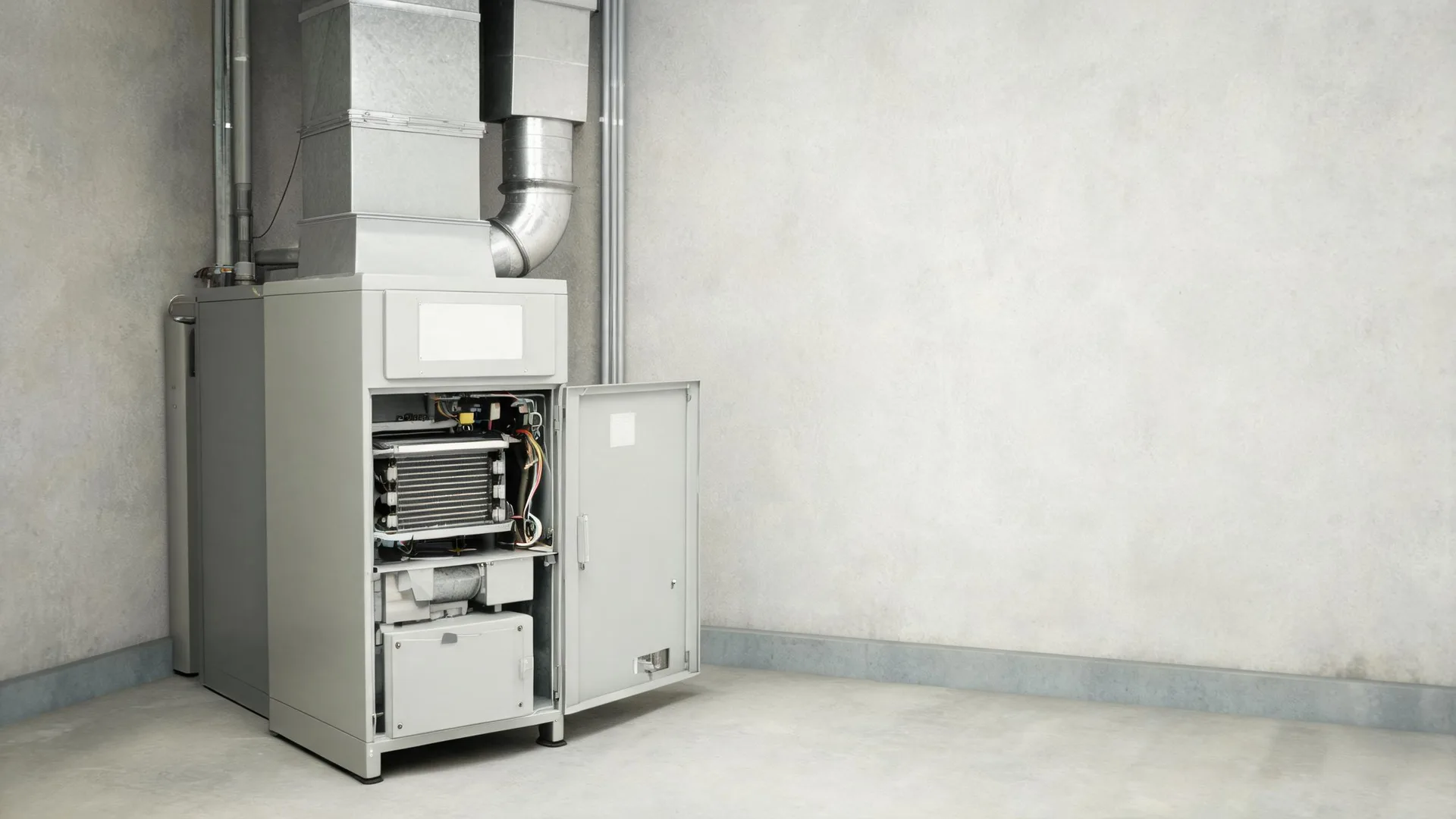
Furnaces in Las Vegas run from October through May, and overnight lows average 22°F in December and January. That's a long stretch of hard work for a burner, an igniter and a blower motor.
Takes about a minute. No obligation.
Furnaces in Las Vegas run from October through May, and overnight lows average 22°F in December and January. That's a long stretch of hard work for a burner, an igniter and a blower motor.
San Miguel County was hit by 107 winter storms between 2015 and 2024, heavy snow and ice among them. A furnace that cycles nonstop through weather like that needs a proper diagnosis, not a quick patch, so the repair actually holds.
NOAA nClimDiv, 1991–2020 normals
Half the homes in San Miguel County were built in 1979 or earlier.
A furnace that old is a furnace worth asking hard questions about before you pay to fix it.
Get the furnace looked at before the next cold snap settles in. A proper diagnosis tells you what's actually wearing out, and whether this repair is one worth making.
Find a contractorA furnace fails from the same handful of places no matter whose house it's in. The igniter wears out from switching on and off thousands of times over a season. The flame sensor coats with a thin layer of oxidation and stops telling the control board the flame is lit, so the system shuts itself down as a safety measure. Blower motor bearings wear from the hours they log moving air. The capacitor that gets that motor started weakens with age and heat. A clogged filter restricts airflow and makes everything downstream, especially the blower and the heat exchanger, work harder than it should. None of these parts wear out because a system is used too much. They wear out because they have moving parts, electrical contacts or exposure to flame, and all of those degrade on their own schedule whether the furnace runs often or not.
A furnace in trouble usually tells you before it quits outright. The air coming out of the vents feels cooler than it used to, even with the thermostat set the same as always. The burner takes a few tries to catch, or you hear clicking that goes on longer than normal before the flame lights. Some rooms stay cold while others heat fine, which points to a blower that is not moving enough air through the ducts. A burning smell that lingers past the first few minutes of a cycle is worth paying attention to right away, not waking up to in the night.
A furnace that short-cycles, turning on and off in quick bursts instead of running a full heating cycle, is usually struggling with airflow or a failing sensor, and every cycle it runs that way stresses parts that are already wearing down. A gas smell is never something to sit on. Cold rooms, slow ignition and odd sounds during startup are each worth a call before the furnace stops working altogether. A system that is struggling but still running gives a contractor something to diagnose. One that has shut down leaves you without heat while you wait for the repair.
Estimates for a typical San Miguel County home, compared with an older unit built to the previous federal minimum, from EIA household energy data, New Mexico fuel prices and NOAA climate normals. Your home will differ.
Repair makes sense when one part has failed and the heat exchanger is sound.
Replacement makes sense when the heat exchanger is cracked or the furnace keeps needing parts.
A diagnostic starts before any panel comes off. The tech asks what you've noticed. When it happens, which rooms, what it sounds like. Then the furnace gets cycled on and watched through a full start, so a failing igniter or a slow catch shows itself instead of getting guessed at. The blower gets checked for the amount of air it's actually moving, not just whether it turns on. A combustion analyzer can read what's coming off the burner, and that tells a tech things a visual check can't. The heat exchanger gets inspected for cracks, since a crack there is a safety issue, not just a repair item. Only after all that does a tech tell you what's actually wrong and what fixing it involves.