
Heat Pump Repair in New Mexico
Electricity costs homes less in New Mexico than in 29 of the other 49 states.
Tell us about the job
Takes about a minute. No obligation.
- 23°Fwinter overnight low where people live
- 7 monthsof heat, October through April
- 88°Fsummer afternoon high where people live
- 4 monthsof cooling, June through September
Nothing unusual here for a heat pump Heat and cold run normal seasons
- Southern counties need about two and a half times as much cooling than northern ones
- Winter nights average 23°F where people live
- Summer afternoons average 88°F where people live
- Heat runs October through April
- Cooling runs June through September
- 581 winter storms from 2015 to 2024


- Heat working again instead of running on backup strips that aren't meant to carry the whole house
- The reversing valve checked so the system actually switches between heating and cooling instead of sticking in one mode
- Refrigerant charge corrected, since a low charge is usually what freezes the outdoor coil if left alone
- The outdoor coil cleared of whatever's blocking airflow, often the reason a heat pump runs nonstop without warming the house
- A straight answer on whether the compressor is still good or the unit is better off replaced
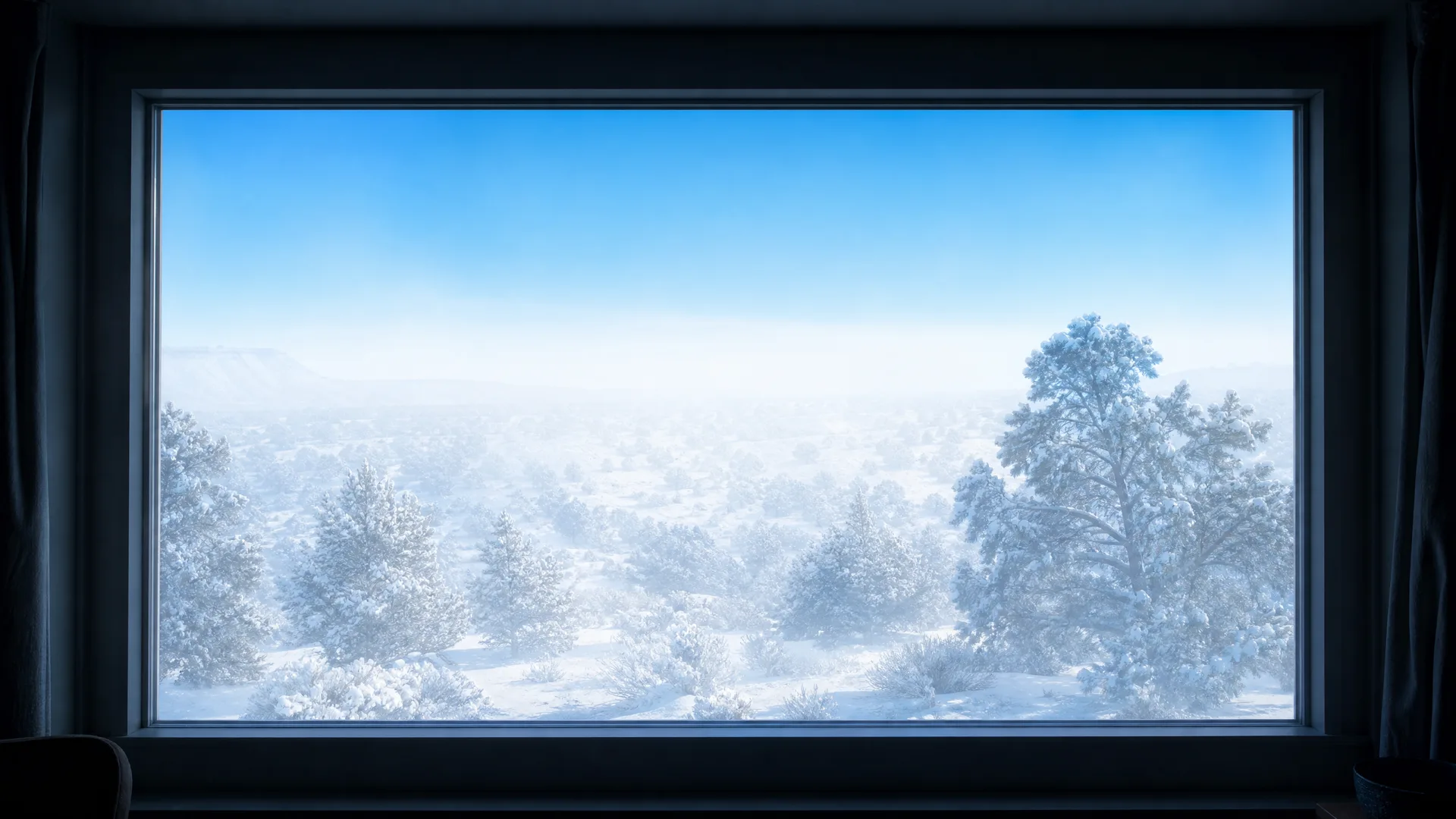
Heat pumps in New Mexico work through the same two seasons they would anywhere, which means the usual failures are what shows up. A reversing valve sticks. A low charge frosts the outdoor coil. Backup strips kick on and keep running because the system quit heating on its own. New Mexico recorded more severe weather between 2015 and 2024 than most other states, but that count is mostly wind and hail passing through, not something that wears on an outdoor unit over time.
A smaller share of New Mexico households lost power for a day or more in 2024 than in most other states. A heat pump that has been through an outage usually just needs the breaker reset or the thermostat reprogrammed, and most units restart on their own once power is back. If yours did not come back on and start heating, that points to something that needed fixing before the outage, not the outage itself.
Get it checked before the first cold morning, not after
October is when heat kicks back on here, and the first cold snap is when a weak part finally gives out. A heat pump that struggled at the end of last winter didn't get better sitting idle through the summer. Have it looked at in September, before the first morning you actually need it to work.
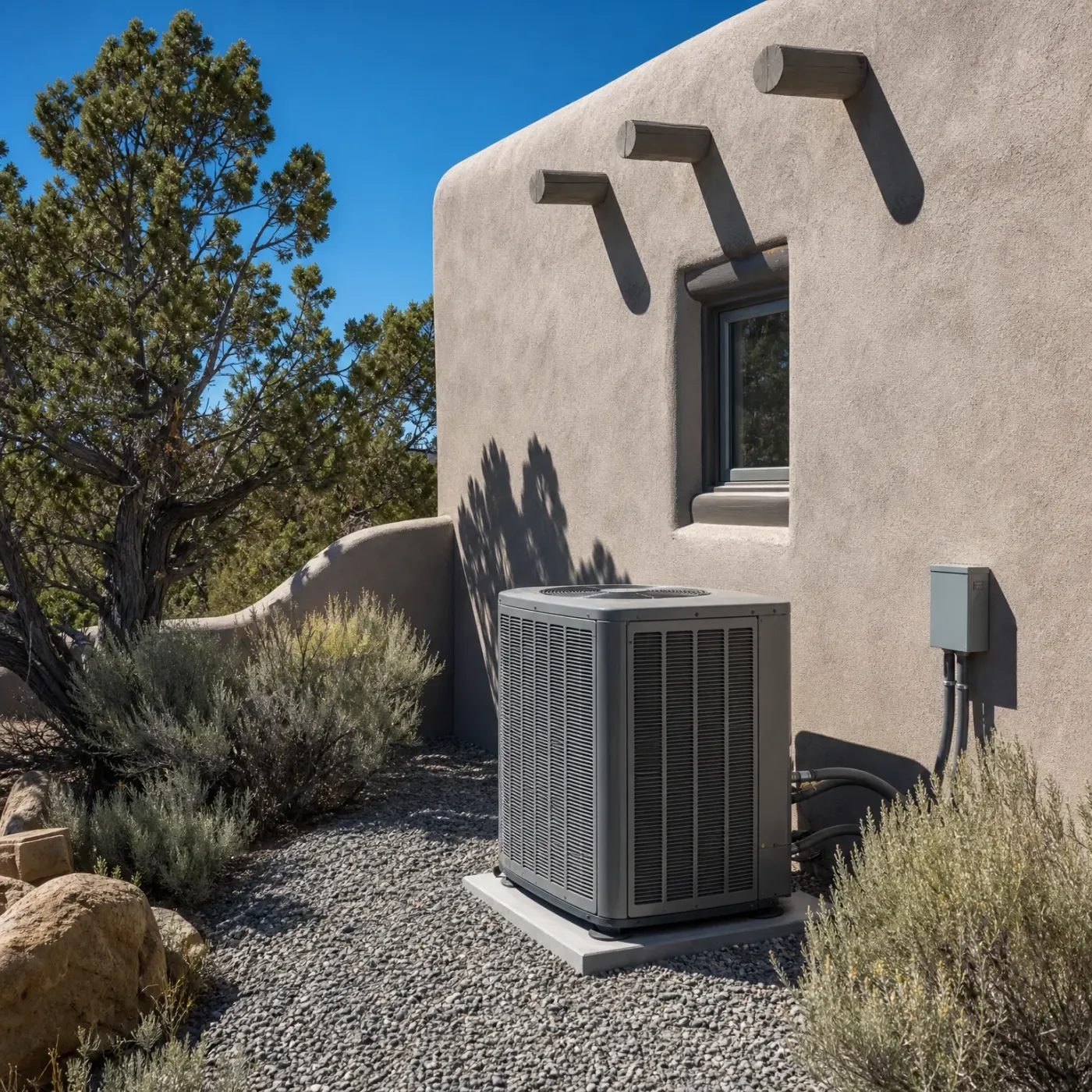
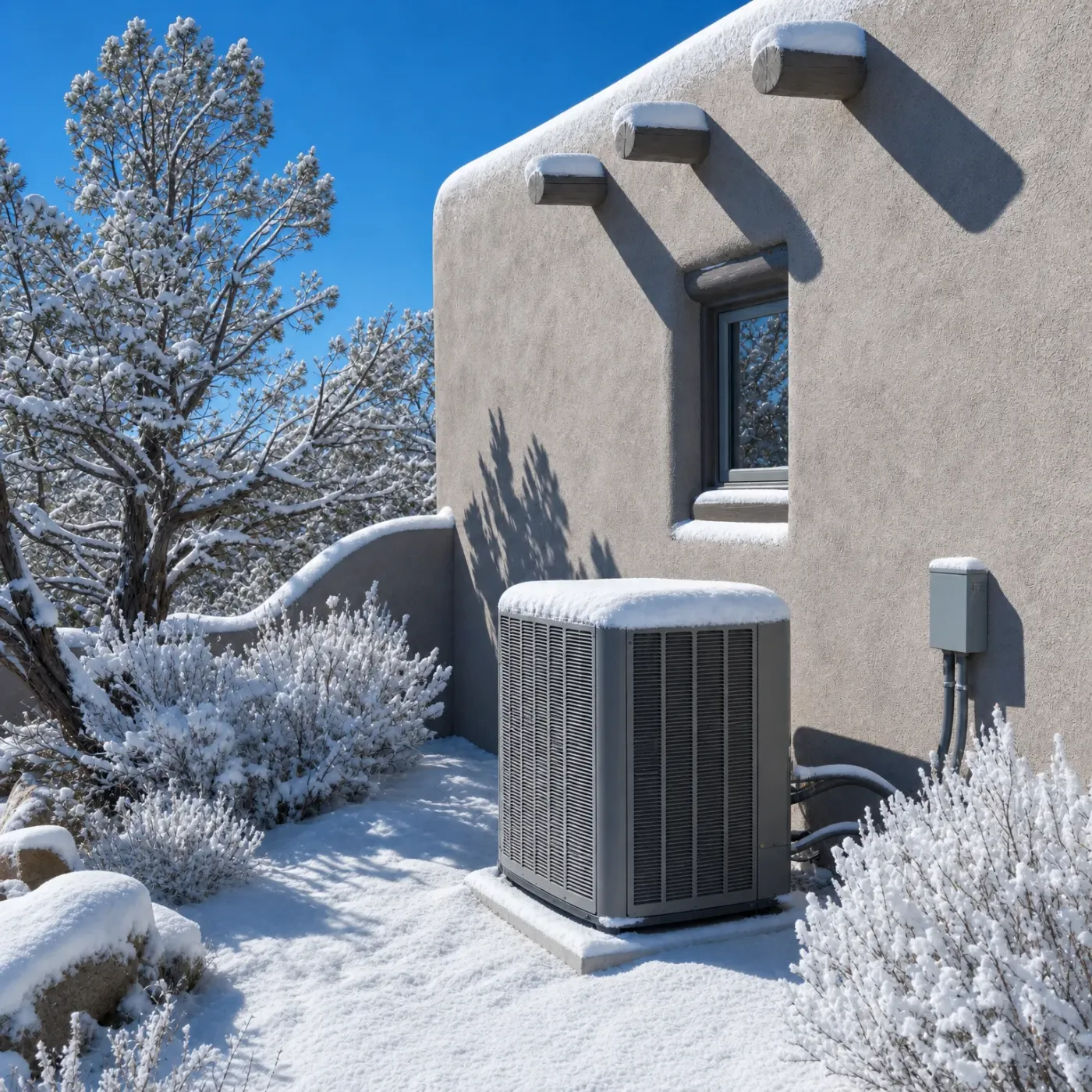
4 months of cooling, June through September
7 months of heat, October through April
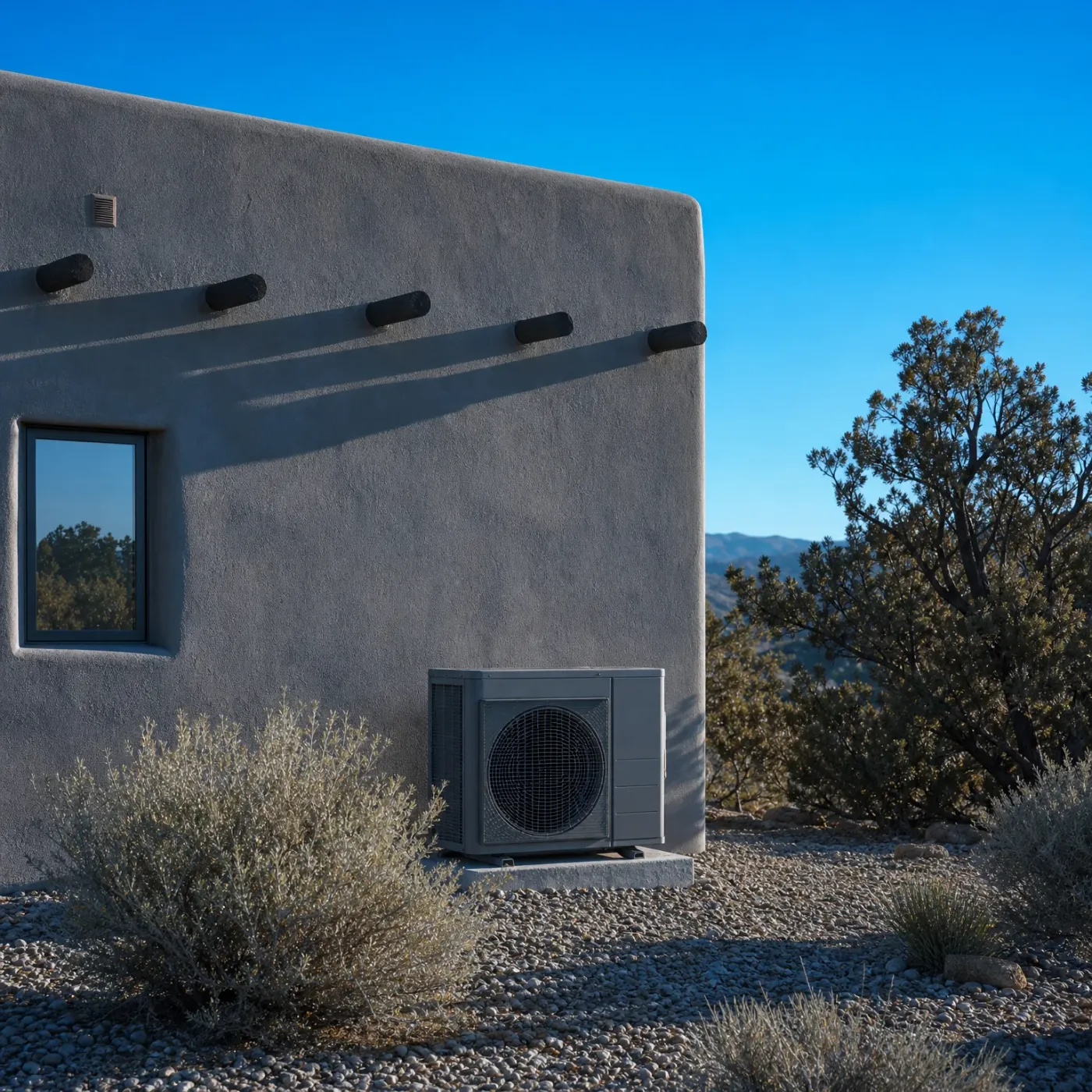
Where the house sits changes what wears out first. Southern counties need about two and a half times the cooling that northern counties do over a year, so a heat pump in the south spends more of its life pulling heat out of the house than putting it in. That leans on the reversing valve, the outdoor coil, and the refrigerant charge that keeps the coil from icing up.
North of that line it runs the other way. Northern counties need 43% more heat over a year than southern counties, and Taos County needs about three times the heat that Eddy County does, the lowest in the state. A heat pump up there spends more time on its heating cycle, and more time leaning on the backup strips. If the house is only getting warm from the strips and not from the unit itself, that's worth checking early, not after everything else.
Eddy County also runs the hottest summer afternoons in the state, and Taos County the mildest. A unit working hot afternoons all summer is doing more cooling than one that rarely sees that kind of heat, and that shows up first in the coil and the charge.
Winter nights factor in too. Where people live in New Mexico, the overnight low averages 23°F in December, January and February. Some strip use on a night that cold is normal. Constant strip use instead of the unit heating on its own points to something that needs a look before the next cold snap, not after it.
What does a heat pump in New Mexico face?
How hot do summer afternoons get?
88°Faverage afternoon high where people live
Alaska66°F
Arizona101°F
How cold do winter nights get?
23°Faverage overnight low where people live
North Dakota4°F
Hawaii65°F
How many months does the heat run?
7 monthsof heating a year
Hawaii0 months
Alaska12 months
What does electricity cost?
14.20¢per kWh (kilowatt hours, the unit on an electric bill), what homes paid in 2024
North Dakota11.51¢
Hawaii42.86¢
How often do storms hit?
244severe weather events per county from 2015 to 2024
Alaska5
Wyoming1,057
How many homes lost power for a day or more?
13%of homes in 2024
Arizona7%
Maine54%
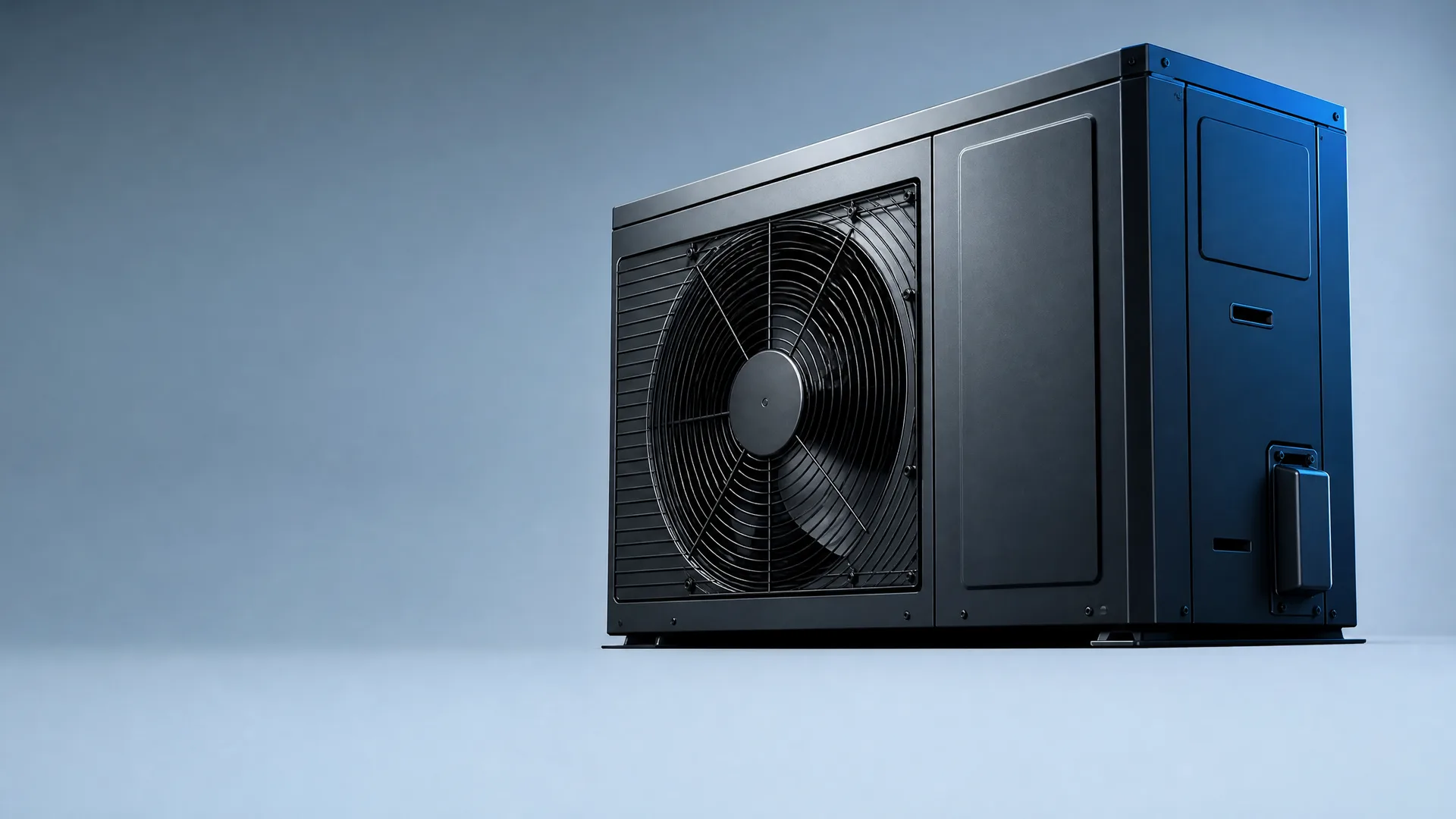
Some of these failures get worse the longer the system keeps running
A reversing valve that's starting to stick doesn't fail clean. It stays stuck in one mode a little longer each time, and the unit keeps running the whole time, trying to heat or cool through a valve that isn't fully seating. That wears the valve further and leaves the compressor pushing refrigerant against itself. A low charge behaves the same way. The outdoor coil frosts a little, airflow drops a little more, and the system keeps calling for the same cycle because nothing tells it to stop. Left alone, the frost builds into ice, the coil can't pull heat from the air at all, and the compressor is still running the whole time trying to do a job the ice won't let it do. A compressor isn't built to run against a blocked coil or a stuck valve for long stretches. Shut the system down at the first sign of either problem and a tech is looking at a worn part. Keep running it and they may be looking at a failed compressor instead.
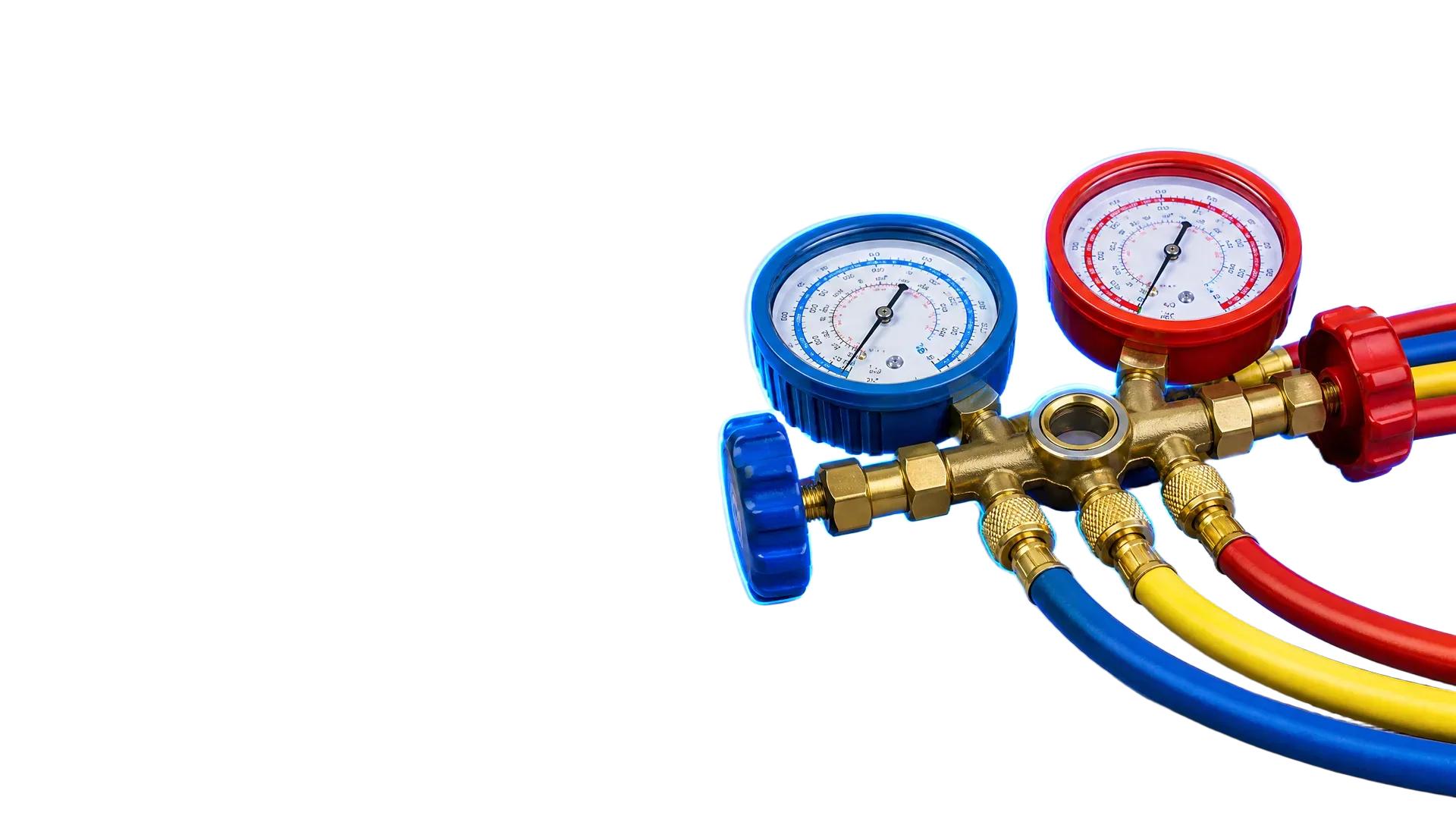
What a tech actually checks
A diagnostic call starts outside, at the outdoor unit. A tech checks the reversing valve first if there's any sign the system is stuck heating or stuck cooling, since that part decides which direction the refrigerant flows. From there it's gauges on the refrigerant lines to check the charge, because a system that's low won't say so on its own. It just works harder and frosts the coil while it does. The coil gets a visual check too, since dirt or ice on it blocks the airflow the whole system depends on. Inside, the tech checks whether the backup strips are doing work the heat pump should be doing itself, which usually means the compressor or the valve isn't holding up its end. Electrical connections and the capacitor get tested along the way, since a compressor that won't start can look like several other problems until someone checks the simple things first. By the end, the tech can usually say whether it's a part worth replacing or a compressor that's done.
The house isn't what's wearing it out
Half the homes in New Mexico were built in 1985 or earlier, and half in 1985 or later. Homes here are newer than in most states. None of that singles out a heat pump for extra wear. Most of the housing in New Mexico is detached single-family, the kind of house these systems are built for. Mobile homes make up a smaller share, and a heat pump on one of those fails the same way as any other. A stuck reversing valve, a low charge, a coil that's iced or dirty. What the house is made of doesn't change what a tech checks first.
A heat pump that won't heat or cool right needs a look now, not after the next cold snap.
Tell us about the job
Takes about a minute. No obligation.
Fill out the form once and a licensed New Mexico contractor calls to set up a time to diagnose it.