Furnace Installation in New Mexico
Homes in New Mexico are newer than in 32 of the other 49 states.
Tell us about the job
Takes about a minute. No obligation.
- 23°Fwinter overnight low where people live
- 7 monthsof heat, October through April
- $8.83 per million Btuwhat homes paid for natural gas in 2024 (Btu means British thermal units, a measure of heat)
- 581winter storms from 2015 to 2024
Nothing extra needed for winters here Seven months of heat, lows near 23°F
- Northern counties need about 43% more heat than southern ones
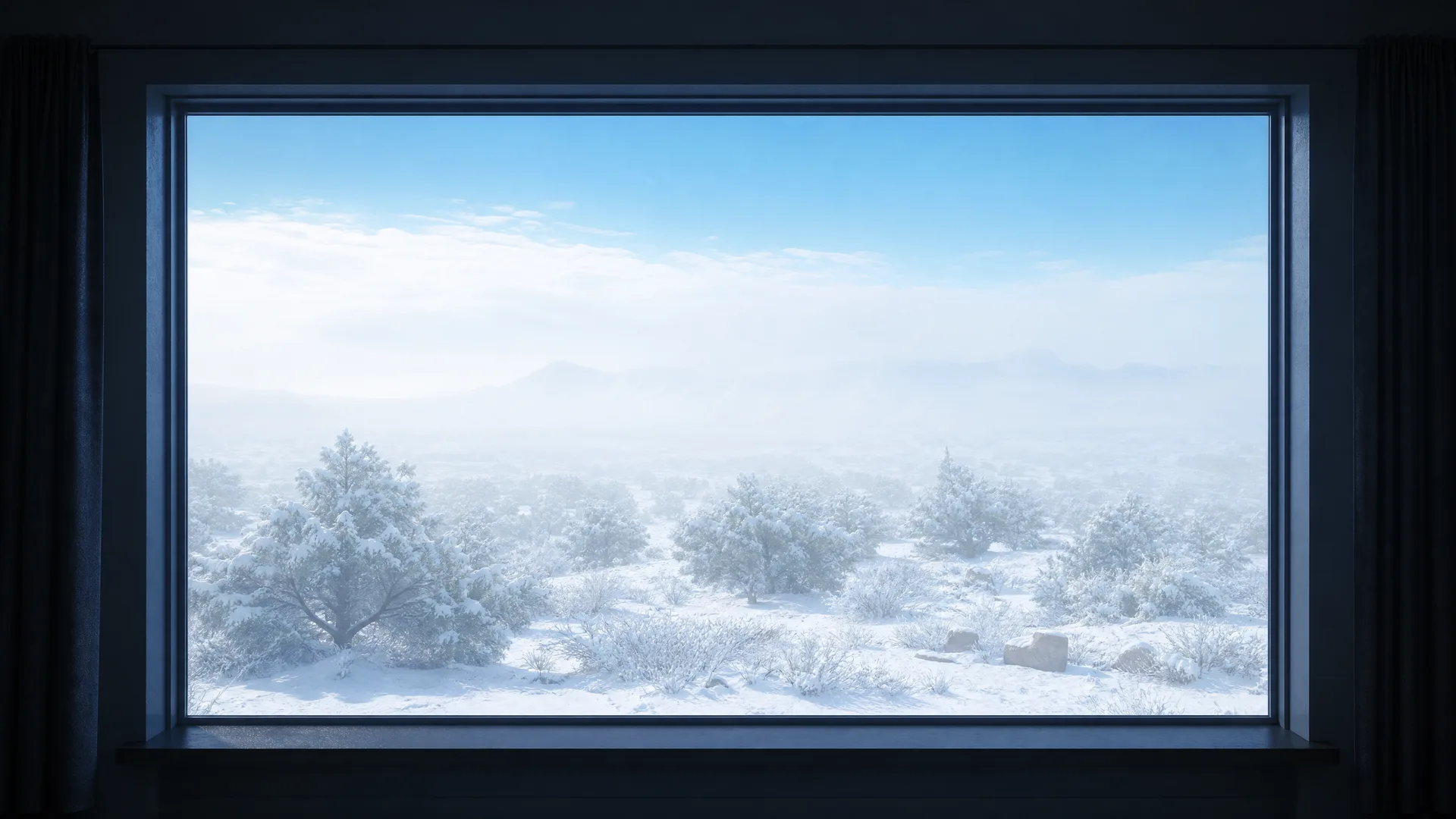
- Winter nights average 23°F where people live
- Heat runs October through April
- 581 winter storms from 2015 to 2024
- Climate zones 3B, 4B and 5B across the state
- 13% of homes lost power a day or more in 2024
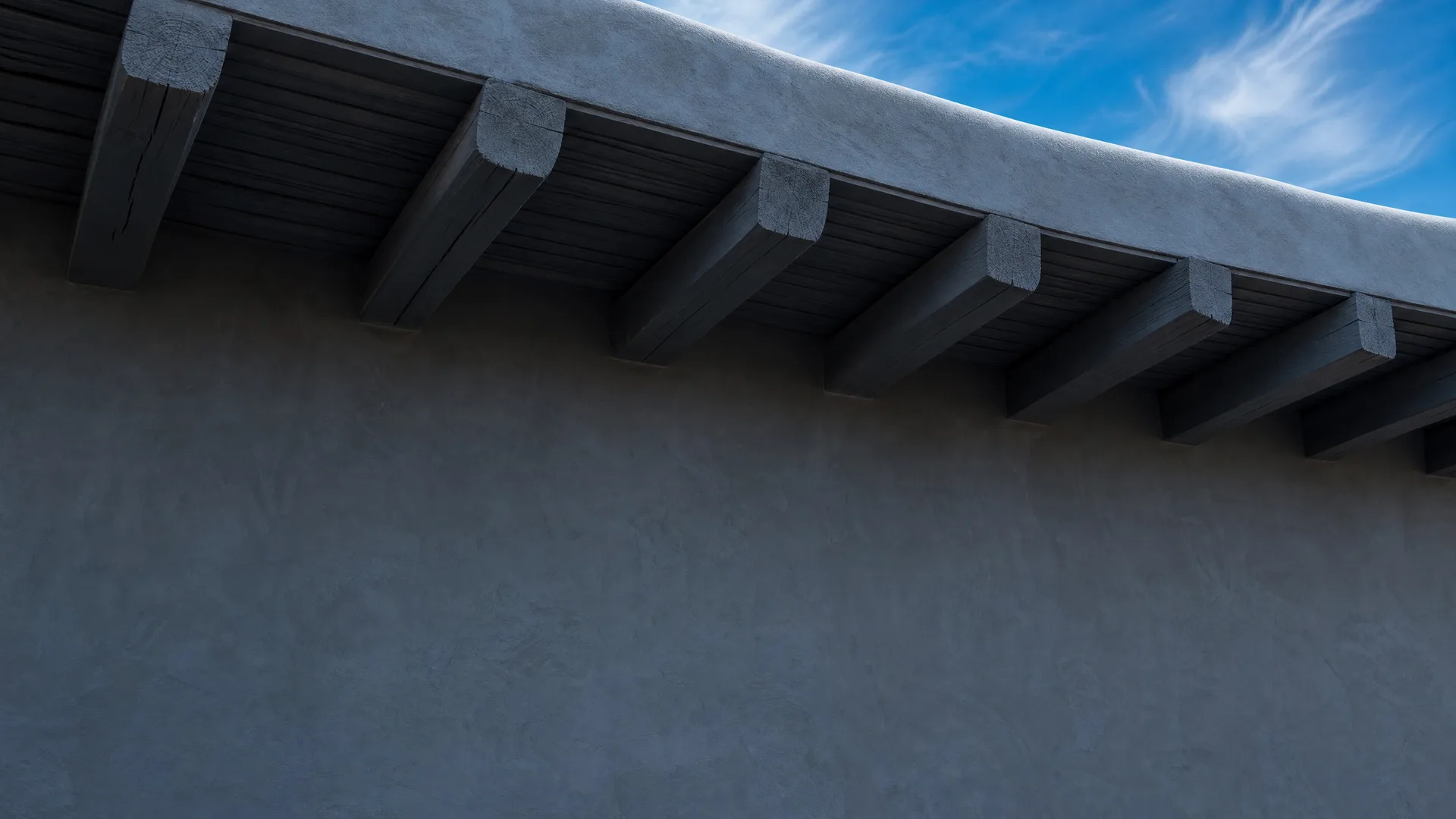
Half of New Mexico's homes were built in 1985 or earlier
Utility gas heats 61.7 percent of homes in New Mexico, more than any other fuel. Electricity comes next at 23.3 percent, and bottled or LP gas heats another 6.8 percent. If your old furnace ran on gas, chances are the line already running to it can serve a new one too.
Replacing a gas furnace with another gas furnace is the straightforward path most homes here take. It means working with a gas line and vent that are already in place, not adding either from scratch. If your home is one of the smaller share that heats with electricity, the right replacement is an electric furnace or heat pump, not a gas unit.
A standard furnace is the right call here
Furnace here runs October through April, and nights average 23°F through the heart of winter. That's cold enough to size for, nothing more. A furnace sized to the house works fine. There's no local reason to oversize it or pay for a higher-efficiency model than you would anywhere else. Get the gas line and vent checked if they're original to the house, and let the contractor run a load calculation on the house itself rather than guessing from the old unit's size.
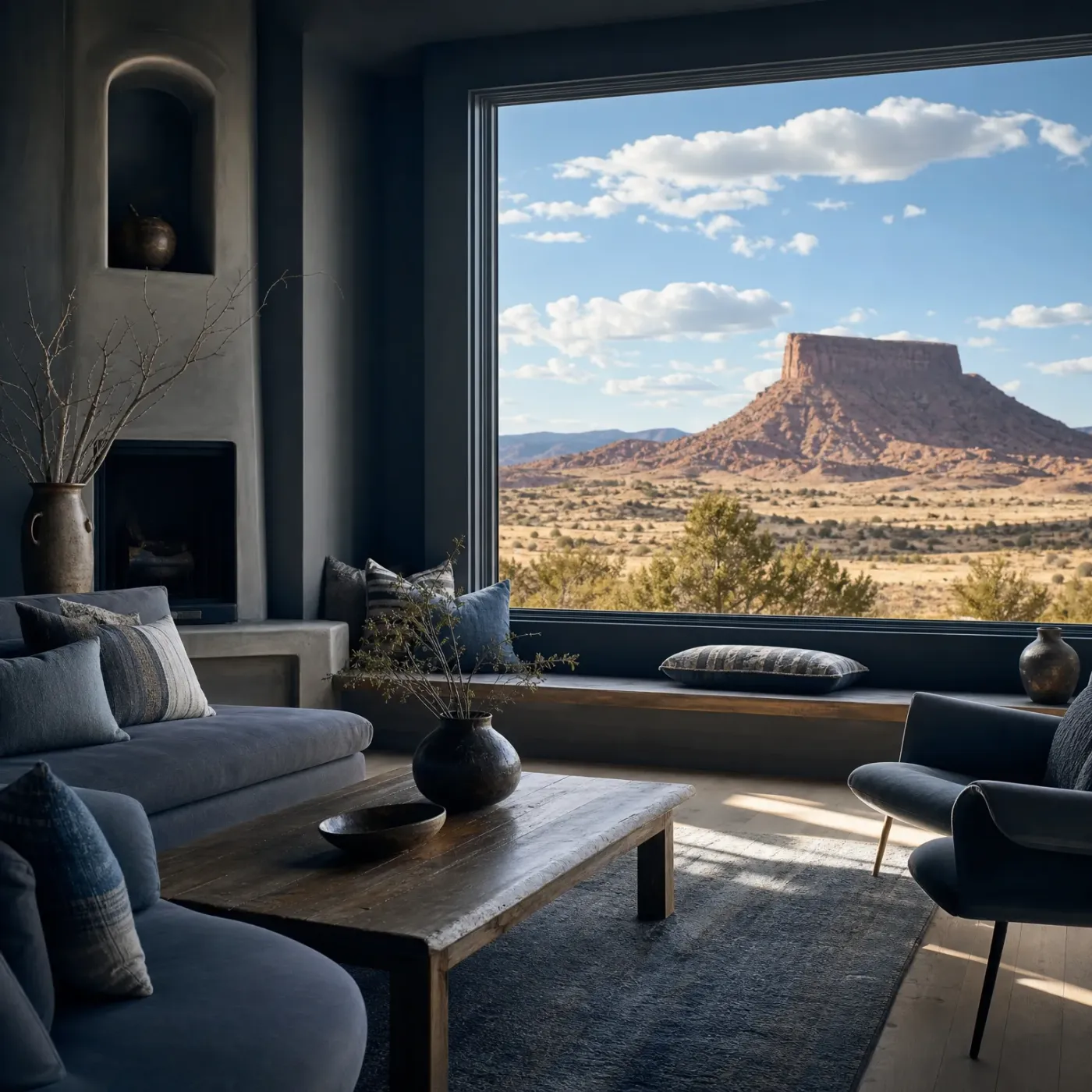
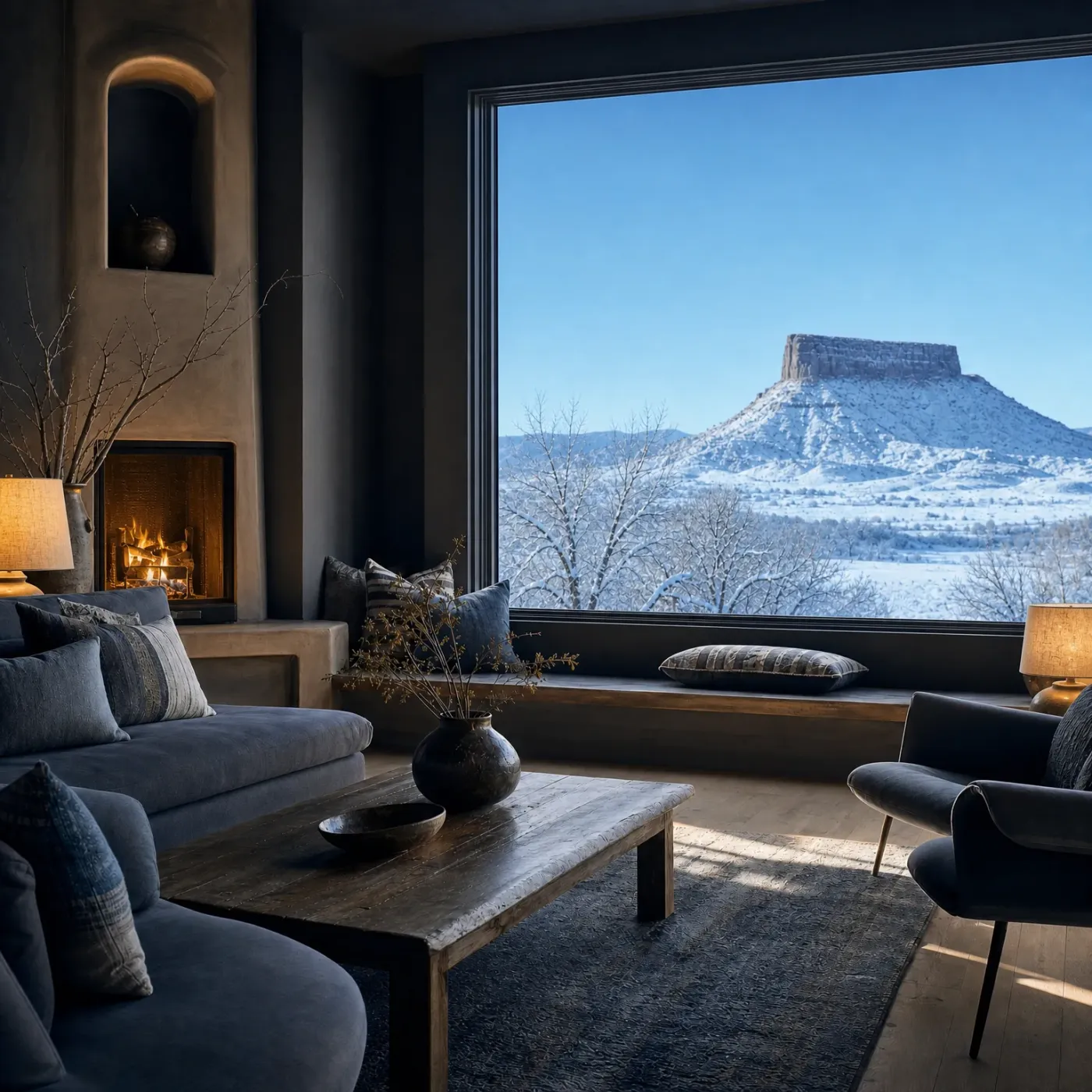
4 months of cooling, June through September
7 months of heat, October through April
What does a furnace in New Mexico face?
How cold do winter nights get?
23°Faverage overnight low where people live
North Dakota4°F
Hawaii65°F
How many months does the heat run?
7 monthsof heating a year
Hawaii0 months
Alaska12 months
What does natural gas cost?
$8.83per million Btu, what homes paid in 2024
Montana$7.77
Hawaii$53.25
How often do storms hit?
244severe weather events per county from 2015 to 2024
Alaska5
Wyoming1,057
How many homes lost power for a day or more?
13%of homes in 2024
Arizona7%
Maine54%
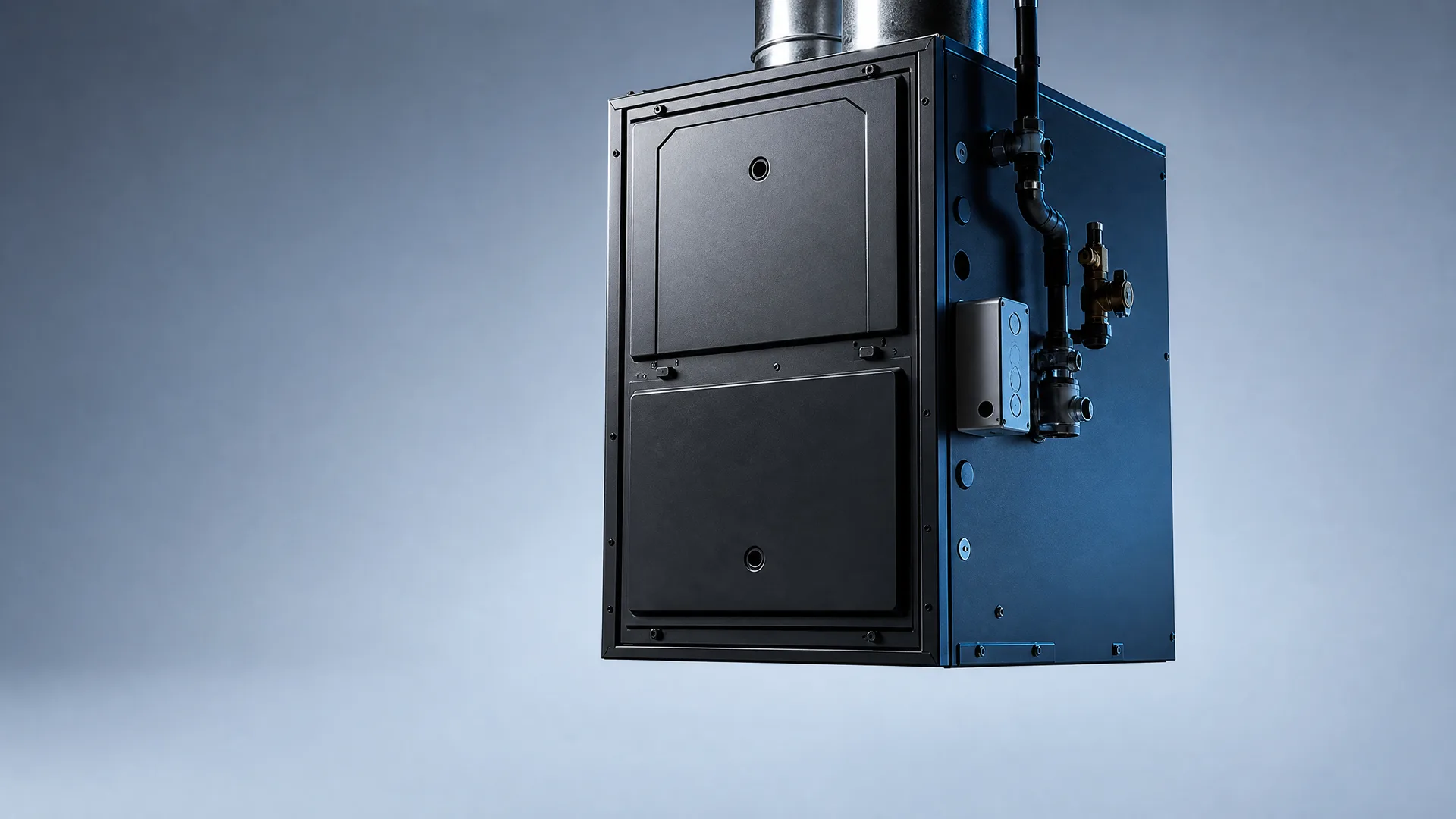
Cheap gas changes what's worth paying for
Gas here runs $8.83 per million Btu, cheaper than most of the country pays. That changes the math on which furnace to buy. A high-efficiency model costs more up front and takes longer to earn that back when gas is already cheap. A mid-efficiency furnace sized right for the house will do the job and cost less to install. Spend on a good install and a correct size before you spend on a higher efficiency tier.
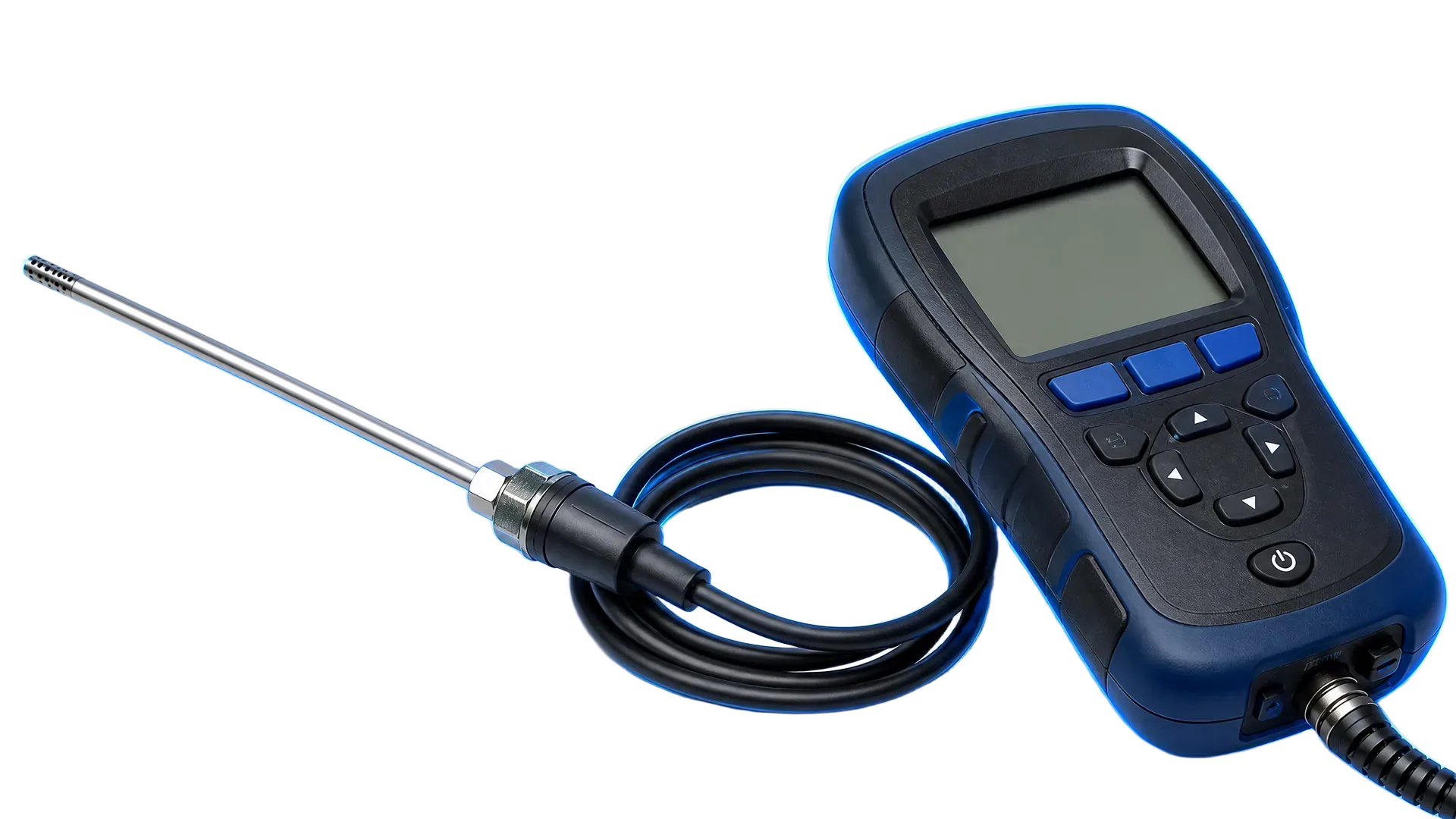
Questions worth asking before you decide
Furnaces can carry the same efficiency rating and still run differently in a house. Ask what size the contractor is recommending and how they got that number. A load calculation looks at the square footage, the windows, the insulation and the layout of the house itself. Sizing off the old unit just repeats whatever mistake was built into the first install. A furnace that's too big will short cycle, turning on and off more than it should. That wears the parts faster and leaves rooms uneven. One that's too small will run long stretches and still struggle on the coldest nights. Ask about the heat exchanger and what it's made of. That's the part that fails last and costs the most when it does. Ask what the warranty covers on parts versus labor, and whether it's tied to the contractor doing the install or to the manufacturer. Ask how the furnace will vent, especially if the new unit's efficiency differs from the old one. Venting that worked for one may not be rated for the other. Ask what happens to the existing ductwork too. A new furnace moving air through old, leaky or undersized ducts won't perform the way the rating on the box suggests.
Weather here doesn't change the furnace
New Mexico sees more severe weather than most of the country, more hail especially, but none of that changes what a furnace has to do inside the house. Wind, hail and snow are a roofing and siding problem, not a heating one. The one event worth a thought is the power outage, since a gas furnace still needs electricity to run the blower and igniter. 13 percent of households here lost power for a day or more in 2024, which is a smaller share than most states see. That's not a reason to size up or add equipment. It's a reason to ask the contractor how the furnace responds when the power comes back on, and leave it there.
Heat starts in October here, so September is the month to replace a furnace, not ride one out.
Tell us about the job
Takes about a minute. No obligation.
Fill out the form once and contractors who install furnaces here will tell you what your house needs.