

View from beneath a dark wooden carport roof across a gravel yard toward a single-story stucco house behind a gray concrete block wall, with a low spreading tree at right.

Furnace Repair in Clovis, NM

Tell us about the job

Takes about a minute. No obligation.

RepairFurnace or heatingCurry County, NM
Step 1 of 2

What ZIP code is the job in?

Your furnace in Clovis runs from October through April. On the coldest nights in December and January, the overnight low averages 25°F, and that is when you need it working most. None of that is unusual wear for a furnace. They are built to run that long and work that hard every winter. When one starts short cycling, blows cold air, or won't fire at all, it is almost always a problem a tech has seen before. A failed igniter. A dirty flame sensor. A clogged filter choking the airflow. Find which one it is and the fix is usually straightforward.

7 months
October through April, your furnace is on duty
25°F
the average winter night it heats against
8 winter storms
in ten years, the nights a failure hurts most
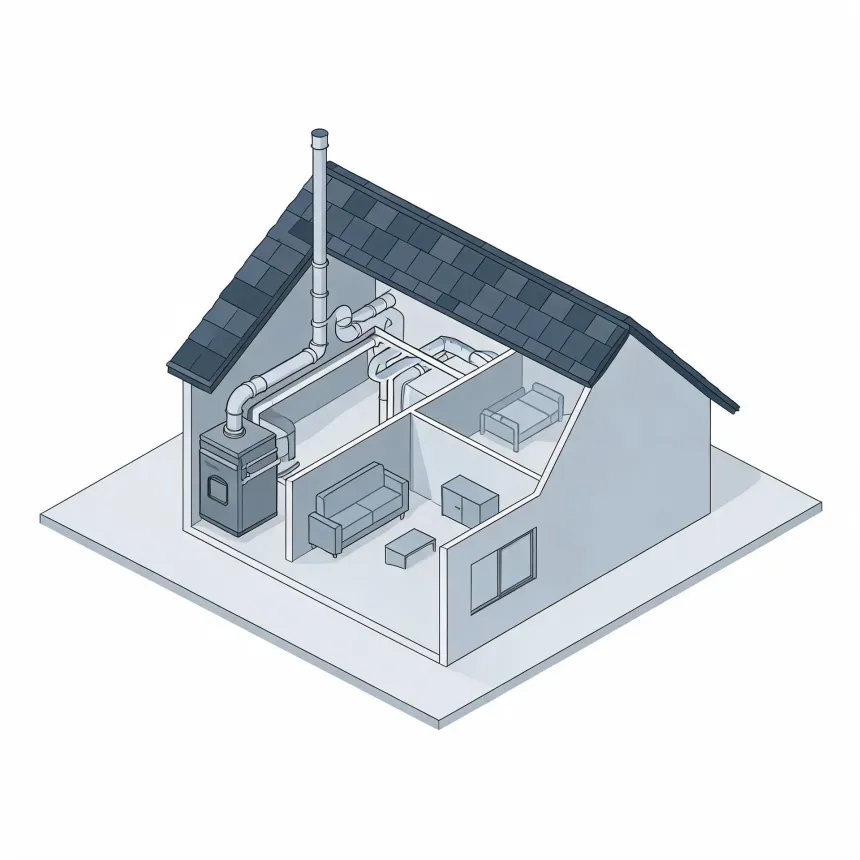
Isometric cutaway illustration of a small gabled house showing a furnace with flue pipe and ductwork connecting to interior rooms containing a sofa, bed, and cabinets.
Your furnace works hardest from November through March.

NOAA nClimDiv, 1991–2020 normals

Furnaces in Curry County sit idle all summer, then start up again in October.

The first cold weeks of October are when a weak igniter or flame sensor usually gives out.

Electricity here runs $41.61 per million Btu, so a furnace limping through a Clovis winter is a bill you feel

Heat runs October through April
Winter nights average 25°F
Climate zone 4B
Clovis furnace repairHalf the homes here were built in 1976 or earlier, half later. Furnace age depends on the system, not the house.

Curry County gets its share of rough weather, with wind and hail driving most of the 219 severe events counted over the years. None of that points to your furnace. Wind and hail hit the roof, the siding, the AC unit sitting outside. The furnace stays inside, out of reach of all that. Power is the one real link, since a blower needs electricity to move air through the house, and 13% of New Mexico households lost power for at least a day in 2024. If a storm knocked your power out and the furnace never came back on right, that is worth checking before anything else. Otherwise this is still the usual furnace problem with the usual fix.

A furnace that's struggling costs more to run here

A furnace short cycling or struggling to fire still pulls power the whole time it's doing it, and at $41.61 per million Btu that shows up on the bill before it ever gets fixed. Getting the actual cause found and repaired is what stops that.

Find a contractor
A gray residential gas furnace installed in an unfinished basement, connected to sheet-metal ductwork and PVC pipes.

Running it longer doesn't buy you time

A cracked heat exchanger stays small if a furnace gets shut down and looked at. Keep running it and the metal keeps flexing with every heat cycle, and a hairline crack opens wider. A blower motor running on a bad bearing is the same story. The bearing gets hotter, the motor pulls harder to keep spinning, and it goes from a faint noise to a seized motor somewhere in the middle of the night. Short cycling wears on the parts too. Every start puts a jolt through the igniter and strains the limit switch, so a furnace that's already short cycling is wearing out the parts that caused it, faster, each time it tries.

Listen before you look

A furnace usually tells you something is wrong before it quits outright. A boom or bang at startup means gas is building up before it lights, instead of lighting right away. A rhythmic squeal points to a blower belt or bearing. Clicking that doesn't turn into a flame means the igniter is trying and failing. Catch the sound and you often catch the part before it strands you without heat.
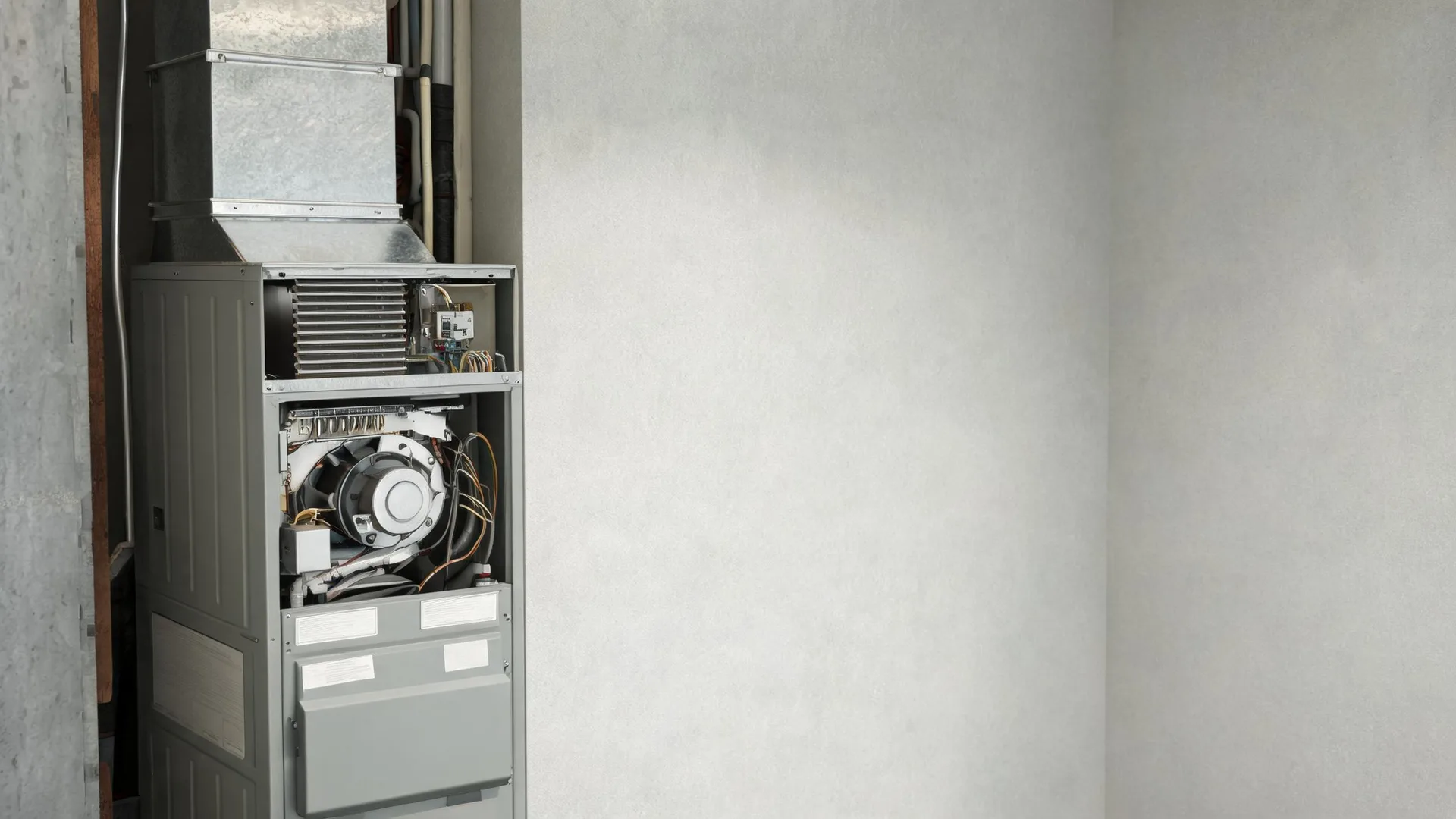
What the air itself tells you

Air coming out lukewarm or cold, instead of hot, usually means the burners aren't firing even though the blower is running. A burning or dusty smell the first few times it runs each season is normal as dust clears off the heat exchanger, but a smell that lingers or smells like gas is not something to wait out. Soot around the vent hood or a yellow flame instead of blue both mean the burners aren't getting the air mix they need, and that's a job for a tech, not a filter change.

A few parts cause most furnace failures, and none of them have much to do with how old the unit is. The igniter heats up and cools down every cycle, and that repeated stress is what eventually cracks it or burns it out, sometimes early in a furnace's life and sometimes late. The flame sensor sits in the burner flame and picks up a coating of oxidation over time. Once that coating builds up enough, it can't tell the control board a flame is there, so the gas shuts back off. A clogged filter causes a different kind of trouble. It starves the blower for air, the heat exchanger runs hotter than it should, and the limit switch trips the furnace off before it overheats. A weak capacitor in the blower motor just stops being able to give the motor the push it needs to start. None of these wait for a furnace to reach a certain age. They show up whenever that specific part gives out.

Most furnace problems are worth fixing. A furnace is a simple machine at heart, a handful of parts that light a flame, blow air across it, and move that air through the house, and most repairs replace one of those parts without touching the rest. A heat exchanger is the exception. Once it cracks, it does not get patched, because a crack lets combustion gas mix into the air moving through the house. That is a replacement, not a repair, and a tech can show you the crack if they find one. Everything else, the igniter, the flame sensor, the blower motor, the control board, gets swapped on its own and the furnace runs on. Age on its own does not condemn a furnace. What matters is which part failed and whether the rest of the furnace is still sound around it.