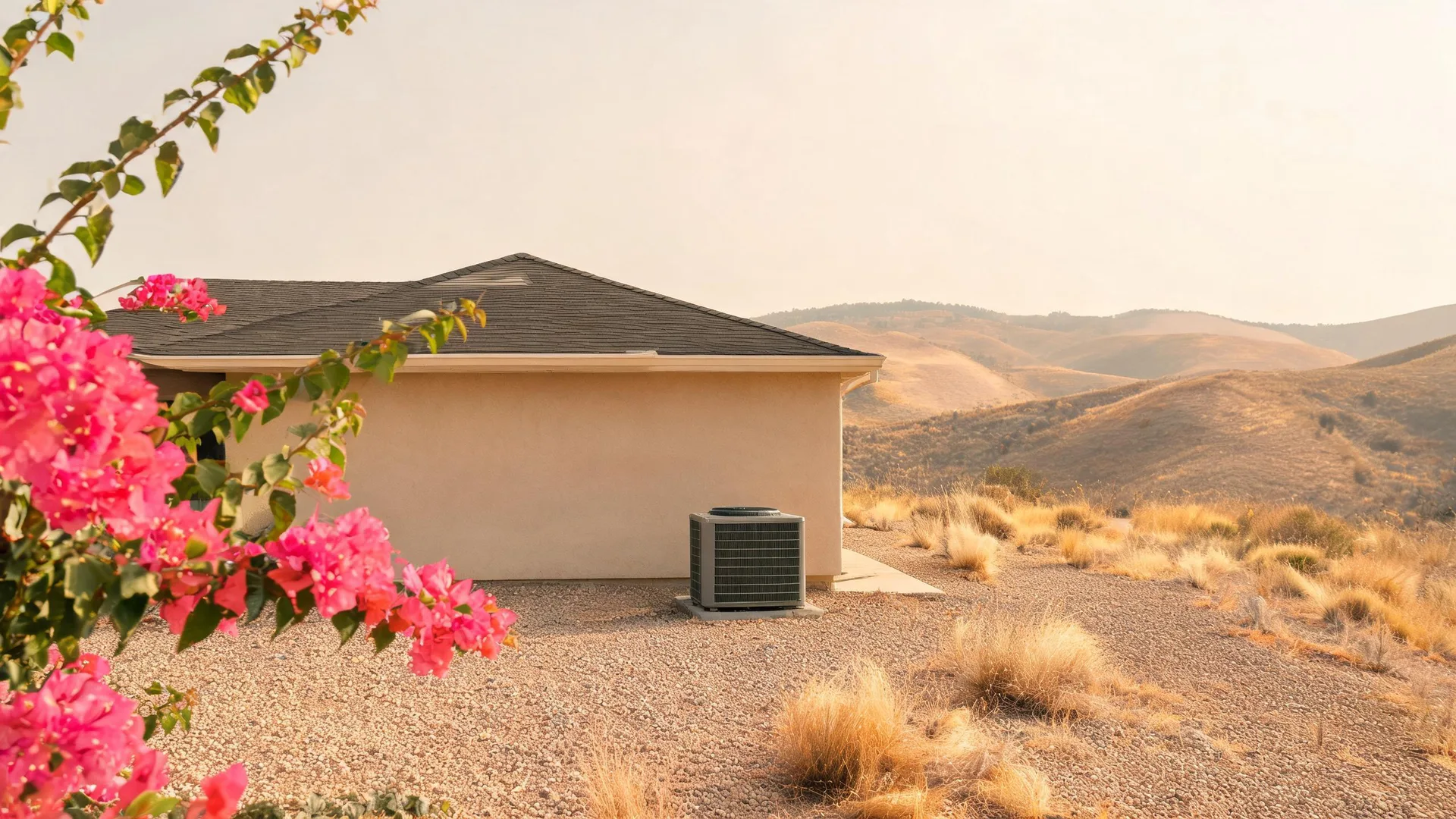
Most of Lincoln County heats with gas
Utility gas heats 62.4% of occupied homes in Lincoln County. Electricity accounts for 15.1 percent, and bottled or LP gas another 6.8 percent.
Takes about a minute. No obligation.
Utility gas heats 62.4% of occupied homes in Lincoln County. Electricity accounts for 15.1 percent, and bottled or LP gas another 6.8 percent.
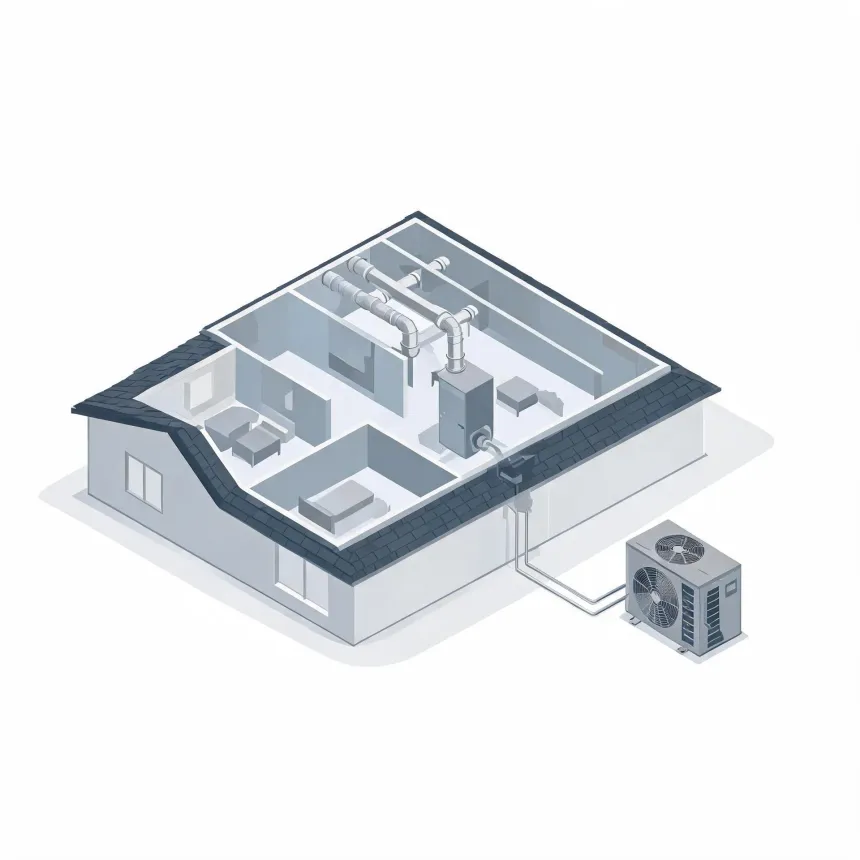
Going from a gas furnace to a heat pump means a different kind of system in the house, not a swap of one box for another. The contractor sizing it will need to look at the gas furnace it's replacing and what the ductwork can handle.
NOAA nClimDiv, 1991–2020 normals
A heat pump sized right for Ruidoso doesn't need to be oversized or top of the line.
Electricity here runs 14.2 cents a kilowatt-hour, close to the national average, so a standard efficiency unit is enough to keep running costs reasonable.



Winter nights here average 24°F, cold enough for a heat pump to work for its keep, but not cold enough to justify going bigger or paying for a higher tier than the house needs. Get it sized to the space and the ductwork, and it'll handle the season fine.
Find a contractorWhat a heat pump costs to put in comes down to what's already there and what has to change. Ductwork built for a gas furnace does not always suit a heat pump. The air has to move differently, so if the ducts are undersized or leaky, that gets fixed first, and the job grows. The electrical panel matters too. A heat pump draws power the furnace never did, so the panel and breaker get checked rather than assumed. Where the outdoor unit sits and how far the line set has to run both add work before the system ever turns on. None of this is about the brand or the features on the box. It is about matching the equipment to the house that already stands there.
A contractor should figure out how much heat the house loses on the coldest day, room by room, before naming a model. Sizing off the old furnace's rating or a rule of thumb like square footage leads to a unit that short-cycles or can't keep up. If nobody mentions doing this math, ask why not.
Every heat pump has a temperature where it can no longer pull enough heat from the outside air to keep up with the house, and below that point something else has to carry the load. Find out what that backup is, how it switches on, and whether it runs on its own or needs a thermostat built for it. A system with no good answer here will leave the house cold on the worst nights.
The old furnace does not always come out right away. If the ducts and venting can be shared for a while, some homeowners leave it in place as backup during the changeover. A straight swap from gas to electric usually means the furnace goes, though, and once it's disconnected, the gas line feeding it gets capped at the source, not just shut off at the valve. Pulling the furnace out of its closet or utility space also frees up room the new air handler or coil will need. Old flue venting that ran through the roof or a wall gets sealed once nothing is drafting through it, since an open vent left behind is just a path for outside air to leak in. It's worth asking who handles the teardown and who caps the gas line, because those can be separate trades and the job needs both done before the new system goes in.
Install day starts with setting the outdoor unit on its pad and getting the indoor coil or air handler in place, since neither gets powered up until both are set. The line set between them gets connected, then pressure tested before any refrigerant goes in. A leak found after charging means draining it back down and starting over, so that test happens first. Electrical work usually follows, tying in a new breaker if the panel needs one and mounting a disconnect box next to the outdoor unit. Once it's wired and charged, the system gets run so the contractor can check the air coming out of the vents and confirm the backup heat kicks on when it's supposed to. The old thermostat usually comes off the wall too, since a heat pump needs one wired to call for backup heat, not just one that turns a furnace on and off. Before packing up, a good contractor walks through how that switchover works, because the first cold morning is the wrong time to find out.