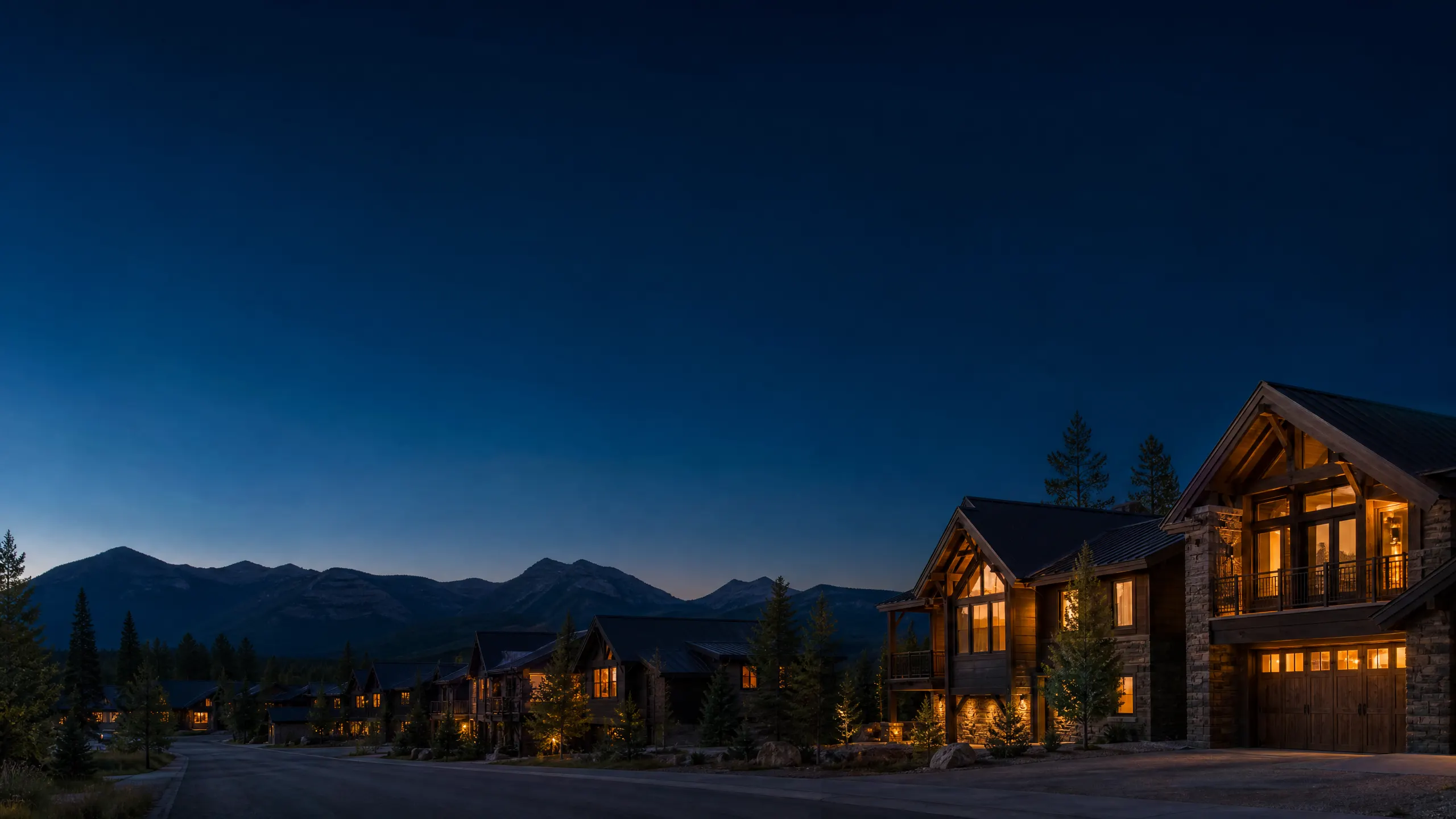




A row of illuminated timber-frame and stone houses photographed at dusk, with evergreen trees and a mountain range in the background.

Heat Pump Installation in Taos, NM

Tell us about the job

Takes about a minute. No obligation.

New system or replacementHeat PumpTaos County, NM
Step 1 of 2

What ZIP code is the job in?

Electricity in New Mexico ran 14.20 cents per kilowatt-hour in 2024. A heat pump runs on electricity for both heating and cooling, so that rate applies every month you use it, not just in summer. In a place with cold winters like Taos, that's most of the year. The efficiency rating on the unit you choose matters more here than it would somewhere you only ran it a few months. A higher rating costs more up front but draws less power for the same heat, and that difference shows up on every bill from the day it's installed.

10 months
September through June, your system heats
14°F
the average winter night it heats against
76°F
the average summer afternoon it cools against
Isometric cutaway illustration of a small house showing ducted air distribution, an indoor air handler, and an outdoor condenser unit connected by lines, with a sofa and bed in the rooms.

Heat in Taos County homes runs from September through June.

Have a new heat pump in before August ends, so the first cold night isn't the night you find out something's wrong.

Gas heats almost half the homes here, and that's what most systems are built around

46.6% of homes heat with gas
44 damaging wind events from 2015 to 2024
4 hail events from 2015 to 2024
Winter storms hit Taos County 129 times between 2015 and 2024A standard heat pump, sized and installed right, handles what this county sees.

Taos County is in climate zone 5B, a cool zone where the heating side of a heat pump does more work than the cooling side. Any split-system heat pump installed here has to meet federal minimums for both sides, 7.5 HSPF2 for heating and 14.3 SEER2 for cooling. That floor narrows what a contractor can offer you. A unit rated right at the minimum will still pass inspection, but in a zone where heating carries the load, the heating number is the one worth asking about. Ask what rating the system you're quoted actually carries, not just whether it passes.

It won't be worked hard here, so pick a heat pump built to last, not the top shelf

Overnight lows here average 14°F in December, January and February. That's steady cold, not extreme cold, and it's what your heat pump will actually work against most winter nights. Wind hit this county 44 times in the last decade, hail only 4 times, so outdoor equipment isn't taking much of a beating. A standard heat pump, sized right for your home, holds up fine here without paying for the top of the line.

Find a contractor
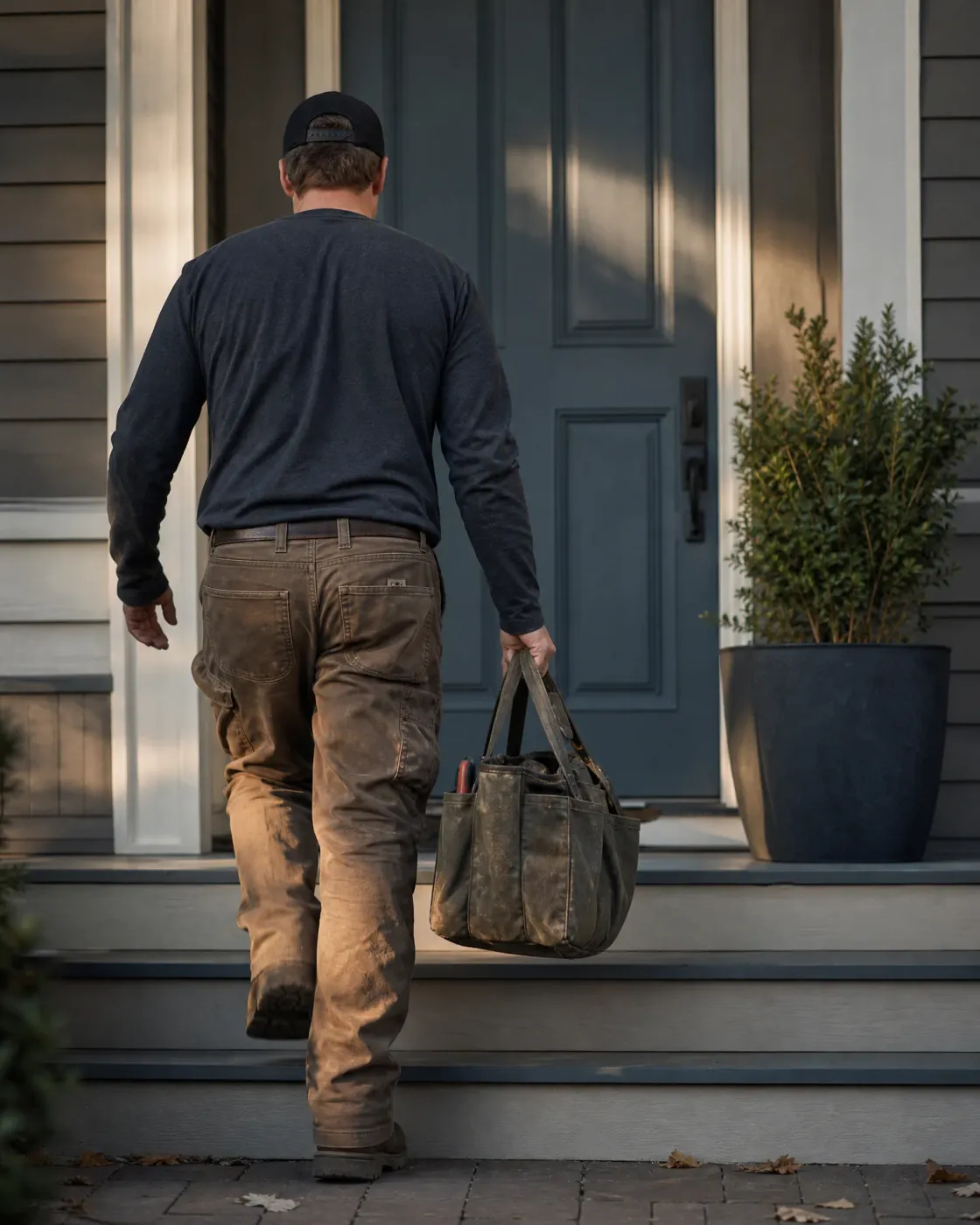
A man in a dark long-sleeved shirt, cap, and worn tan work pants climbs porch steps toward a dark blue front door, carrying a canvas tool bag.
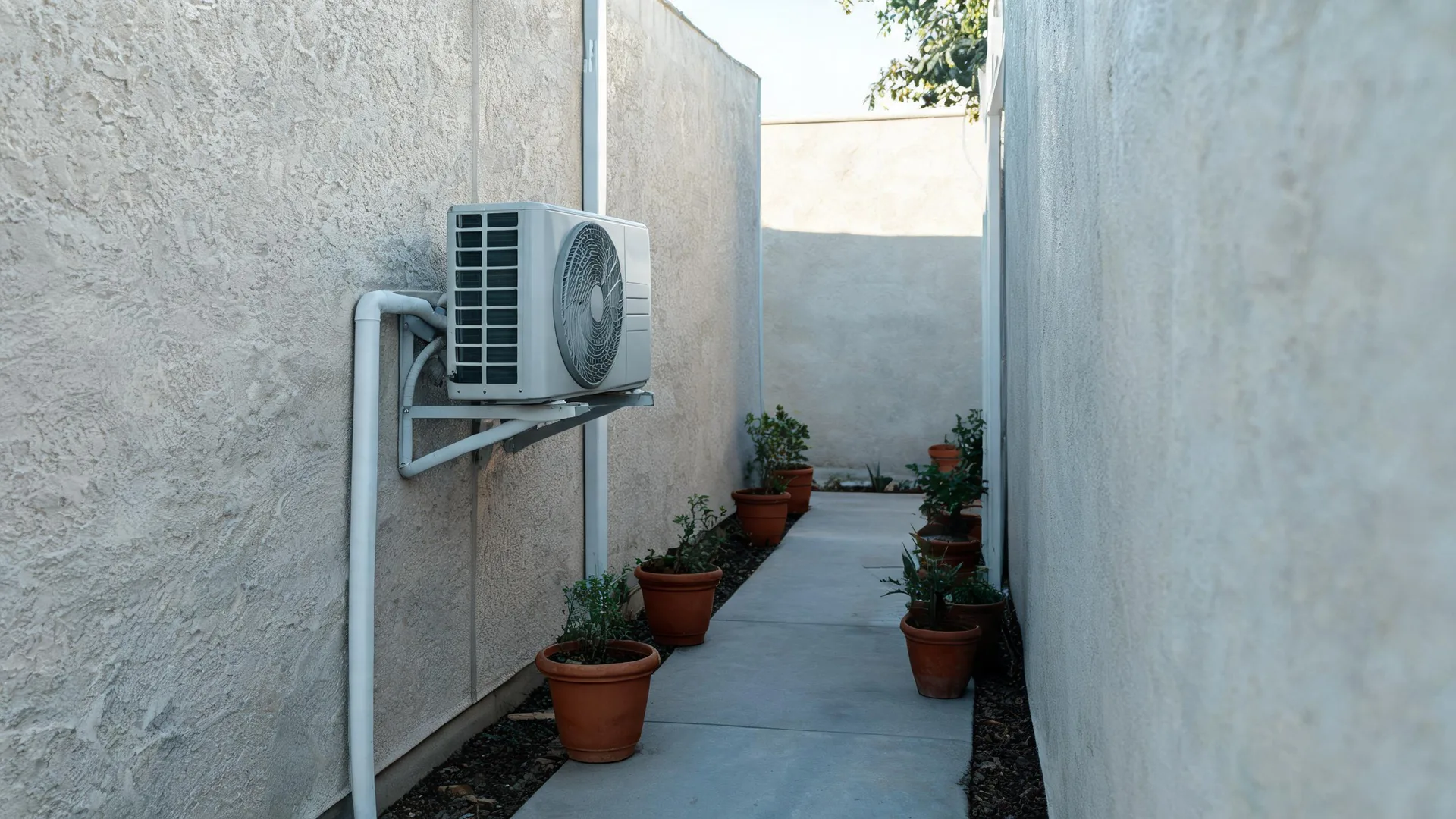
A white mini-split heat pump outdoor unit mounted on a concrete pad beside a gray-sided house, surrounded by gravel and green shrubs.

Years, not seasons

A unit that holds up for years here doesn't need to be the heaviest-duty model on the lot. It needs correct sizing and a clean install, the two things that decide whether it keeps up night after night through a Taos winter. Ask the contractor for something built on standard parts rated for the heating side, since that's the side doing the work here. Skip the model built for coastal wind or desert hail. Taos sees neither often enough to pay extra for it.

Sizing drives the number more than the unit

A contractor has to work out how much heat your house loses on the coldest night and match the system to that, not to the square footage. Get this wrong and the unit runs too long or shuts off too soon, and no amount of spending on the equipment itself fixes that. The load calculation takes time to do right, and that time is part of what you're paying for.
What's already there changes the job

If ductwork is already in place and sound, the installer is connecting to it. If it's undersized, leaky, or missing altogether, that work gets added to the job before the heat pump itself goes in. The electrical panel matters too. Some homes have the capacity for a new circuit sitting idle, others need panel work first. None of that shows up until someone looks at your house specifically.

What happens to the old system depends on what it is. If you're replacing a gas furnace with a heat pump, the furnace gets disconnected and hauled out, and the gas line feeding it gets capped off by someone licensed to do that, not left for later. If you're replacing an old heat pump or straight air conditioner, the outdoor unit and indoor coil both come out, and the refrigerant inside has to be recovered into a tank rather than vented, that's a legal requirement, not a courtesy. Any ductwork that's staying gets inspected while it's open, since this is the easiest point in years to find a leak or a bad connection. The old thermostat usually comes off the wall too, since a heat pump needs one that can run a reversing valve and often a backup heat source, and the thermostat that ran a furnace can't do that job.

Install day starts with the outdoor unit and the indoor coil going in, then the line set connecting them gets brazed, pressure tested, and checked for leaks before anything gets charged with refrigerant. That pressure test matters more than it sounds like it should, because a leak too small to notice this week will empty the system over a season and leave you with a heat pump that runs constantly and never quite gets there. Once the lines check out, the system gets evacuated to pull moisture and air out before refrigerant goes in, since either one left behind damages the compressor over time. The electrical hookup happens alongside that, running power to the outdoor unit and wiring the new thermostat. Toward the end of the day, the contractor runs the system through both modes, heating and cooling, and checks the refrigerant charge against the manufacturer's spec rather than guessing by feel. A walkthrough of the thermostat and the shutoffs is the last thing that happens before anyone leaves, and it's worth paying attention to since a heat pump has settings and a backup heat setup a furnace thermostat never asked you to think about.