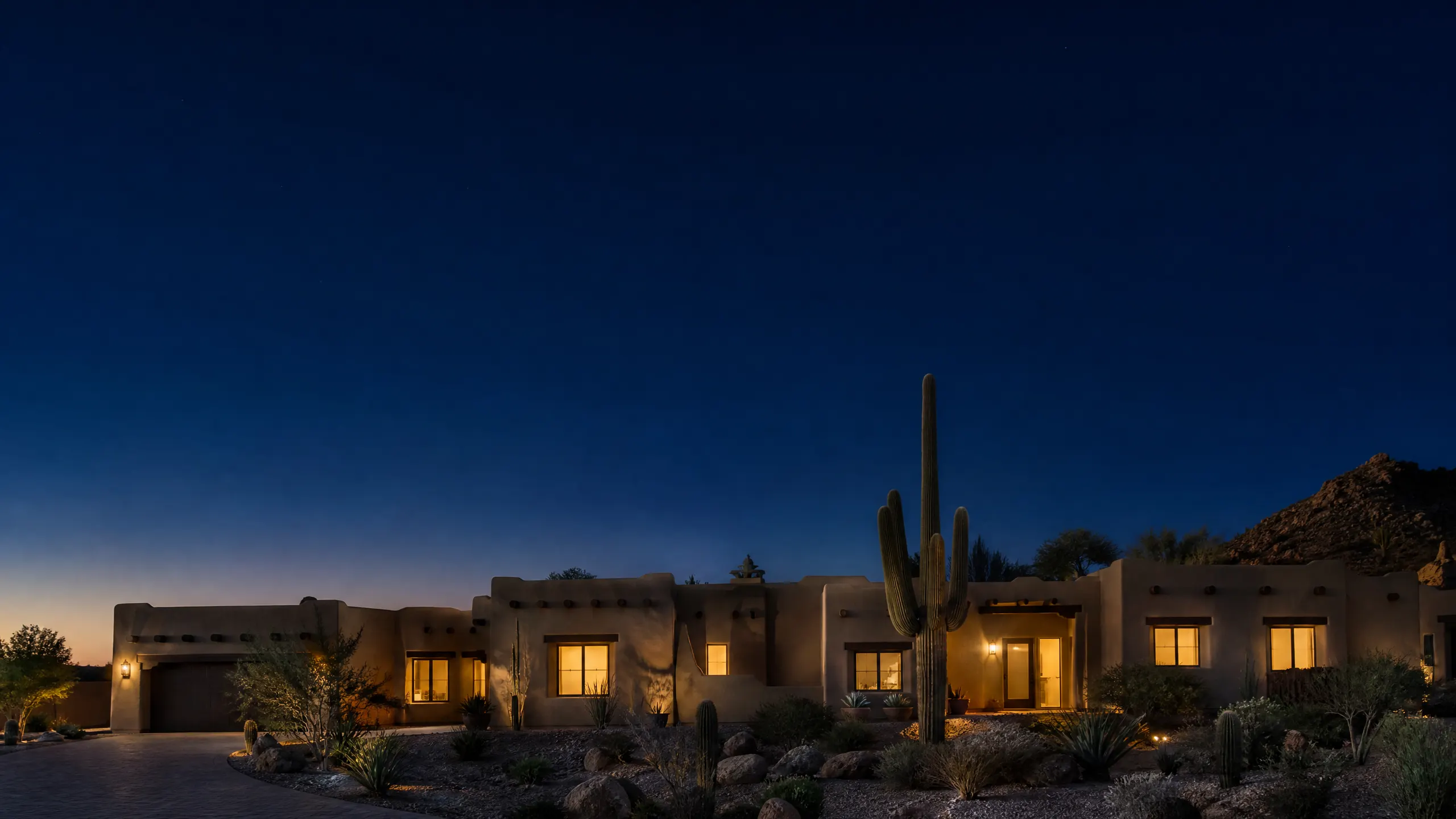





A flat-roofed adobe-style desert house photographed at twilight, surrounded by saguaro cacti and xeriscape landscaping.

Heat Pump Installation in Reserve, NM

Tell us about the job

Takes about a minute. No obligation.

New system or replacementHeat PumpCatron County, NM
Step 1 of 2

What ZIP code is the job in?

A standard heat pump sized for your square footage and insulation level works fine here. There's nothing about Reserve that calls for oversizing a system or stepping up to a premium tier. Electricity in New Mexico ran 14.20 cents per kilowatthour in 2024, so running costs come down mostly to how well the unit matches your home, not the model you choose. A contractor sizing the system will look at your ductwork, your insulation and the square footage before settling on a ton rating. Getting that match right matters more than any added feature.

9 months
September through May, your system heats
18°F
the average winter night it heats against
82°F
the average summer afternoon it cools against
Isometric grayscale illustration of a cutaway house showing interior rooms, ceiling ductwork and an air handler, connected by lines to an outdoor condenser unit on a pad outside.

Heat here runs September through May, nine months of the year.

August is the month to get a heat pump installed, before the first cold night puts it to work.

Wind and hail test a heat pump here. Cold doesn't push it hard.

61 damaging wind events from 2015 to 2024
10 hail events from 2015 to 2024
40 winter storms from 2015 to 2024

Over a third of the homes in Catron County are mobile homes. That changes what a contractor checks before sizing a heat pump, since a mobile home's duct layout and wall construction aren't the same as a site-built house. Half the homes here were built in 1986 or earlier, so a contractor is just as likely to be matching a unit to an older place as a newer one. None of that points to a bigger unit or a special tier. It points to getting the measurements right for the specific place, mobile or not, old or new.

A new system here has to meet zone 4B standards

Catron County sits in climate zone 4B, and any heat pump installed here now has to meet 14.3 SEER2 and 7.5 HSPF2 at minimum. Central air units installed in the Southwest carry their own baseline too. A federal tax credit is available for qualifying installations, which helps offset the cost of a unit that meets these standards.

Find a contractor
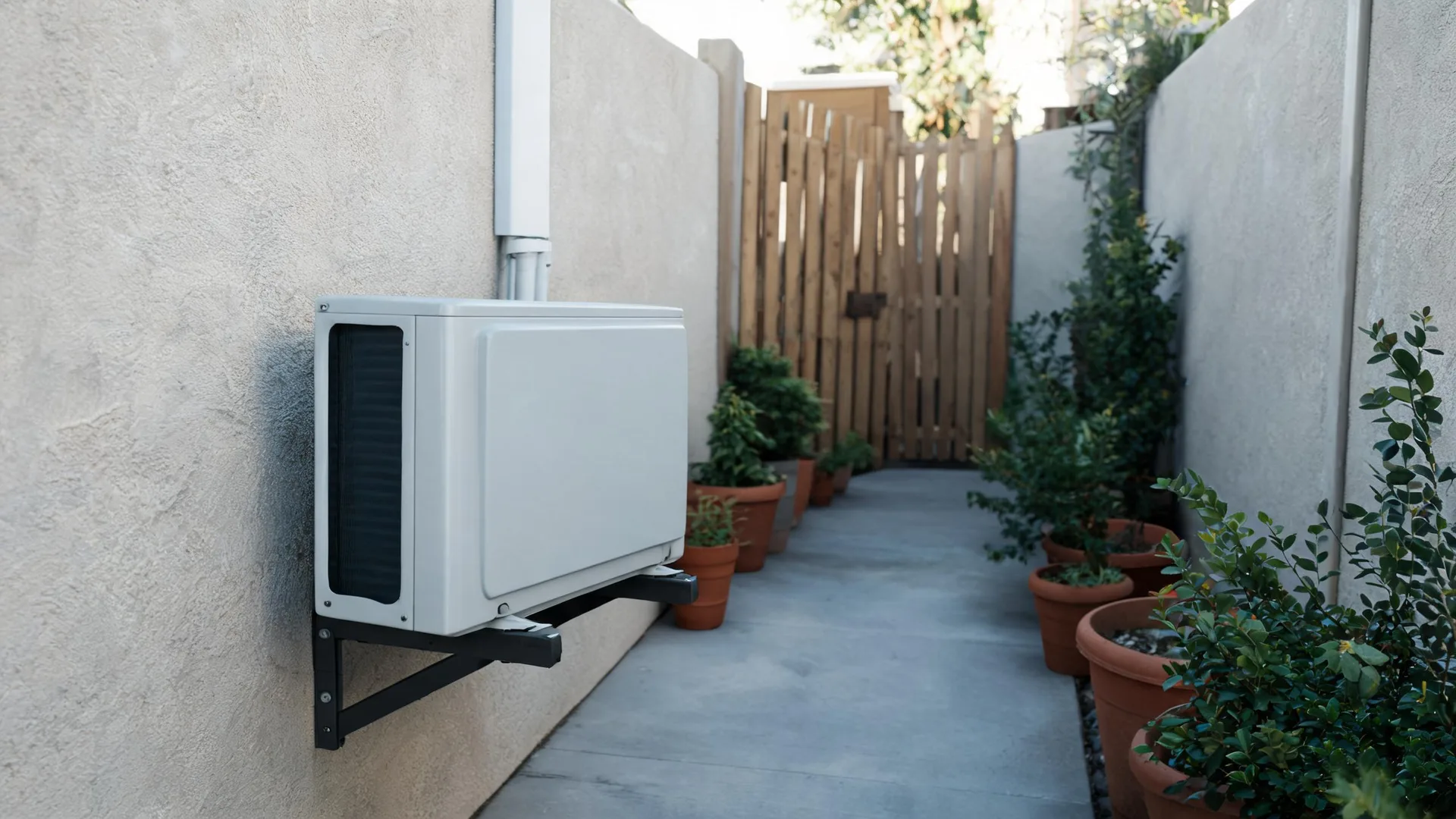
A gray heat pump outdoor unit mounted on a concrete pad next to the stone-accented exterior wall of a house.

A full day's run, most of the year

An overnight low averaging 18°F is not an extreme number for a heat pump to work against. It runs longer on the coldest nights but it is not fighting the kind of cold that wears on a compressor. Pick a standard unit sized to your home and let it run. There's no case here for a cold-climate model or a bigger ton rating than your square footage calls for.

Too big is its own problem

A heat pump that's oversized cools or heats the air fast, hits the thermostat setting, and shuts off before it finishes pulling moisture out of the air. It cycles on and off more than it should, and that short cycling wears on the compressor over time. Bigger isn't a safety margin. It's a different kind of wrong.
The load calculation is the real work

A contractor figures the size by working out your home's heat loss and heat gain, room by room, using your square footage, your window area, your insulation and how much outside wall you have. That math produces a load number in BTUs, and the ton rating gets picked to match it. Skipping that step and sizing off square footage alone is how homes end up with the wrong unit.

What drives the price on a heat pump install is mostly what has to change to put the unit in, not the unit itself. If the ductwork already fits the new system, that's less labor. If the line set runs a short, simple path between the outdoor unit and the air handler, that's less labor too. Electrical work adds cost fast. A heat pump needs its own circuit, and if the panel doesn't have room, or the wiring to the mechanical closet isn't there, that work has to happen before the heat pump goes in at all. Removing an old unit, patching ductwork, relocating the outdoor pad, all of that is separate from the equipment cost. The unit itself is often the smaller part of the number.

Installation day starts with the old system coming out, if there is one. The new outdoor unit gets set on its pad and the air handler or indoor coil goes in wherever the old one sat, or in a new spot if that's part of the job. The line set between them gets run, connected and sealed, then pressure tested so the refrigerant has no way to leak once it's charged. Electrical comes next. The circuit and disconnect get matched to the new unit's specs before any power runs to it. Once it's all connected, the system gets charged to the manufacturer's spec and run on both heating and cooling, so the contractor can check vent temperatures and confirm the thermostat is actually talking to the unit. A lot of the day goes to things a homeowner never sees, sealing joints, checking how hard the blower has to work against the ductwork, making sure condensate drains the way it's supposed to. A good install ends with the system running quiet and holding the temperature it's set to.