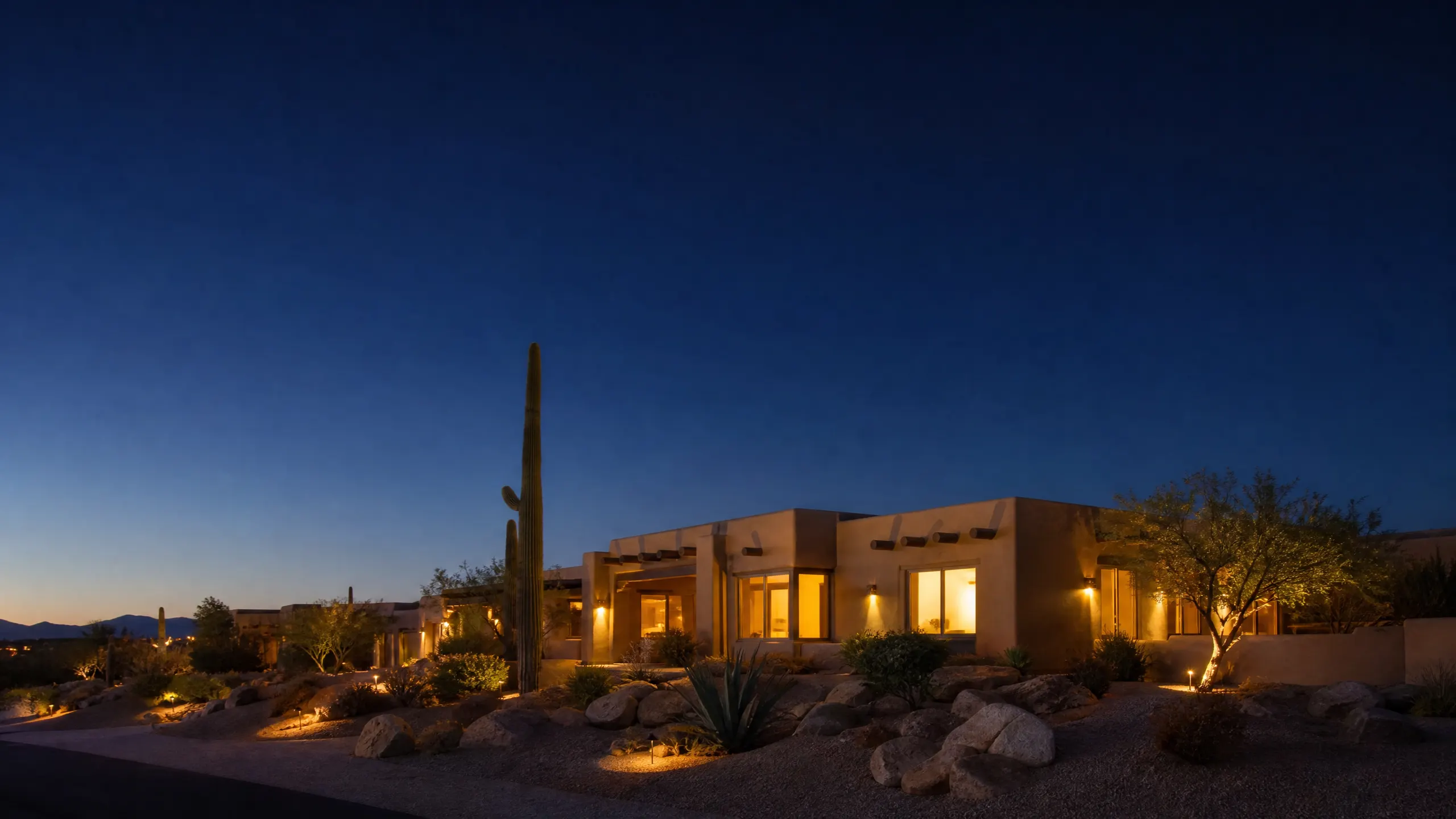






A low-profile adobe house with glowing windows and landscape lighting, surrounded by desert rocks, shrubs, and a saguaro cactus at dusk.

Heat Pump Installation in Raton, NM

Tell us about the job

Takes about a minute. No obligation.

New system or replacementHeat PumpColfax County, NM
Step 1 of 2

What ZIP code is the job in?

Electricity in New Mexico ran 14.20 cents per kilowatthour in 2024. A heat pump moves heat instead of burning gas to make it, so it gets more out of every kilowatthour than baseboard or resistance heat does. At that price, the difference between a unit that runs efficiently and one that doesn't shows up on the bill every month, not just at install. Raton sits at altitude with cold winters, so this system will run often. Ask what HSPF2 and SEER2 rating you're being quoted, since those numbers tell you how much electricity it takes to do the job.

9 months
September through May, your system heats
17°F
the average winter night it heats against
81°F
the average summer afternoon it cools against
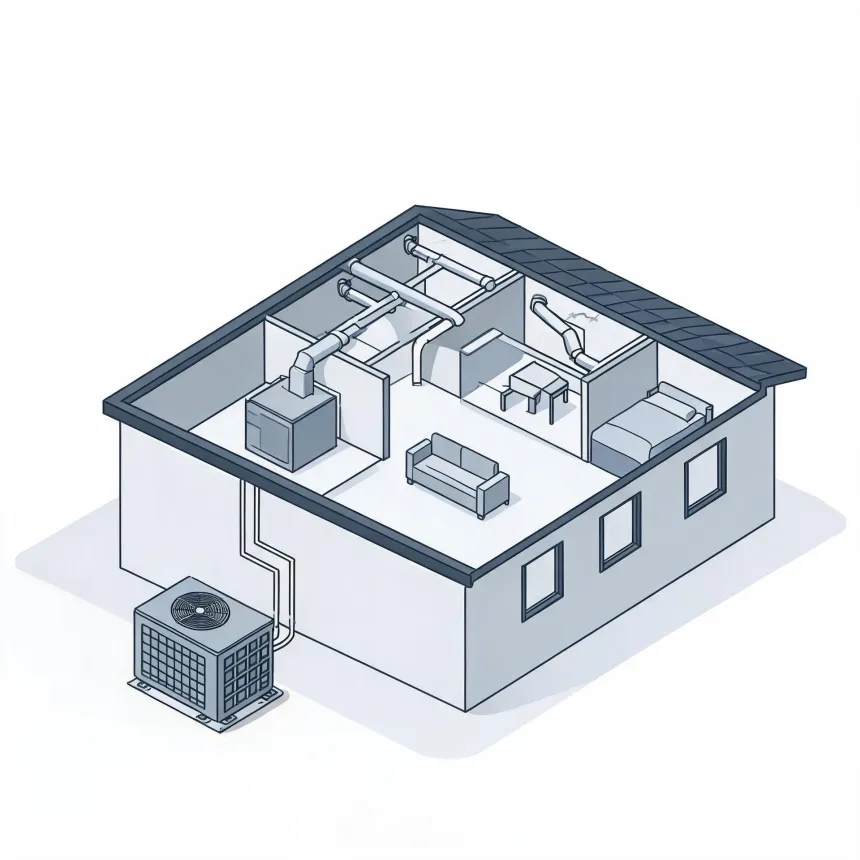
Isometric line illustration of a cutaway single-story house showing interior rooms with ducted air distribution, an indoor air handler, furniture, and an outdoor condenser unit connected by lines outside the wall.

Colfax County logged 129 winter storms and 157 damaging wind events over the past decade.

A standard heat pump sized correctly for Raton holds up fine against that. There's no local reason to oversize the unit or pay for extra capacity.

Most homes in Colfax County heat with gas, so a heat pump is the exception here, not the replacement

59.2% of homes heat with gas
157 damaging wind events from 2015 to 2024
80 hail events from 2015 to 2024
A standard heat pump does the job hereColfax County winters don't call for a bigger or pricier unit than this job needs.

Colfax County falls in climate zone 5B, a cool, dry zone where heating does more of the work than cooling. Any new heat pump installed here has to meet a federal minimum of 7.5 HSPF2 for heating. That floor is set for the whole country, not just places like Raton, so it accounts for the cold winters here without going further. Cooling has its own minimum too, tied to the unit's size and how it's certified. A contractor can always quote something that beats these numbers. Nothing sold new here can legally fall short of them.

The right size for your home, nothing more

Half the homes in Colfax County were built in 1977 or earlier, half later, and a standard correctly sized heat pump handles either one. Mobile homes make up 14.4% of the housing here, which is a sizing question for whoever installs it, not a reason to pay for more unit than the job calls for. Get the right size for your house.

Find a contractor
A man in a dark long-sleeve shirt and worn brown work pants, seen from behind, carries a canvas tool bag up the steps toward a gray front door, with a potted shrub beside the entry.
A white mini-split heat pump outdoor unit mounted on a concrete pad beside a gray-sided house, surrounded by gravel and green shrubs.

Install it in August, before it has to work

Heat here runs from September through May, about nine months a year. A heat pump installed in August starts the season already in place instead of mid-breakdown. That matters more for a heat pump than a furnace, since it's doing the cooling job too, and a bad install shows up in both directions. Nine months a year is most of the year. Get the sizing and the setup right before the first cold night asks anything of it.

What HSPF2 and SEER2 actually measure

HSPF2 tells you how much heat a unit produces over a season compared to the electricity it uses for heating. SEER2 does the same for cooling. Higher numbers mean the unit gets more work done per kilowatthour. They're not a measure of how big the unit is or how fast it heats a room, just how much electricity it takes to do that job over a full season.
A higher rating is a tradeoff, not a free upgrade

A unit with a higher HSPF2 or SEER2 rating usually costs more upfront, often with a better compressor or a variable-speed motor behind the number. Whether that cost earns itself back depends on how much the system runs and what power costs where you live. The rating is one line on a quote. It's worth comparing against the rest of what you're being sold before deciding it's worth paying extra for.

Ask what happens below freezing. Every heat pump loses capacity as the outdoor temperature drops, and the quote should tell you what backup heat kicks in when the unit can't keep up on its own, electric strips, a furnace, or nothing at all. Ask how the contractor is sizing the unit, not just guessing from the square footage but running a load calculation on your house specifically. Too big and it short cycles, wearing out parts faster and leaving the air damp. Too small and it runs constantly without catching up on the coldest days. Ask about the compressor too. A single-stage compressor is either on or off, while a variable-speed one adjusts its output to match what the house actually needs, which matters for both comfort and how hard the unit works over its life.

Installation starts with the load calculation and the walkthrough, not the equipment showing up. The crew sets the outdoor unit on a pad or bracket, runs the line set and wiring to the indoor coil or air handler, and ties into the ductwork if one's already there. The refrigerant lines get connected, pressure tested, then evacuated to pull out moisture and air before any refrigerant goes in. That vacuum step matters more than people think. Trapped moisture in the lines turns to acid over time and eats at the compressor from the inside. Once the system's charged, the crew checks refrigerant levels against the manufacturer's spec for the actual line length, not just a gauge reading that looks close enough. Then they run it in both directions, heating and cooling, and check that the thermostat is talking to the system the way it should. A heat pump install that skips the vacuum or eyeballs the charge will run fine for a while and then start costing you in ways that are hard to trace back to install day.