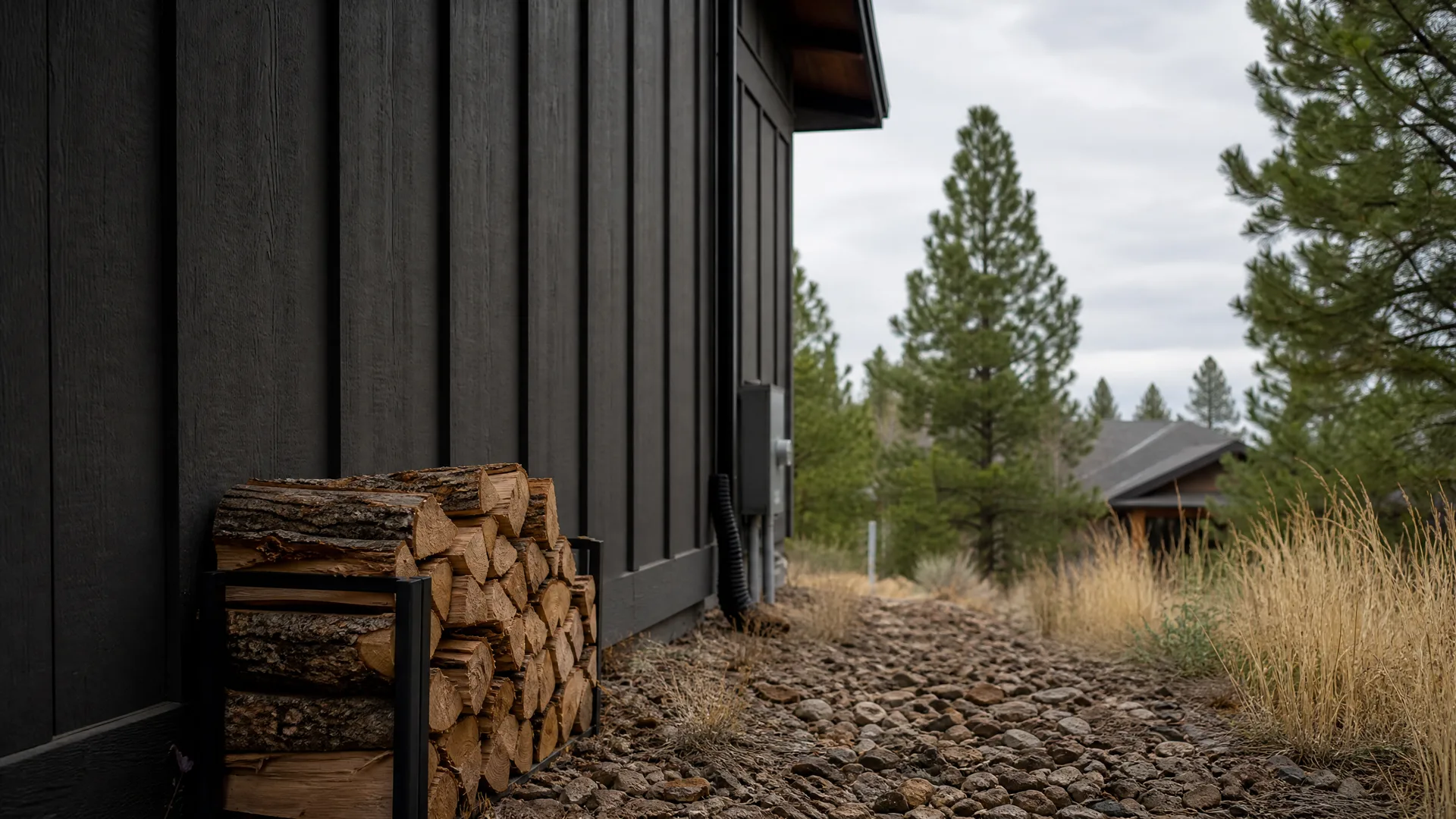




A stack of split firewood in a metal rack sits against the dark vertical-board exterior wall of a house, beside a gravel path with dry grass and pine trees under an overcast sky.

Heat Pump Installation in Española, NM

Tell us about the job

Takes about a minute. No obligation.

New system or replacementHeat PumpRio Arriba County, NM
Step 1 of 2

What ZIP code is the job in?

Electricity in New Mexico ran 14.20 cents per kilowatthour in 2024. A heat pump moves heat instead of burning gas, but it still runs on electricity, and in Española it runs most of the year to cover both heating and cooling. That makes the efficiency rating on the unit worth reading closely before you buy. Two systems can heat the same house and cost very different amounts to run, month after month, at that electric rate. Ask what HSPF2 and SEER2 numbers the installer is quoting, and compare them against what you have now.

9 months
September through May, your system heats
15°F
the average winter night it heats against
81°F
the average summer afternoon it cools against
Isometric line illustration of a cutaway single-story house showing interior rooms with furniture and ceiling ductwork, connected to an outdoor condenser unit on the ground outside the left wall.

Winter storms have hit Rio Arriba County 144 times between 2015 and 2024.

A standard heat pump sized correctly for the house handles that. There's no reason to size up or pay for extra capacity here.

Most homes in Rio Arriba County already run on gas

59.4% of homes heat with gas
33 damaging wind events from 2015 to 2024
15 hail events from 2015 to 2024

Heat here starts in September and runs through May, nine months of the year. If your system is on its way out, August is the month to get it replaced. Installing before the first cold morning means the crew has time to size the unit right and run the lines properly, instead of rushing a swap once you're already cold. It also means you're not waiting on parts with no heat running. A heat pump installed in August gets tested and settled in before it has to do any real work.

Any new system here has to meet zone 5B's minimum efficiency

Rio Arriba County falls under zone 5B, and any heat pump installed here now has to clear 7.5 HSPF2 for heating and 14.3 SEER2 for cooling. Those are the federal floor, not a goal to aim for. A federal tax credit is available on qualifying equipment, so it's worth asking which models the installer is quoting clear that bar.

Find a contractor
A gray heat pump outdoor unit mounted on a concrete pad next to the stone-accented exterior wall of a house.

Steady running, not hard running

Winters here average 15 degrees overnight, cold enough for the heat pump to run most hours of the day across the season. But cold isn't the same as hard on the system. A heat pump sized right for the house isn't straining to keep up, it's just running long and steady. That's a different kind of wear than what short, hard bursts put on a machine. Age and upkeep will catch up with this unit long before the workload does.

The size of the house decides the size of the unit

A heat pump has to be matched to the heat loss and heat gain of the house it's going into, not picked off a shelf. An installer should run a load calculation, not just swap in whatever size was there before. Going bigger than the house needs doesn't mean better comfort, it means short cycling and a unit that wears out its parts faster.
What's already at the house adds to the job

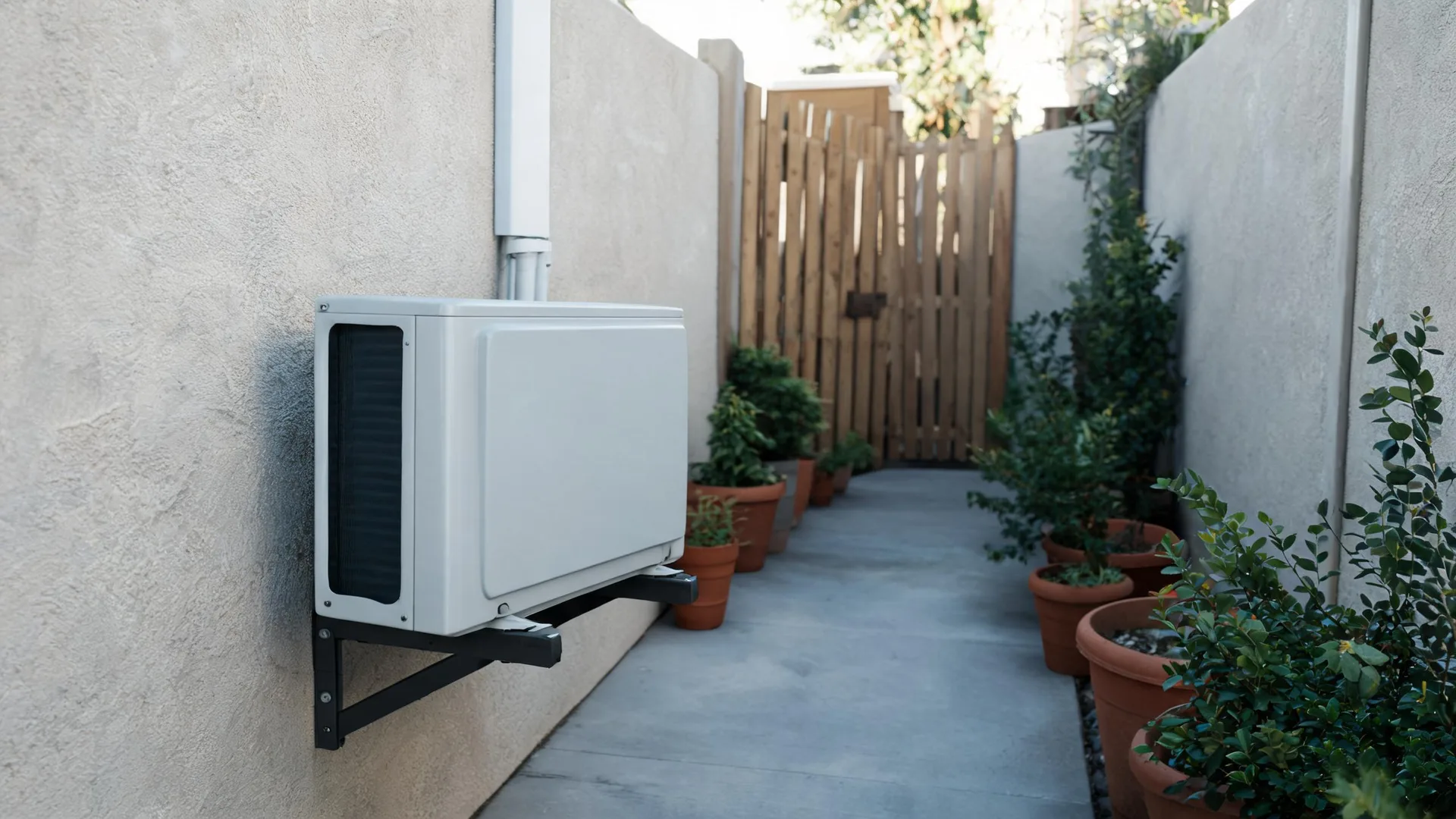
The unit itself is only part of the bill. Ductwork that needs resizing or sealing, an electrical panel that can't take the new load, or old refrigerant lines that need replacing all add work beyond setting the equipment in place. An installer walking the house before quoting a price is checking for exactly this.

Ask what happens at the coldest point in the system's range, not just at the rating it ships with. A standard heat pump loses heating capacity as the outdoor temperature drops, and at some point it can't keep up without backup heat kicking in. Ask the installer where that point is for the model they're quoting, and what the backup is, usually electric resistance heat, and how often it expects to run. Also ask about the defrost cycle. Every heat pump frosts over in cold, damp conditions and has to pause and reverse to clear it, and some do it more efficiently than others. A system that defrosts often and runs its backup heat a lot will cost more to run than the rating on paper suggests.

Installation day starts outside. The crew sets the outdoor unit on its pad, runs the refrigerant lines over to where the indoor coil sits, and pressure tests the whole line set before any refrigerant goes in. A leak at a joint is easy to fix now and a real headache later. Indoors, the coil ties into the ductwork, and the electrical connections get run to the panel, sized for what the unit actually draws. Once everything is connected, the system gets charged with refrigerant to the exact weight the manufacturer specifies, not just until it starts blowing cold air. Then the crew checks airflow at the vents, checks the temperature split between the air going in and the air coming out, and confirms the thermostat is talking to the unit the way it should. A system that's charged right and tested right at install is one that won't be calling for a service visit in its first month.