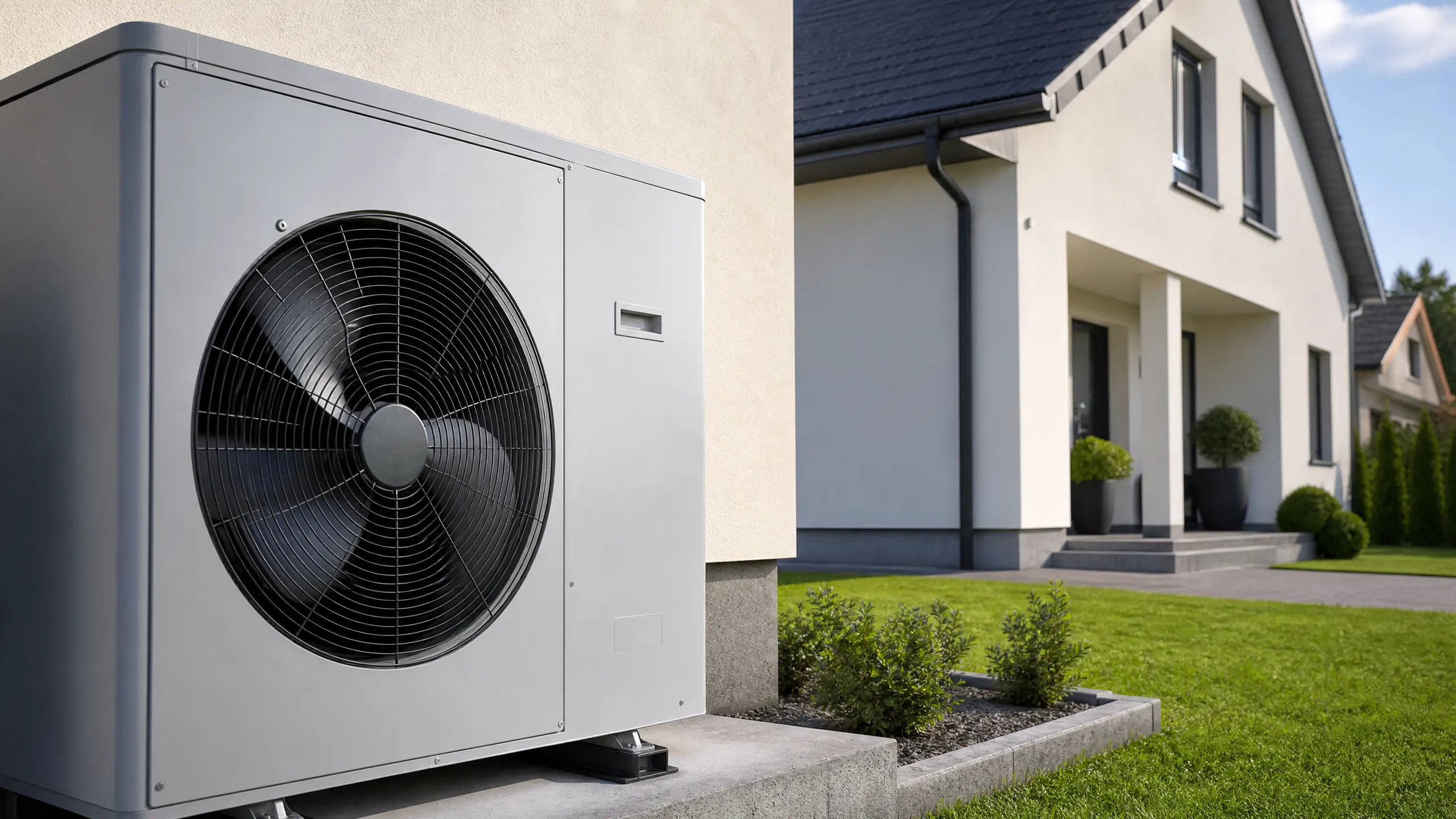







A grey air-source heat pump outdoor unit mounted on a concrete pad next to a modern white-rendered residential house.

Heat Pump Installation in Gallup, NM

Tell us about the job

Takes about a minute. No obligation.

New system or replacementHeat PumpMcKinley County, NM
Step 1 of 2

What ZIP code is the job in?

Heat here runs October through May, about eight months of the year. Cooling only picks up in July and August. A heat pump has to cover both, so get it in before September if you can. September is the month before heat starts, and a crew has time to size the system right and set it up before cold weather gives them a reason to rush. Wait until October and you're asking for a fast install instead of a careful one.

8 months
October through May, your system heats
2 months
July through August, it cools
18°F
the average winter night it heats against
85°F
the average summer afternoon it cools against
Isometric cutaway illustration of a single-story house with a dark gabled roof, showing interior rooms with ductwork leading to an indoor air handler and an outdoor condenser unit connected by lines on the ground outside.
Your system heats October through May and cools July through August.

NOAA nClimDiv, 1991–2020 normals

A heat pump run in Gallup costs whatever your kilowatt-hours cost, and New Mexico homes paid 14.20 cents per kilowatt-hour in 2024.

A standard-size, standard-efficiency heat pump sized right for this house is what keeps that rate working for you, not against you.

A standard heat pump sized right handles Gallup homes, old or new

Half the homes here were built by 1985
64 damaging wind events from 2015 to 2024
44 winter storms from 2015 to 2024
Gallup winters average 18 degrees overnightOvernight lows average 18°F in December, January and February here.

Gallup sits in climate zone 5B, where heating carries most of the load and the air stays dry. Any heat pump installed here new has to meet federal minimums for both heating and cooling efficiency, in place since January 2023. Central air systems installed on their own face a separate cooling standard set for this region. Those numbers are a floor, not a ceiling, so a unit can land above them and still count as standard. A system that meets the minimum isn't a lesser choice here. It's what the region expects a new install to clear.

Replace it before the season

Replace it before the season starts, so it happens on your schedule, not in a hurry.

Find a contractor
A man in a cap, dark long-sleeved shirt and brown work pants walks up porch steps toward a gray front door, carrying a worn canvas tool bag filled with hand tools.
A dark gray heat pump unit mounted on a concrete pad next to a house with gray siding and a stone veneer wall.

What that number on the label actually promises

The rating on the label comes from a lab test run at set temperatures. Your house isn't a lab. Run the heat pump through a mild stretch and it lands close to that number. Run it through a hard freeze and the number drops. The colder the air outside, the harder the compressor has to work to pull heat out of it. That's true of every heat pump, not a flaw in one unit. The rating tells you how the machine stacks up against others like it. It doesn't promise what your bill will do, because that also depends on how tight the house is, where the thermostat sits, and how long the system runs to hold it there. What it does tell you is worth knowing. A unit that clears the federal minimum has a compressor and coil built to work together across a normal range of weather, not just in the moment someone tested it.

Correct sizing is what the cost pays for

A heat pump has to match the house it's going into. One sized too small runs constantly and still falls short on the coldest nights. One sized too big short cycles, turning on and off before it ever settles into a steady run. Getting the size right takes a load calculation, not a guess based on the old system, and that calculation is what the rest of the installation is built around.
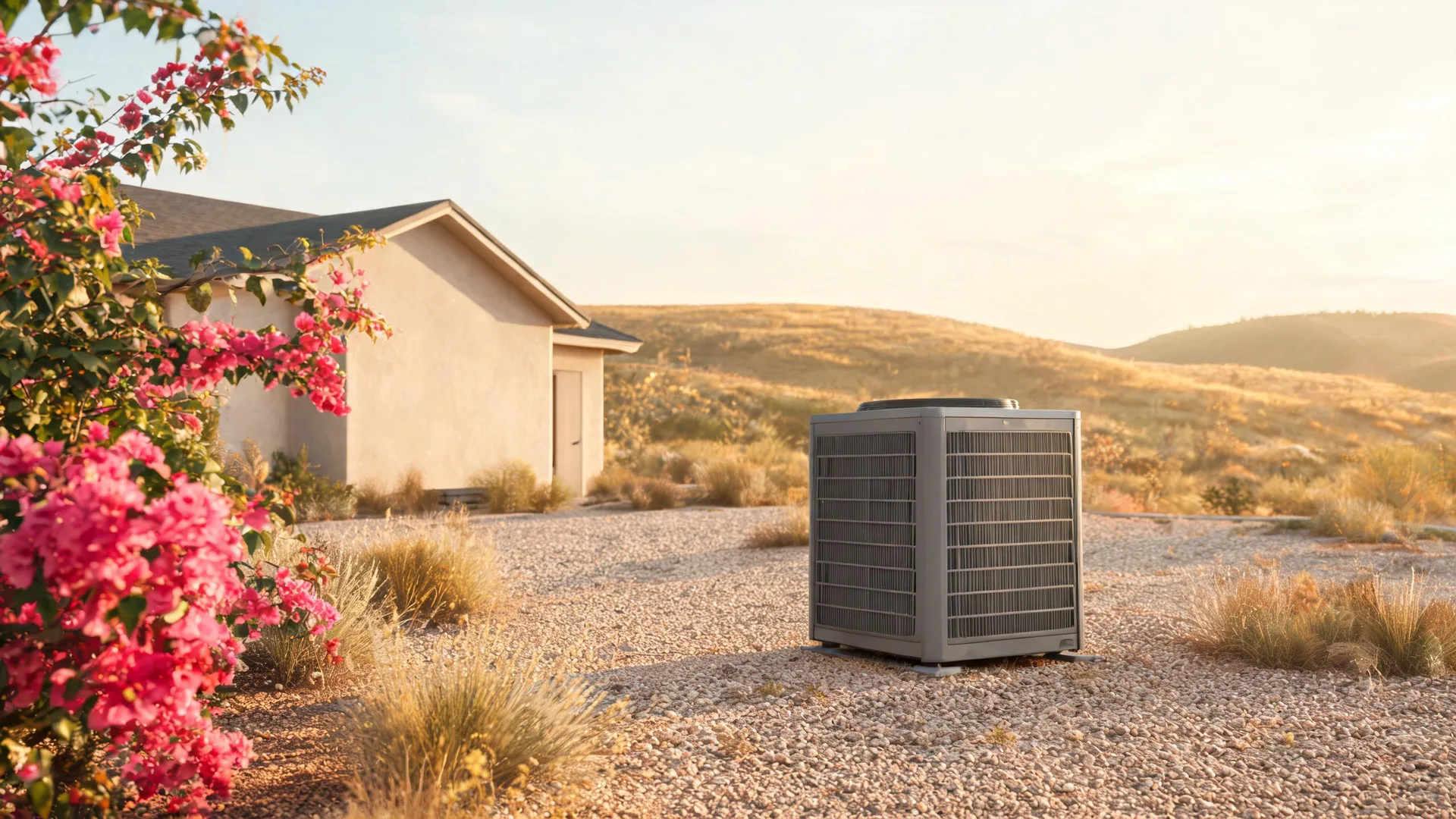
The outdoor unit is not the whole job

A heat pump needs a line set connecting the outdoor unit to an indoor coil, and both have to be matched to the equipment going in. If ductwork already exists, a contractor has to check it can move the air a heat pump puts out, since heat pumps often run longer at a gentler output than a furnace does. Electrical work matters too. A heat pump draws power the old system may not have been wired for, so the panel and breaker have to be checked, not assumed.

Comparing quotes, the single most useful question is what load calculation they ran, not what size they're quoting. Any contractor can read the size off the old system's nameplate and match it. A proper calculation looks at the house itself and sometimes lands on a different number entirely. Ask what happens to existing ductwork, too, since a heat pump moves air differently than a furnace does and ducts sized for one don't always suit the other without changes. Ask whether the quote includes checking the electrical panel, because a heat pump's draw is its own thing separate from whatever was there before. And ask what's covered if the system comes up short once it's running. A contractor who's done the calculation right will have answers ready instead of pausing to figure out what you mean.

A load calculation looks at more than square footage. It accounts for the windows, how many walls face outside, where the insulation falls short and even which way the house sits. Homes the same size can need different equipment once you work through that math. Skip it and you're sizing by guesswork, and guesswork tends to round up, on the idea that bigger can't hurt. With a heat pump it can. Short cycling wears on the compressor, and a unit that never settles into a steady run doesn't dehumidify or heat evenly either. The right size isn't the biggest one that fits the budget. It's the one the math says the house actually needs.