





An outdoor heat pump unit mounted on a concrete pad in front of a two-story suburban house with a landscaped lawn.

Heat Pump Installation in Los Lunas, NM

Tell us about the job

Takes about a minute. No obligation.

New system or replacementHeat PumpValencia County, NM
Step 1 of 2

What ZIP code is the job in?

Utility gas heats 67.6% of homes in Valencia County, more than any other fuel. Electricity comes in second at 12.4%, with bottled or LP gas close behind at 11.2%. A heat pump installed here often works alongside an existing gas furnace rather than replacing the whole setup, handling the mild months while gas backs it up when temperatures drop. If your home is one of the gas-heated majority, that pairing is worth asking about before deciding between a full switch to electric heat or a dual-fuel system.

7 months
October through April, your system heats
4 months
June through September, it cools
23°F
the average winter night it heats against
91°F
the average summer afternoon it cools against
Isometric cutaway illustration of a single-story house showing interior rooms with ductwork, an indoor air handler unit, and an outdoor condenser unit connected by lines along the exterior wall.
Your system heats October through April and cools June through September.

NOAA nClimDiv, 1991–2020 normals

The rating on the label is measured against other equipment, not against your old system.

A higher number only pays off if the unit is sized and installed to match the home it's heating and cooling.

Nothing here calls for anything bigger than a standard system

107 damaging wind events from 2015 to 2024
13 hail events from 2015 to 2024
59 winter storms from 2015 to 2024

Valencia County gets its share of rough weather, including wind, hail, and winter storms most years. None of that changes what a heat pump needs to be. A standard outdoor unit is built to take wind and cold without special treatment, and sizing it up won't make it more resistant to a bad storm. What matters more is what happens if the power goes out, since a heat pump needs electricity to run no matter how it's paired with gas backup. That's a question of backup power, not a reason to buy a bigger or pricier unit.

Any system installed here has to clear a federal minimum

Valencia County sits in climate zone 4B, and any split-system heat pump installed from 2023 on has to hit at least 14.3 SEER2 and 7.5 HSPF2 to be sold here at all. That floor narrows what a contractor can offer you, in a good way. It also makes a federal tax credit available on qualifying equipment, worth asking about when you're comparing systems.

Find a contractor
A residential heat pump outdoor unit mounted on a concrete pad next to a house with gray vinyl siding.

Seven months of heat, four of cooling, so winter is what this unit is built for

Heat here runs October through April, about seven months. Cooling picks up June through September, four months. A heat pump has to cover both jobs, so most of the wear happens in winter, not summer. Getting it installed before October means it's set up and running before it has to carry the home through its longest stretch of work.

Ask what temperature it can still heat at

Every heat pump loses capacity as the outdoor air gets colder, and the point where it needs backup heat to keep up is different for every model. A contractor should be able to tell you the balance point for the unit they're proposing, not just read off the label numbers. That balance point tells you how much the backup heat will actually run, which matters more than the efficiency rating by itself.
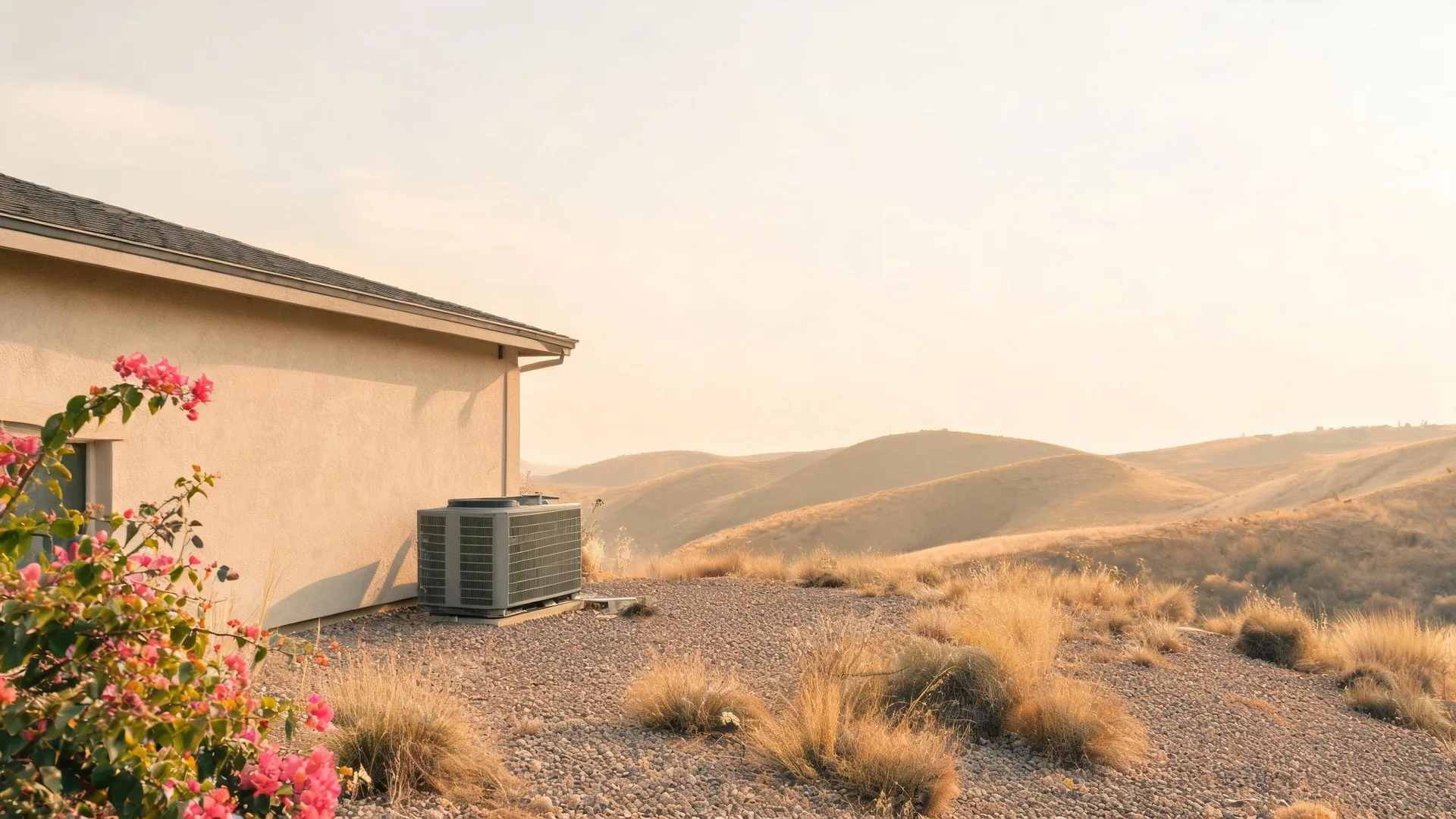
Ask how they sized it, not just what size they picked

Homes that look alike on the outside can still need different size systems, depending on insulation, windows, and duct layout. A contractor who sizes a heat pump by running a load calculation is giving you a number built for your house. One who sizes it by matching the old equipment is guessing. Ask to see the calculation, not just the final number.

A few things push the price of a heat pump installation up or down, apart from the unit itself. Ductwork is one. If the existing ducts are the right size and in good shape, a contractor can connect to them. If they're undersized, leaky, or laid out wrong for a heat pump's airflow, modifying or replacing them adds real labor. Electrical capacity is another. A heat pump draws power the old gas furnace never needed, so the panel and circuit may need upgrading before the unit can even be hooked up. Where the outdoor unit goes, how far it sits from the indoor coil, and whether the existing pad or mounting will work also factor in. None of this is optional or padding. It's the difference between a system that moves air and heat the way it's supposed to and one that fights the house it's installed in.

Install day starts with the old equipment coming out, not the new one going in. A contractor disconnects the existing furnace or air handler, caps or runs new refrigerant lines, and sets the outdoor unit on its pad before touching the indoor side. Line sets usually get replaced rather than reused, since old ones are sized for a different refrigerant charge. Once the indoor coil and air handler are in place, the electrical work happens. A new circuit gets run, the disconnect gets upgraded, and sometimes the panel itself has to be opened up. The last stretch decides whether the system works right for years or fights the house the whole time. That means charging the refrigerant to the exact amount the line length calls for, then checking airflow at the vents. A contractor who leaves without testing static pressure and refrigerant charge has left the job unfinished, no matter how clean the unit looks on the wall.