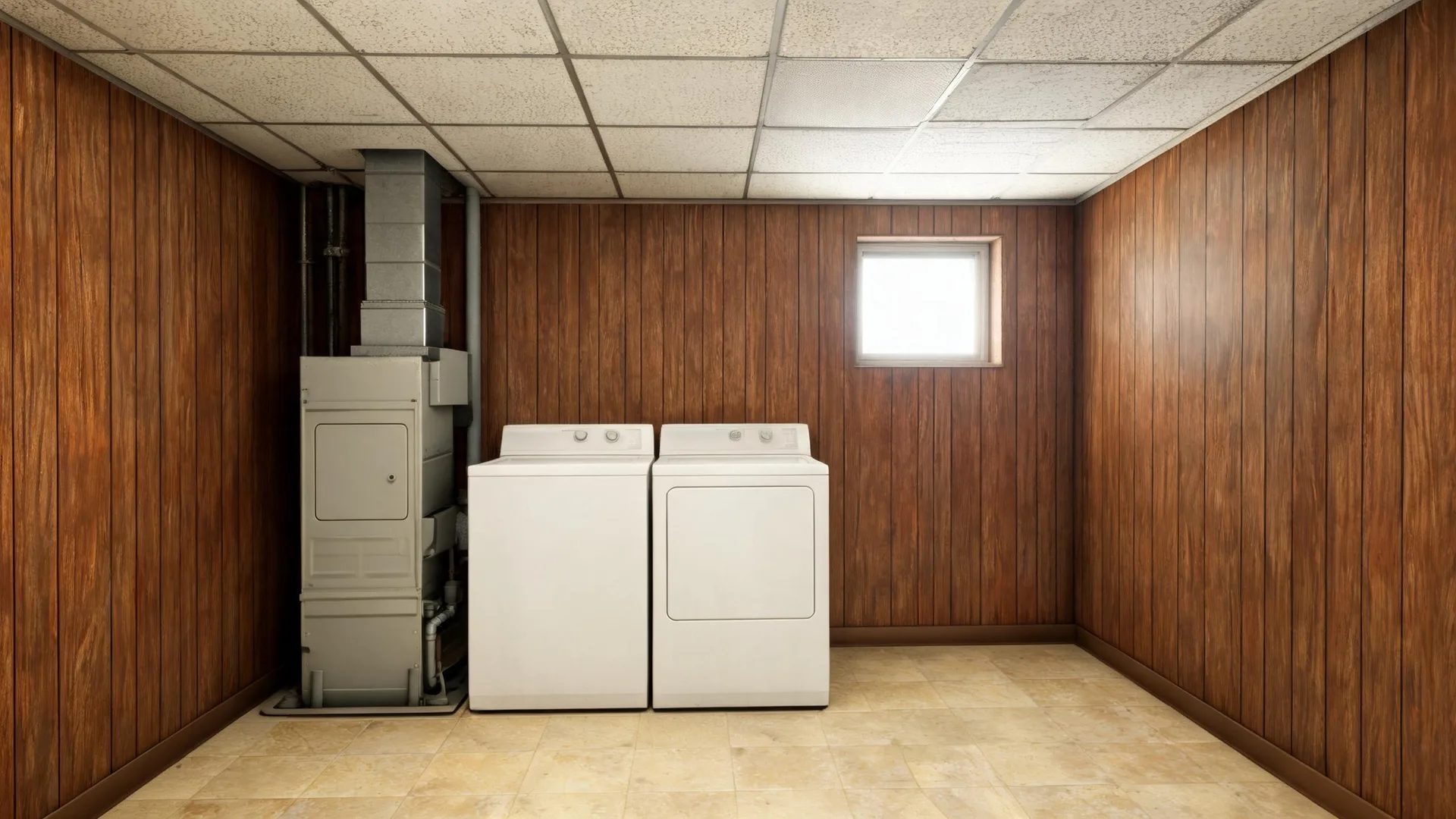
Half these homes were built in 1966 or earlier
In Quay County, half the homes go back to 1966 or before. A furnace going into a house that age is working with duct runs and venting that were laid out long before modern high-efficiency units existed.
Takes about a minute. No obligation.
In Quay County, half the homes go back to 1966 or before. A furnace going into a house that age is working with duct runs and venting that were laid out long before modern high-efficiency units existed.
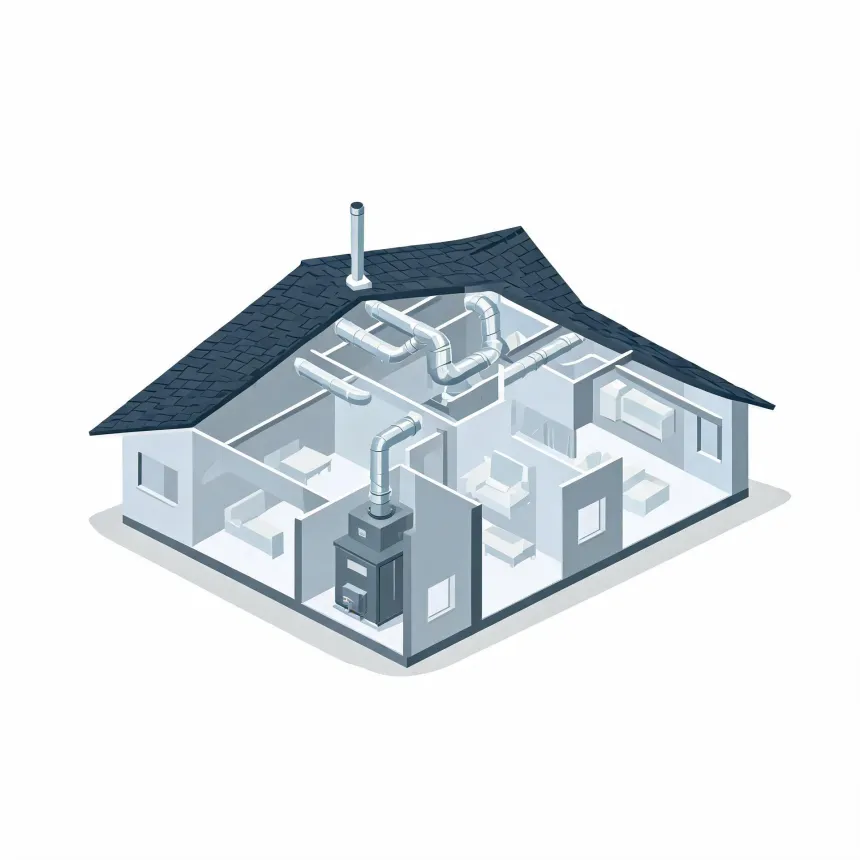
A new furnace has to work with the ducts already in the house, not the ones a newer build would have. That's what a contractor needs to check before sizing the unit.
NOAA nClimDiv, 1991–2020 normals
Furnaces in Quay County start running in October and go through April.
Get the install done in September and it's ready before the first cold morning, not after one.




Quay County sits in zone 4B, a mixed climate that asks real work of both heating and cooling. Any new furnace here has to meet 80.0 percent AFUE, the federal minimum for non-weatherized gas furnaces built from November 2015 on. That's already the floor for anything on the market now, so it's not a hurdle so much as the standard the equipment ships at. A higher minimum, 95.0 percent AFUE, is coming for furnaces built in the future, but it has no bearing on a system going in today. What's available now is built to clear the current standard, and that's what a contractor sizing a new furnace for this county is working with.
If you're replacing a system in an older house, the new one has to fit the house you have.
Find a contractorAn old furnace doesn't fail all at once. The heat exchanger cracks a little more each heating cycle, the blower motor bearings wear down, and the ignition system starts to hesitate before it catches. A contractor pulling out an old unit is usually looking at years of scorch marks on the burner assembly and rust around the flue connection. None of that gets reused. The new furnace gets its own exchanger, its own control board, its own venting matched to its efficiency rating. What sometimes carries over is the ductwork and the gas line, if they're in good shape and sized right for the new equipment. A tech checks both before the old furnace ever gets disconnected, because a mismatch there causes problems no matter how good the new unit is.
A furnace that's too big cycles on and off fast, heating the air without running long enough to pull the house to an even temperature. One that's too small runs constantly and still can't keep up on the coldest mornings. The right size comes from a load calculation on your house, not a copy of the unit you're replacing or a guess based on square footage.
A furnace with a higher AFUE rating runs cooler exhaust, and that exhaust often needs different venting than what's already in the wall or roof. Reusing old venting on a new furnace without checking the match can leave exhaust gases going somewhere they shouldn't. This is a question worth asking every contractor giving you a quote, because the answer tells you whether they've actually looked at your setup or just priced out a unit.
The unit itself is only part of what you're paying for. Sizing takes real labor, a contractor doing a load calculation rather than reading a nameplate off the old furnace. Venting is often the bigger factor. If the new furnace has a different efficiency rating than the old one, the vent pipe may need to change too, and running new venting through a wall or roof costs more than connecting to what's already there. Ductwork matters just as much. If the existing ducts are undersized or leaky, a contractor may need to modify them before the new furnace can heat the house evenly, and that work isn't optional just because the furnace itself is straightforward to swap. The gas line gets checked too, since a furnace with a different input rating can call for a different line size. None of this is padding on the quote. It's the difference between a furnace that fits the house and one that just fits the hole where the old one sat.
Install day starts with the old furnace still connected, so a tech can check airflow and venting while everything's running before anything gets touched. Once the old unit is disconnected and pulled, the space gets cleaned up, because debris and old rust left in the duct opening or flue connection cause problems for the new equipment. The new furnace goes in, gets leveled, and gets connected to the gas line, the ductwork and the vent piping, in that order. Electrical and control wiring comes next, then the whole system gets fired up and checked for proper ignition, correct airflow, and a clean flame. A tech checks the vent for proper draft before closing anything up, since a furnace that isn't venting right isn't finished, no matter how good it looks sitting there. The last step is going over the thermostat and any settings with whoever's going to be living with it, not just handing over a manual and walking out.