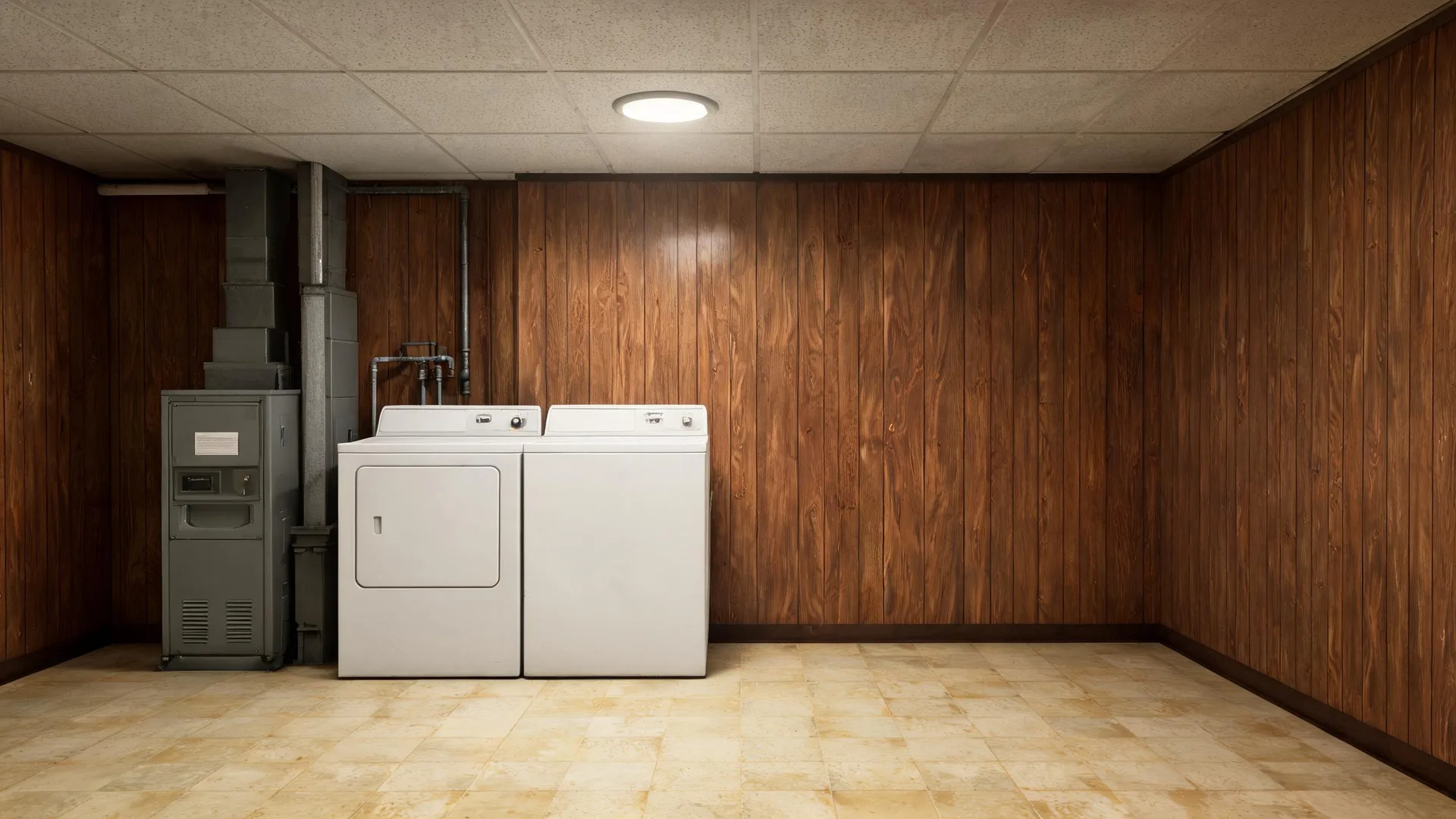
Gas is the common fuel here
Utility gas heats 41.5% of homes in Torrance County, more than any other fuel. Electricity comes in second at 15.6%, with propane heating another 11.5%.
Takes about a minute. No obligation.
Utility gas heats 41.5% of homes in Torrance County, more than any other fuel. Electricity comes in second at 15.6%, with propane heating another 11.5%.
If your home already has a gas line run to the furnace, putting in another gas furnace means the installer can reuse that line and the existing vent. Switching fuel types means new work beyond the furnace itself.

NOAA nClimDiv, 1991–2020 normals
Torrance County sees its share of damaging wind and winter storms.
None of that changes what furnace this house needs. A standard size, correctly matched to the home, is the right call.




At $8.83 per million Btu, a high-efficiency furnace takes longer to pay for itself here than it would where gas costs more. That doesn't rule it out. It just means the decision should come down to what the installer finds in this house, the venting it needs and the space it fits, not the efficiency rating on the sticker. A furnace that matches the house right will hold up for years either way. Ask the installer what each option costs to put in, and let that weigh as much as the fuel it saves.
Any furnace installed in Torrance County has to hit at least 80 percent AFUE, the federal minimum here. That rule gets stricter in December 2028, when new furnaces must reach 95 percent. A federal tax credit is available now for qualifying high-efficiency equipment. Your installer can tell you which units on your shortlist meet the current rule and which also qualify for the credit.
Find a contractor
Heat runs here from October through May. That's eight months of the year this furnace has to work, and September is the last clear month before it starts. Installing before October means the new furnace gets tested on a mild day instead of the first cold night. If it's going in anyway, doing it before the season starts beats doing it during a breakdown.
The AFUE number on the label tells you how much of the gas burned turns into heat in the house versus what escapes out the flue. It says nothing about how evenly the furnace heats the rooms, how quiet it runs, or how long it lasts. A higher number means less wasted gas, full stop.
Whatever AFUE you land on, the installer still has to size the furnace to the house, its ductwork and its heat loss. A high-efficiency unit sized wrong will short-cycle or leave rooms cold just like a standard one. Get the sizing right first, then weigh the efficiency options against each other.
Estimates for a typical Torrance County home, from EIA household energy data, New Mexico fuel prices and NOAA climate normals. Your home will differ.
The crew starts by pulling the old furnace out, and that's when the real decisions get made. They'll check the flue or vent pipe to see if it can be reused or needs to be resized for the new unit. They'll check the gas line and the electrical connection, and look at the ductwork where it meets the plenum, because a new furnace has to match what's already there or that ductwork gets modified too. Setting the new unit, connecting the venting, and running a combustion test to check the gas pressure and the flue draft takes most of the day. Before the crew leaves, the furnace should run through a full cycle while someone checks for even heat at the registers and no smell of gas anywhere near the unit.