
Two illuminated adobe-style desert homes at night, surrounded by saguaro cacti and low desert shrubs along a curved driveway.

Furnace Installation in Santa Rosa, NM

Tell us about the job

Takes about a minute. No obligation.

New system or replacementFurnace or heatingGuadalupe County, NM
Step 1 of 2

What ZIP code is the job in?

Most homes in Guadalupe County run on bottled or tank propane, about half of them. Electricity comes in a distant second at just over a fifth. If your old furnace ran on LP gas, a new one replacing it is the straightforward path, since the tank and lines are already there. That matters for installation day, since swapping in a same-fuel furnace means no new fuel line to run and no tank to place. Worth checking which one you have before you start comparing units.

7 months
October through April, your furnace is on duty
24°F
the average winter night it heats against
80% AFUE
the federal minimum any new unit must meet
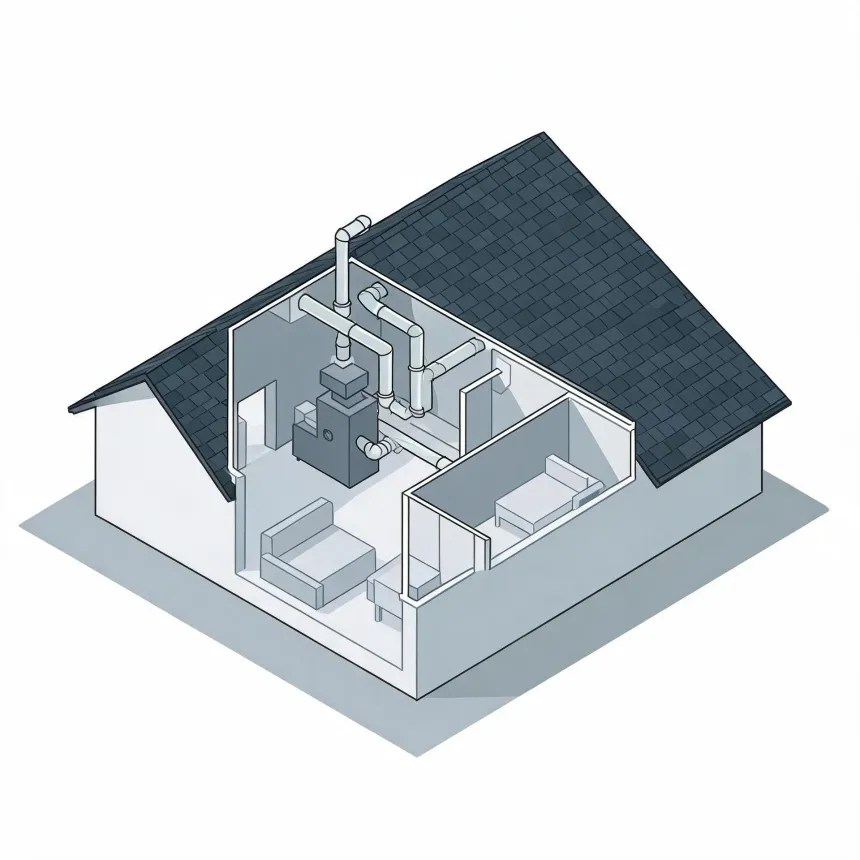
Isometric cutaway illustration of a single-story house with a dark shingled roof, showing interior rooms with furniture and a furnace connected to ductwork.
Your furnace works hardest from November through March.

NOAA nClimDiv, 1991–2020 normals

Propane ran $27.30 per million Btu in New Mexico in 2024.

A correctly sized furnace matters here. One that's too big burns more propane than the house needs.

Nothing here calls for more furnace than a standard one

Heat runs October through April
Winter nights average 24°F
12 winter storms from 2015 to 2024

Half the homes in Guadalupe County were built in 1976 or earlier. If yours is one of them, the furnace going in has to match the ductwork and venting already there, not the other way around. Older trunk lines and returns were sized for a particular furnace output, and a new unit still has to move air through that same ductwork. Mobile homes make up close to a third of the housing stock here too, and those need a furnace built and certified for mobile home installation, not a standard one. Worth telling the installer which you have before they size anything.

Go with the standard fit

A standard size and efficiency fit fine here. There's no local reason to go bigger or pricier.

Find a contractor
A gas furnace with attached ductwork, gas piping, and condensate lines installed in a concrete-block basement.

September is the month to do this, not October

Heat runs here from October through April, seven months straight. September is the month before that starts, which makes it the month to have a new furnace in place. An installer working in September can take the time to size the unit right and check it against your ductwork. Once October turns cold, that same job gets rushed, done alongside everyone else whose furnace picked that week to quit.

The furnace itself is one line item

Cabinet size, the blower motor, the heat exchanger material, all of that sets a base price before anyone shows up to install it. A higher-efficiency model costs more up front because it carries a second heat exchanger to pull more heat out of the exhaust before venting it.

What's around the furnace adds to that

Venting is the big one. A high-efficiency furnace vents through PVC pipe out a sidewall, while an older style vents through metal pipe up through the roof. Changing from one to the other means new venting, not just a new furnace. Ductwork modifications, a new gas line, or moving the unit to a different spot in the house all add work on top of the unit price.

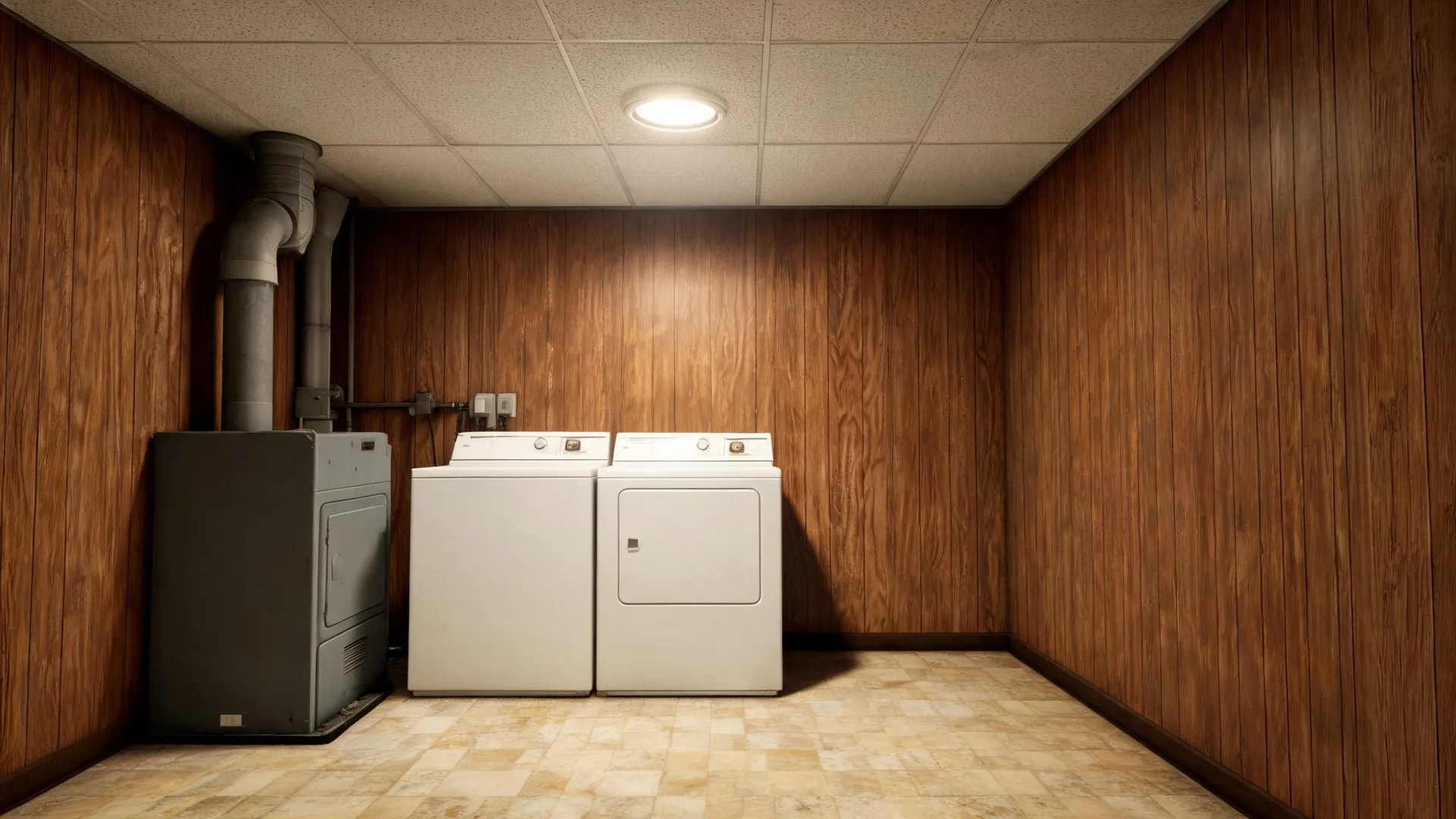
A gray forced-air furnace with metal ductwork stands in an unfinished basement with exposed wooden joists, concrete walls, and a single hanging light bulb.

A high-efficiency propane furnace would save about $140 a year to run in Guadalupe County compared with a propane furnace.

  • A high-efficiency propane furnace$780 a year
  • A propane furnace$920 a year

Estimates for a typical Guadalupe County home, from EIA household energy data, New Mexico fuel prices and NOAA climate normals. Your home will differ.

The old furnace comes out first, and the installer checks what's left behind. Ductwork gets inspected where it connects, the gas line gets checked for the right fittings, and if the vent is changing from metal pipe to PVC, that path gets planned before the new unit ever comes off the truck. Setting the furnace and connecting the ducts, gas line and venting takes up most of the day. After that comes startup. The gas pressure gets set, the blower speed gets matched to the ductwork, and the system runs through a full cycle while the installer checks the temperature rise against what the manufacturer specs for that model. A carbon monoxide test on the venting happens before anyone calls it done. A furnace that's connected but not tuned to the house around it will run, just not the way it's supposed to.