Gas is the common choice here
Utility gas heats 42.9% of homes in Grant County, more than any other fuel. Electricity is next at 26.4%, then propane at 16.2%.
Takes about a minute. No obligation.
Utility gas heats 42.9% of homes in Grant County, more than any other fuel. Electricity is next at 26.4%, then propane at 16.2%.
If a gas line already runs to your furnace, installing another gas furnace means the vent and gas line are already in place. Switching fuel types means the contractor has to account for what's missing, like adding a gas line or upgrading the electrical panel.
NOAA nClimDiv, 1991–2020 normals
Furnaces in Grant County start running in October.
A September install means it's tested and ready before the first cold night, not scheduled around one.
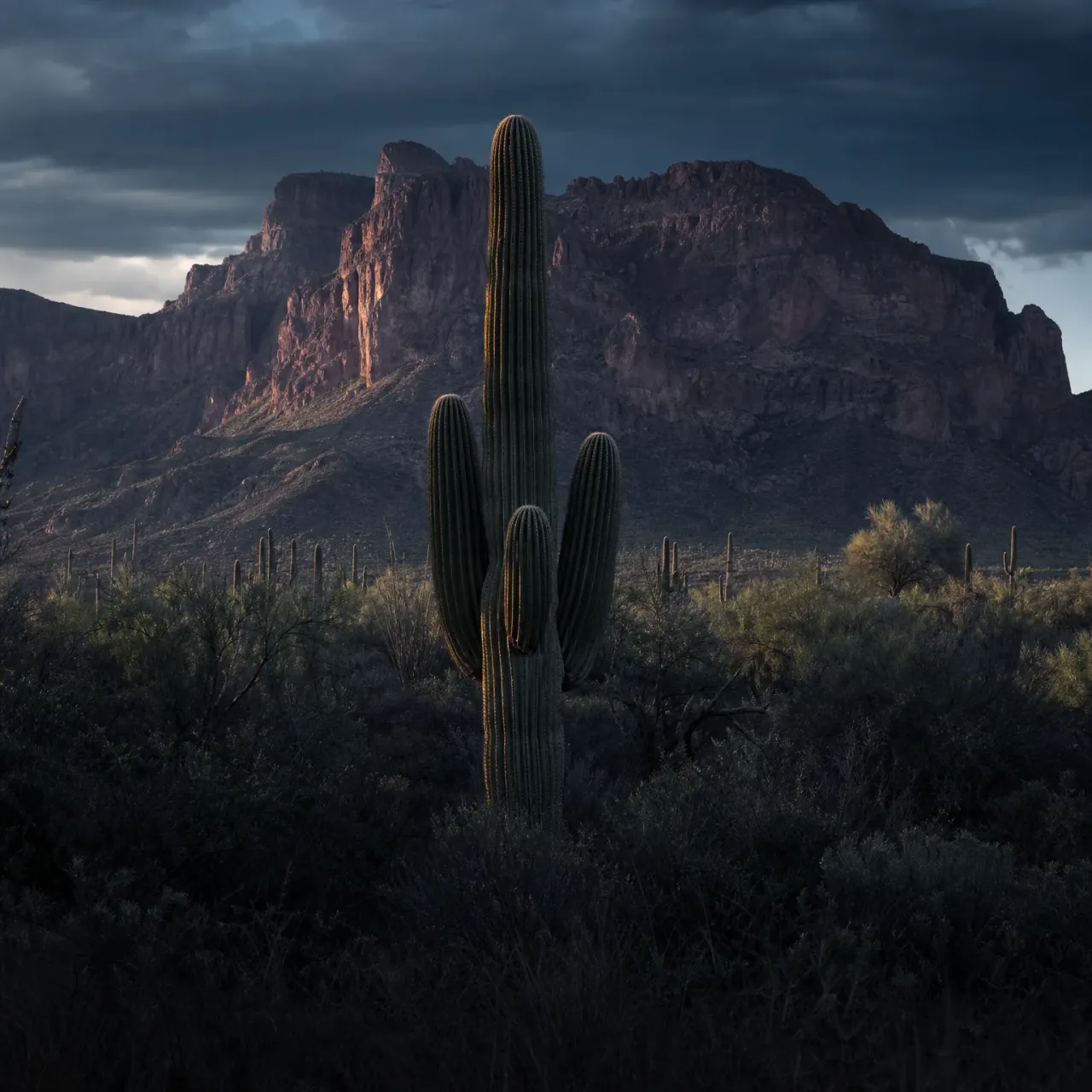


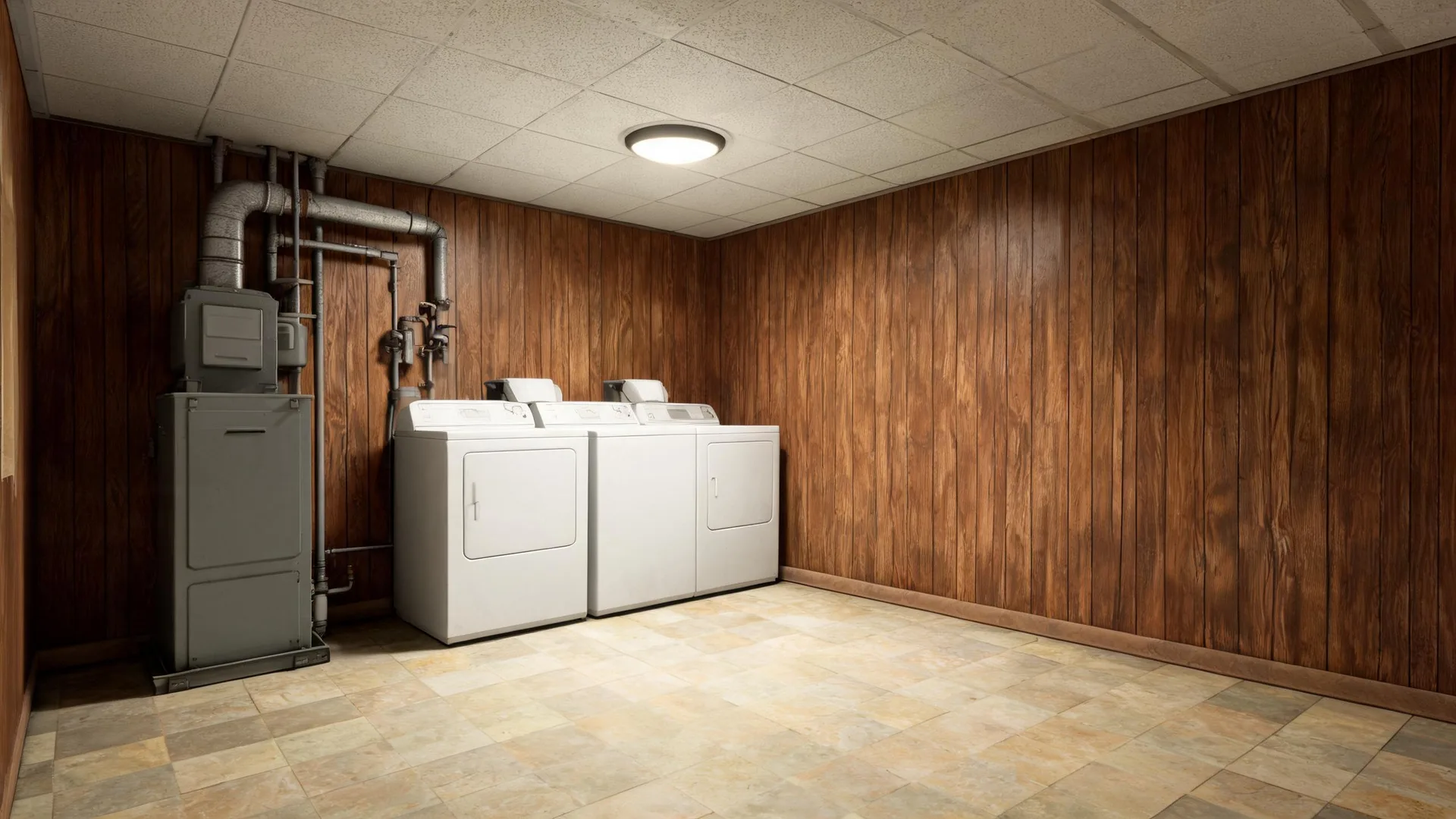
Taking out the old furnace is part of the job, not an extra step. The contractor shuts off the gas line and power to the unit before anything gets unbolted from the ductwork. Once it's free, the old furnace comes out whole or in pieces, whatever fits through the door or the stairs. The vent connector and flue get checked too, since a new furnace often vents differently than the one it replaces. If the old unit had a standing pilot and the new one doesn't, that changes how the gas line gets capped and run. None of this gets left undone, because a furnace still hooked to gas or power is a hazard sitting in the basement.
Natural gas ran $8.83 per million Btu here in 2024, lower than much of the country pays. A high-efficiency furnace costs more up front, and on gas that cheap it takes longer to earn that back. Picking the furnace that fits this house and holds up over the years matters more than squeezing out the last bit of efficiency.
Find a contractor
Half the homes in Grant County were built in 1978 or earlier. A furnace going into a house that age is going into ductwork and a gas line that were sized for whatever ran there before, sometimes decades before. The new furnace has to match what's already in place, or the contractor has to adjust it so it does.
A contractor has to size the furnace to the house, the ductwork, and the climate it's heating. Too small and it runs constantly without catching up. Too big and it short-cycles, heating fast and shutting off before it evens out the house. Getting the size right means a load calculation, not a guess based on the old unit, and that work shapes which furnace fits the job.
A furnace swap isn't always a straight swap. If the new furnace vents differently than the old one, the vent pipe or flue may need to change to match it. If the existing ductwork is too narrow or leaky for the new unit's airflow, that gets addressed too. None of this shows up until the contractor is in there looking at what's actually connected to the old furnace.
Estimates for a typical Grant County home, from EIA household energy data, New Mexico fuel prices and NOAA climate normals. Your home will differ.
Once the old furnace is out, the new one gets set in place and leveled before anything gets connected. The gas line and vent connect first, then the ductwork ties in at the plenum. Electrical and the thermostat wire come next, low voltage, so there's no rush there. Before anything fires up, the contractor checks the gas pressure and pulls a vacuum on the line if it was opened, making sure there's no leak. Then the furnace gets its first run, and that's when the contractor watches the flame, checks the temperature rise across the heat exchanger, and listens for anything that sounds off. A furnace that passes all that gets left running long enough to prove it holds steady, not just that it turns on.