



Illuminated timber-and-stone luxury homes along a residential street at dusk, with snow-capped mountains visible in the background.

Furnace Installation in Taos, NM

Tell us about the job

Takes about a minute. No obligation.

New system or replacementFurnace or heatingTaos County, NM
Step 1 of 2

What ZIP code is the job in?

Gas heats 46.6% of homes in Taos County, more than any other fuel. If your house already has a gas line run to a furnace, putting in another gas furnace is usually the straightforward choice. Electricity heats 10.7% of homes here, and propane covers another 14.7%, mostly in places a gas line never reached. Before you decide, check which fuel your house is actually set up for. Swapping fuel types on a furnace install is a bigger job than replacing the same kind of unit you already have.

10 months
September through June, your furnace is on duty
14°F
the average winter night it heats against
80% AFUE
the federal minimum any new unit must meet
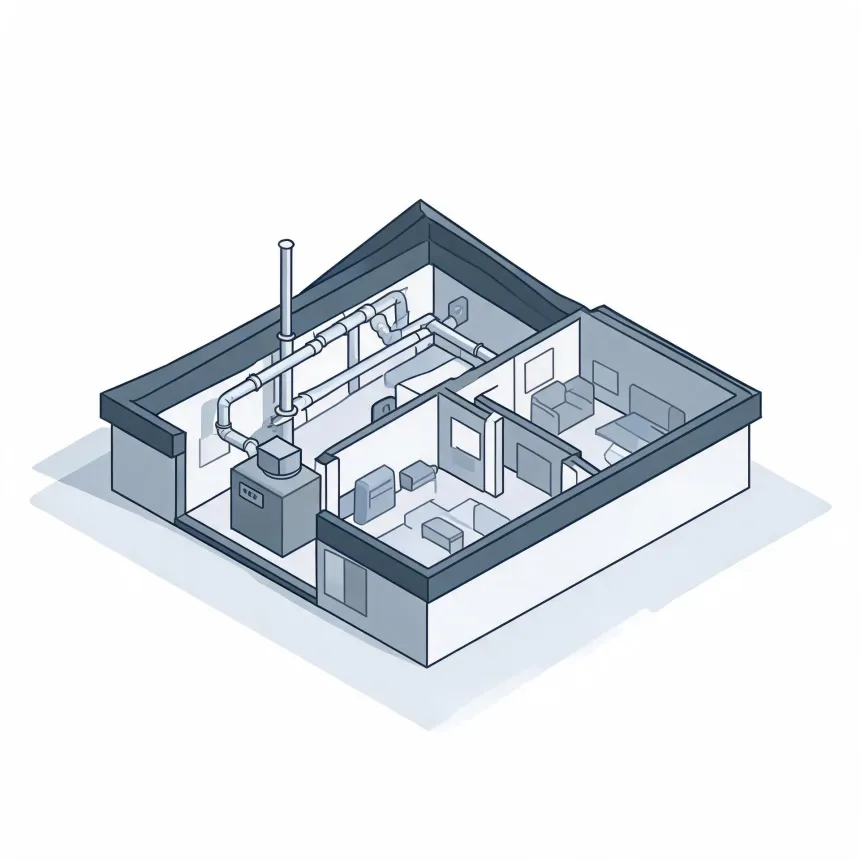
Isometric line illustration of a cutaway building interior showing a furnace unit with a flue pipe and ductwork running along the ceiling, plus adjacent rooms with simplified furniture.
Your furnace works hardest from November through April.

NOAA nClimDiv, 1991–2020 normals

Winter storms have hit Taos County 129 times between 2015 and 2024.

A standard furnace sized to your house handles that fine, no special equipment needed.

A furnace sized right for your house is all this cold needs

Heat runs September through June
Winter nights average 14°F
129 winter storms from 2015 to 2024

Taos County falls in climate zone 5B, a cool zone where heating does most of the work over the year. Any new furnace going in has to clear 80.0 percent AFUE, the federal minimum for gas furnaces sold today. That floor jumps to 95.0 percent in a few years, so a furnace that barely clears the line now is already behind where the standard is headed. Most furnaces on the market clear 80.0 percent without trouble. The real comparison starts above that number, not at it.

Ten months of heat a year. Size it for that.

Furnaces here run about ten months a year, from September through June, with overnight lows averaging 14 degrees through December, January and February. The one you install is going to work for its keep. Get the size right for your house, not just the lowest bid on the quote.

Find a contractor
A man in a cap, dark jacket and tan work pants carries a canvas tote bag as he steps up concrete stairs toward a blue front door, with a potted shrub beside him.
A gas furnace with attached ductwork, gas piping, and condensate lines installed in a concrete-block basement.

Put it in before September asks for it

August is the month before heat season starts here. September through June, this furnace runs about ten months a year. Put it in while August still gives you room to choose the size and the unit you want. Wait for the first cold night in September and you're picking from whatever is left, on whoever's schedule has an opening.

The size of the unit, not the brand

A furnace has to match the heat loss of the house it's going into. That means a load calculation, room by room, not a guess based on the old unit or the square footage on a listing. Go too small and the furnace runs constantly and still can't keep up. Go too big and it short cycles, turning on and off in bursts that wear out parts faster and leave rooms uneven. The sizing work itself drives a lot of what the job costs, because it decides which unit fits before anyone talks about the unit itself.

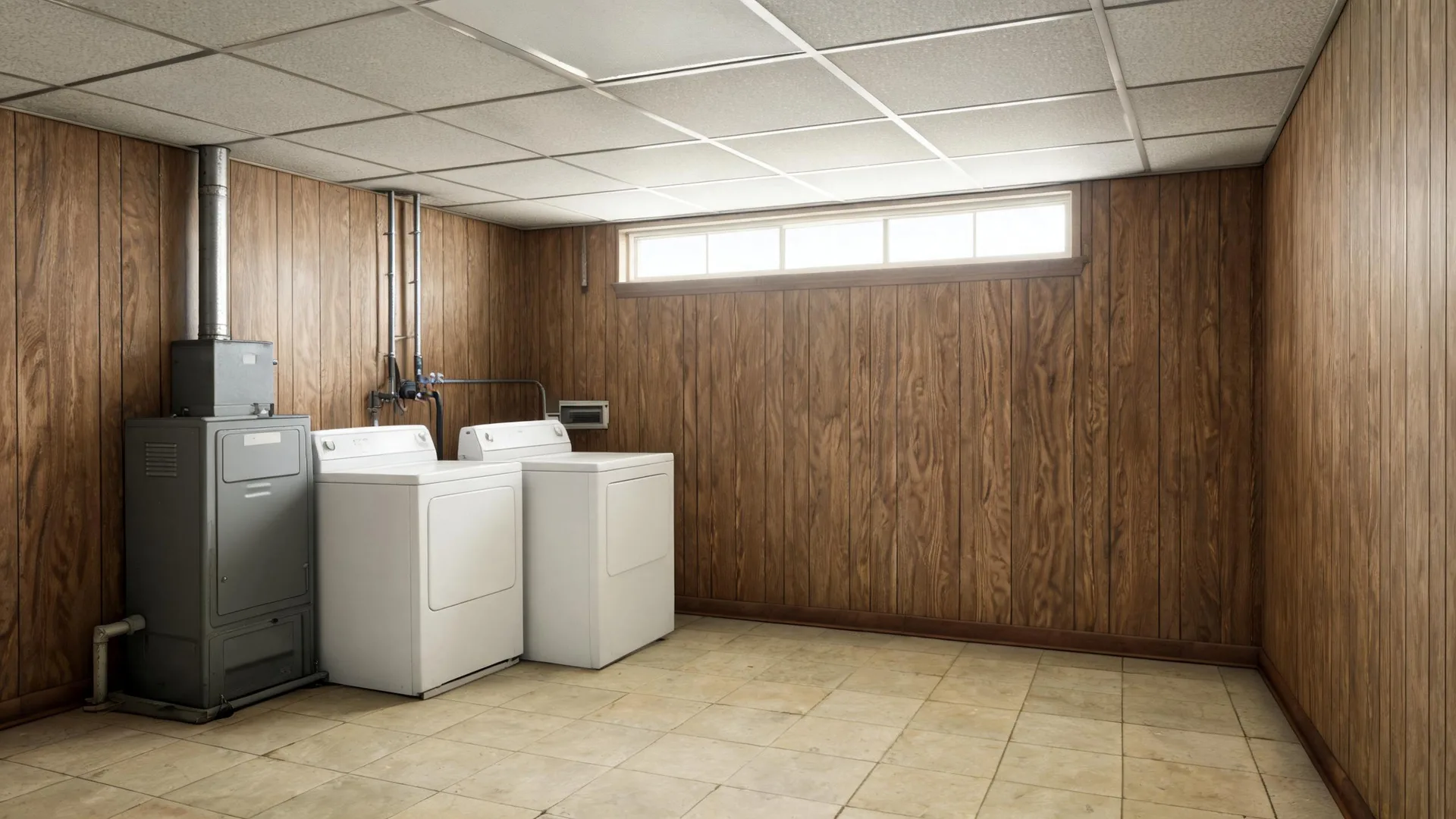
What the old ductwork and venting allow

The furnace is only part of the system. If the ducts are undersized, leaky, or routed in a way that starved the old furnace, a new one won't fix that on its own, and bringing the ductwork up to match the new unit adds real work. Venting matters too. A higher efficiency furnace condenses exhaust and needs venting rated for that, usually different from what a standard furnace used. Whether the existing vent can be reused or has to be replaced changes the scope of the job before a single wire gets connected.

A gas furnace and sheet-metal air handler unit installed in an unfinished concrete basement.

A high-efficiency gas furnace would save about $80 a year to run in Taos County compared with a gas furnace.

  • A high-efficiency gas furnace$470 a year
  • A gas furnace$550 a year

Estimates for a typical Taos County home, from EIA household energy data, New Mexico fuel prices and NOAA climate normals. Your home will differ.

The old furnace has to come out first. The gas line gets shut and capped or reconnected. The flue or vent pipe comes apart. The duct connection at the plenum gets opened up too. Once the new unit is set and leveled, each connection gets made on its own. Gas line, vent pipe, return and supply ducts, condensate drain if it's a high efficiency model, wiring for the blower and controls. Each one gets checked before the system runs as a whole. Startup means checking gas pressure and watching the flame. It means confirming the inducer and blower are both moving air the way they should. A combustion analyzer reads the exhaust itself, so the tech knows the furnace is burning clean and venting correctly, not just turning on. Airflow gets checked last, room by room, against what the ductwork is supposed to deliver. Skip any of this and the furnace may run, but not the way it's rated to.