Gas is the default here
Utility gas heats 66.3% of homes in Santa Fe County. If your old furnace ran on gas, the gas line and vent are already in place.
Takes about a minute. No obligation.
Utility gas heats 66.3% of homes in Santa Fe County. If your old furnace ran on gas, the gas line and vent are already in place.
A gas furnace going in where a gas furnace came out doesn't need new fuel supply run to it. The contractor can focus on sizing the unit and checking the venting rather than adding infrastructure.
NOAA nClimDiv, 1991–2020 normals
A furnace sized by a room by room calculation heats differently than one sized off the unit it's replacing.
Ask the contractor to show you that calculation, not just quote a unit.
Natural gas in New Mexico ran $8.83 per million Btu in 2024, cheap next to most of the country. That changes the math on which furnace to buy. A high-efficiency condensing model costs more up front, and the extra you pay back slowly when gas is this cheap. A mid-efficiency unit that's sized right and vented correctly will keep the house warm for a lot less money than the efficiency rating alone suggests. Ask the contractor what the fuel costs here actually mean for the payback on the higher-end unit, not just what the rating sticker says.
Furnace here runs eight months a year, October through May, with overnight lows averaging 20°F in December and January. Winter storms have hit this county 134 times in the past decade. That's a load a furnace has to be sized to meet, not sized close enough.
Find a contractorThat load calculation matters more than the quote itself. Two contractors can look at the same house and come back with different numbers. A furnace sized close instead of sized right will run long cycles trying to keep up on the coldest nights, or short-cycle through the milder weeks and still get asked to cover a 20°F night in January. Over eight months of heat, that difference shows up as wear, not just comfort. Pick the contractor who shows the math.
An oversized furnace heats the house fast, shuts off, then starts again soon after. That short cycling never lets the heat exchanger reach a steady temperature, and it puts more wear on the igniter and blower motor than a unit that runs longer, steadier cycles. Oversizing also means the blower moves more air than the ducts were built for, which can show up as noise at the registers or rooms that don't balance right.
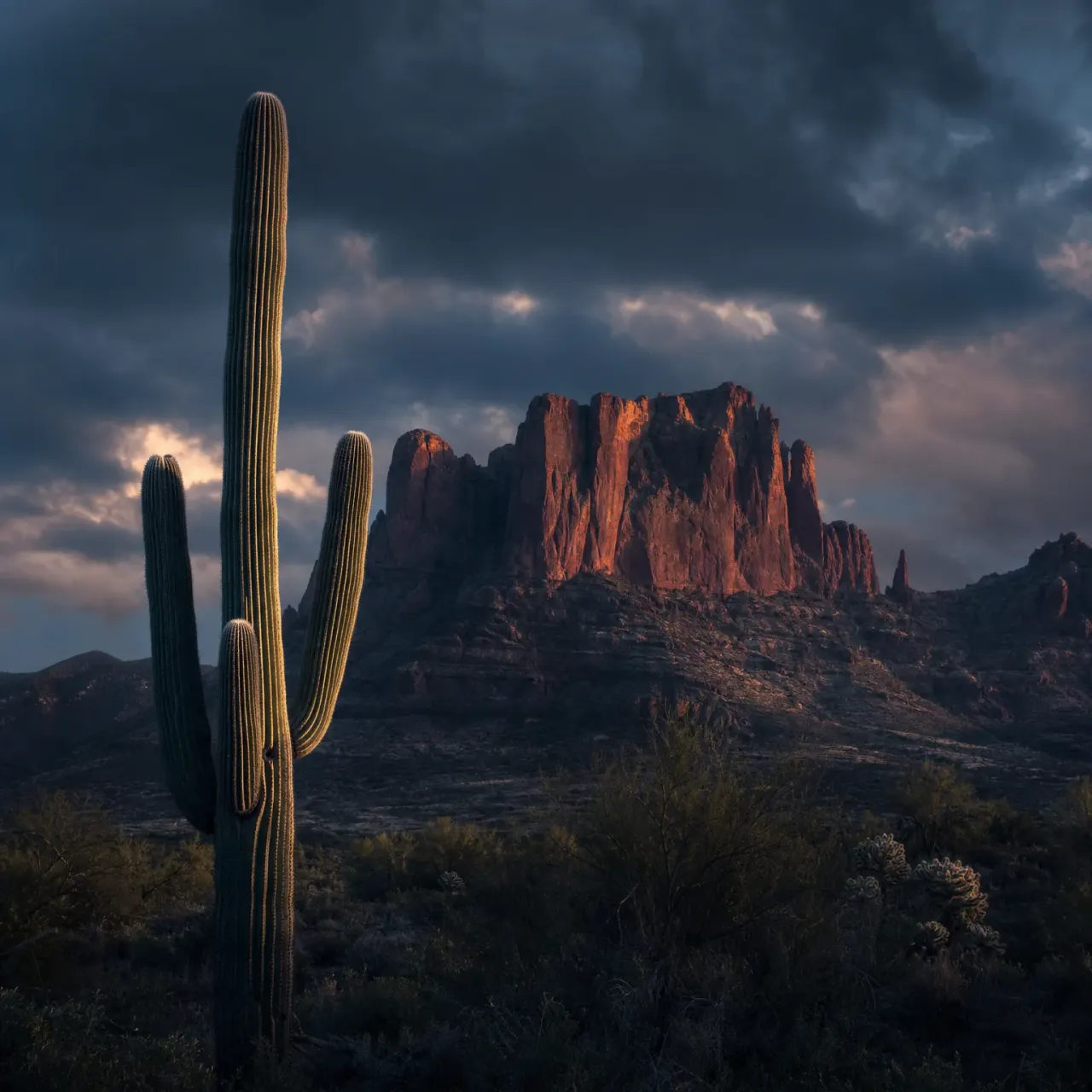
Sizing isn't just square footage. The contractor measures window area and type, wall and ceiling insulation, ceiling height, and how much outside air leaks in around doors and framing. Houses the same size can need different size furnaces if one holds heat better than the other. That's why a load calculation done room by room, not a quick estimate off the old unit, is the only way to land on the right size.
Estimates for a typical Santa Fe County home, from EIA household energy data, New Mexico fuel prices and NOAA climate normals. Your home will differ.
Installation day starts with the old furnace coming out, not the new one going in. The contractor shuts off gas and power, disconnects the vent and ductwork, and pulls the old unit out of the closet or attic or wherever it's sitting. That part can take a while if the space is tight. Once it's out, they'll check the flue, the gas line and the return air opening before the new furnace ever gets set in place, because any of those can need work before the swap is really a swap. Setting the new unit, connecting gas, venting and ducts, and wiring it up comes next. Before anyone leaves, the furnace gets fired up, checked for correct gas pressure and airflow, and the vent is checked for a good draft.