Electric heat is the norm here
More than half of homes in Lea County heat with electricity, and gas heats most of the rest. If your house already has one of these, matching it keeps the install straightforward.
Takes about a minute. No obligation.
More than half of homes in Lea County heat with electricity, and gas heats most of the rest. If your house already has one of these, matching it keeps the install straightforward.
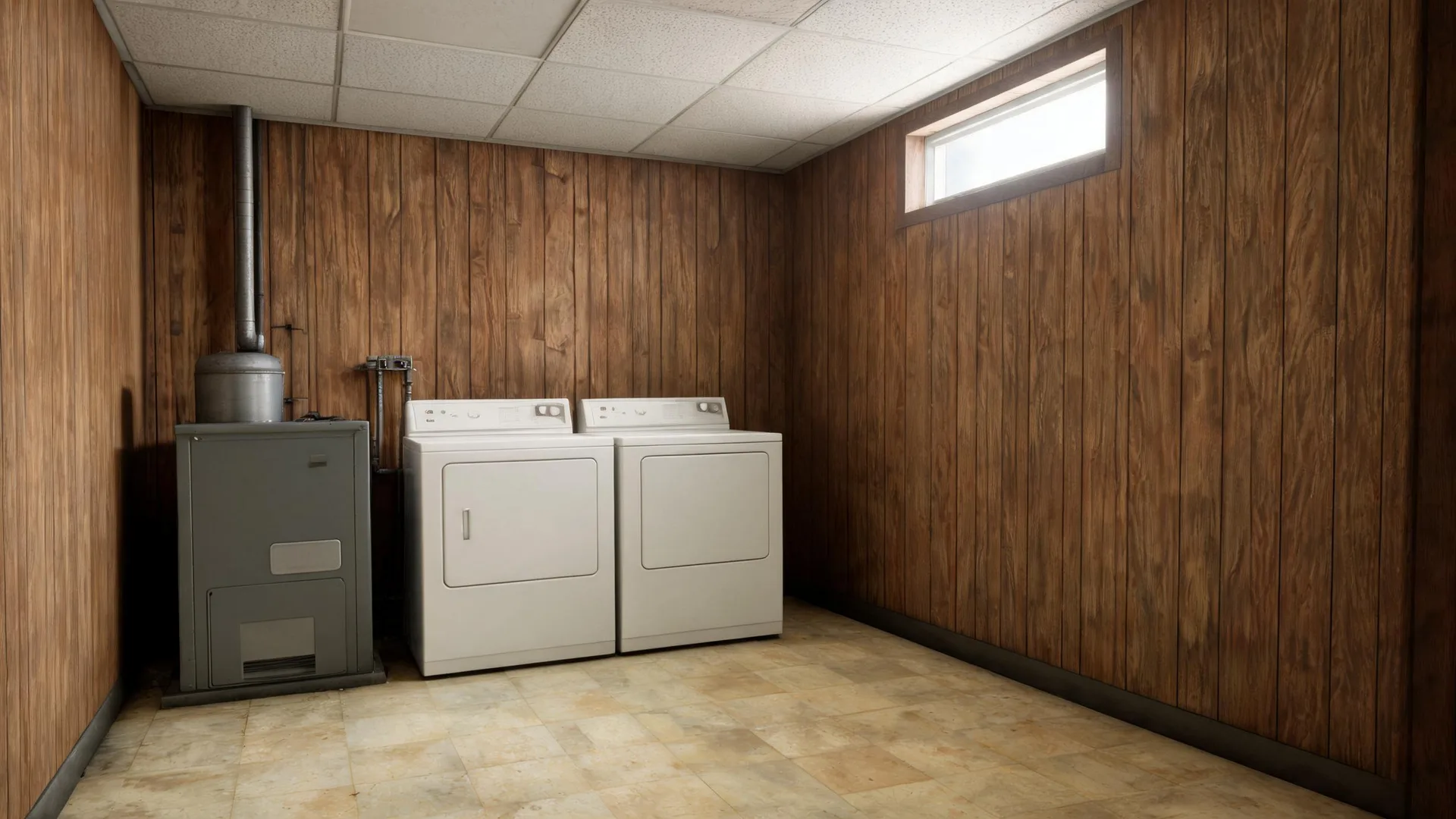
A furnace that matches your existing fuel type means the gas line or electrical circuit is already there. Switching fuels for a furnace install is a bigger job, with new lines or wiring to run first.

NOAA nClimDiv, 1991–2020 normals
Half the homes in Lea County were built in 1979 or earlier, half after.
A furnace sized for this place doesn't depend on the age of the house, so a standard install fits either way.



Furnace here runs about six months a year, November through April. The rest of the year it sits idle. Overnight lows average 28°F in December and January, cold enough for steady heat most nights but not the kind of extreme cold that calls for extra capacity. A standard furnace sized to the house handles that fine. Winter storms do roll through Lea County from time to time, so what matters more than size is a furnace installed and maintained to start reliably when one hits.
Lea County falls under zone 3B of the energy code. Any non-weatherized gas furnace installed today has to reach at least 80 percent AFUE. That floor holds until December 2028, when it steps up to 95 percent. A furnace installed now meets the standard that applies today.
Find a contractorHeat season here starts in November and runs through April, six months of steady work for whatever furnace goes in. Getting the install done in October means it's tested and running before the first cold night asks anything of it. Wait until the weather turns and you're scheduling around a cold house instead of a calendar.
A furnace is sized to the heat loss of the house, not picked off a shelf. A bigger unit costs more upfront, in the ductwork it needs and the furnace itself. Going bigger than the house calls for doesn't make it work better. It just costs more to buy and run.
Venting, ductwork, and the gas line or electrical circuit all factor into the job. If the existing ductwork is undersized or leaky, bringing it up to handle the new furnace adds to the work. A straightforward swap into a system already set up for that fuel type costs less labor than one that needs new lines run or ducts reworked.
A furnace that's too big for the house doesn't heat it better. It short cycles, running a few minutes, shutting off, running again, because it dumps heat faster than the house can soak it up. That's harder on the igniter and the blower motor than a steady run would be, and it leaves rooms farther from the furnace feeling the swing. Too small and it runs long stretches without catching up on the coldest nights, working harder than it should all winter. The right size comes from a heat loss calculation, the room by room and window by window math of how fast the house loses heat, not the size of the unit it's replacing. A contractor doing that math is the difference between a furnace that cycles properly for years to come and one that's fighting its own size the whole time.
Install day starts with the old furnace coming out, and that alone can take a while if it's a tight closet or an attic pull. Once it's out, the install is really several jobs stacked together. The gas line or electrical circuit gets checked against what the new furnace draws, not just reused because it was there before. Ductwork gets connected at the plenum, and if the trunk lines were undersized for the old unit, that's addressed now rather than left for later. Venting runs to the outside, sized and sloped the way that furnace needs it. Once it's all connected, the furnace gets fired up and run through its paces, checking that it ignites cleanly, that the blower moves air the way it should, and that the system cycles properly before anyone calls it done.