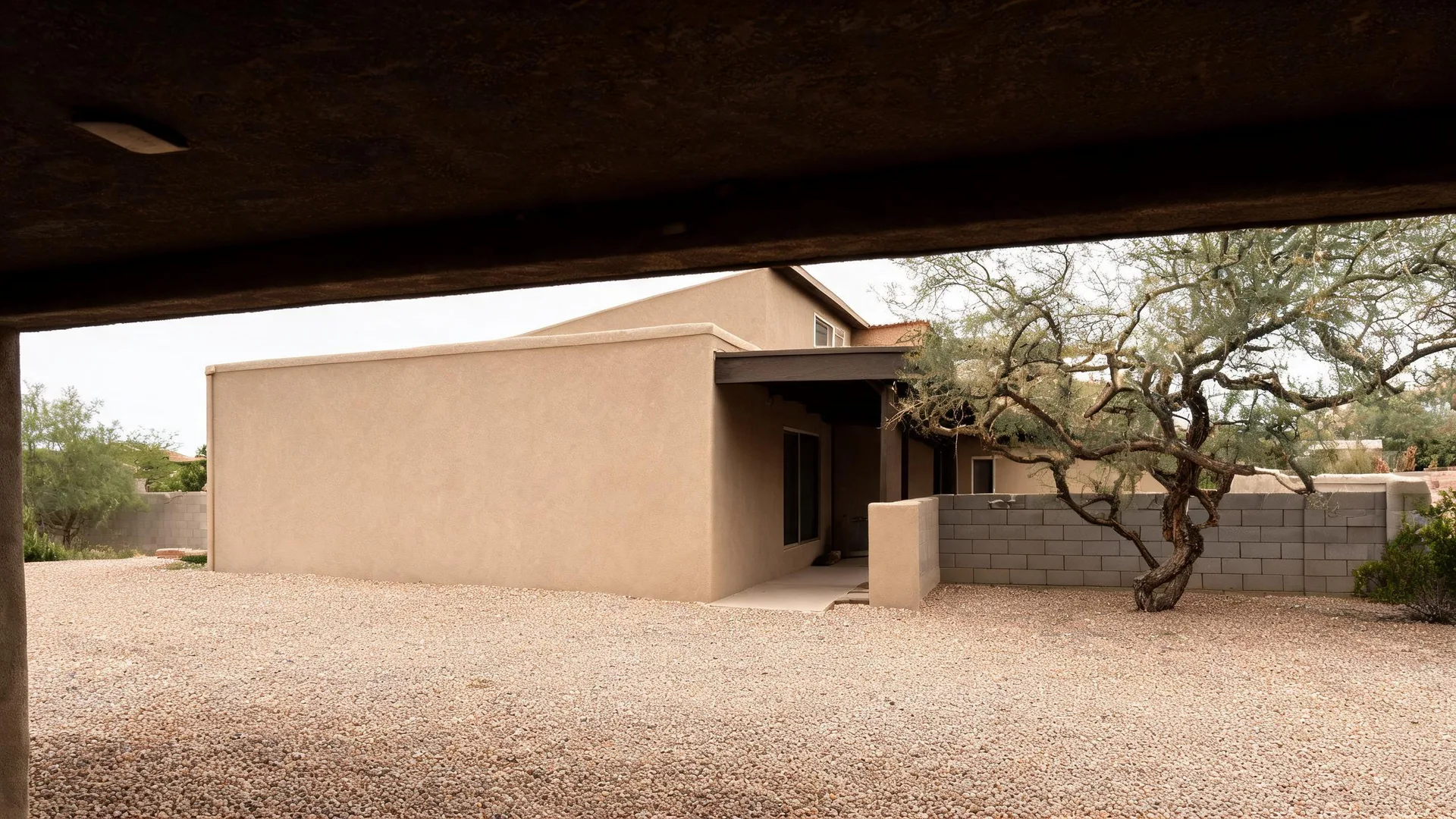
A tan stucco single-story house with a covered entry, seen from beneath an overhanging beam across a gravel yard, with a concrete block wall and a bare mesquite-like tree at right.

Furnace Installation in Deming, NM

Tell us about the job

Takes about a minute. No obligation.

New system or replacementFurnace or heatingLuna County, NM
Step 1 of 2

What ZIP code is the job in?

Ask how they sized it

A furnace should be sized to a load calculation based on the house, not swapped in at the same size as the old unit. One that's too big will short cycle, heating the house in bursts and wearing out parts faster. One that's too small will run constantly and still fall behind. Ask the contractor to walk you through the numbers, not just hand you a quote.

Ask what happens to the venting and ductwork

A new furnace has to match the venting it connects to and the ducts it feeds. Higher efficiency models often need different venting than what's already in place, and if the ductwork was sized for the old unit, it may not move enough air for the new one. Ask what gets inspected, what gets reused, and what might need to change.

6 months
November through April, your furnace is on duty
29°F
the average winter night it heats against
80% AFUE
the federal minimum any new unit must meet
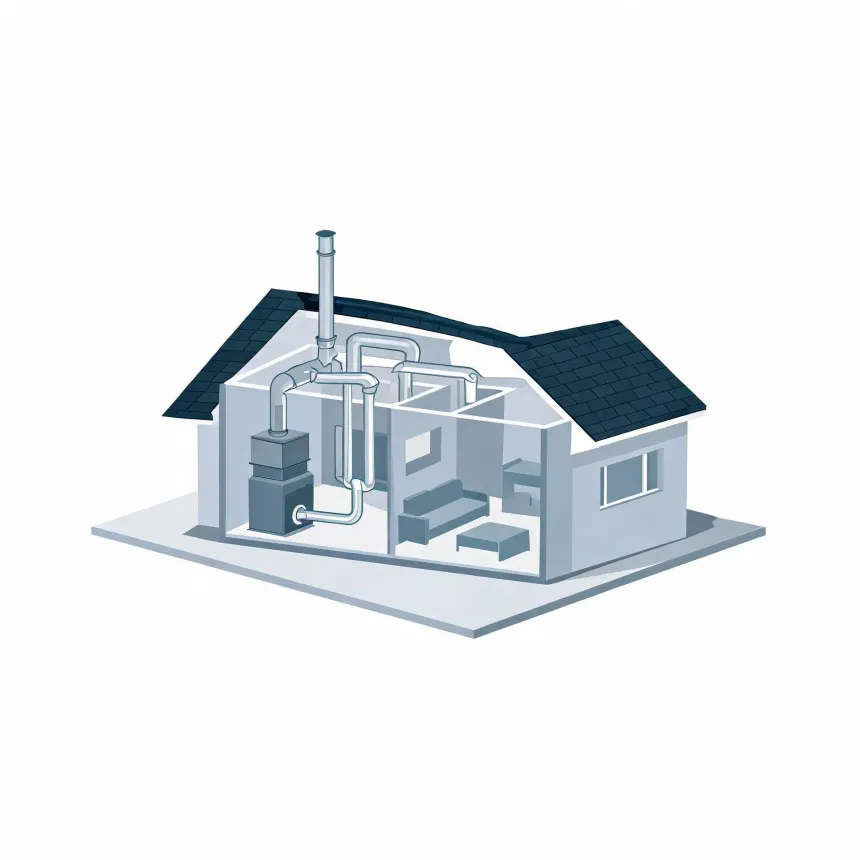
Isometric illustration of a cutaway single-story house showing a gray furnace unit, connected ductwork, and a vertical flue extending above the dark shingled roof.
Your furnace works hardest from November through March.

NOAA nClimDiv, 1991–2020 normals

Half the homes in Luna County were built in 1980 or earlier.

An older home's venting and ductwork were built for the furnace it had, so a new one has to be sized and fitted to match the house, not swapped in at the same size as the old unit.

Six months of heat, and nights that only get to 29°F

Heat runs November through April
Winter nights average 29°F
Climate zone 3B
Ask what your furnace has to fitHalf the homes in Luna County were built in 1980 or earlier.

October is the month before heat season here, and that makes it the month to get a furnace installed. Homes in Luna County run heat from November through April, about six months straight, so a furnace put in during October has a few weeks to prove out before it has to work for real. Wait until the first cold nights hit and any sizing or venting problem shows up while you're already relying on the system. Done in October, there's time to size it to the house, check the venting, and fix what needs fixing before it matters.

Pick a furnace that fits the house, not the top of the lineup

Six months of heat a year isn't heavy duty work. A furnace here doesn't need to be the highest efficiency model on the lot, it needs to be sized right for the house and matched to the venting already in place. Get the sizing and the fit right, and a reliable system will handle what this place asks of it.

Find a contractor
A gray residential gas furnace installed in an unfinished basement, surrounded by ductwork, a metal flue pipe, and a gas supply line.

Sized for the house, not the old unit

A furnace sized right runs long, steady cycles. It brings the house up to temperature slow and even, then shuts off clean. An oversized furnace can't do that. It blasts the house with heat, hits the thermostat setting fast, and shuts off again before it's worked the warmth into the walls and furniture, not just the air passing through the ducts. A few minutes later it has to start again. Each start is a draw on the igniter and the blower motor, and that kind of short cycling wears both down faster than a long steady run ever does. An undersized furnace fails the other way. It runs and runs and still can't catch up on the coldest nights, falling further behind the longer it runs. Getting the size right starts with a load calculation, a room by room look at square footage, window area, insulation and ceiling height. It has nothing to do with what furnace happened to be in the house before. That one might have been wrong for the house from the day it went in.

The old furnace gets disconnected and hauled off

A contractor will shut off the gas line, disconnect the venting and electrical, and remove the old furnace from the house. The heat exchanger inside most units is steel or aluminized steel, and the cabinet is sheet metal, so the whole thing typically goes to a scrap yard rather than a landfill. There's no part of an old furnace worth keeping or reusing in the new install.

The gas line and electrical get checked, not just swapped over

The gas line feeding the old furnace has to match what the new one calls for, and the same goes for the electrical connection to the blower motor and control board. A contractor should check both before hooking up the new unit, not just assume the old connections will do. If the old furnace was undersized or oversized for the house, whoever installed it may have run a gas line that was never right to begin with.

The efficiency number on the label tells you how much of the fuel a furnace burns actually turns into heat in the house, versus how much goes out the flue. A furnace with a higher rating wastes less, plain and simple. But that number only pays off if the furnace is sized right and venting to match, because a high efficiency unit condenses moisture out of the exhaust and needs venting built for that, usually PVC pipe rather than the metal flue an older furnace used. Put a high efficiency furnace on the wrong vent and it won't draft right, no matter what the label promised. The rating also says nothing about comfort or how long the thing lasts. A mid-efficiency furnace sized correctly and vented properly will outperform a top-rated one that's the wrong fit for the house or hooked to venting it was never designed for.

Installation day starts with the old furnace still running, so the contractor can see how it draws air and vents before any of it comes apart. Once it's disconnected, the work moves through the mechanical space one connection at a time. New venting gets run. The gas line gets checked and connected. Ductwork ties into the plenum. Wiring lands on the control board. Each connection gets tested on its own before the whole system fires up together. The last part of the day is start-up and checks, gas pressure set, temperature rise measured across the heat exchanger, airflow checked at the registers. A furnace that fires right away but hasn't been checked this way can still be wrong for the house. The paperwork matters too. Whatever gets permitted and inspected is what protects you if something goes wrong with the unit later.