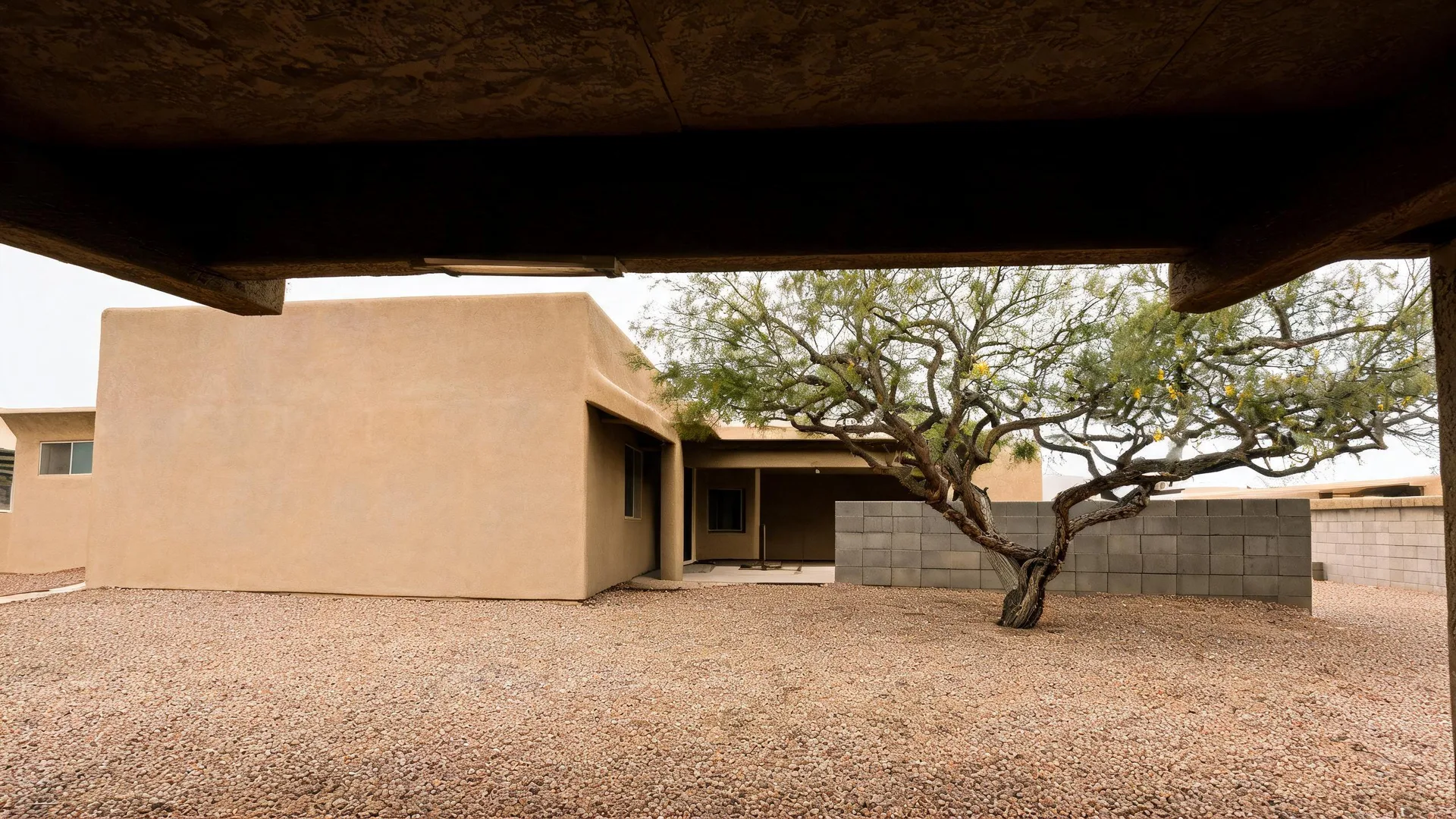





View from beneath a concrete overhang toward a tan stucco single-story house with a gravel yard, a low concrete block wall, and a mesquite-like tree with a twisted trunk.

Furnace Installation in Roswell, NM

Tell us about the job

Takes about a minute. No obligation.

New system or replacementFurnace or heatingChaves County, NM
Step 1 of 2

What ZIP code is the job in?

Electricity in New Mexico ran $41.61 per million Btu in 2024. That number matters if you're choosing between furnace options, because every therm of inefficiency gets billed back to you at that rate, winter after winter. A furnace with a higher AFUE rating costs more up front but burns less fuel to put out the same heat. Over the life of the system, that difference shows up on your bill every single month it runs. Ask about the AFUE rating on any unit you're considering, and compare it against what you're replacing.

7 months
October through April, your furnace is on duty
27°F
the average winter night it heats against
80% AFUE
the federal minimum any new unit must meet
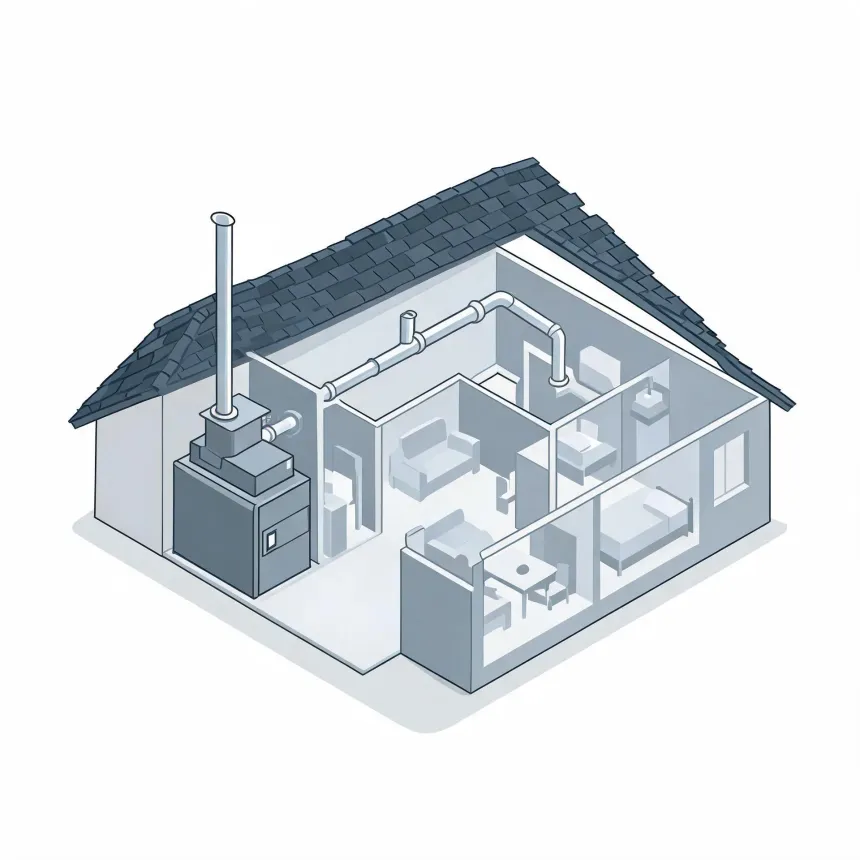
Isometric cutaway illustration of a single-story house showing interior rooms with furniture, ceiling ductwork, and a large furnace unit with a tall flue pipe in a corner room.
Your furnace works hardest from November through March.

NOAA nClimDiv, 1991–2020 normals

Over half the homes in Chaves County heat with electricity.

An electric furnace here isn't a special order, it's what most of your neighbors already have.

Roswell runs its furnace seven months a year. Install it in September and it's ready before the first cold night.

Heat runs October through April
Winter nights average 27°F
11 winter storms from 2015 to 2024

Half the homes in Chaves County were built in 1972 or earlier. A furnace going into one of those houses is going into ductwork and venting sized for whatever ran there decades ago, not for whatever's on the showroom floor today. If your system came with the house, there's a good chance it was matched to equipment that's long since been replaced at least once. The right size furnace depends on the house, not just the one being pulled out. That's worth checking before you pick a replacement, not after it's installed.

This is a straightforward furnace job. Size it right and install it.

A standard-size furnace at a standard efficiency rating fits a Roswell home fine. Seven cold months and overnight lows averaging 27 degrees in winter call for a furnace that runs reliably, not one oversized or upgraded past what the house needs. Get the sizing and the AFUE rating right for the house you have, and that's the job done.

Find a contractor
A man seen from behind in a dark sweatshirt and tan work pants climbs porch steps toward a gray paneled front door, carrying a canvas tool bag in his right hand, with a potted shrub to the left.
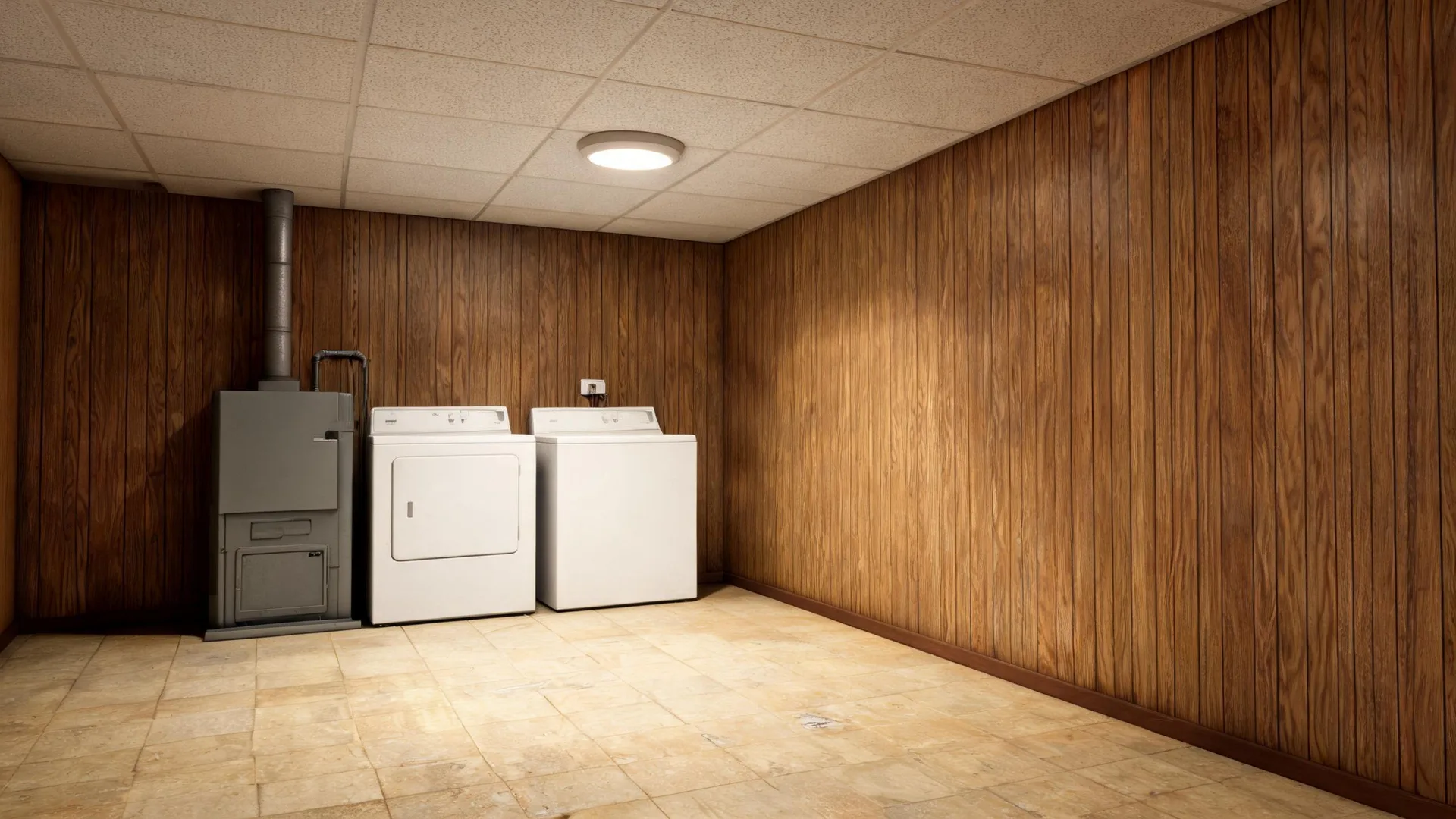
A gray residential gas furnace installed in an unfinished basement, surrounded by ductwork, a metal flue pipe, and a gas supply line.

Size it to the house, not the old furnace

A load calculation settles it, not the age of the house or the furnace that's coming out. A contractor measures the rooms, the windows, the ductwork that's already there, and sizes the new furnace to that. Skip it and go by the old unit's size, and you're just copying a guess someone else made decades ago.

AFUE is a measure of waste, not heat output

AFUE tells you how much of the fuel burned turns into heat for the house versus how much goes out the flue. A furnace rated higher wastes less gas doing the same job. It doesn't mean the furnace heats a bigger house or heats any faster, both of those come down to sizing, not this rating.
The install decides how close you get to that number

The AFUE on the label comes from a lab test on a furnace set up exactly to spec. Ductwork that's too small, a restricted return, or a flue that's the wrong size will all pull the real efficiency below what's printed. The rating is a ceiling. What the installer does with the venting and the ducts decides how close the furnace actually gets to it.

A furnace too big for the house cycles on, blasts heat, and shuts off again before it's done warming the far rooms evenly. Short cycles like that wear the ignition system harder, since the igniter and blower are starting up and down all through the cold months. Too small, and it runs constantly trying to catch up, which strains the blower motor over the long run and still leaves the house short on the coldest nights. Sizing works from heat loss, not square footage alone. A contractor figures how fast the house loses heat through its walls, windows and roof, then matches a furnace that can replace that heat at the rate it's lost. Square footage gets you a rough starting point, but houses of the same size can need different sized furnaces depending on how much glass they have and how well they hold heat.

Pulling the old furnace out is part of the job, not an afterthought. A tech disconnects the gas line, the venting and the return and supply plenums, then unbolts it from the ductwork and carries it out. If it's a gas furnace, the gas line gets capped off properly before anyone leaves. The old venting often gets swapped too, since a new high efficiency furnace vents differently than what it's replacing, sometimes through a sidewall instead of up through the roof. None of that is optional. A new furnace connected to venting sized for the old one won't draft right, and that's a combustion safety problem, not just a performance one.