

Stacked firewood along the dark vertical-board wall of a house beside a gravel path with two outdoor condenser units, with pines, dry grass and an overcast sky beyond.

Furnace Installation in Farmington, NM

Tell us about the job

Takes about a minute. No obligation.

New system or replacementFurnace or heatingSan Juan County, NM
Step 1 of 2

What ZIP code is the job in?

Gas heats 63 percent of homes in San Juan County, more than every other fuel combined. If your furnace runs on gas now, replacing it with another gas furnace keeps the install straightforward. The gas line, the vent, the thermostat wiring are already there and sized for that kind of system. Switching fuels means new venting and new gas or electrical work, which is a bigger job than swapping one furnace for another. Electric heat and propane each account for a small share of homes here, so a contractor working in this county installs gas furnaces far more often than anything else.

8 months
October through May, your furnace is on duty
20°F
the average winter night it heats against
63%
of homes here heat with gas, so most furnaces here burn gas
80% AFUE
the federal minimum any new unit must meet
Isometric line illustration of a cutaway house showing interior rooms with furniture and a furnace with ducting and a flue pipe extending through the roof.
Your furnace works hardest from November through March.

NOAA nClimDiv, 1991–2020 normals

Gas ran $8.83 per million Btu in New Mexico in 2024, cheap by national standards.

A high-efficiency furnace costs more up front and takes longer to earn that back here, so pick one for how well it fits your house and how long it lasts.

Eight months of heat, nights near 20, and winter storms most years

Heat runs October through May
Winter nights average 20°F
30 winter storms from 2015 to 2024

Heat starts in October here and runs through May, eight months straight. September is the last easy month to get a furnace replaced before you need it. Once the cold sets in, a dead furnace is an emergency, and you end up with whatever install date and whatever unit is available that week. Scheduling it in September gives a contractor time to size the unit for your house instead of rushing a fit. It also means the old furnace comes out on your schedule, not in the middle of a cold stretch.

Any furnace going in here has to hit 80 percent AFUE

San Juan County sits in climate zone 5B, where heating carries most of the load. Furnaces built today already have to reach 80 percent AFUE, and that stays the floor here until a jump to 95 percent AFUE in December 2028. A furnace going in now just needs to clear that first number. Installing one that already meets the 2028 mark is also worth asking about, since it may still qualify for the federal efficiency tax credit.

Find a contractor
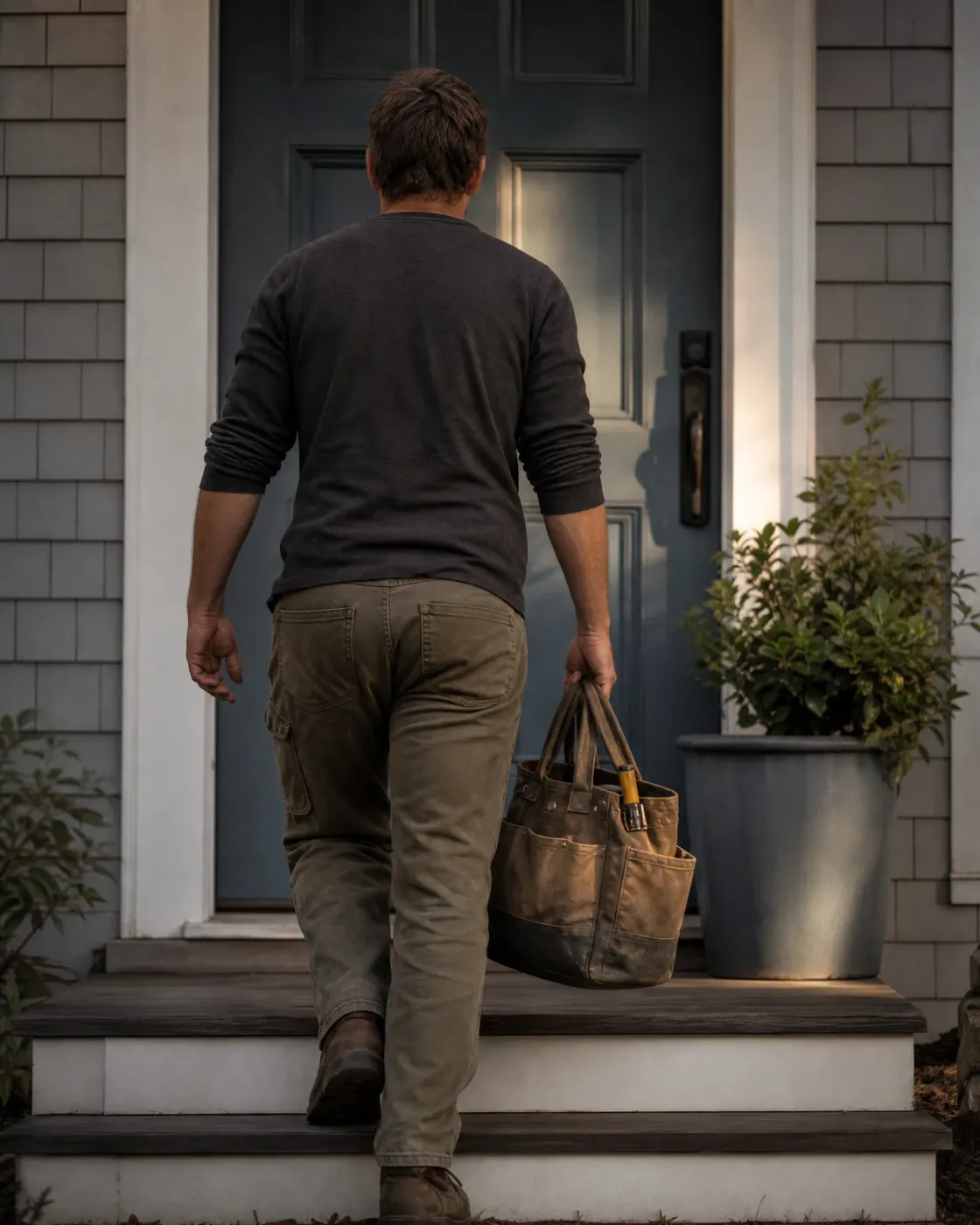
A man in a dark long-sleeved shirt and olive work pants carries a canvas tool bag up steps toward a blue-gray front door of a shingled house, with a potted shrub beside the entry.
A gray high-efficiency gas furnace installed in an unfinished basement, surrounded by gas lines, a condensate drain, and sheet-metal ductwork.

A standard furnace, sized for the house it's going in

Half the homes in San Juan County were built in 1986 or earlier, half in 1986 or later. That split doesn't change what furnace size fits a house, so there's no reason to size up or down based on the home's age. Mobile homes make up close to a third of the housing stock here, and those need a furnace built and certified for mobile home installation, not a standard model. Outside of that, a correctly sized, standard-efficiency furnace does the job here the same as it would anywhere else in this heating zone.

The old furnace gets disconnected and hauled out

The gas line gets capped off, the vent connection comes apart, and the old furnace gets carried out before the new one goes in. If it's a gas furnace, the contractor needs to check the venting for the new unit too. A high-efficiency furnace vents through PVC pipe, not the metal flue the old one used, so swapping efficiency tiers can mean new venting even when the fuel stays the same.

The heat exchanger is the thing to ask about

A cracked heat exchanger is the most common reason a furnace gets replaced instead of repaired. It's the part that separates the flame from the air moving through your ducts, and once it cracks, it's not something to patch. If that's why the old one is coming out, mention it. It tells the contractor what to check for when the new furnace goes in, like whether the ductwork or venting took any damage too.

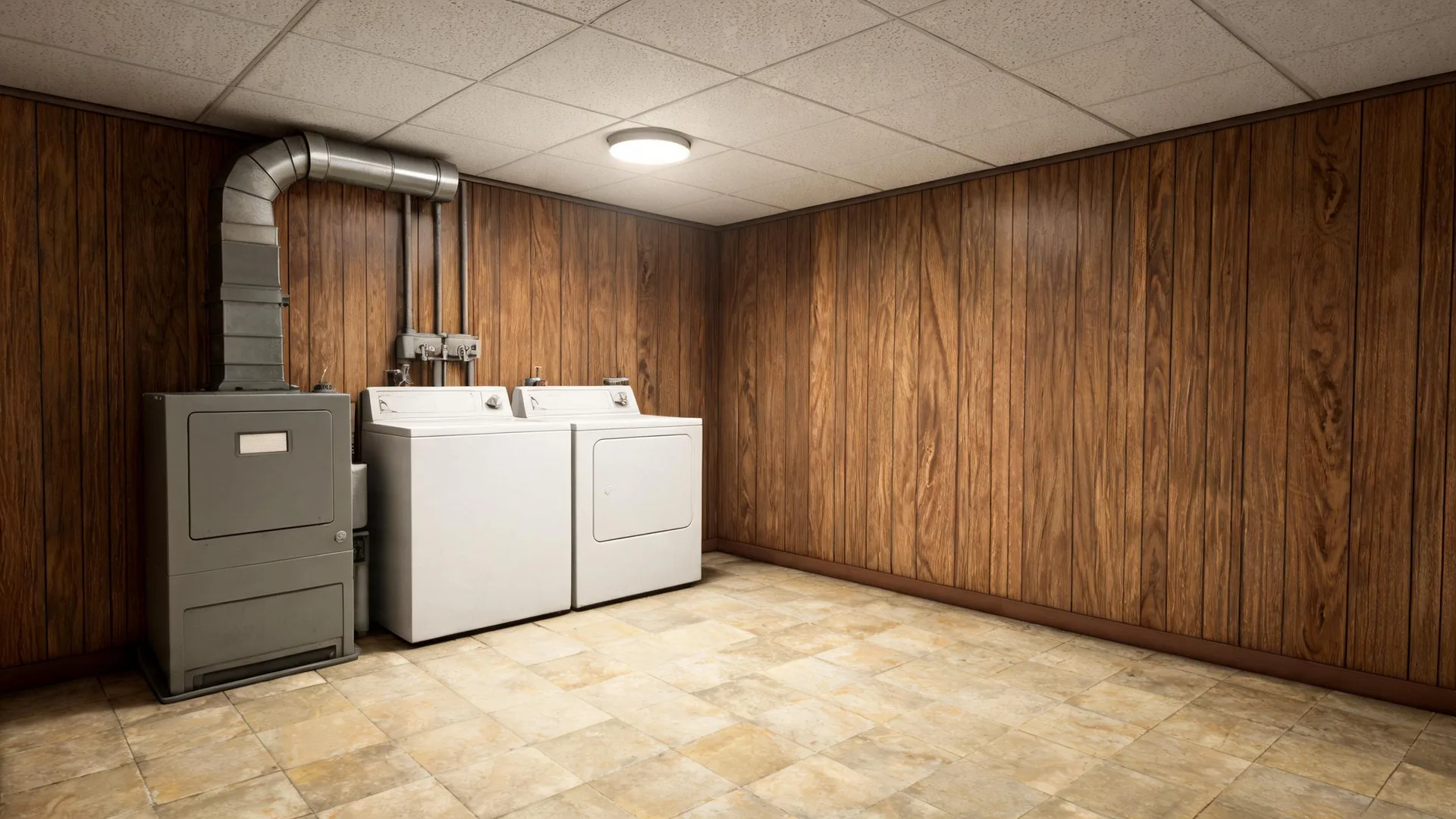
An empty unfinished basement containing a forced-air furnace with overhead ductwork, exposed ceiling joists, and a single hanging light bulb.

A high-efficiency gas furnace would save about $60 a year to run in San Juan County compared with a gas furnace.

  • A high-efficiency gas furnace$330 a year
  • A gas furnace$390 a year

Estimates for a typical San Juan County home, from EIA household energy data, New Mexico fuel prices and NOAA climate normals. Your home will differ.

Installation day starts with the old furnace coming out, so the first few hours are teardown, not setup. Once the new unit is in place, the gas line gets connected and pressure tested before anything runs, since a leak caught then is a lot simpler than one caught later. The ductwork ties in next, and the contractor checks the connections at the plenum for a tight fit, not just a snug one. Electrical and thermostat wiring come last, then the furnace gets fired up and run through its paces. A tech will check the flame, cycle the system a few times, and watch the exhaust before calling it done. That test run matters more than it looks like from the outside, because it's the only way to catch a problem while the tools are still out and the furnace is still easy to get to.