




An unfinished basement interior featuring a large metal furnace unit, exposed ceiling joists, concrete walls, and scattered boxes and cables on the floor.

Furnace Installation in Carlsbad, NM

Tell us about the job

Takes about a minute. No obligation.

New system or replacementFurnace or heatingEddy County, NM
Step 1 of 2

What ZIP code is the job in?

More homes in Eddy County run on electricity than on gas, 54.6% against 40.3% on utility gas. If your house is one of the electric ones, a straight swap means an electric furnace again, sized to what the old one handled. If it's gas, Carlsbad has enough gas furnaces around that parts and know-how aren't a problem. Either way, matching what's already there is usually simpler than switching fuels, since switching can mean new gas lines or new electrical circuits before the furnace itself goes in.

5 months
November through March, your furnace is on duty
31°F
the average winter night it heats against
80% AFUE
the federal minimum any new unit must meet
Isometric cutaway illustration of a single-story house with a dark shingled roof, showing interior rooms with furniture, ductwork, a flue pipe, and a furnace unit.
Your furnace works hardest from November through February.

NOAA nClimDiv, 1991–2020 normals

Furnace here runs about five months a year, November through March.

A furnace that only has to carry five months doesn't need to be the top of the lineup.

October is the month to get it done, before November asks you to use it

Heat runs November through March
Climate zone 3B
Winter nights average 31°F
A standard furnace fits what this county pays for powerElectricity runs $41.61 per million Btu in New Mexico, and a standard furnace is sized to that cost, not against it.

Half the homes in Eddy County were built in 1980 or earlier, half in 1980 or later, and that split doesn't change what furnace fits. Sizing comes from the house itself, its square footage and how well it holds heat, not from when it was built. A contractor measures what's there and matches the furnace to it. The one thing worth checking is whether yours is a mobile home, since those are a real share of homes in the county and take a different furnace built to a different standard than one for a site-built house. Outside of that, a standard model at standard efficiency does the job here. There's nothing about this county pushing you toward bigger or higher-end.

Meet the standard that applies now, before the standard changes

Any furnace installed here now has to hit at least 80 percent AFUE, the federal minimum, and that holds until the standard rises to 95 percent in December 2028. A standard furnace at today's minimum meets Eddy County's code as it stands. There's also a federal tax credit available on qualifying new systems, worth checking before you settle on a model.

Find a contractor
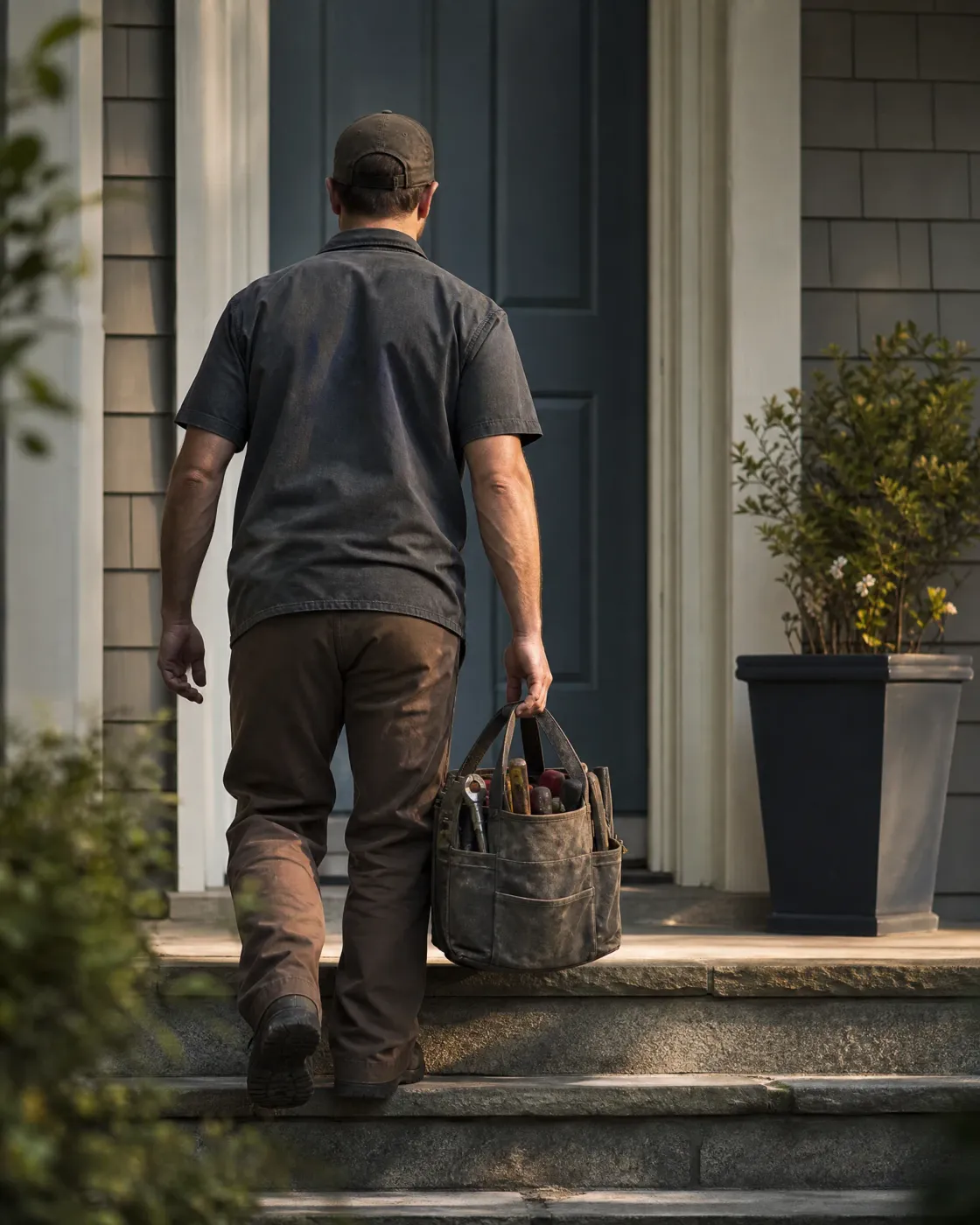
A man in a cap, dark work shirt and brown trousers walks up stone steps toward a dark blue panelled door, carrying a canvas tool bag filled with hand tools, beside a potted shrub.
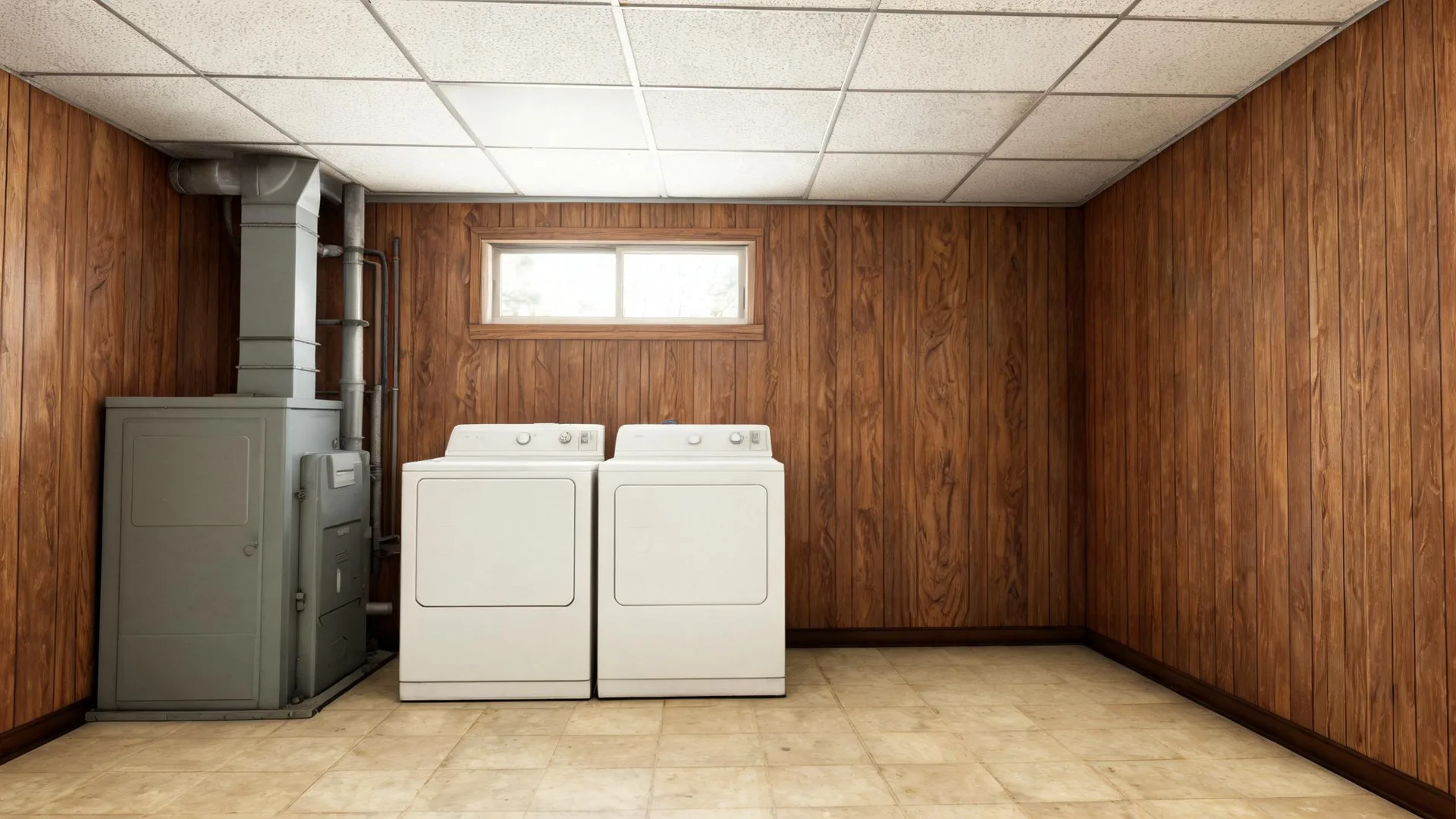
A gray gas furnace with attached ductwork and piping installed in an unfinished concrete basement.

Five months on, the rest of the year off

Overnight lows average 31°F through December, January and February, not far below freezing. A standard furnace cycles on and off to hold the house there, and that's normal work, not strain. Five months a year of that, then it sits the rest of the time. Put the money into getting the size and the install right instead of chasing a higher-efficiency unit this house won't run long enough to pay back.

The ductwork decides more than the furnace does

If the existing ducts are the right size and sealed well, a contractor can set the new furnace and go. If a duct run is too small, crushed, or leaking at the joints, that has to get fixed first or the new furnace won't heat evenly no matter how good it is. That work happens before the furnace goes in, not after.
Moving the vent pipe costs more than keeping it

A furnace vents through a pipe to the outside, either through the roof or a sidewall. Putting the new furnace where the old one sat means that vent run stays as is. Moving the furnace to a different spot in the house means running new venting, and that's labor and material the straight swap doesn't need.

When you're getting quotes, ask what AFUE rating each one is actually proposing. Don't assume they're all the same. Ask how they arrived at the size, and whether that came from a load calculation or just the rating on the old furnace. A furnace sized too big for the house will short cycle, turning on and off more than it should, which wears the parts faster and still leaves rooms uneven. Ask what's included in the install itself. New venting if the furnace is moving, a new thermostat, any duct sealing or repair the job needs. Quotes for the same furnace model can still mean different jobs once you know what's actually being done around it.

The old furnace comes out first. That gives a contractor a look at the gas line or electrical circuit behind it, and either one gets checked before the new unit goes in. The furnace gets set in place, leveled, and connected to the ductwork and vent pipe already there. Gas or electrical, the vent, the thermostat wire, the return and supply ducts all get hooked up in turn. Once it's running, a contractor checks the flame or heating element, the airflow at the registers, and the vent draft. On a gas furnace, a combustion analyzer confirms it's burning clean and venting the way it should, not just that it turns on.