




An unfinished basement interior showing a gray furnace unit beneath a bare incandescent bulb, surrounded by exposed joists, concrete walls, cardboard boxes, and utility pipes.

Furnace Installation in Clayton, NM

Tell us about the job

Takes about a minute. No obligation.

New system or replacementFurnace or heatingUnion County, NM
Step 1 of 2

What ZIP code is the job in?

Heat runs eight months a year in Union County, October through May. Overnight lows average 20°F through December, January and February, and the furnace is what stands between that cold and the inside of the house. Winter storms bring heavy snow, ice and blizzards to this county on a regular basis, often right when the system is working hardest. A furnace sized for an easier climate will run close to its limit most of the winter here. Get the size right for this house and this place, not just the lowest bid.

8 months
October through May, your furnace is on duty
20°F
the average winter night it heats against
59%
of homes here heat with gas, so most furnaces here burn gas
80% AFUE
the federal minimum any new unit must meet
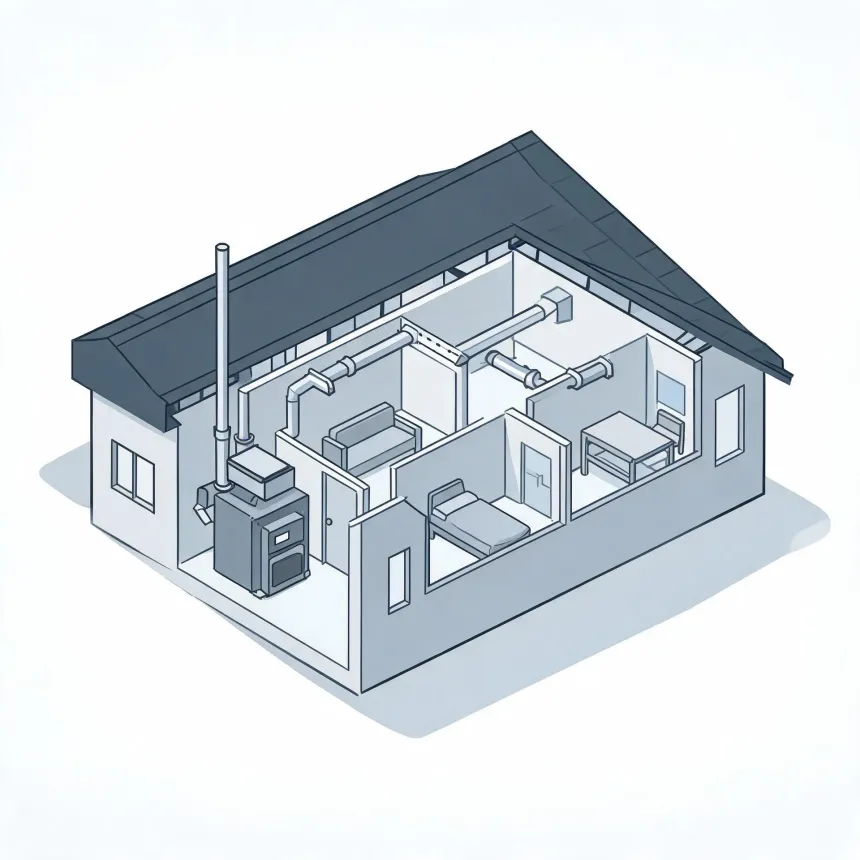
Isometric cutaway illustration of a single-story house showing interior rooms with furniture, overhead ducting, a flue pipe, and a furnace unit against an interior wall.
Your furnace works hardest from November through March.

NOAA nClimDiv, 1991–2020 normals

Half the homes in Union County were built in 1961 or earlier.

If your furnace is original to a house that age, it was sized for a different system entirely, and whatever's in there now is probably a replacement for a replacement.

Most homes in Union County heat with gas, and a gas furnace is the straightforward replacement

59% of homes heat with gas
Heat runs October through May
Winter nights average 20°F
Clayton, NMGas runs $8.83 per million Btu in New Mexico, among the cheaper rates around. A high-efficiency furnace still costs more up front, and it takes longer to earn that back here.

September is the month to get this done. Heat starts in October here and runs through May, eight months straight, so a furnace put in during September has no season behind it yet. A contractor can size the unit and check the venting without racing the weather. Wait until October or later and the job competes with the first cold snap. That usually means a rushed install, or a few cold nights waiting on a crew that's already booked. Get it done while nobody's in a hurry.

The right size, not the priciest unit

A furnace sized right for this house, at a standard efficiency rating, is the one to get. Correct sizing matters here because of the cold and the storms this county sees. It doesn't call for a premium efficiency tier on top of that. Get the size right and put the rest of the budget toward the install itself.

Find a contractor
A man in a gray shirt and tan pants carries a worn canvas tool bag up porch steps toward a dark blue paneled front door, with a potted shrub beside the entry.
A gray residential gas furnace installed in an unfinished basement, surrounded by ductwork, a metal flue pipe, and a gas supply line.

Eight months a year, with no easy stretch in between

Eight months of heat, and overnight lows averaging 20°F through December, January and February. That's most of a year asking the same furnace to keep up, and a storm doesn't wait for a slow day to hit. Have the contractor size the unit against this house before the install, not guess and fix it after.

The size drives the cost, not the brand

A furnace is priced by how much heat it can put out, and that number has to match the house. A contractor works this out from the square footage, the windows, the insulation and the layout, not a guess. Go bigger than the house needs and it costs more to buy and short-cycles instead of running steady. The right size is the one that matches a load calculation, and that calculation is what the installer is really pricing.

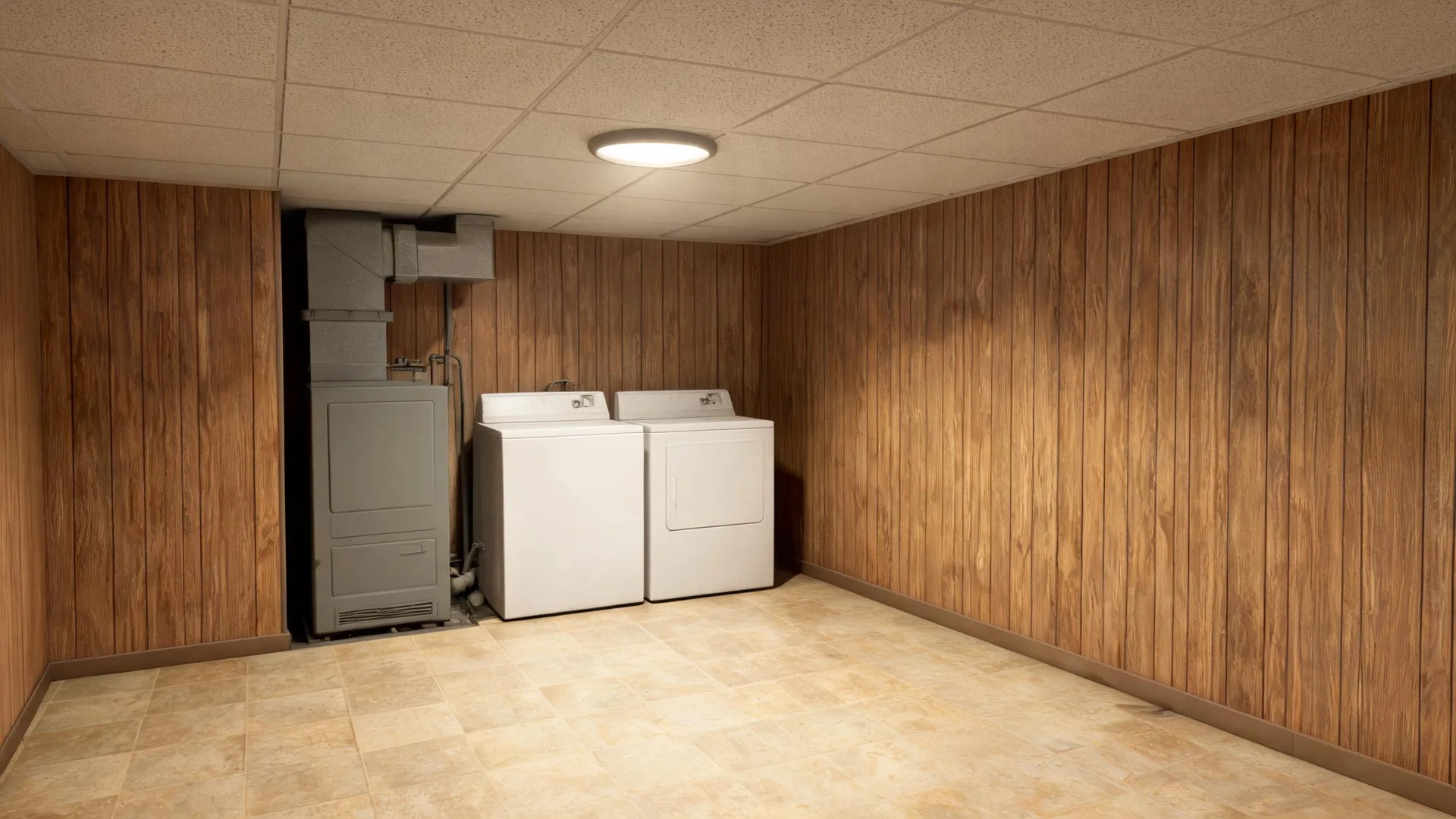
The vent and the ductwork decide the rest

A furnace install is never just the unit. The vent pipe has to be sized and routed for that furnace, and if the existing ductwork is undersized or leaky, that gets addressed too, or the new furnace won't heat the house evenly no matter how good it is. Swapping a furnace for the same model in the same spot is a simpler job than one where the vent category changes or the ducts need work. That difference shows up in the bid before anyone talks about the furnace itself.

A gray forced-air furnace with ductwork stands in an unfinished concrete basement surrounded by storage items and clutter.

A high-efficiency gas furnace would save about $60 a year to run in Union County compared with a gas furnace.

  • A high-efficiency gas furnace$310 a year
  • A gas furnace$370 a year

Estimates for a typical Union County home, from EIA household energy data, New Mexico fuel prices and NOAA climate normals. Your home will differ.

Installation day starts with the old furnace coming out, and that's often a bigger job than the new one going in. The contractor disconnects the gas line, the vent, the ductwork and the wiring, then checks what's underneath before setting the new unit in place. Gas and electrical get connected first, then the vent pipe, sized and routed for this specific furnace. Ductwork gets sealed to the new unit so air isn't leaking out before it reaches a single room. Once it's running, the contractor checks the flame, tests the gas pressure, and confirms the thermostat is talking to the furnace correctly. A combustion analyzer gets used to make sure the furnace is burning clean before anyone calls it done. The last step is walking the house, checking that air is moving out of every vent the way it should.