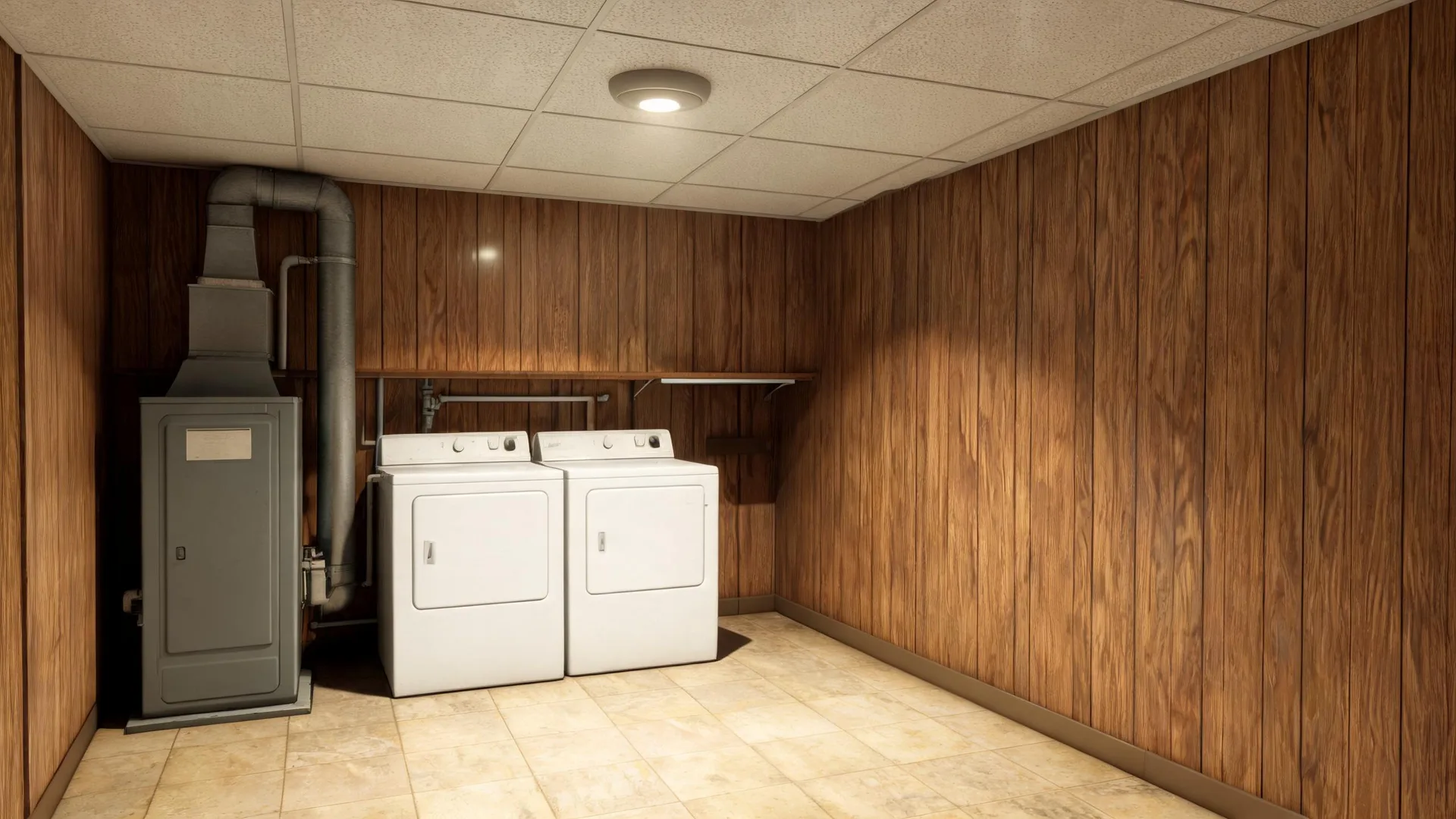
Eight months of heat a year
Furnaces in Grants run from October through May, with overnight lows averaging 18°F in December, January and February. That is most of the year asking a furnace to hold a house above freezing overnight.
Takes about a minute. No obligation.
Furnaces in Grants run from October through May, with overnight lows averaging 18°F in December, January and February. That is most of the year asking a furnace to hold a house above freezing overnight.
Cibola County saw 36 winter storms between 2015 and 2024, counting heavy snow, ice and blizzards. A furnace sized for an easy winter somewhere else will run harder here, and running harder for longer means parts wear sooner.
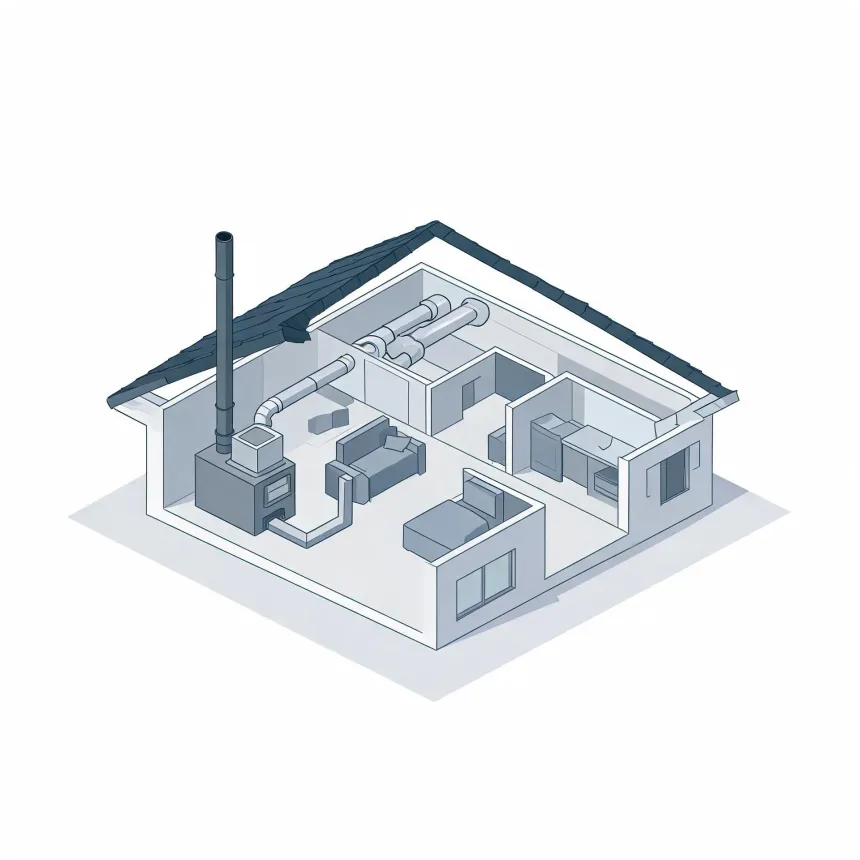
NOAA nClimDiv, 1991–2020 normals
Half the homes in Cibola County were built in 1978 or earlier.
A furnace going into a house that age needs to match the ducts and venting already there, not just the floor plan.

Utility gas heats 42.2% of occupied homes in Cibola County, more than any other fuel. Electricity comes in second at 14.1%, with propane close behind at 12.9%. If your house is already set up for gas heat, a new gas furnace means the gas line and venting are already there. That keeps the job a straight swap instead of a rework of how the house gets its heat. Matching what's already installed is usually the simpler path, and here it's also the common one.
A new system here will work harder than most, every year. Size it right and don't buy on price alone.
Find a contractor
Get the load calculation done, not a guess based on the old unit's size. Eight months of run time a year will find the difference between a furnace that fits the house and one that's just close enough. Oversized, it short-cycles and wears its parts faster. Undersized, it runs flat out the nights that hit 18°F and still falls behind. Ask the contractor to walk through the numbers with you before you sign anything.
Contractors can land on the same furnace and still have done different work to get there. One ran a load calculation room by room. The other looked at the old furnace and matched it. Ask to see the worksheet, not just the number. If they can't show you how they got there, they guessed.
A new furnace moving different air than the old one changes what's asked of the ductwork and the flue. Ask whether the ducts were checked for leaks or crushed runs, and whether the venting still matches what the new furnace needs. A furnace is only as good as what it's hooked up to.
Estimates for a typical Cibola County home, from EIA household energy data, New Mexico fuel prices and NOAA climate normals. Your home will differ.
Installation day starts with the old furnace coming out. The contractor disconnects the gas line, the vent, the ductwork and the wiring, then pulls the unit out whole or in pieces if the space is tight. The new furnace goes in on its pad or stand and gets leveled. Then the gas line gets connected and checked for leaks. The vent gets hooked up and pitched correctly. The ductwork gets sealed to the cabinet, and the wiring gets run to the thermostat and control board. Once it's buttoned up, the contractor fires it and checks the flame, the temperature rise across the heat exchanger, and the static pressure in the ducts. That last check matters as much as the furnace itself. A furnace set to the right gas pressure and air flow runs the way it was designed to. One that isn't will short-cycle, run hot, or trip its limit switch long before anything is actually broken.