
A paved road bordered by gravel and a weathered split-rail log fence curves past dark-sided cabins with metal roofs among tall conifer trees.

Furnace Installation in Española, NM

Tell us about the job

Takes about a minute. No obligation.

New system or replacementFurnace or heatingRio Arriba County, NM
Step 1 of 2

What ZIP code is the job in?

Most homes in Rio Arriba County heat with utility gas, close to six in ten. If your home already has a gas line run to a furnace, putting in another gas furnace is usually the straightforward choice. The venting, the gas supply and the layout are already set up for that kind of system, so a contractor can match what's there instead of starting over. Electric heat and propane both show up in smaller numbers of homes here, and either can work, but gas is what most of this county is already built around.

9 months
September through May, your furnace is on duty
15°F
the average winter night it heats against
59%
of homes here heat with gas, so most furnaces here burn gas
80% AFUE
the federal minimum any new unit must meet
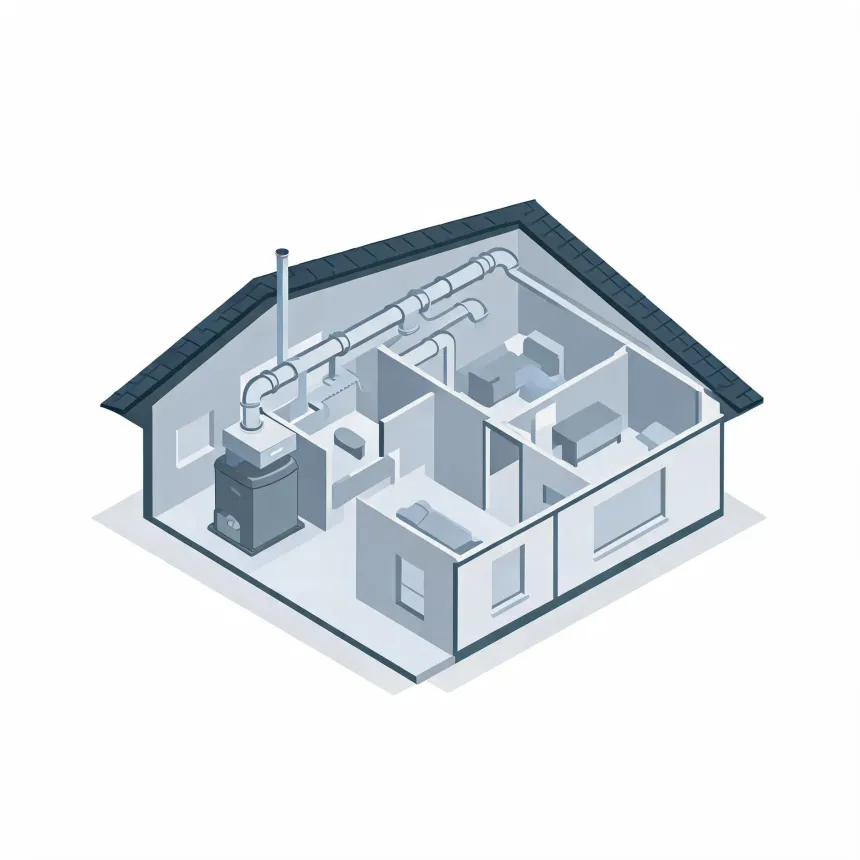
Isometric cutaway illustration of a single-story house showing interior rooms, ductwork running along the ceiling, a flue pipe through the roof, and a dark furnace unit in one corner.
Your furnace works hardest from November through April.

NOAA nClimDiv, 1991–2020 normals

The size of the furnace has to match the house, not the old unit sitting there now.

Sizing it right means a load calculation, a look at the ducts, and a check of the venting, and all of that is part of the installed price.

Nine months of heat, starting in September, best to go into it with a new furnace already running

Heat runs September through May
Winter nights average 15°F
144 winter storms from 2015 to 2024

Natural gas in New Mexico ran $8.83 per million Btu in 2024, one of the lower rates in the country. That changes what's worth paying extra for. A high-efficiency furnace costs more to install, and at these gas prices it takes longer for the lower bills to make up that difference. Fit and reliability matter more than the efficiency number on the sticker. A furnace sized right for the house and vented right will serve you better than one bought just for a higher rating.

A properly sized furnace is ready for whatever this winter brings

Winter storms have hit this county 144 times between 2015 and 2024. None of that calls for anything beyond a standard furnace, sized and vented right for the house. Get it in before the cold settles in for the season.

Find a contractor
A man in a cap, dark shirt and brown work pants walks up stone steps toward a gray front door, carrying a canvas tool bag in his right hand, with a potted plant beside the porch.
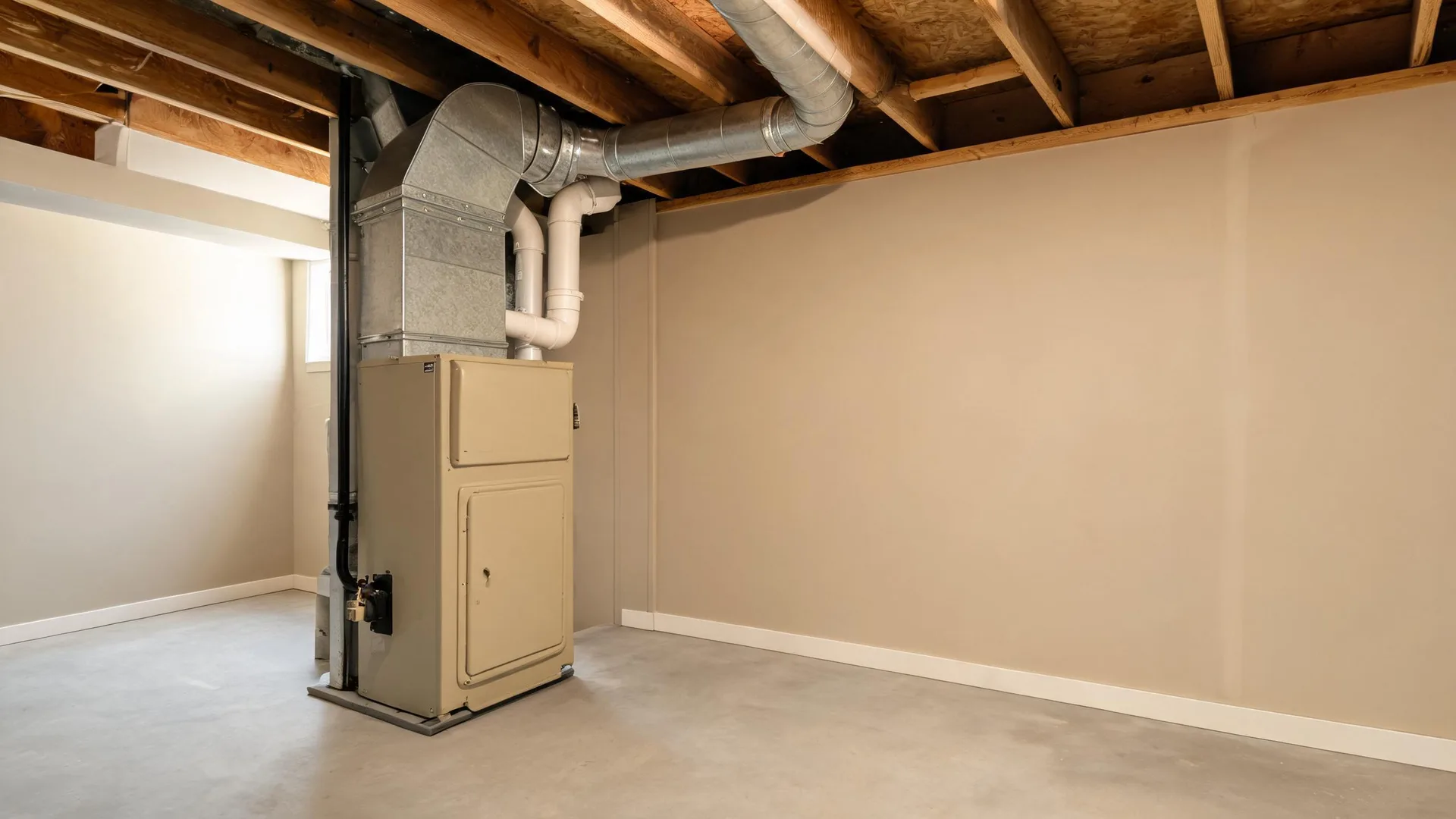
A gray residential gas furnace installed in an unfinished basement, surrounded by ductwork, a metal flue pipe, and a gas supply line.

This furnace runs nine months a year, so size it for the long haul

Nine months of heat a year wears on a furnace faster than the shorter seasons most of the country deals with. Overnight lows average 15°F through December, January and February, so the furnace isn't cycling lightly, it's holding the house against real cold for hours at a stretch, night after night. That kind of run time adds up across a winter and adds up again across years. A furnace sized too small for the house will run even harder trying to keep up, and the parts that wear, the igniter, the blower motor, feel it sooner. Get the sizing right at install and the furnace settles into a workload it can actually handle.

Too big is its own problem

An oversized furnace heats the house fast, shuts off, and starts again a short while later. That short cycling keeps the heat exchanger going through more heating and cooling swings than it needs to, and it means the air in the house never really gets worked over, so rooms end up warm in spots and cold in others. Bigger is not the safe choice. Matched is.

The load calculation is the real work

A contractor figures the right size by working out how much heat the house actually loses, room by room, based on square footage, window area, insulation and ceiling height. That number, not the size of the furnace already there, is what the new one gets matched to. A house that was added onto or re-insulated since the last furnace went in may need a different size than what's coming out.

A gray forced-air furnace with metal ductwork stands in an unfinished basement with exposed wooden joists, concrete walls, and a single hanging light bulb.

A high-efficiency gas furnace would save about $80 a year to run in Rio Arriba County compared with a gas furnace.

  • A high-efficiency gas furnace$420 a year
  • A gas furnace$500 a year

Estimates for a typical Rio Arriba County home, from EIA household energy data, New Mexico fuel prices and NOAA climate normals. Your home will differ.

Install day starts with the old furnace coming out, along with whatever venting or ductwork doesn't match the new unit. Gas gets shut off at the line before anything is disconnected. The new furnace gets set in place, then the duct connections, the gas line and the venting all get tied in, each one pressure checked or tested before it's covered up or closed in. Electrical goes last, power to the unit and thermostat wiring run and connected. Once it's buttoned up, the contractor fires it up and runs it through a full cycle, checking the gas pressure, the temperature rise across the furnace and the airflow at the vents. A combustion analyzer checks the exhaust before anyone calls the job done. That last check is what tells you the furnace is burning clean and venting right, not just that it turns on.