





Three adobe-style desert homes with warm landscape lighting, surrounded by saguaro cacti and desert vegetation under a deep blue dusk sky.

Furnace Installation in Portales, NM

Tell us about the job

Takes about a minute. No obligation.

New system or replacementFurnace or heatingRoosevelt County, NM
Step 1 of 2

What ZIP code is the job in?

Electricity in New Mexico ran $41.61 per million Btu in 2024. A furnace that wastes less of what it burns or draws costs less to run every month it operates, not just in the coldest stretch. That difference shows up on every bill, winter after winter, for as long as the furnace is in the house. Worth asking what efficiency rating you're getting quoted and what that means for your gas or electric bill specifically.

7 months
October through April, your furnace is on duty
26°F
the average winter night it heats against
80% AFUE
the federal minimum any new unit must meet
Isometric grayscale illustration of a cutaway house showing an interior furnace with a tall flue pipe and ductwork running to rooms under a partially lifted roof.
Your furnace works hardest from November through March.

NOAA nClimDiv, 1991–2020 normals

Half the homes in Roosevelt County were built in 1977 or earlier.

A standard furnace sized for a typical Portales house works here. Nothing about the local housing stock calls for going bigger.

Have a new furnace in by September, before heat season starts in October

Heat runs October through April
Winter nights average 26°F
Climate zone 4B
Seven months of heat a yearOvernight lows average 26°F across December, January and February in Roosevelt County.

Most houses in Roosevelt County heat with electricity, 61.3 percent of them. Gas service reaches less than a quarter of homes here, so an electric furnace is the common setup, not the exception. If your house already runs on electric heat, replacing it with the same keeps the installation simple. No gas line to run. No venting to change. Bottled or LP gas shows up in just over 5 percent of homes, usually where utility gas never got built out. Worth checking which fuel your current system uses before you start comparing quotes, since switching fuels is a bigger job than swapping one furnace for another.

New furnaces here have to meet a minimum efficiency, and a credit is available now

Any gas furnace installed here has to reach 80 percent AFUE, the federal minimum. That floor rises to 95 percent in 2028, so what qualifies today will change. A federal tax credit is available now for high-efficiency equipment, worth asking your contractor about while you're comparing quotes.

Find a contractor
A man in a dark long-sleeve shirt and worn brown work pants, seen from behind, carries a canvas tool bag up the steps toward a gray front door, with a potted shrub beside the entry.
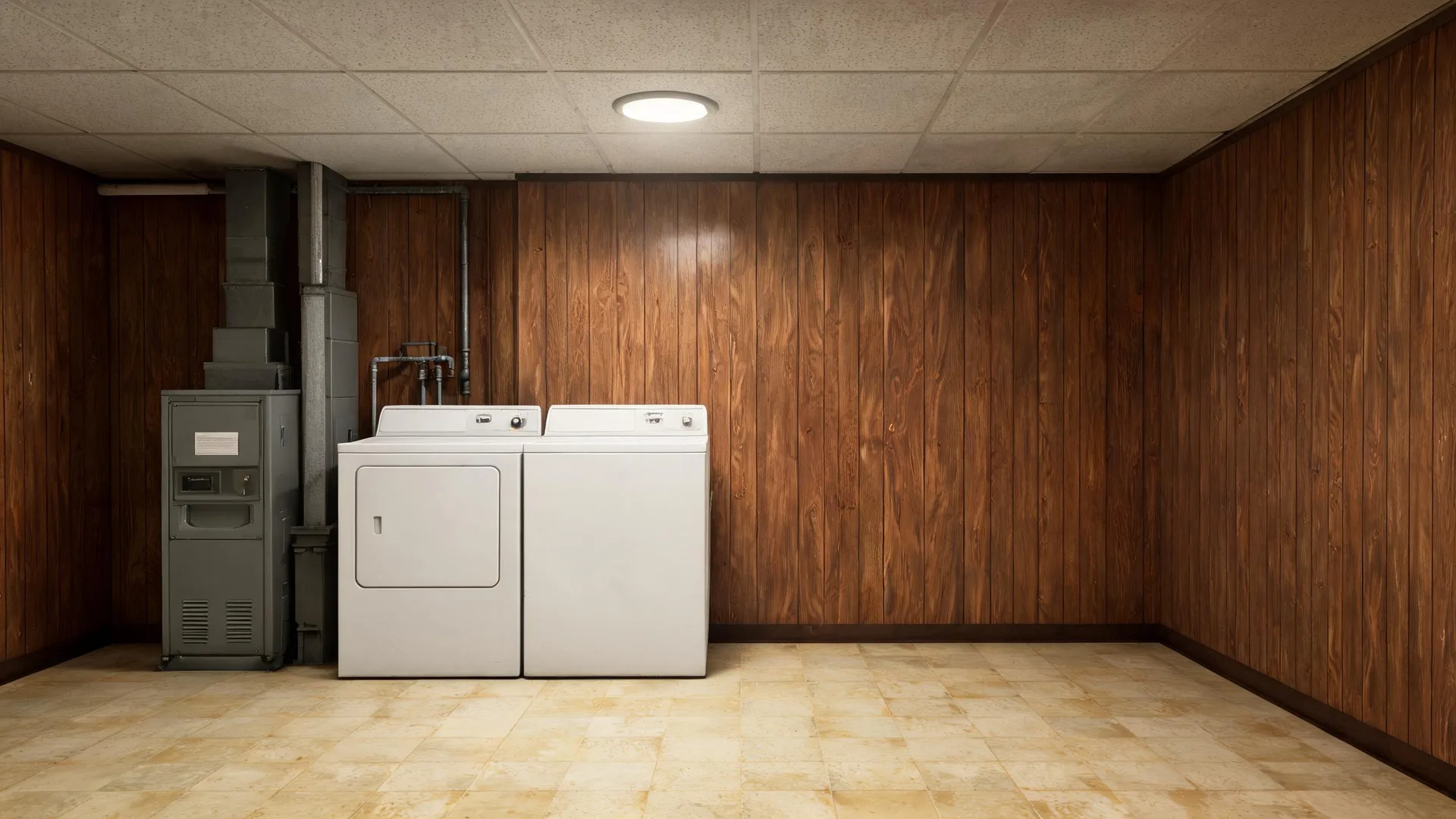
A gas furnace with attached ductwork, gas piping, and condensate lines installed in a concrete-block basement.

The old furnace doesn't get a second life

Once the new furnace is in, the old one comes out the same day, not left standing as a backup. A furnace that has run every winter for years has worn bearings in the blower motor and a heat exchanger that has been through more expansion and contraction cycles than anyone could count. None of that makes it worth keeping around. Some of it has scrap value in the sheet metal and copper, which an installer may account for in the quote or may not, worth asking. The gas line or electrical circuit feeding it gets capped or reused for the new unit, not left live and unused. If the old furnace shares a vent or flue with a water heater, that gets checked too, since removing one appliance can change how the other vents.

The furnace itself is one line item

Capacity and efficiency rating set the base price before anything else gets considered. A bigger unit costs more to buy, and a higher efficiency rating adds cost to the equipment itself, before installation labor enters into it. Furnaces with the same output can still carry different prices based on the heat exchanger material and how the blower motor is built.
What's already there decides the labor

Swapping a furnace for one of the same type, same fuel, same location, is the straightforward version of this job. Installation cost climbs when the ductwork needs modification to match the new unit's airflow, when the vent or flue has to be resized, or when the electrical circuit feeding the furnace isn't rated for what the new one draws. None of that shows up in the price of the furnace itself. It shows up in the hours the job takes.

Ask what size furnace is being quoted and how they landed on it. A furnace that's too big for the house cycles on and off fast, never running long enough to heat evenly, and that short-cycling wears out the igniter and blower motor sooner. Too small, and it runs constantly without catching up on the coldest days. Sizing should come from a load calculation on your house, not just a match to whatever was there before. Ask too what the warranty covers, parts versus labor, and for how many years each, since those terms vary between manufacturers and installers. And ask who's doing the actual installation work, since the brand on the furnace matters less than whether the person running the gas line, sizing the ductwork and venting it correctly knows that specific equipment.

Installation day starts with the old furnace coming out, and most of the morning goes to that and to prep, not to the new unit going in. The gas line or electrical circuit gets checked before anything hooks up to it, since the new furnace may draw differently than the old one did. Ductwork gets tied in next, and this is where a straightforward swap stays fast and a mismatched one slows down, because connecting a new furnace to old ducts sized for a different airflow takes real adjustment. Venting gets run or reused depending on what's already there, and it has to meet the new unit's specs, not the old one's. Once the furnace is set and connected, it gets fired up and checked while running, not just switched on and left. A tech should check the temperature rise across the heat exchanger and confirm the blower is moving the right amount of air before calling the job done, since a furnace that fires fine but moves too little or too much air won't heat the house the way it's supposed to.