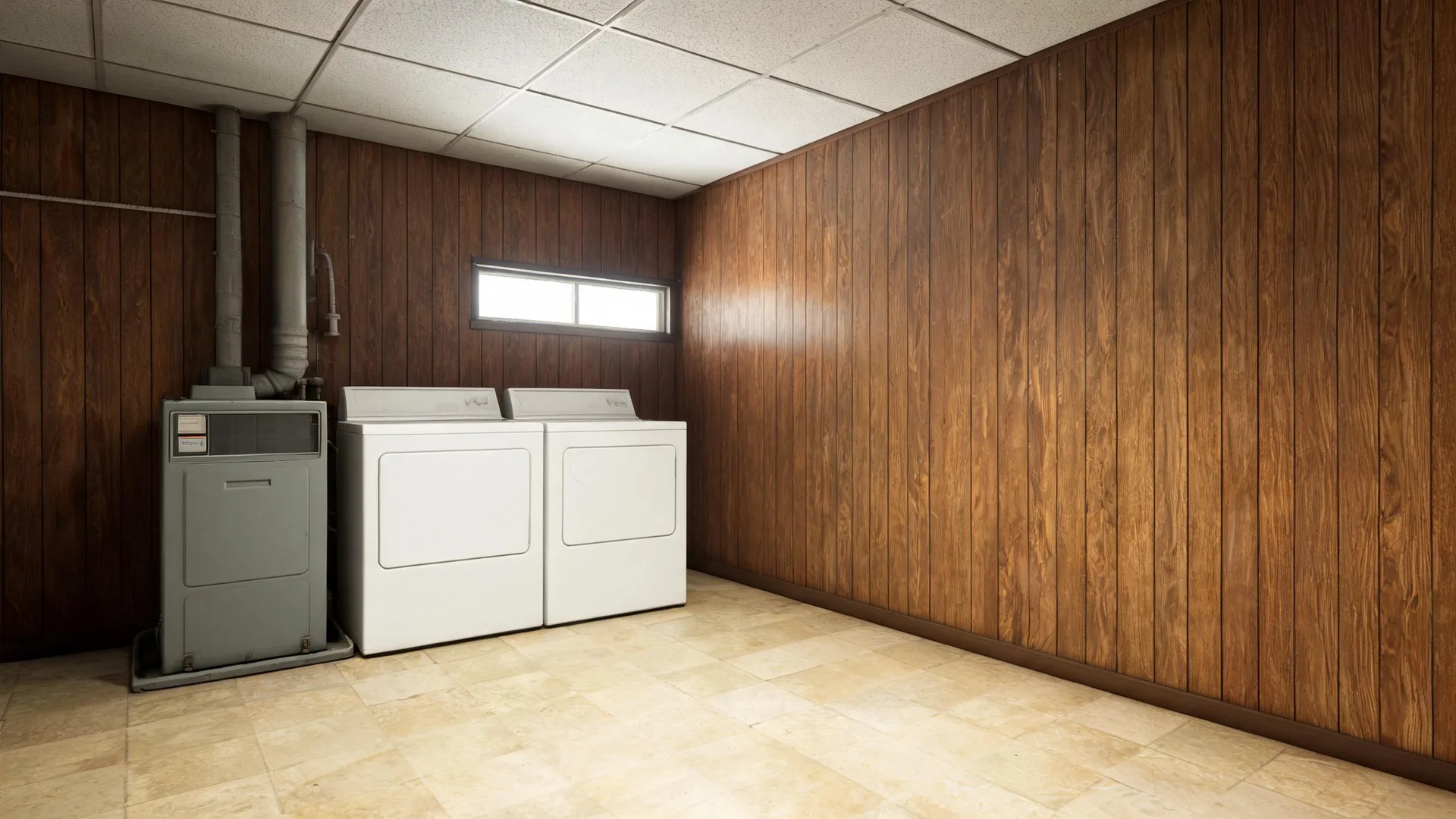
No need to size up
Half the homes in De Baca County were built in 1977 or earlier, half after. That's just a normal mix of ages, nothing that calls for oversizing. A furnace matched to your square footage and insulation does the job.
Takes about a minute. No obligation.
Half the homes in De Baca County were built in 1977 or earlier, half after. That's just a normal mix of ages, nothing that calls for oversizing. A furnace matched to your square footage and insulation does the job.
Mobile homes make up about a fifth of the housing here. If yours is one, it needs a furnace built and certified for mobile home installation, not a standard model sized down.
NOAA nClimDiv, 1991–2020 normals
Furnace season starts in October here and runs through April.
Have a new furnace in before September ends, and you pick the day instead of the cold.



The efficiency rating on a furnace label tells you how much of the fuel it burns turns into heat in your house, and how much goes out the flue. A higher rating means less waste, but it also means a more complex furnace. To pull extra heat out of the exhaust before it leaves, a high-efficiency furnace needs a second heat exchanger and a drain line for the condensation that forms there. That drain and exchanger are things to keep an eye on down the road. A furnace with a lower rating is simpler and has less that can go wrong, but it sends more heat up the flue instead of into your rooms. Either way, the rating says nothing about what size furnace your house needs. That comes from your square footage and insulation, not the number on the label.
A standard size and efficiency fit fine here. There's no local reason to go bigger or pricier.
Find a contractorA furnace that's too big for the house turns on, dumps a burst of heat, and shuts off again before it's pulled air through a full cycle. That short run time means the blower never gets going long enough to even out the air in the rooms farthest from the unit. It also means more starts and stops over a season, and the igniter and blower motor wear with every start more than with every hour of running. A furnace that's too small just runs long and never catches up on the coldest days, with the house settling under what the thermostat is asking for. Getting the size right starts with a load calculation, which weighs your square footage against your insulation, your windows, your ceiling height, and how the rooms are laid out, not a rule of thumb based on the house next door. Houses the same size can need different furnaces if one holds heat better than the other.
The unit itself is only one line on the bill. Running gas line or venting to a new spot, replacing a duct run that's undersized, adding a return where the layout needs one, these add work the furnace price doesn't include. A straightforward swap in the same spot with the same venting costs less labor than one that doesn't.
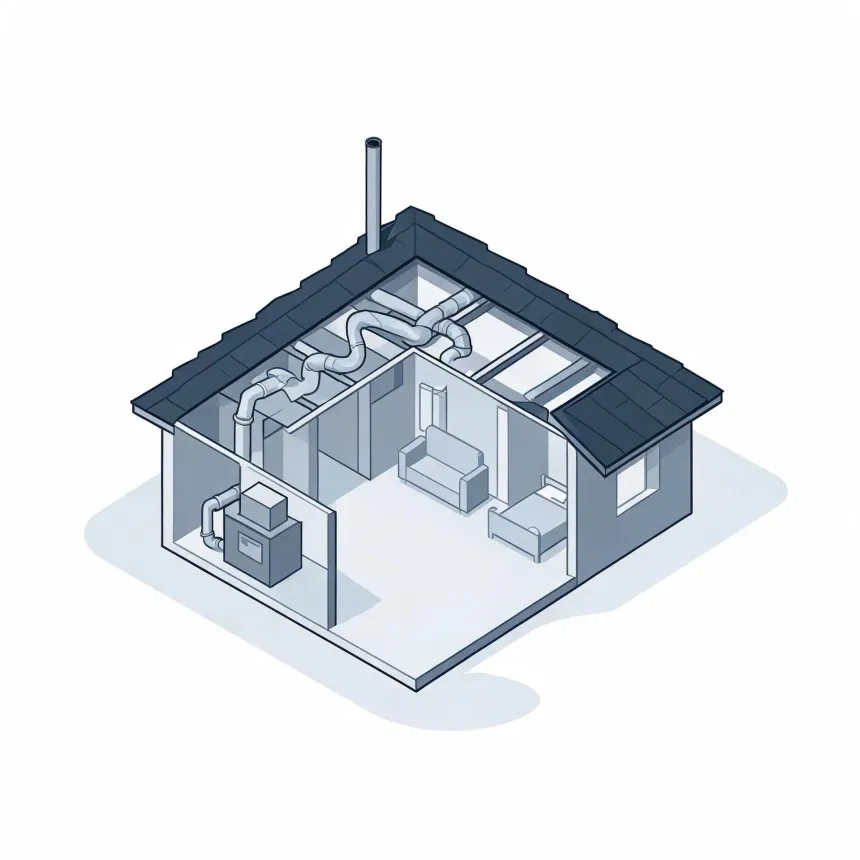
If the ductwork fits the new furnace's airflow and the vent and gas line are already in the right place and sized right, installation is mostly swap and connect. If the old furnace was undersized, or vented a way the new one can't use, or the electrical doesn't match what the new blower draws, that gets fixed as part of the install, not after.
When you're comparing quotes, ask what each contractor's load calculation found, not just what size they're proposing. Contractors who measure your windows and insulation can land on different numbers than ones guessing off square footage alone. Ask what happens to your existing ductwork and whether it was sized for the new furnace's airflow, since a furnace moving more air than the ducts were built for will whistle at the registers or leave rooms short. Ask about venting too. A furnace that vents differently than your old one needs new venting run to code, and that's labor some quotes include and others leave out. Get the warranty terms in writing, parts and labor both, and ask who you call if something goes wrong early on.
Installation day starts with the old furnace coming out, and that's when a lot of the real decisions get made, not before. The new unit gets set on its pad or stand, leveled, and connected to the ductwork, the gas line, the vent, and the power. Every joint on the gas line gets tested for leaks before anything is fired up. Once it's hooked up and running, a tech checks the flame, measures the temperature rise across the heat exchanger, and adjusts the gas pressure to match the manufacturer's spec, not a guess. The ductwork gets checked too, since airflow that's too low or too high for the furnace shows up as a flame that looks wrong or a blower that cycles oddly. Before anyone leaves, the thermostat gets set up and the system runs through a full cycle so you can see it heat and shut off on its own.