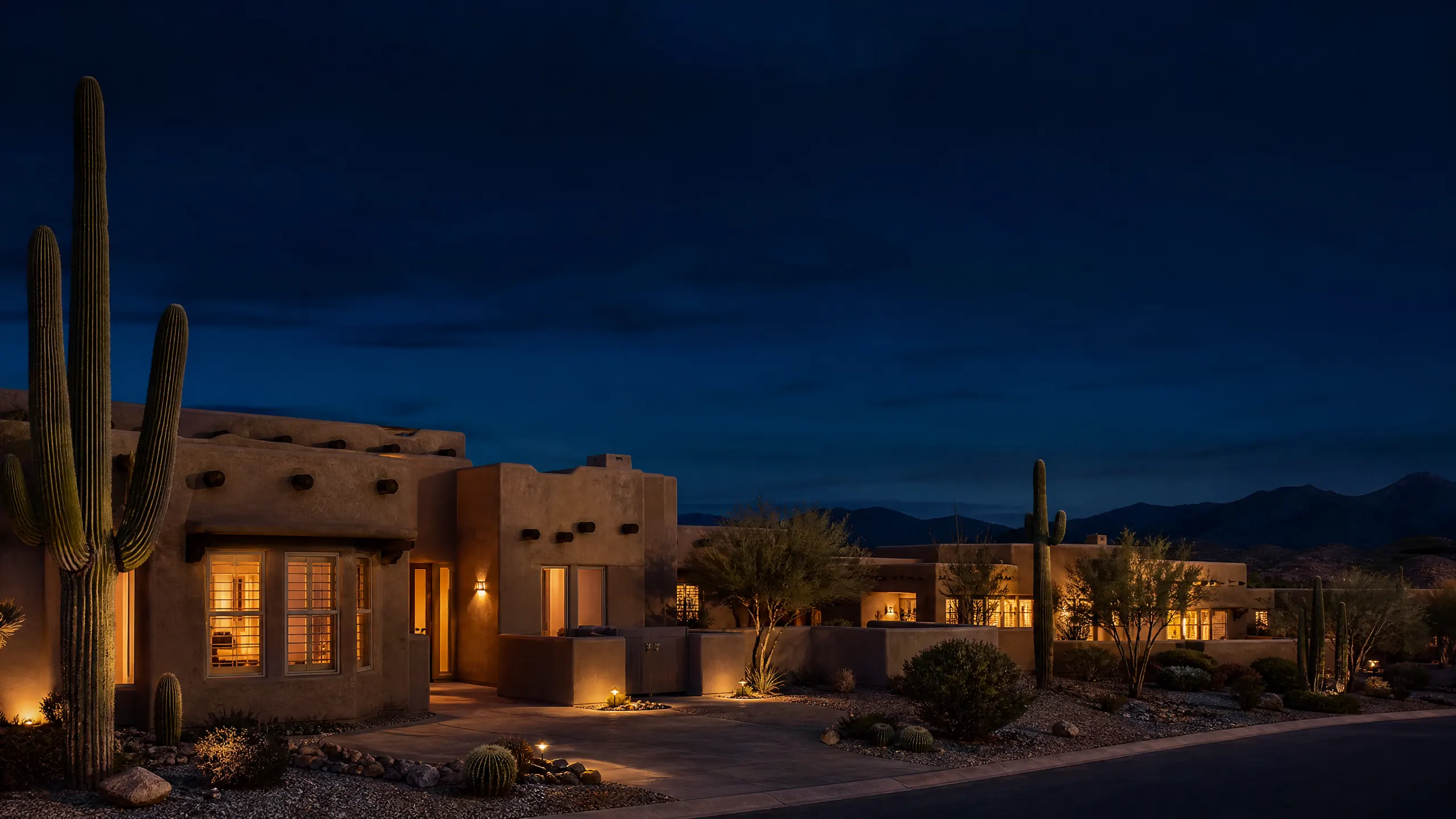






A flat-roofed adobe house lit from within at dusk, surrounded by saguaro cacti and desert landscaping with mountains in the background.

Furnace Installation in Albuquerque, NM

Tell us about the job

Takes about a minute. No obligation.

New system or replacementFurnace or heatingBernalillo County, NM
Step 1 of 2

What ZIP code is the job in?

Gas heats 74.3% of homes in Bernalillo County, more than any other fuel. If a gas line already runs to your house, a new gas furnace is usually the straightforward call, and the contractor can size it to the space you have now rather than work around what an old system left behind. Electricity heats 20.0% of homes here, and bottled or LP gas heats 2.8%, usually where no gas main reaches the property. Either way, the fuel already in your home is the first thing a contractor checks before anything else gets decided.

7 months
October through April, your furnace is on duty
23°F
the average winter night it heats against
74%
of homes here heat with gas, so most furnaces here burn gas
80% AFUE
the federal minimum any new unit must meet
Isometric cutaway illustration of a small house showing a furnace unit connected to ductwork and a vertical flue pipe extending through the dark shingled roof, with sparse furniture in the rooms.
Your furnace works hardest from November through March.

NOAA nClimDiv, 1991–2020 normals

Furnaces here start running in October.

Get yours installed in September, so it's not a rush job in the cold.

Gas here runs $8.83 per million Btu, so the priority is a furnace that fits your house, not the one with the highest efficiency number

Heat runs October through April
Winter nights average 23°F
79 winter storms from 2015 to 2024
A furnace sized for your house, not for the weather302 severe weather events hit Bernalillo County from 2015 to 2024, mostly wind and hail, not cold

At $8.83 per million Btu, chasing the highest AFUE number on the spec sheet does not buy much here. A standard-efficiency furnace and a high-efficiency one will both heat the house through the winter, and at this rate the gas bill difference between them is small. What's worth asking the contractor about is the installed cost, since a high-efficiency furnace costs more upfront and vents through PVC instead of metal, which can mean extra work depending on where the old vent ran. Fit and installed cost are the questions that pay off here. The efficiency rating is the one that matters least.

Built to meet what this region requires

Any furnace installed here now has to meet 80.0 percent AFUE, the minimum under the energy code for this region. That floor rises to 95.0 percent for furnaces manufactured after December 2028, so the rules get tighter from here, not looser. Installing now means meeting today's standard.

Find a contractor
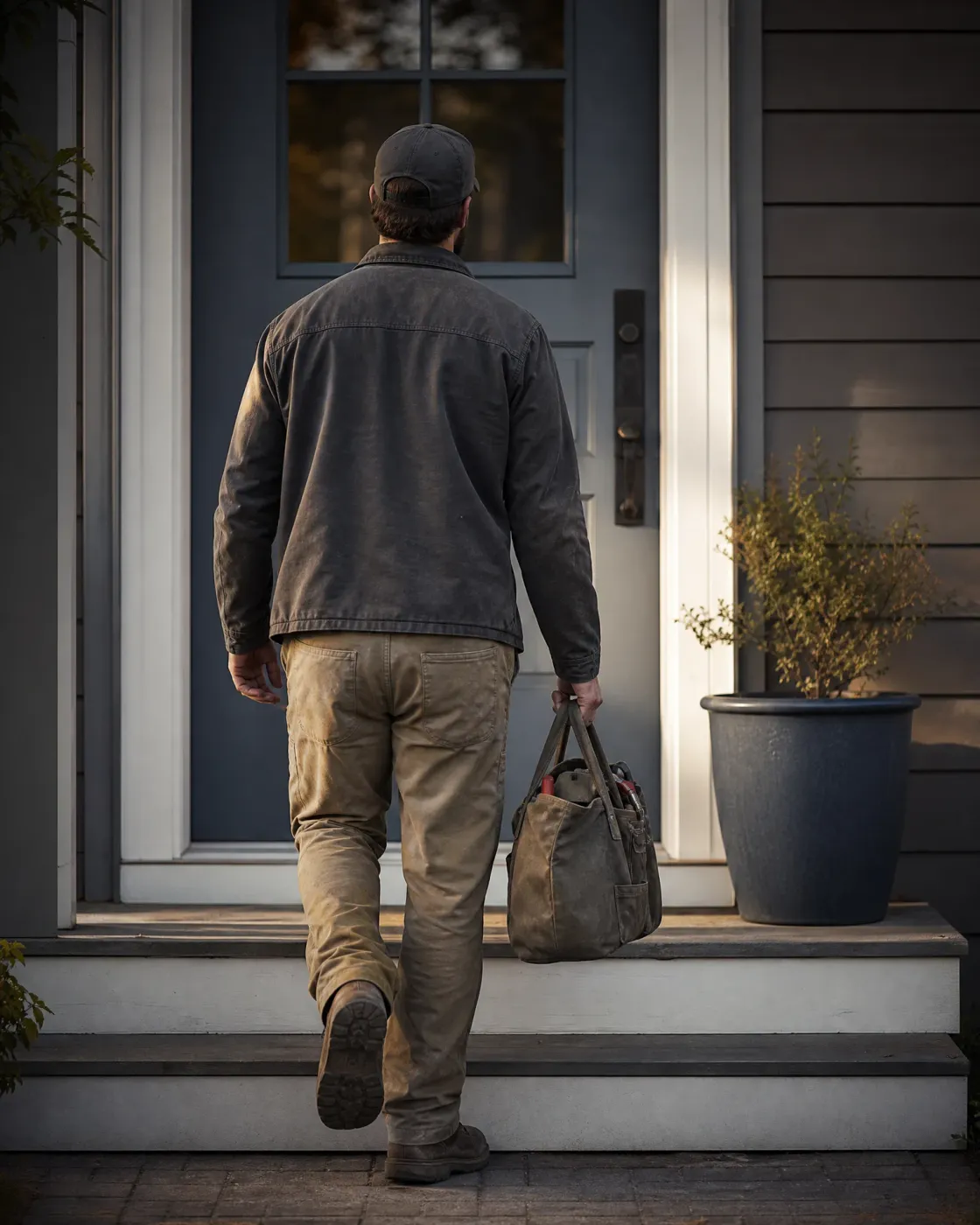
A man in a cap, dark jacket and tan work pants carries a canvas tote bag as he steps up concrete stairs toward a blue front door, with a potted shrub beside him.
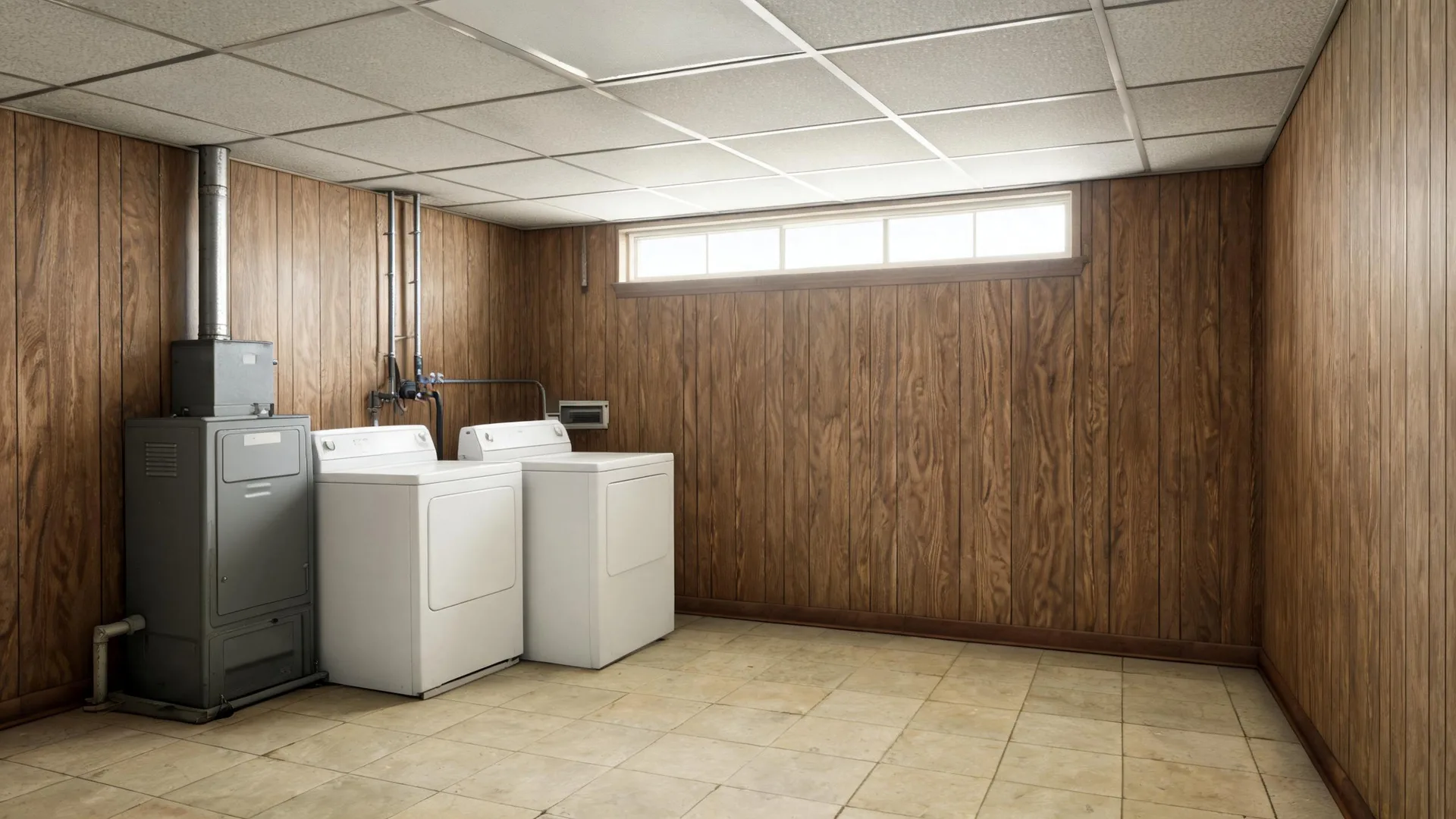
A gray gas furnace with attached ductwork and piping installed in an unfinished concrete basement.

What happens to the furnace you're replacing

An old furnace doesn't get hauled off the second the new one is running. Most installs are a swap in place, so the contractor disconnects the gas line and the vent first, then the electrical. The heat exchanger holds the weight, so once it's unbolted from the plenum and the gas and vent connections are capped, the whole cabinet comes out in one piece. If it's a mid-efficiency unit the old vent pipe usually comes out too, since a new high-efficiency furnace vents through PVC instead of metal, not the same path at all. What happens to the unit after that is scrap. The heat exchanger is steel, the cabinet is sheet metal, and any copper or aluminum in the coil gets pulled for recycling. None of it gets reused as heating equipment again once it's disconnected.

Bigger isn't better

A furnace too big for the house cycles on, heats the air fast, and shuts off again before the rooms ever even out. That short cycling wears the ignition system and the blower harder, and the house ends up with hot and cold spots instead of steady heat.

How it gets sized

A contractor works out heat loss room by room, using the square footage, the window area, the ceiling height, and how the space is laid out. That calculation points to a furnace size. The nameplate on the old unit does not, since it may have been wrong for the house from the start.

An unfinished basement interior featuring a large metal furnace unit, exposed ceiling joists, concrete walls, and scattered boxes and cables on the floor.

A high-efficiency gas furnace would save about $50 a year to run in Bernalillo County compared with a gas furnace.

  • A high-efficiency gas furnace$290 a year
  • A gas furnace$340 a year

Estimates for a typical Bernalillo County home, from EIA household energy data, New Mexico fuel prices and NOAA climate normals. Your home will differ.

Installation day starts with the old furnace coming out and the new one going through its paces before the contractor ever fires it up. The cabinet gets set and leveled, then the gas line, the vent, and the ductwork all tie into it, each connection checked before it's buried behind a panel. Once it's wired in, the contractor runs it through a full cycle, checking gas pressure, airflow, and the temperature rise across the heat exchanger. A combustion analyzer gets run too, reading the exhaust to confirm the furnace is burning clean and venting the way it should. None of that gets skipped, because a furnace that looks right on paper can still run wrong if the pressure's off or a duct isn't sealed. By the time the contractor leaves, the system has run start to finish under its own power, not just on a bench test.