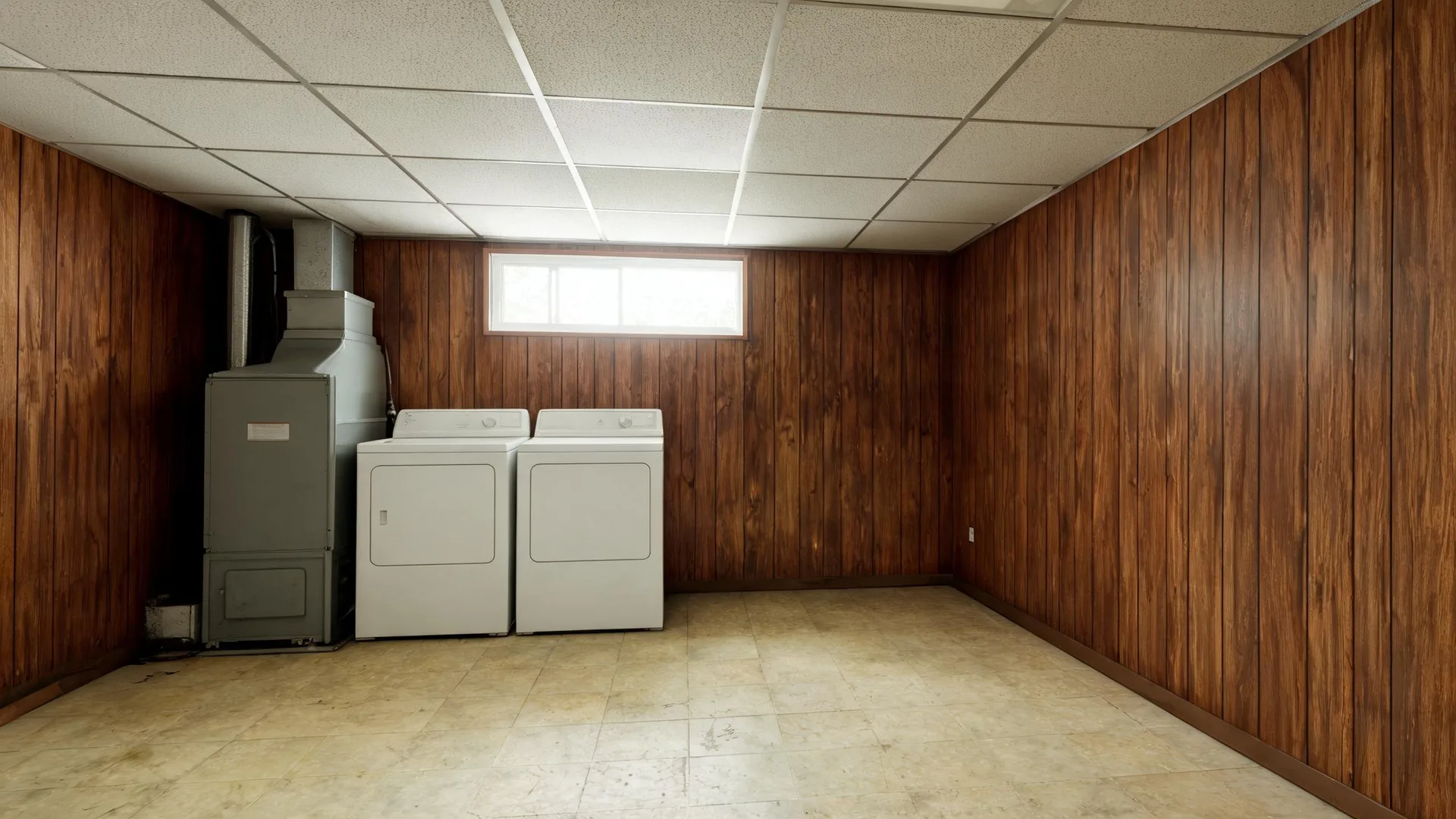
August is the month to act
Heat season in Catron County starts in September. A furnace put in during August gets tested and adjusted before it has to carry a cold house, not during the first week it turns cold.
Takes about a minute. No obligation.
Heat season in Catron County starts in September. A furnace put in during August gets tested and adjusted before it has to carry a cold house, not during the first week it turns cold.
September through May, the furnace here is the thing keeping the house warm. A unit sized and installed right before that stretch begins has to work less to do the job once it starts.
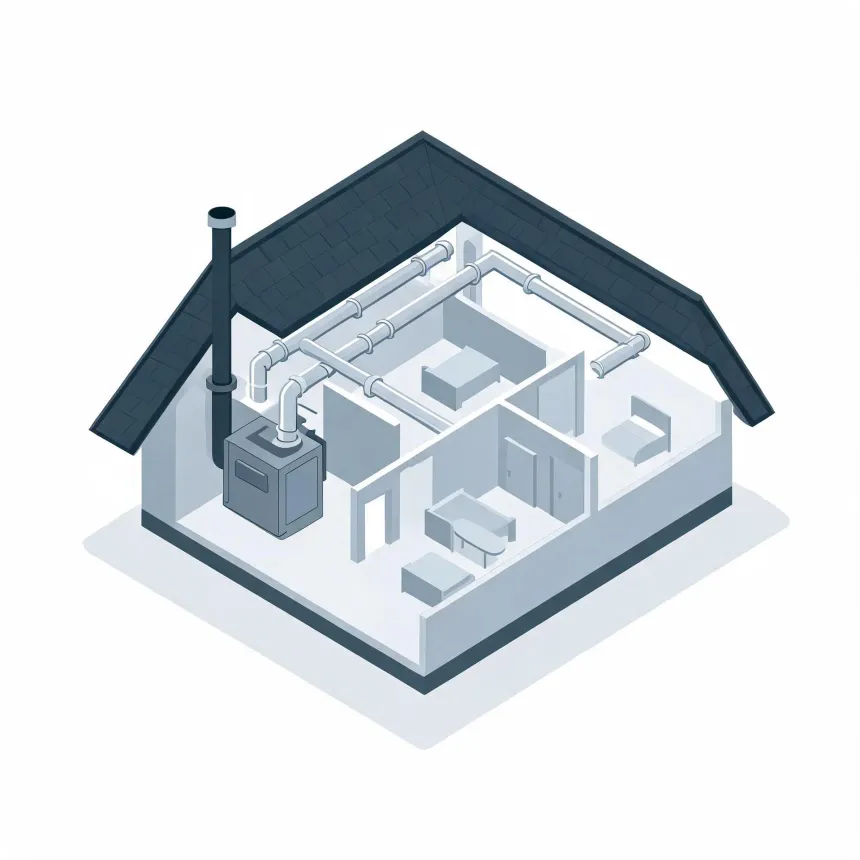
NOAA nClimDiv, 1991–2020 normals
A furnace in Catron County runs nine months a year against overnight lows averaging 18°F.
Sizing it right matters more here than in places where the furnace barely gets used.




The efficiency number on a furnace is the AFUE rating, and it tells you how much of the fuel it burns turns into heat for the house versus how much goes out the flue. A furnace rated higher wastes less gas doing the same job. That rating assumes the furnace is sized right for the house it's heating. An oversized furnace cycles on and off more than it should, and all that starting and stopping wears on the igniter and the blower motor before either one should need replacing. An undersized one runs long stretches trying to catch up, which costs more in the long run than the rating on the label would suggest. The number matters, but only once the size is right.
Replace it before the season starts, so it happens on your schedule, not in a hurry.
Find a contractor
The old furnace does not get sold or reused. Once it is disconnected, a contractor hauls it out as scrap, and the gas line and flue get capped or reworked for the new unit. Nothing about the old one carries over, not the thermostat wiring, not the ductwork connections. Those get checked and fitted new, because a furnace that ran fine for years can still have a cracked heat exchanger or a blower motor that was already on its way out, which is usually the reason someone decided to replace it instead of repair it.
The size of the unit, the AFUE rating, and whether it's single-stage or modulating all set the base price. A modulating furnace adjusts its flame to match the house's heat loss instead of firing at full blast every cycle, and that control costs more to build in.
Ductwork that does not match the new furnace's airflow needs modification. A flue sized for the old unit may need to be relined or replaced to vent the new one safely. The gas line gets checked for the right size and pressure. None of that shows up in the price of the furnace, but it shows up in the price of the job.
Ask what the AFUE rating is and whether the furnace is single-stage or modulating, because that tells you how it behaves on a cold morning, not just how efficient it looks on paper. Ask who is doing the load calculation and how, not just reading the old furnace's size off its nameplate. A furnace quoted without that calculation is a guess dressed up as a number. Ask what happens to the ductwork and the flue, since a furnace that moves more or less air than the old one needs both checked, not assumed to fit. Ask what the warranty covers on the heat exchanger versus the other parts, since those terms are usually different and worth knowing before anything breaks. Get all of this in writing before comparing prices, because quotes at the same price can still mean very different jobs.
Sizing a furnace starts with a load calculation, and that means measuring the house. Square footage, window area, insulation, ceiling height, how much outside air leaks in. The old furnace's nameplate tells you what someone guessed decades ago, not what the house actually needs now. A furnace too big for the house heats it fast, shuts off, and starts again soon after, and that short cycling is harder on the igniter and blower than steady running ever is. It also leaves the air uneven, warm near the vents and cool everywhere else, because the furnace never runs long enough to push heat through the whole duct run. A furnace too small never gets ahead of the house. On the coldest mornings it runs constantly and still loses ground. The right size sits between those, and the only way to find it is to calculate the heat loss, not estimate it.