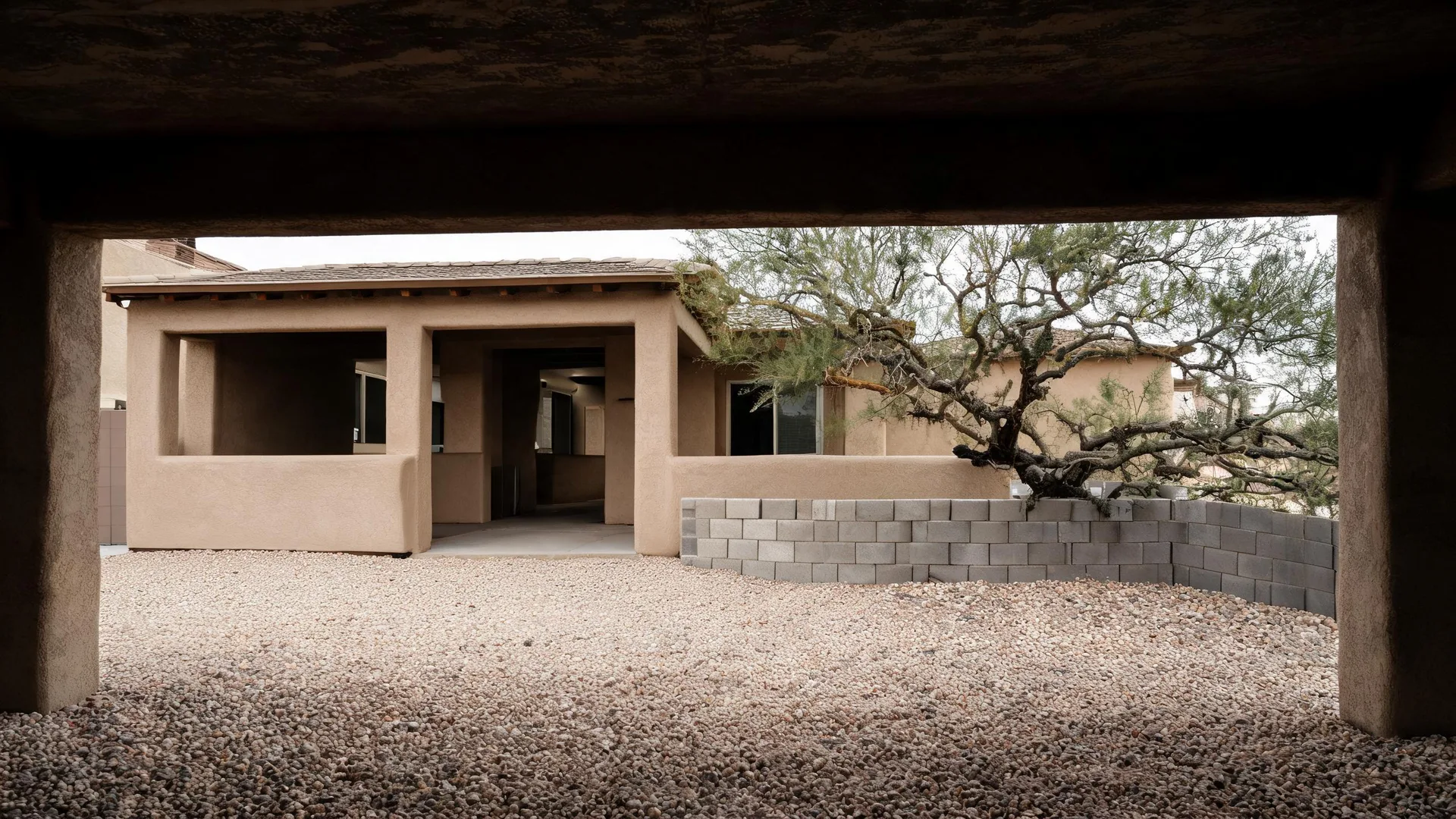



View framed by a concrete overhang and columns of a single-story stucco house with a covered entry porch, a gray concrete block wall, a large tree, and a gravel yard.

Furnace Installation in Truth or Consequences, NM

Tell us about the job

Takes about a minute. No obligation.

New system or replacementFurnace or heatingSierra County, NM
Step 1 of 2

What ZIP code is the job in?

A furnace sized off square footage alone is a guess, and guesses run wrong in both directions. The real method is a load calculation, which looks at your walls, your windows, your ceiling height, how much sun hits the house and where. Too big and the furnace blasts out heat, hits the thermostat, and shuts off before it's pulled the cold out of your floors and furniture, so you end up with rooms that swing hot and cold instead of staying even. It also means more start-stop cycles, and every cycle puts wear on the igniter and the blower motor. Too small and it runs constantly on the cold mornings and still can't keep up, so parts wear out faster trying to do a job they weren't built for. A contractor who sizes it right is looking at the whole house, not just the one number on the floor plan.

7 months
October through April, your furnace is on duty
27°F
the average winter night it heats against
80% AFUE
the federal minimum any new unit must meet
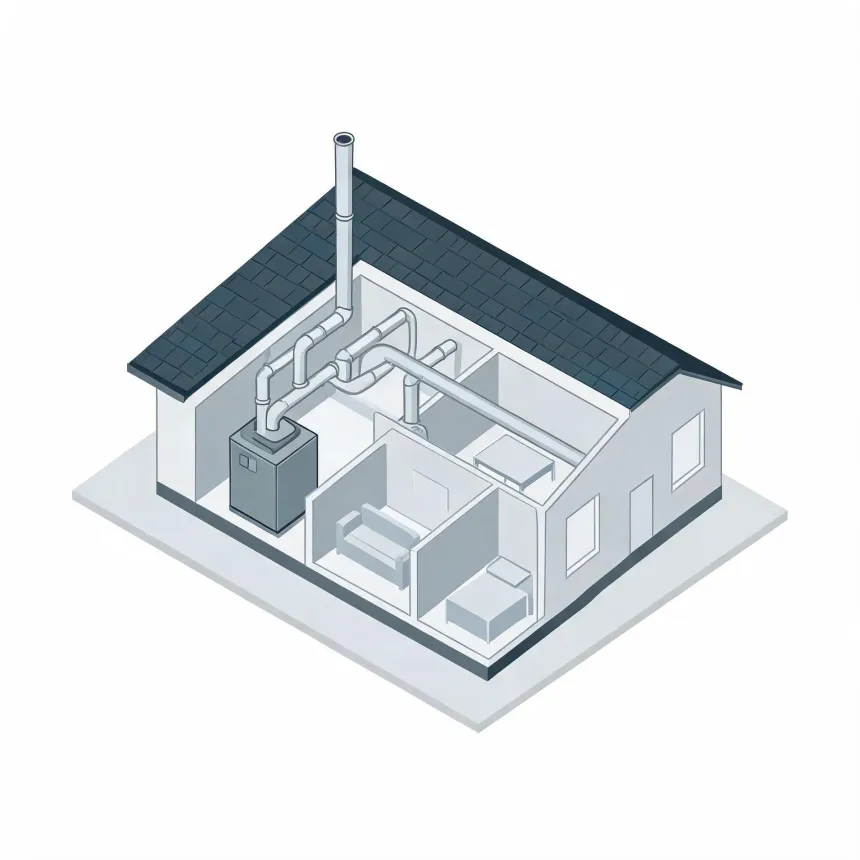
Isometric cutaway illustration of a single-story house showing a gray furnace connected to white ductwork and a flue pipe extending through the shingled roof, with simplified furniture in the interior rooms.
Your furnace works hardest from November through March.

NOAA nClimDiv, 1991–2020 normals

Half the homes in Sierra County were built in 1983 or earlier, and half in 1983 or later.

A furnace is sized to the house it's going into, old or new, so a load calculation still comes first.

September is the month to get it done, before October asks your furnace to work

Heat runs October through April
Winter nights average 27°F
Climate zone 3B

Winters here are not extreme, but they are long. Heat runs from October through April, about seven months, and overnight lows average 27°F through December, January and February. A furnace sized right for this climate does not need to be oversized or loaded with features to handle a cold snap, because the cold here is steady rather than severe. A standard efficiency rating and a standard size, matched to your house through the load calculation, does the job the whole season. There's no local reason to pay for more capacity than your house calls for.

Gas is cheap here, so fit matters more than efficiency rating

Natural gas here ran $8.83 per million Btu in 2024, cheaper than in most states. A high-efficiency furnace still costs less to run, but it takes longer to earn back the difference in price. That makes the size and the fit the bigger question. A furnace matched to your house through a load calculation will hold up over the season regardless of its efficiency rating.

Find a contractor
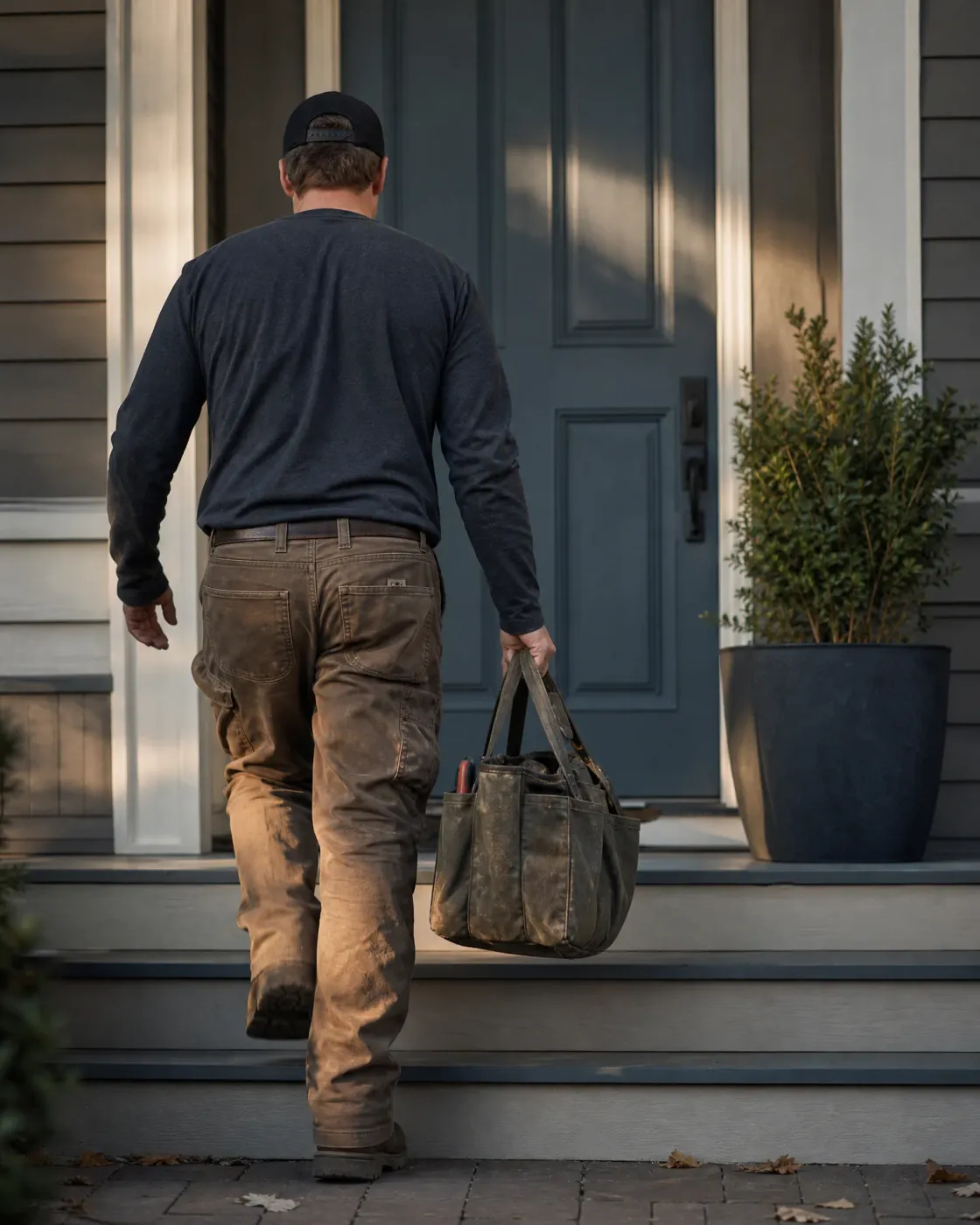
A man in a dark long-sleeved shirt, cap, and worn tan work pants climbs porch steps toward a dark blue front door, carrying a canvas tool bag.
A gray residential gas furnace installed in an unfinished basement, connected to sheet-metal ductwork and PVC pipes.

The rating on the label is fixed. What you get from it depends on the size.

The efficiency rating on the label tells you how much of the fuel burned turns into heat in your house, and how much goes out the flue. A higher rating pulls more heat out of the same flame before the exhaust leaves. That number is fixed once the furnace is installed. It doesn't change with the weather or the thermostat setting. What changes the real cost of running it is the sizing. A furnace that fits the house will hit that rating season after season. One that's oversized or undersized won't, no matter what's printed on the label.

The furnace is one part of the cost

The ductwork carries the heat the furnace makes, and if it's too small, too leaky, or not laid out right for the new furnace, that gets fixed as part of the job. The vent pipe has to be the right size and material for the furnace going in. The gas line has to supply enough fuel for the unit. None of that shows up on the furnace's price tag, but all of it is part of installing one correctly.

Where the furnace sits changes the job

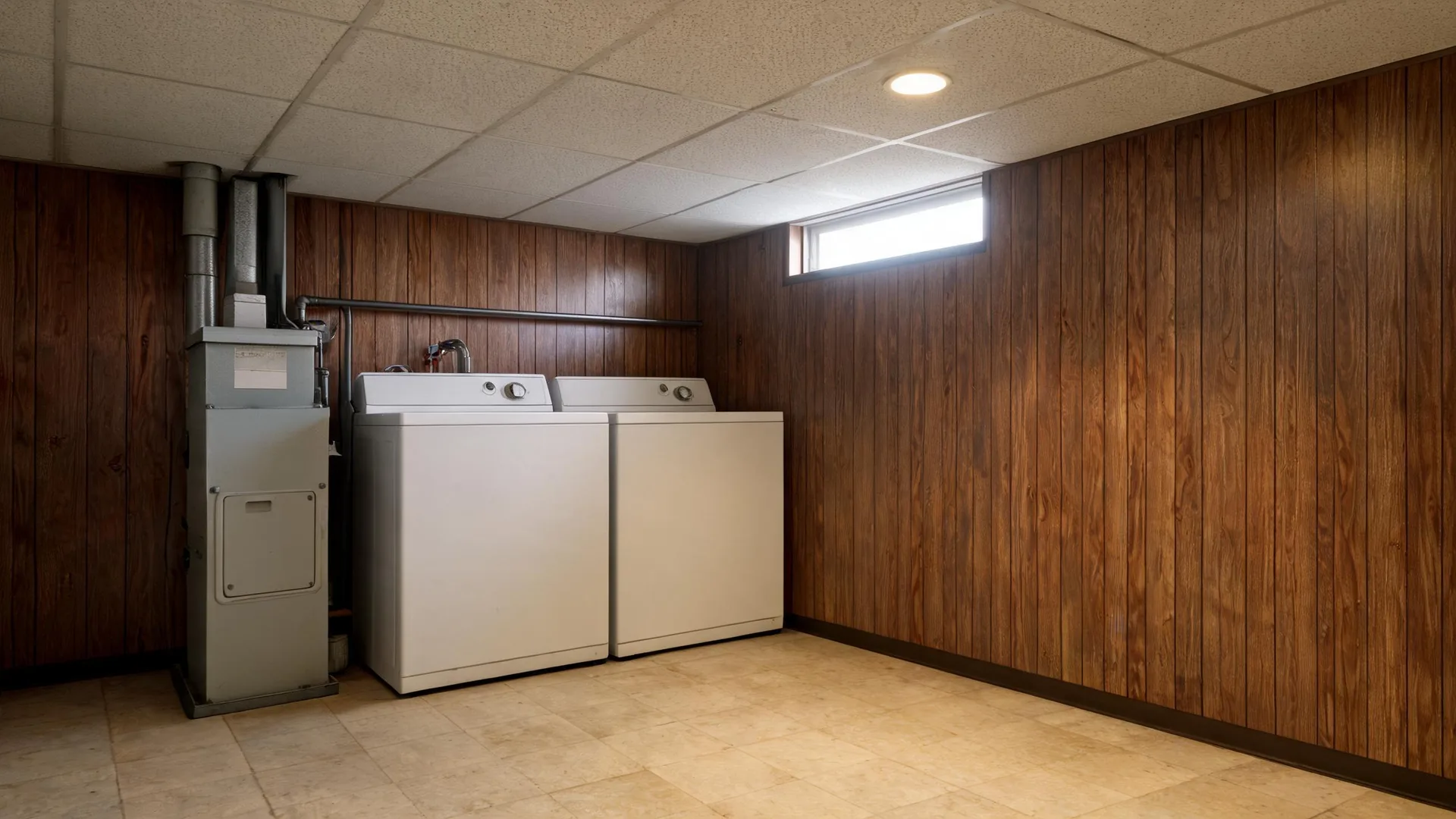
A straightforward swap, same spot, same vent path, same ductwork, is a different job from one where the new furnace needs a new location, new venting, or electrical work to meet code. A tight closet or a crawlspace takes more labor than a basement or utility room. A contractor only knows which job it is after seeing where the furnace has to go.

An unfinished basement featuring concrete block walls, exposed floor joists, and a metal forced-air furnace with ductwork near a central pillar.

A high-efficiency gas furnace would save about $40 a year to run in Sierra County compared with a gas furnace.

  • A high-efficiency gas furnace$220 a year
  • A gas furnace$260 a year

Estimates for a typical Sierra County home, from EIA household energy data, New Mexico fuel prices and NOAA climate normals. Your home will differ.

Installation day starts with the old furnace coming out. That alone can take a while if it's wedged into a closet or a crawlspace. Gas gets shut off and disconnected first, then the vent pipe and ductwork connections come apart. The new furnace gets set in place, and the ductwork, vent pipe and gas line get connected or adjusted to fit it. This is where most of the time goes if anything doesn't line up with the old setup. Once it's wired and connected, the contractor fires it up and checks the burners, the flame and the gas pressure against the manufacturer's specs. Then comes the test run, cycling the thermostat, checking airflow at the registers, watching the flue to make sure exhaust is venting the way it should. A straightforward swap can wrap up in a day. Anything needing new venting or ductwork takes longer, because that work has to be done right before the furnace ever gets tested.