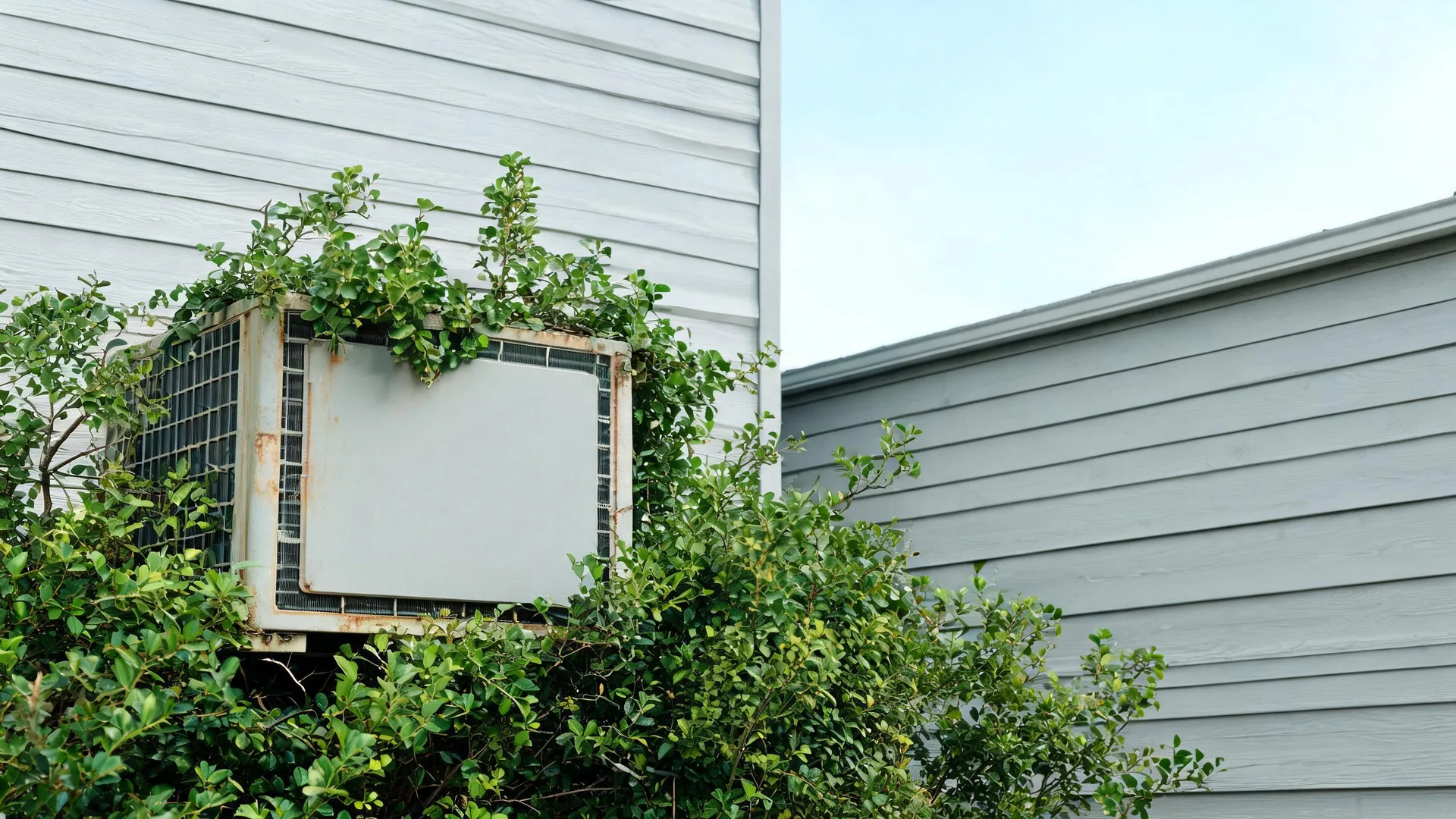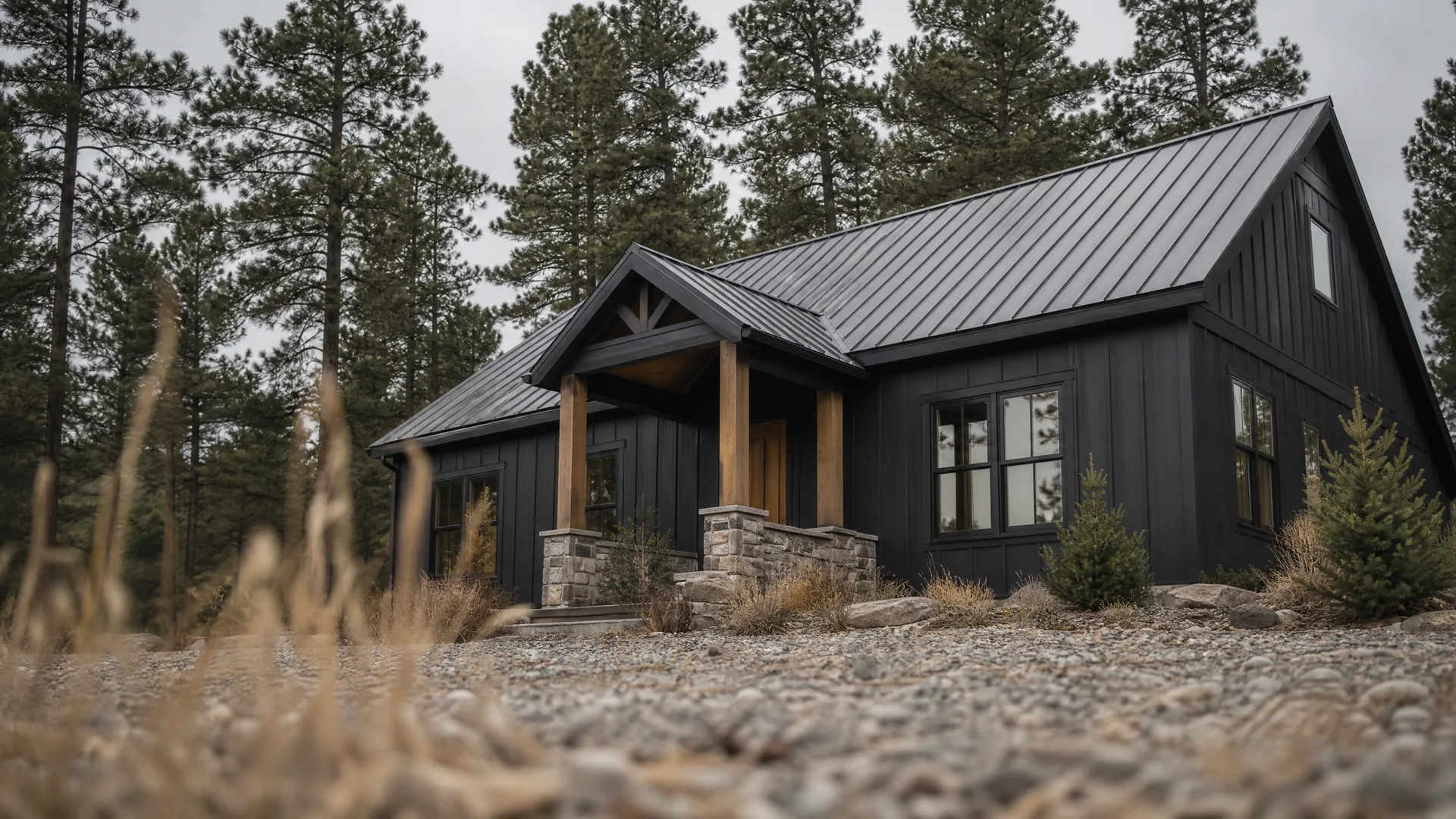
A single-story black board-and-batten house with a dark metal gable roof, wood porch posts and stone bases, surrounded by pine trees, dry grass and a gravel foreground under an overcast sky.

Heat Pump Repair in Española, NM

Tell us about the job

Takes about a minute. No obligation.

RepairHeat PumpRio Arriba County, NM
Step 1 of 2

What ZIP code is the job in?

Air that doesn't feel warm enough

A heat pump in heating mode puts out air that feels cooler than a furnace would, so that alone isn't a problem. What matters is whether it keeps up. If the house never quite reaches the set temperature, if the outdoor unit is caked in frost during a stretch that isn't freezing, or if you hear it running constantly without the house warming, the reversing valve or the refrigerant charge is worth having checked.


Short cycling or no shutoff

A heat pump that kicks on and off every few minutes is working harder than it should, usually from a failing capacitor, a dirty coil, or a thermostat sensor giving it bad information. One that runs nonstop and never satisfies the thermostat is just as telling. Either pattern wears the compressor faster, so it's worth having a contractor look at it before it stops running altogether.

9 months
September through May, your system heats
15°F
the average winter night it heats against
81°F
the average summer afternoon it cools against
Isometric line illustration of a cutaway single-story building showing interior rooms, ceiling ductwork, an indoor air handler, and an outdoor condenser unit connected by refrigerant lines.

Winters here hold a steady cold, not a violent one, and that's easier on a heat pump than places with wild swings.

A unit that's run in milder strain like this usually has some life left in it, so a repair is worth looking into before you think about replacing it.

Half these homes were built by 1984, but a heat pump here fails for the same reasons it fails anywhere

Half the homes here were built by 1984
33 damaging wind events from 2015 to 2024
15 hail events from 2015 to 2024
Power here isn't cheapNew Mexico homes paid 14.20 cents per kilowatthour in 2024, so a heat pump running wrong costs you all winter.

Winter storms have hit this county 144 times in the last ten years. Hail and damaging wind show up too, just less often. None of that is unusual for a heat pump. These units sit outside year round in all kinds of places, built for snow load and wind well past what happens here. A storm can still trip a breaker or cut the power. If your heat pump won't start after an outage, check the breaker first. If it's already reset and the unit still won't run, that points to something inside it, not the weather that knocked the power out.

This heat pump has had an easier winter than most. Repair it.

A heat pump that's spent its winters in steady cold instead of sharp swings has usually got life left in it. If yours is acting up, that's worth a repair call before it's worth a replacement quote.

Find a contractor
A gray heat pump condenser unit mounted on a concrete pad against the gray lap-siding exterior wall of a house.

What to check yourself first

Before anyone comes out, there's a few things worth looking at yourself. Check the thermostat is set to heat and the temperature is actually above room temperature, not just sitting there. Go outside and look at the unit. If the coil is buried in ice or snow, that's worth noting, but don't chip at it or spray it with water. Look at the breaker panel and see if anything's tripped. If you have a disconnect box next to the outdoor unit, make sure it's pushed in all the way. Check the air filter, because a filter packed with dust chokes the airflow and can make the whole system struggle even when nothing else is wrong. Walk around the outdoor unit and clear away anything stacked against it, leaves, branches, anything blocking the sides or the top. None of this tells you what's broken inside the unit, but it rules out the easy stuff first, and it gives the contractor a clearer picture of what's actually failing when they do get there.

The reversing valve is the part unique to this machine

A furnace only ever makes heat. A heat pump has to switch directions, and the reversing valve is what does that. When it sticks, the unit can get stuck in one mode, blow air that never warms up, or run the defrost cycle and not come out of it. Nothing else in a home's heating and cooling has this part, and it fails on its own schedule, not on any sort of wear tied to how hard the system has worked.

The rest fails the way any outdoor condenser fails

Past the reversing valve, a heat pump is a lot like any outdoor cooling unit. The capacitor that gets the compressor and fan motor started weakens over the years and eventually can't do its job. The outdoor coil gets coated in dirt or grime and stops shedding heat properly. Refrigerant lines develop slow leaks at the fittings. The compressor itself, if it's run low on charge or had a bad capacitor for a long stretch, can wear out early. None of this is specific to heating mode. It's the same wear that shows up in any system with a compressor and coils sitting outside.

A heat pump that's struggling still moves on to the next cycle, and that's what causes the damage. A weak capacitor makes the compressor draw more current each time it tries to start, and it heats up a little more with every attempt. A dirty coil makes the system run longer to move the same amount of heat, so the compressor logs more hours than it should for the job it's doing. Low refrigerant charge is worse than it sounds, because the compressor depends on refrigerant flowing through it to stay cool while it runs. Starve it of that and it's working hot the whole time it's on. None of these stop the unit from running right away. They just make every hour it runs after that a little harder on the compressor, and the compressor is the part that ends a system's life when it finally gives out.

A repair is usually worth it if the compressor is still sound. That's the expensive part, and everything else is replaceable on its own without saying anything bad about the rest of the unit. A failing capacitor is fixable. A dirty coil is fixable. A stuck reversing valve or a slow refrigerant leak are fixable too, and fixing one doesn't mean the others are close behind. What changes the math is a compressor that's already run hot for a long stretch. Once that happens, nothing short of replacing it fixes the problem, and a new compressor on an old unit often isn't worth doing by itself. Ask whoever comes out to look whether the compressor itself is still good. That answer tells you more than the age of the unit does.