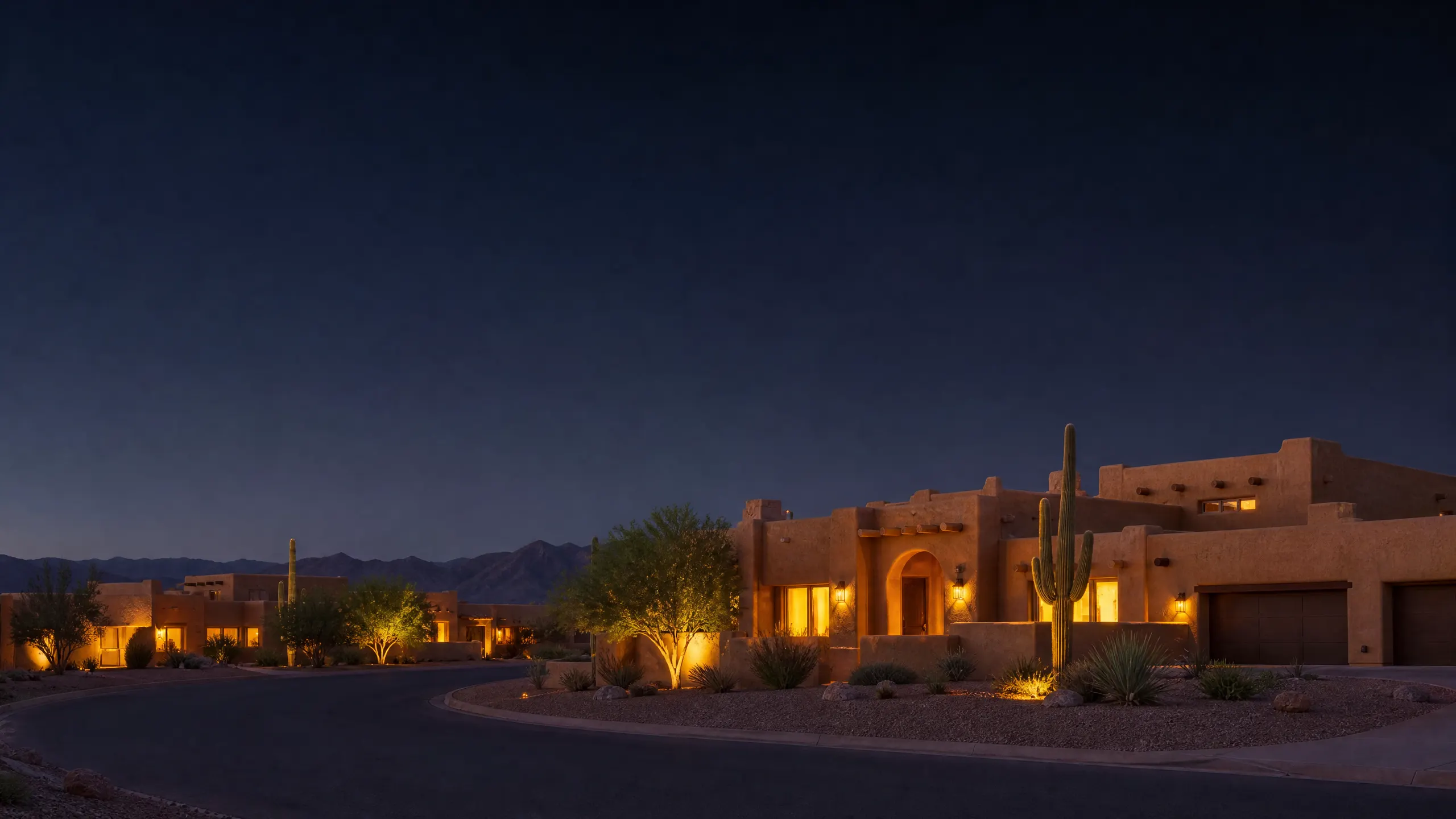




Adobe-style desert homes with warm exterior lighting, saguaro cacti, and desert landscaping along a curved street at dusk, with mountains in the background.

Furnace Maintenance in Socorro, NM

Tell us about the job

Takes about a minute. No obligation.

Tune-up, service, or cleaningFurnace or heatingSocorro County, NM
Step 1 of 2

What ZIP code is the job in?

Furnace season starts in October here and runs through April. September is the month to get your furnace looked at, right before it has to carry the house for seven straight months. A furnace that hasn't run since spring can have a cracked heat exchanger, a dirty flame sensor, or a clogged filter, and none of that shows up until the first cold night when you need it most. Catching it in September means a contractor can fix it before you're relying on it, not during.

A furnace that never gets looked at just keeps running on a dirty flame sensor and a clogged filter until one of them stops it cold.

Skip the yearly check long enough and small problems turn into a cracked heat exchanger or a failed igniter, the kind of job that waits for parts.

Socorro sees its share of rough weather. None of it changes what a furnace needs.

213 severe weather events from 2015 to 2024
13% of homes statewide lost power a day or more in 2024
132 damaging wind events from 2015 to 2024

Gas heats more homes in Socorro County than anything else, at 37 percent, and bottled or LP gas heats a good share more on top of that. That means most furnaces here are burning fuel, not just moving heat with a coil and a blower. A gas furnace has a burner, a flue, and a set of safety controls that shut it down if something's wrong with the flame or the venting. Maintenance on one of these isn't just swapping the filter. It's checking the burner flame, the heat exchanger, and the vent hood, the parts that keep combustion gases going outside instead of into the house.

Half the homes in Socorro County were built in 1980 or earlier

Half the homes in Socorro County were built in 1980 or earlier. A furnace that old can still be running fine, or it can be close to a real failure, and there's no way to tell from outside the cabinet. A yearly check is how a contractor catches a cracked heat exchanger or a worn igniter while it's still a small job instead of a no-heat call in the middle of winter.

Find a contractor
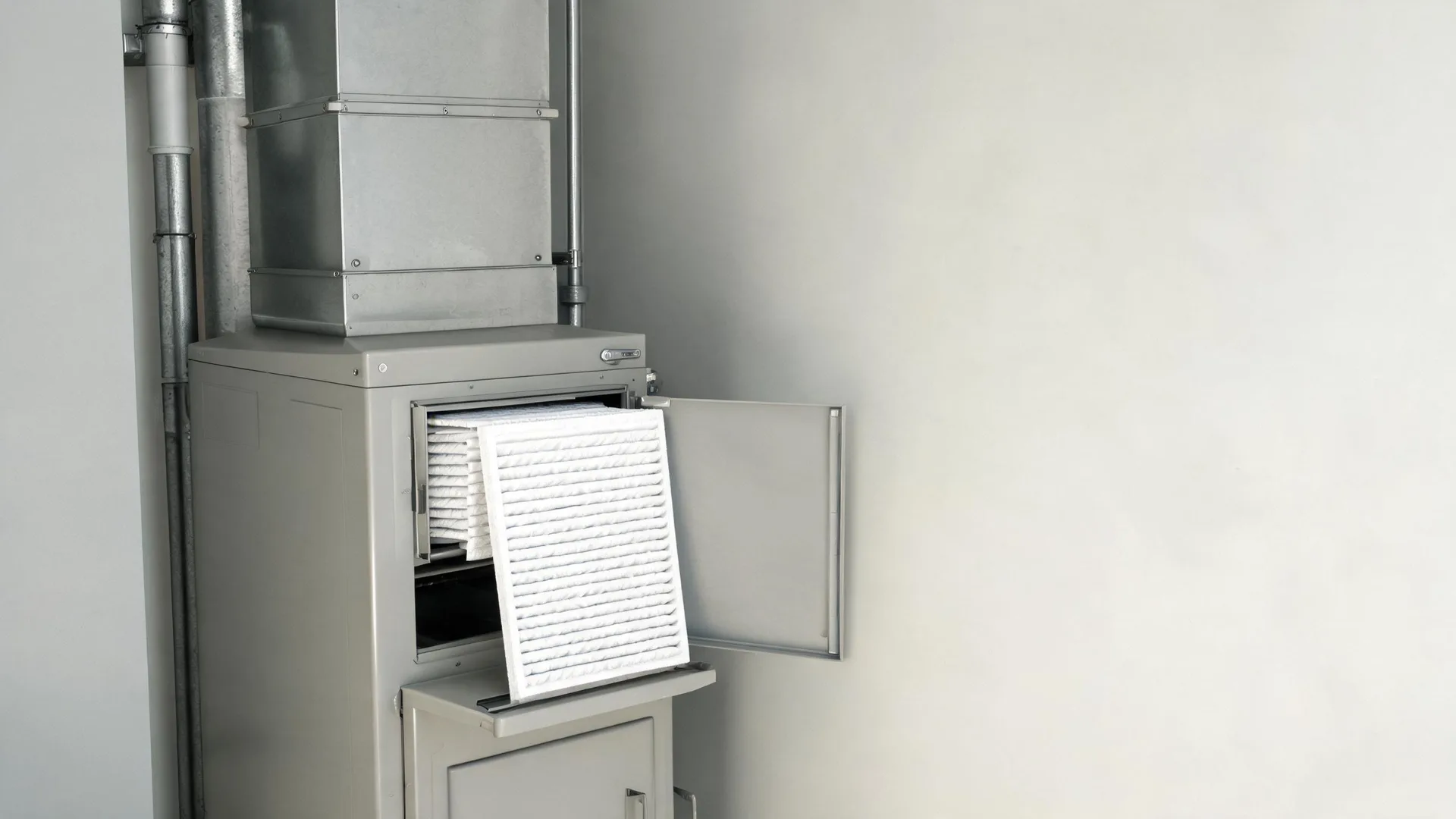
A gray residential gas furnace installed in an unfinished basement, connected to sheet-metal ductwork and PVC pipes.

One check a year tells you where your furnace stands

If your furnace came with the house and you don't know its age, a yearly check is the way to find out where it stands. A contractor looking at it before furnace season can tell you whether the heat exchanger and burner are sound for another winter, or whether you should start planning a replacement before it fails on you. That's worth knowing either way, and you won't get an answer by waiting until a cold night tells you.

Keep the filter clean

Check the filter every month furnace season is running and change it when it looks gray or clogged. A dirty filter chokes airflow across the heat exchanger, and that makes the furnace run longer and hotter than it should. This is the one thing a homeowner can do that actually protects the furnace between visits.
Leave the rest to a contractor

Don't open the burner compartment or try to clean the flame sensor yourself. Checking the flame color, testing the safety controls, and inspecting the heat exchanger for cracks takes tools and training most homeowners don't have. If you smell gas or see the burner flame flickering yellow instead of steady blue, shut the furnace off and call someone. That's not a between-visits job, that's an emergency one.

A quick tune-up is a filter swap and a glance at the thermostat before the contractor moves on. A thorough one puts a meter on the flame to check the burn, pulls the cover to look at the heat exchanger for cracks or rust-through, and tests the safety controls that shut the gas off if something's wrong. It also means checking the inducer motor and the vent hood, since a furnace can run fine on the burner side and still be venting badly. Ask what was actually checked, not just whether it was checked. A tech who can tell you the condition of the heat exchanger and the state of the flame sensor did the real job. One who just tells you it's running fine probably didn't open anything up.

A real tune-up starts before the panels come off. A tech checks that the thermostat calls for heat and the furnace answers right away, no long delay, no false starts. Then it's the burner flame, steady and blue, not yellow or lifting off the burner ports. The flame sensor gets cleaned, since a coated sensor is one of the most common reasons a furnace shuts down mid-cycle. Most furnaces built in the last few decades have no belts at all. The blower motor drives the fan directly, so what matters there is the bearings and the motor amp draw. The last piece is checking airflow across the filter and ducts, because a furnace fighting bad airflow runs hotter and wears out sooner than one that isn't.