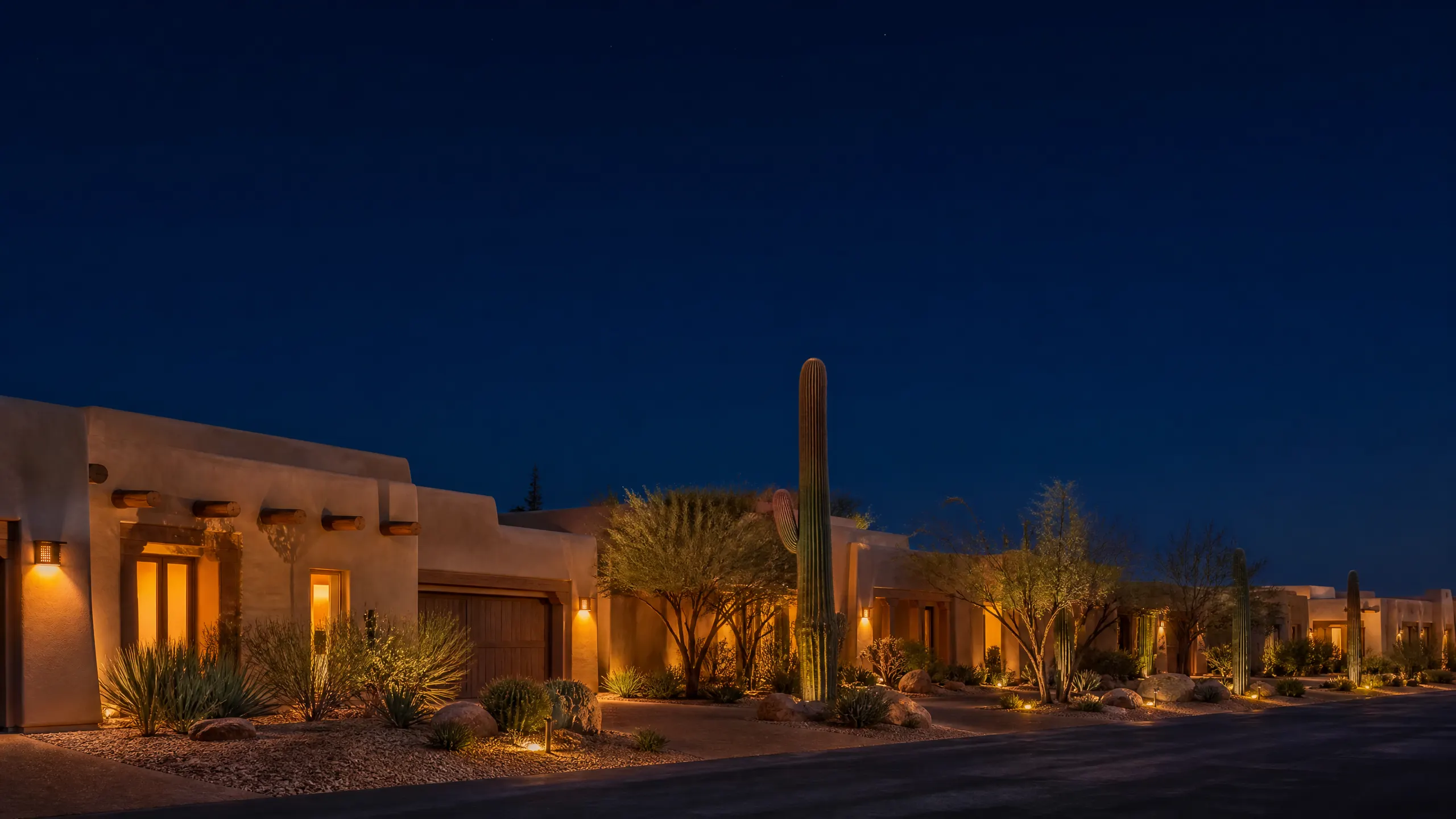


Adobe-style desert homes lit by warm exterior lights at dusk, surrounded by saguaro cacti and native desert plants.

Furnace Maintenance in Albuquerque, NM

Tell us about the job

Takes about a minute. No obligation.

Tune-up, service, or cleaningFurnace or heatingBernalillo County, NM
Step 1 of 2

What ZIP code is the job in?

Your furnace runs October through April here, about seven months of the year. One tune-up before that stretch starts is enough. There's nothing about Bernalillo County that wears a furnace down faster or calls for checking it more than once. The point of the visit is to catch a weak igniter or a cracked heat exchanger before the overnight lows settle in around 23 degrees, not to keep servicing it through the winter. Get it looked at in the fall and the system is set for the season.

A tune-up checks things no homeowner can see from the hallway.

Static pressure, amp draw and flame signal all take a meter, not a glance through the cabinet door.

Most homes here run on gas, and that's what a tune-up needs to cover

74.3% of homes heat with gas
Heat runs October through April
Winter nights average 23°F
Weather here is reason enough for one good check a year79 winter storms have hit Bernalillo County between 2015 and 2024

Skip the tune-up and the furnace doesn't fail right away. It loses efficiency first, quietly, burning more gas to put out the same heat. A dirty flame sensor starts misreading the flame and shuts the burner down, so the furnace short-cycles, on for a minute, off, trying again. Dust left on the burners changes how they fire and can crack a heat exchanger over time. None of that announces itself. It shows up as a furnace that runs longer and longer, then one that won't start at all on the cold morning you need it most.

A newer furnace still needs its yearly check

Half the homes in Bernalillo County were built in 1982 or later. If yours is one of the newer ones, the furnace likely still has plenty of working life left. A yearly check before the cold sets in is what keeps it that way.

Find a contractor
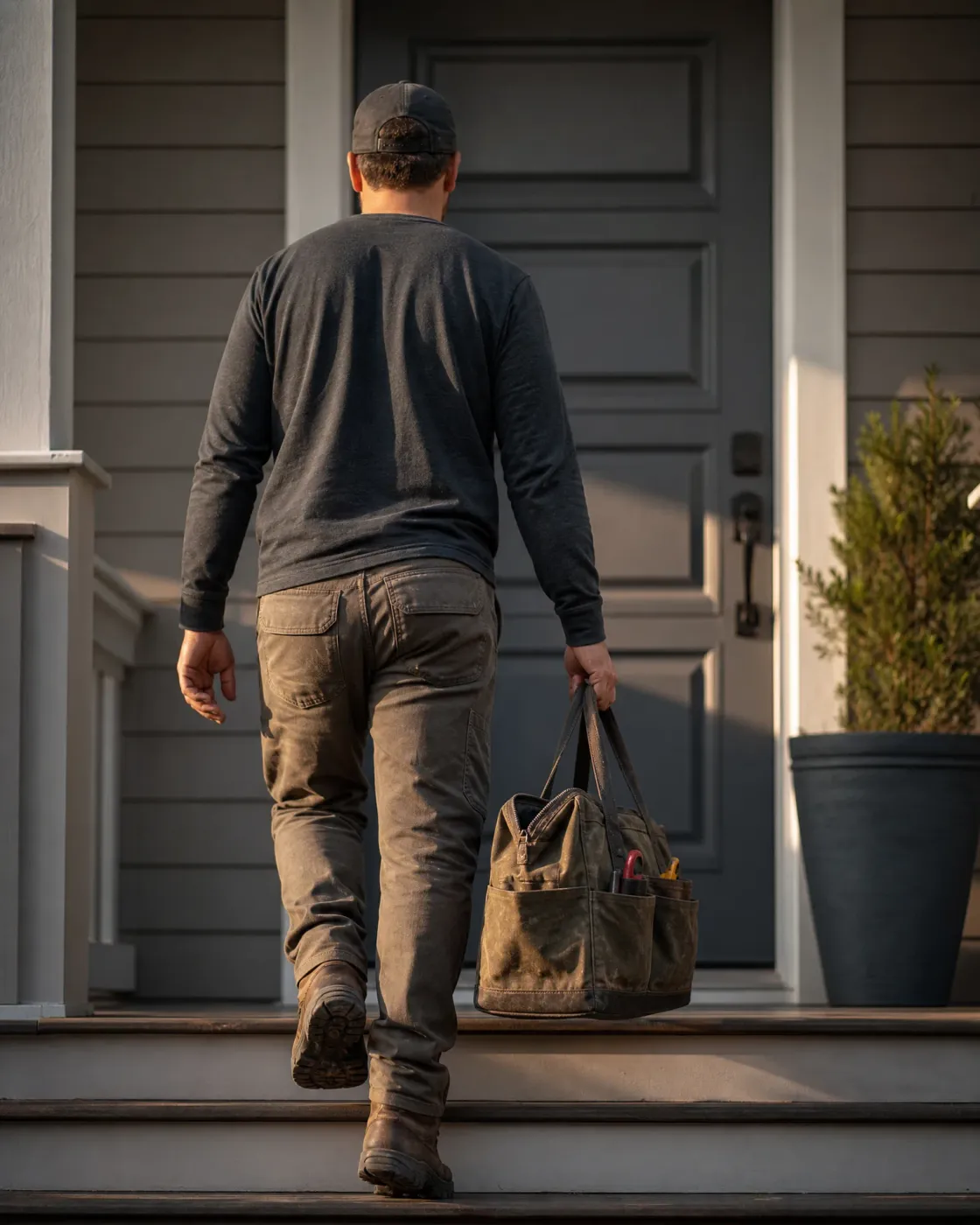
A man in a cap, long-sleeved shirt and work pants walks up porch steps toward a dark gray paneled front door, carrying a canvas tool bag, with a potted shrub to the right.
A gray residential gas furnace installed in an unfinished basement, connected to sheet-metal ductwork and PVC pipes.

A short visit and a thorough one both get called a tune-up

A quick visit checks that the furnace lights and blows warm air, then the tech moves on. A thorough one pulls the burner assembly and cleans each burner, checks the flame sensor and cleans it if it's coated, and tests the igniter under load instead of just looking at it. The heat exchanger gets inspected for cracks, not just a glance with a flashlight from one angle. Gas pressure gets checked and set to spec, not assumed from the last visit. The blower wheel comes out, because dust and buildup there cuts airflow even when the filter is clean. Flue draft gets tested so exhaust is actually leaving the house instead of backing up. A fast check might catch a furnace that won't start. It won't catch the one quietly cracking a heat exchanger or drifting out of adjustment, which is the one that fails later, not today.

The filter is airflow, not air quality

A clogged filter starves the furnace of return air. The blower works harder to pull air through it, and the heat exchanger runs hotter than it's built for. Left long enough, that heat can crack the exchanger, which is the one failure that turns a furnace into a safety problem instead of a repair.

The drain only matters on a high-efficiency furnace

A condensing furnace pulls extra heat out of the exhaust and produces water doing it, and that water needs the drain line clear to leave the house. A blocked drain backs up into the unit and trips a safety switch that shuts the furnace down until the line is cleared. Standard furnaces without that second heat exchanger don't have this to worry about.

Between visits, the filter is the one thing worth your attention. Check it on a regular schedule and change it when it looks gray and matted instead of see-through. Hold it up to a light. If you can't see light through it, air can't get through it either, and the blower starts working harder than it should. Keep the area around the furnace clear, nothing stacked against the cabinet, no boxes blocking the return grille. If the furnace has a standing pilot, check that the flame burns steady and blue, not yellow or flickering. A yellow flame means something's burning wrong, and that's worth a call, not a wait. Past that, leave the burners, the igniter and the heat exchanger alone. Those need a tech with the panels off and a meter in hand, not a homeowner with a flashlight.

What counts as a tune-up and what counts as a glance are different visits, even when they're billed the same. A real one starts with the furnace running, not off. The tech watches it fire, checks how long ignition takes, and listens for the burner settling into a steady flame instead of a rough one. Static pressure gets measured across the filter and the coil, because that number tells you whether the blower is moving the air it's rated for or straining against something downstream. Amp draw on the blower motor gets checked against what the nameplate calls for, since a motor pulling more than it should is wearing out its bearings early. Wiring connections get snugged, not just looked at, because a loose connection at the control board is a common reason a furnace stops mid-cycle. Skipping all that is exactly how a furnace runs another stretch looking fine while it quietly stops being fine.