Nine months of heat a year
A furnace in Raton runs from September through May, and overnight lows average 17°F through December, January and February. That is most of the year spent working, not just a few cold snaps.
Takes about a minute. No obligation.
A furnace in Raton runs from September through May, and overnight lows average 17°F through December, January and February. That is most of the year spent working, not just a few cold snaps.
Nine months of runtime against cold this deep puts more hours on an igniter and blower than a furnace that only kicks on now and then ever sees. Checking it before the season gets going catches a worn part while it still just needs attention, not replacement.
Half the homes in Colfax County were built in 1977 or earlier.
A furnace in a house that old has likely had more than one owner, and a yearly check catches whatever the last one skipped.



Most homes in Colfax County heat with utility gas, close to six in ten. Another one in five runs on bottled or LP gas. A gas furnace draws combustion air in and sends exhaust out through a vent, and that path has to stay clear and sealed for the furnace to run safely. The burner needs a flame that lights clean and even, not one that's yellow or uneven at the edges. A yearly check looks at the burner, the vent and the flame sensor, along with the switches that shut the furnace down if something's off. A new filter doesn't touch any of that.
September is when heat starts in Colfax County, and it runs straight through to May. Get the furnace checked in August, before it has to carry that load.
Find a contractor129 storms in nine years means the furnace has to carry the house through weather like that without warning. A check before September catches a cracked heat exchanger or a sluggish blower now, while there's still time to fix it on a clear day instead of during a blizzard.
The burner needs a clean path to pull air in and the flame sensor needs a clear view of the flame. Dust settles on both over a season of running. A furnace skipped long enough starts short cycling or the burner lights dirty, and neither one fixes itself.
An igniter wears down a little every time it fires, and a blower wheel loses airflow as it cakes up with dust. Neither gives much warning. Left alone they don't fail at a convenient time, they fail the first hard night that asks everything of the furnace.
A furnace usually tells you something before it quits. Short cycling, where it fires up and shuts off again before the house warms, means the flame sensor is dirty or the airflow is choked somewhere. A burner flame that's yellow instead of blue, or uneven along its length, means it isn't burning clean, and that's worth a look right away, not at the next check. A blower that runs louder than it used to, or seems to strain before it gets going, is losing the fight against dust on the wheel. Rooms that used to heat evenly and now don't might mean a duct is blocked, or the blower just can't push enough air anymore. None of these fix themselves by waiting. They're also exactly what a yearly check is built to catch, while the part still just needs cleaning or adjusting instead of swapping out.
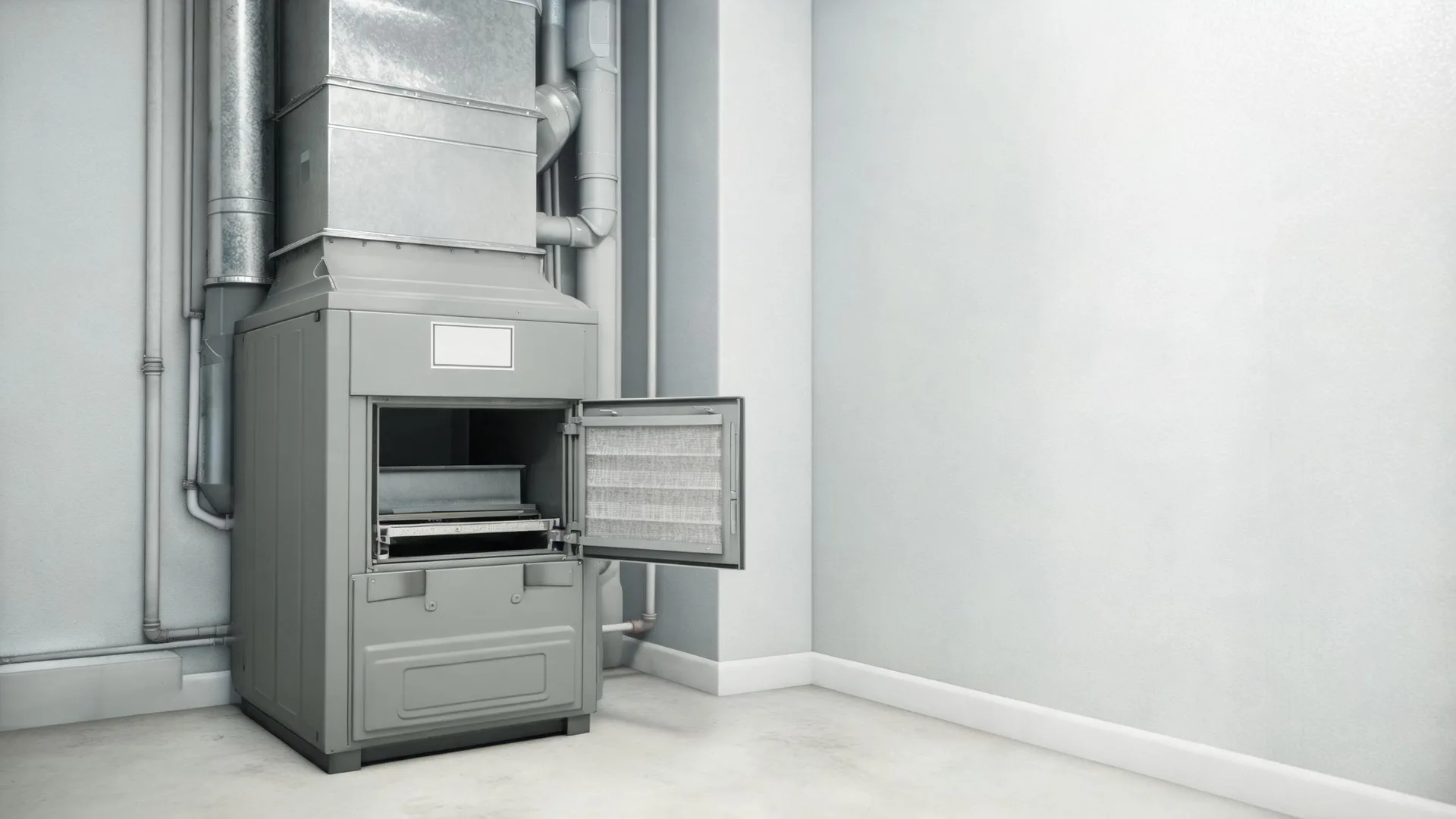
A tune-up starts with the furnace apart, not running. The burner assembly comes out so it can be cleaned, because soot and dust change how the flame burns even when nothing looks wrong from outside. The flame sensor gets cleaned too, since a thin film on it is enough to make the furnace shut off right after it starts. The igniter gets checked for cracks or a weak glow, since it wears a little every time it fires and gives almost no warning before it quits. The blower wheel gets inspected for caked-on dust, which cuts airflow even when the motor itself is fine. The vent and the combustion air path get checked for blockage, since that air has to move freely both ways for the furnace to run safely. Every safety switch gets tested, including the ones that shut the furnace down if it overheats or the flame doesn't light right. A filter swap doesn't do any of this.