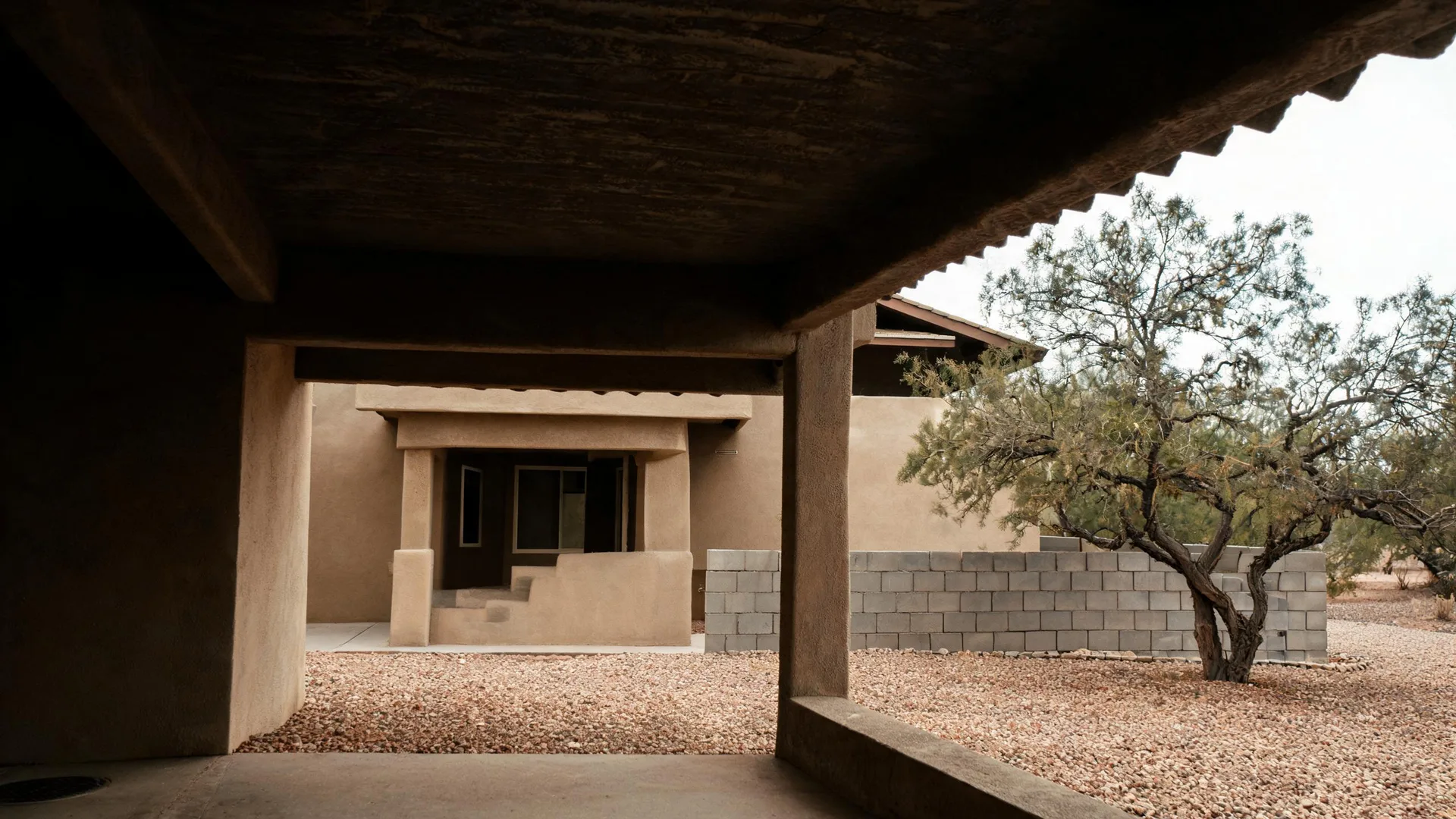
View from a shaded covered porch of a single-story stucco house with a recessed entry, gravel ground cover, a concrete block wall, and a large multi-trunked tree under an overcast sky.

Furnace Maintenance in Deming, NM

Tell us about the job

Takes about a minute. No obligation.

Tune-up, service, or cleaningFurnace or heatingLuna County, NM
Step 1 of 2

What ZIP code is the job in?

The burner flame looks different

A healthy burner flame burns steady and blue. If it's flickering, yellow, or pulling away from the burner, the furnace needs a look before it runs again. That flame says something about the air mix inside, and a tech reads it the way you'd read a gauge.

The furnace is short cycling

A furnace that kicks on, runs a few minutes, then shuts off before the house warms up is telling you a part is failing, maybe a flame sensor or a limit switch. Left alone, that habit wears on the ignition system and the blower motor, and a small repair turns into a bigger one.

Furnaces here start running in November.

Have yours checked in October, before it has to work.

Half the homes here were built by 1980 or earlier, and an older furnace is worth a yearly look

Half the homes here were built by 1980
Heat runs November through April
Winter nights average 29°F
Six months of work, not a full yearFurnaces in Luna County run November through April, with overnight lows averaging 29°F in the coldest months.

A tune-up starts inside the burner compartment, where a tech can see things the thermostat never reports. Flame sensors build up a film over time, thin enough that the furnace still lights but weak enough to cause a shutdown down the road. Pulling the igniter or sensor to clean it catches that before it turns into a no-heat call. The same visit checks the flue for a solid connection, since a loose joint lets exhaust go where it shouldn't instead of up and out. Belts don't factor into it on most furnaces, but the blower wheel does, and a coat of dust on those blades cuts airflow even when the motor sounds fine. None of this shows up from the thermostat on the wall. It shows up when someone opens the cabinet and looks.

Book it before the season

It starts running hard in the first month of the season here. Book the check the month before.

Find a contractor
A gray gas furnace with attached ductwork and piping installed in an unfinished concrete basement.

What you can check without opening anything up

Change the filter on a schedule and check it by holding it up to a light. If light barely gets through, swap it. A clogged filter starves the blower and makes the whole system work harder to push air through the house. Keep the area around the furnace clear too, nothing stacked against the cabinet, since it needs room to pull air in. Walk past the vent hood or flue outside now and then and make sure nothing is blocking it, no nests, no debris. Keep registers open and unblocked by furniture or rugs, even in rooms you don't use much, since closing them off changes the pressure the system was set up to handle. If the thermostat has a battery, replace it before it dies instead of after. Past that, the inside of the burner compartment isn't something to open up yourself. That part waits for the yearly visit.

The filter protects more than air quality

A furnace pulls air through the filter before it ever reaches the heat exchanger. When that filter loads up with dust, the blower has to work harder to move the same amount of air, and less of it gets where it needs to go. Over time that strain shows up in the blower motor, not just in dusty rooms.

The drain only matters on certain furnaces

A high-efficiency furnace produces condensation and needs a clear drain line to get rid of it. If that line clogs, the furnace can shut itself down rather than let water back up into the cabinet. An older, standard-efficiency furnace does not have this part at all, so there is nothing to check there.

A quick visit means someone glances at the flame, checks the filter, and calls it done. A thorough one means the cabinet comes off and the burners come out. The tech should pull the flame sensor and igniter to clean them rather than just look at them, since film on a sensor doesn't always show from the outside. Amp draw on the blower motor gets checked against what that motor is rated for, not just a listen for noise. The heat exchanger gets inspected for cracks with a light and a mirror, because that's the one failure that isn't a repair, it's a reason to stop using the furnace. Gas pressure gets measured at the manifold, not guessed at by the sound of the burners lighting. If the visit takes the same amount of time every year and nothing ever gets written down or replaced, that's a filter check, not a tune-up.

A real tune-up ends with numbers on paper, not just a nod that things look fine. The tech checks the temperature rise across the heat exchanger, comparing what comes out of the plenum to what went in, because that tells you whether the furnace is sized right for the ducts it's pushing into. Static pressure gets measured too, a check on whether the system is straining against the ductwork or breathing the way it should. Igniters get tested under load, not just eyeballed, since a hairline crack can hold up fine sitting still and fail the moment it's asked to heat up. Safety controls, the limit switch, the rollout switch, get tested to confirm they'd actually shut the furnace down if something went wrong, not just assumed to work because they did last year. A combustion analyzer reads the exhaust for carbon monoxide, which is the one check that matters most and can't be done by looking or listening.