Nine months of heat a year
Furnaces in Española run from September through May. Overnight lows average 15°F through December, January and February, so the burner is cycling on and off most nights for a long stretch of the year.
Takes about a minute. No obligation.
Furnaces in Española run from September through May. Overnight lows average 15°F through December, January and February, so the burner is cycling on and off most nights for a long stretch of the year.
Nine months of cold weather means a lot more cycles on the igniter, the blower motor and the flame sensor than a furnace in a milder place ever sees. Winter storms hit this county often, and a furnace that's leaned on hard during those weeks shows its weak spots sooner than you'd expect.
Winter storms hit Rio Arriba County 144 times between 2015 and 2024.
A furnace checked once a year, before the snow and ice start, catches the weak igniter or the worn blower motor before a storm does.

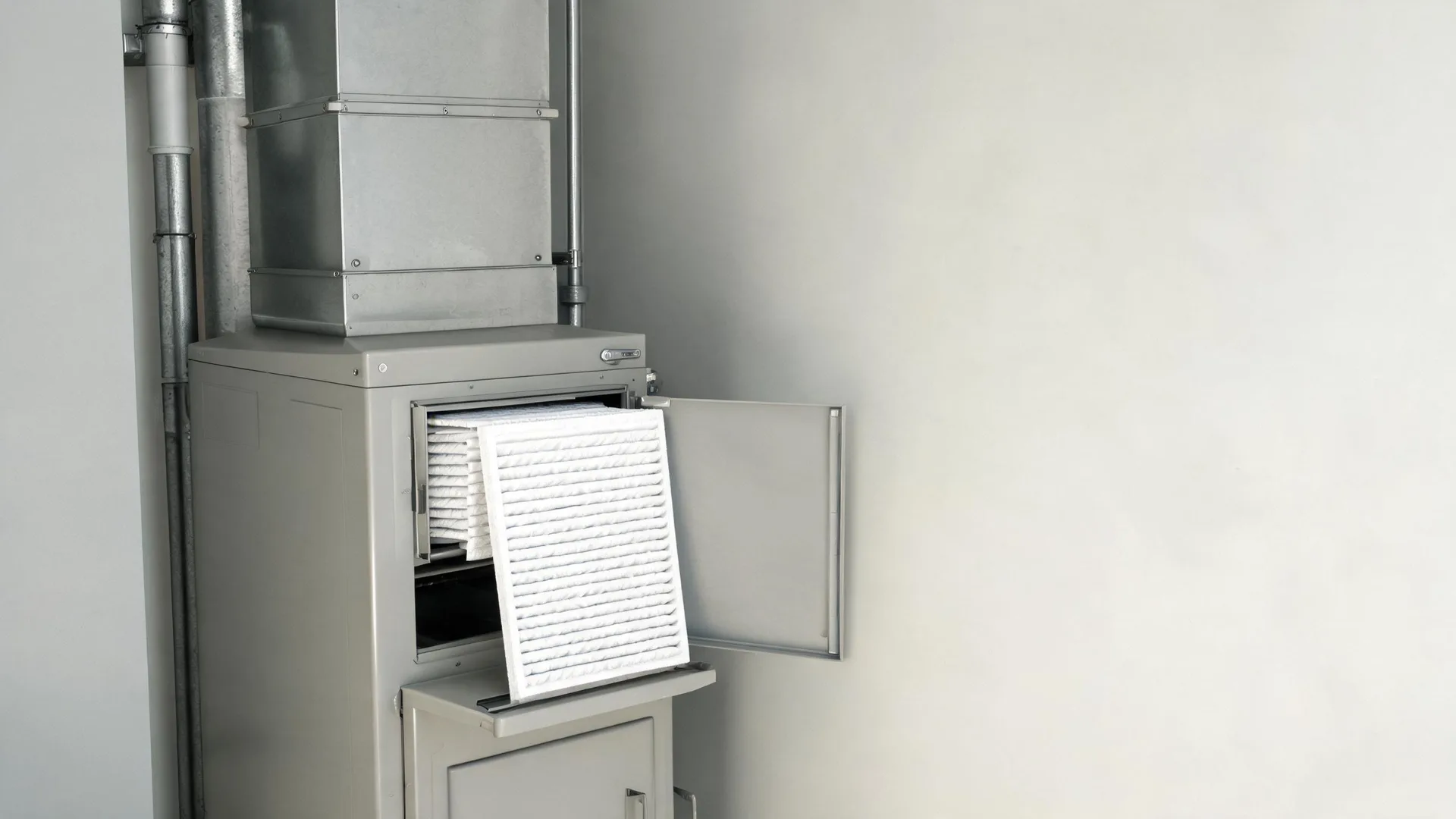
Most houses in Española heat with utility gas, 59.4 percent of them. That means a burner, a gas valve, and a flue venting exhaust to the outside, not just a blower moving air through ducts. A gas furnace needs the flame sensor and igniter checked, the burner assembly cleaned, and the venting inspected for blockage or corrosion, because a crack in the heat exchanger or a plugged vent can put carbon monoxide into the house. Electric furnaces, in the 10.3 percent of homes that use them, skip the gas valve and venting entirely and wear differently. If your furnace runs on gas, maintenance means more than swapping a filter.
Nine months of cold weather ahead means the igniter and blower motor are about to go back to work. A check now catches the weak one before it has to run every night.
Find a contractorA quick tune-up means someone swaps the filter, glances at the burner, and calls it done. A thorough one means the technician pulls the burner assembly out and actually cleans it, checks the flame sensor for the thin coat of oxidation that builds up over a season, and tests the igniter under load instead of just looking at it. They check amp draw on the blower motor, not just listen for noise. They check the flue for blockage and look at the heat exchanger for cracks, because that's the part that can put carbon monoxide into the house if it fails. A short visit checks that the furnace turns on. A real one checks whether it keeps running right through the stretch of the season that asks the most of it.
A dirty filter chokes the airflow moving across the heat exchanger. The burner has to stay on longer to push warm air through the house, and the blower motor works harder against that restriction, which wears its bearings sooner. Changing the filter on a regular schedule keeps both of those from happening.
Coils and condensate lines are an air conditioner's concern. A furnace moves heat across a dry heat exchanger with a blower pushing air past it, so there's nothing to clog or freeze the way there is in a cooling system. The one piece of venting a furnace does depend on is the flue, and it has to carry exhaust out clean every time the burner fires.
A furnace usually tells you before it quits outright. A burner that used to light with one soft whump and now hesitates before catching has an igniter on its way out. A flame that burns yellow instead of blue isn't getting the air it needs to burn clean. A blower that used to spin up quiet and now rattles or hums before it catches is wearing on its bearings. Short cycling, where the furnace fires up and shuts off again within a few minutes, usually points to a flame sensor too dirty to hold the signal. None of these stop the furnace from running that same night. They're what a check is for, because by the time one of them turns into a furnace that won't start at all, you're finding out on the coldest night it's picked.
A tune-up has a set order because each step depends on what the last one found. The technician starts by pulling the burner assembly and cleaning off the rust and dust that settles there over a season. A dirty burner doesn't light clean. Next comes the flame sensor, wiped down so it can still detect a flame and tell the gas valve to stay open. The igniter gets tested under load, not just looked at, since a hairline crack can pass a glance and still fail the next cold morning. The blower motor comes next, amp draw checked against what it should be pulling, bearings checked for wear. Last is the flue and heat exchanger, checked for blockage and cracks. That's the part standing between the burner and the air you breathe. Skip a step and the ones after it don't mean much.