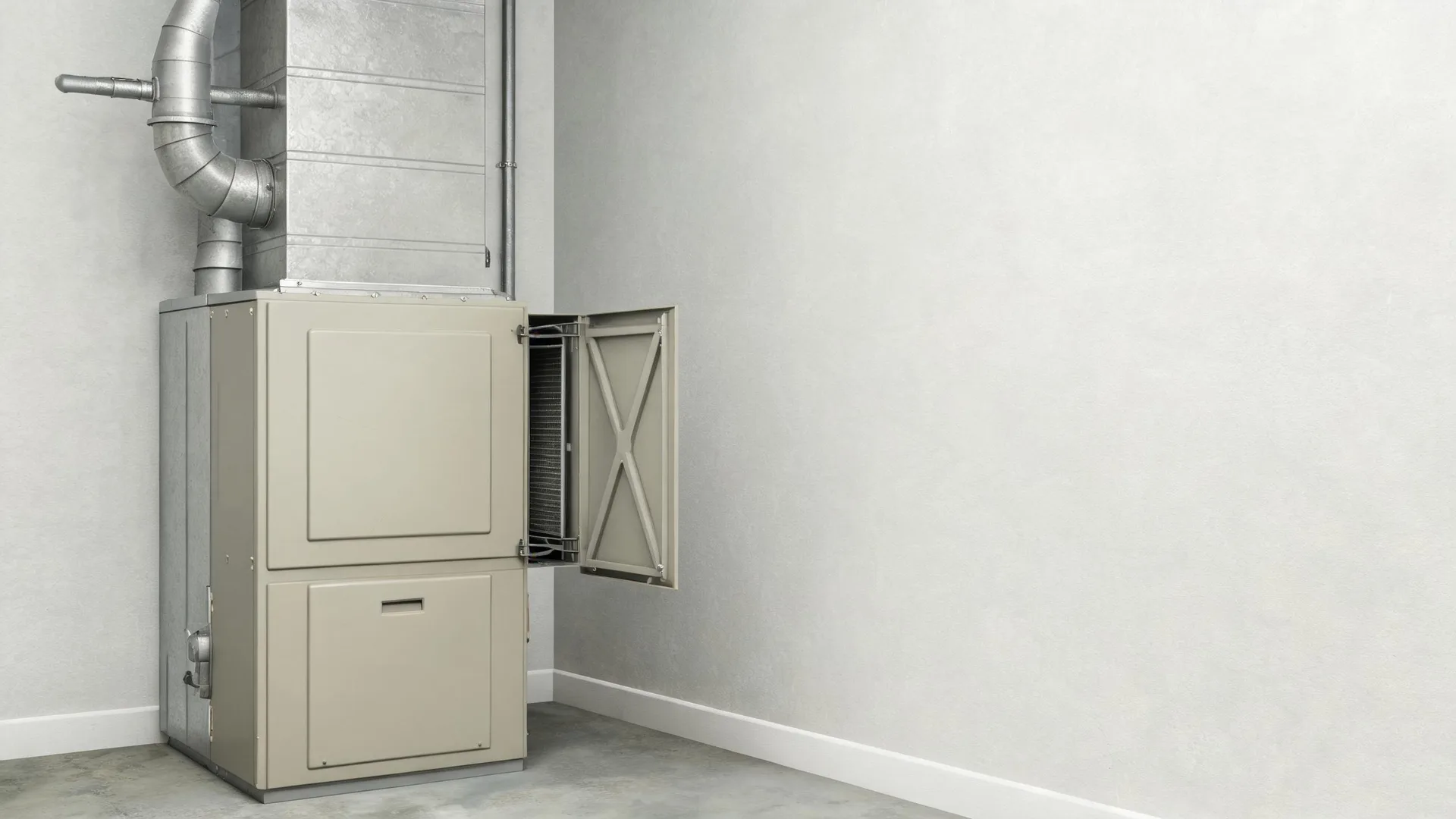
October starts the work
Furnaces in Harding County come on in October and stay on through April. That's seven straight months with no break for the system to coast through.
Takes about a minute. No obligation.
Furnaces in Harding County come on in October and stay on through April. That's seven straight months with no break for the system to coast through.
A furnace runs best when it's checked before the cold sets in, not after. September is the last clear month to get a technician out while the furnace is still off for the summer.
Furnace in Roy runs October through April, seven months straight.
One visit before October covers the whole stretch.



Propane ran $27.30 per million Btu across New Mexico in 2024. That's the fuel most homes in Harding County burn to stay warm, so a furnace that runs clean and tuned matters more here than somewhere heating with electricity. A dirty burner or a clogged heat exchanger makes the furnace work harder to put out the same heat, and with propane that cost shows up fast. There's nothing wrong with the furnace yet. One check a year, before the season starts, is what keeps it that way.
It starts running hard in the first month of the season here. Book the check the month before.
Find a contractorA furnace doesn't have a drain or coils the way an air conditioner does, but the filter still runs the whole show. Every bit of air the blower moves passes through it first, on the way to the heat exchanger and back out through the ducts. A filter loaded with dust makes the blower pull harder to move the same air, and the motor runs longer to reach the same temperature on the thermostat. Let it go too far and the heat exchanger can run hotter than it should, since less air is moving across it to carry the heat away. That's the kind of strain that shortens the life of the exchanger, not just the filter. Checking it and swapping it when it's dirty is the one thing an owner can do between visits that actually protects the furnace.
Closing vents in unused rooms throws off the balance the system was set up to run on. Closed registers push pressure back into the ducts, and the blower works against air that has nowhere to go. Leave registers open and clear of furniture or rugs so air can move the way the system expects.
A furnace running fine sounds the same every time it kicks on. A new rattle, a burning smell that lingers past the first few minutes, or a flame that looks yellow instead of blue are worth a call before the next scheduled visit. None of that means shut it down and panic, but it's not something to wait out either.
Skip the yearly check and nothing fails that day. The trouble is slower than that. Dust builds on the burner and the flame starts to spread instead of sitting tight and blue, so the heat exchanger picks up soot it was never designed to carry. The igniter weakens a little each season it's not looked at, until it's the one cold morning it finally won't light. A blower motor that's never had its bearings checked runs louder and hotter than it should, and keeps running that way for months before anyone notices. None of this shows up as a breakdown right away. It shows up later, and usually on the coldest night of the stretch, not the mildest.
A tune-up starts with the burner and the flame. A technician pulls it, cleans off the soot and dust, and sets it back so the flame burns tight and blue instead of spreading out yellow. The heat exchanger gets checked for cracks, since a cracked exchanger can let combustion gas mix with the air moving through the house. The igniter gets tested under load, not just looked at, because an igniter can glow and still fail to light the burner reliably. The blower gets checked too, the bearings and the belt if it has one, and the motor's amp draw gets measured against what it should pull. Gas pressure gets checked at the manifold, since too high or too low throws off how clean the furnace burns. Last, the whole system gets run through a full cycle, start to shutoff, to see that it behaves the way it's supposed to.