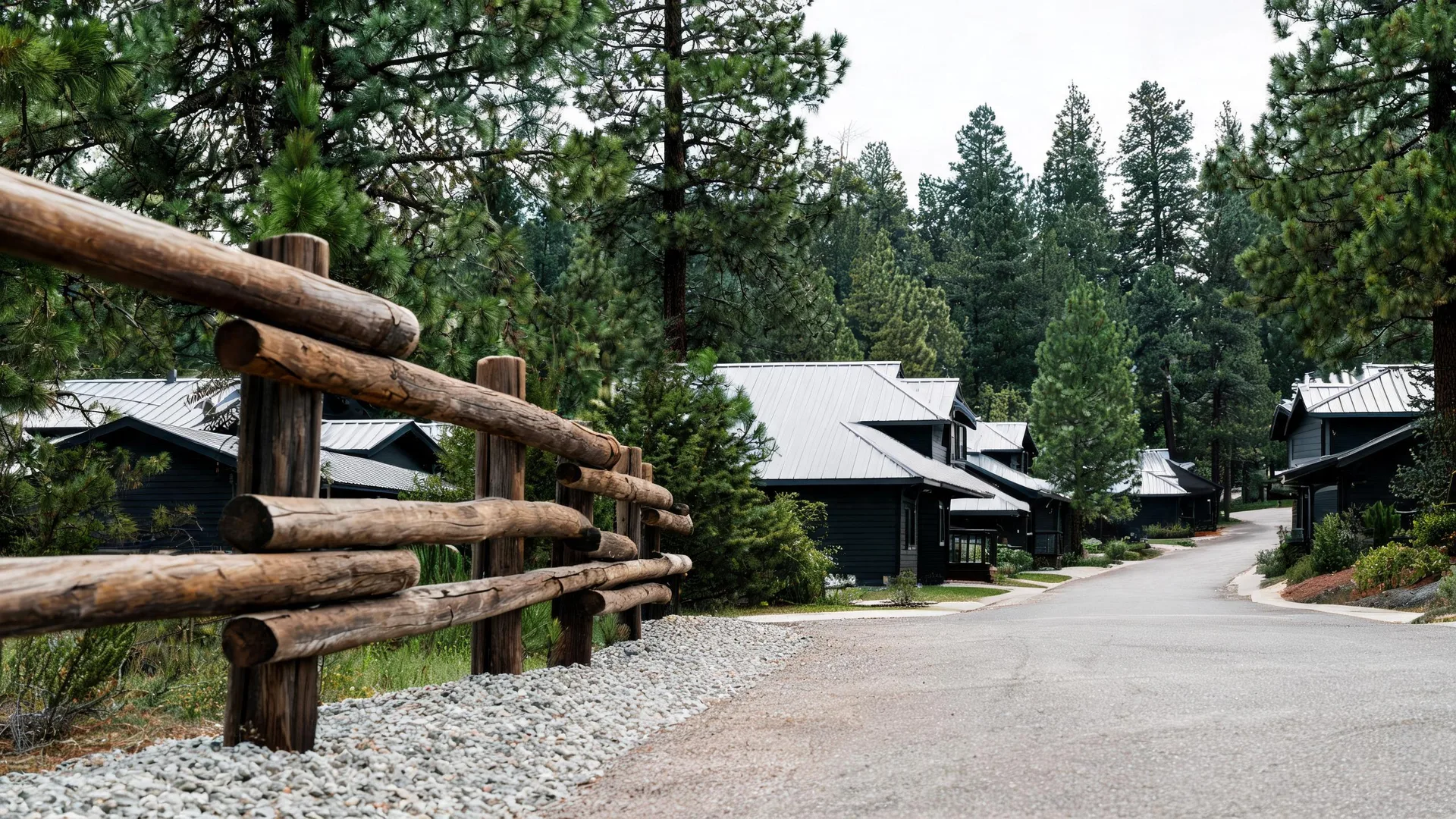




A wooden log rail fence beside a gravel shoulder and paved road lined with dark-sided houses with metal roofs, surrounded by tall pine trees.

Furnace Maintenance in Taos, NM

Tell us about the job

Takes about a minute. No obligation.

Tune-up, service, or cleaningFurnace or heatingTaos County, NM
Step 1 of 2

What ZIP code is the job in?

Furnaces in Taos County run about ten months a year, September through June. That is most of the calendar, not just the cold snap in January. Overnight lows average 14°F through December, January and February, so when your furnace does run, it runs hard to keep up. Winters here bring their share of heavy snow and ice too, which means the furnace often has to work through the worst weather of the year instead of getting a break. A system under that kind of load wears sooner than one that cycles on for a few months and rests. The igniter, the blower motor, the heat exchanger, all of it logs more hours here than it would somewhere milder.

Furnaces in Taos County start running in September.

Have yours checked in August, before it has to work.

Almost half of Taos County runs on gas, and that burner needs a yearly check

46.6% of homes heat with gas
Climate zone 5B
Heat runs September through June

One visit a year covers it. Taos County saw 129 winter storms between 2015 and 2024, the kind of weather that can knock out power and leave a furnace sitting cold when a house needs it most. A yearly check before the season starts catches a cracked heat exchanger or a weak igniter while there's still time to fix it. It also means the furnace isn't the thing you're worrying about when the power is already out and the snow is already coming down. Skip a year out here and the first hard freeze is when you find out what was wearing thin.

Newer furnace, fewer surprises if you keep up the yearly check

Half the homes in Taos County were built in 1985 or later, so a lot of furnaces out here still have good years left in them. A yearly check is what keeps a newer system running the way it did on day one, instead of losing efficiency to a problem nobody caught.

Find a contractor
A gray gas furnace with attached ductwork and piping installed in an unfinished concrete basement.

Two months off, ten months on

Ten months of run time means a furnace here gets maybe two months to sit idle, not the long rest a milder climate allows. That short window is when a check does the most good, before the igniter or the blower motor is back under load. Get it looked at while it's off, not after it's already running every day.

Dirt is what shortens the life of a furnace

A dirty flame sensor stops reading the flame and shuts the burner down, even though nothing is actually broken. A clogged filter chokes airflow, so the heat exchanger runs hotter than it should and cracks sooner than it would otherwise. None of this looks like a problem until the furnace just stops responding.

The furnace does not warn you first

A furnace that has not been serviced tends to fail the way it ran, hard and without notice. The igniter that was already weak gives out on the coldest morning, not a mild one. A yearly check finds the worn part while the furnace is still off, instead of leaving it to fail while the house is depending on it.

Between visits, the filter is the one thing worth your attention. Pull it and hold it up to a light. If you can't see light through it, it's choking the system, and the furnace will run longer and hotter to push air through a clogged filter than a clean one. Check it monthly when the furnace is running every day, not once and done for the season. Keep anything flammable away from the furnace itself, and keep the area around it clear so air can move. Past that, leave it alone. The blower motor, the heat exchanger, the igniter, none of that is something to open up yourself. If you smell gas, or the burner flame looks yellow instead of blue, that's not a between-visits fix. That's a call now, not a note for next year's check.

A tune-up starts with the burner itself. The tech pulls it and cleans it, because soot buildup changes how the gas burns and that affects both heat output and safety. The flame sensor gets cleaned too, since a coated sensor is the single most common reason a furnace shuts itself down mid-cycle. The heat exchanger gets inspected for cracks, which matters more than almost anything else on the list, because a cracked exchanger can let combustion gases into the air the house breathes. The igniter gets checked for a weak glow or a slow response, since that's usually the part that fails first and without warning. Blower wheel and motor get cleaned and checked for wear, gas pressure gets tested against spec, and every electrical connection gets tightened, because a loose connection causes more no-heat calls than almost any part failure does.